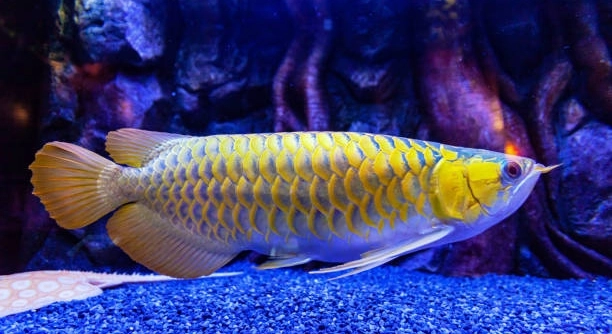
What Makes Arowana Swim to the Bottom and Stay?
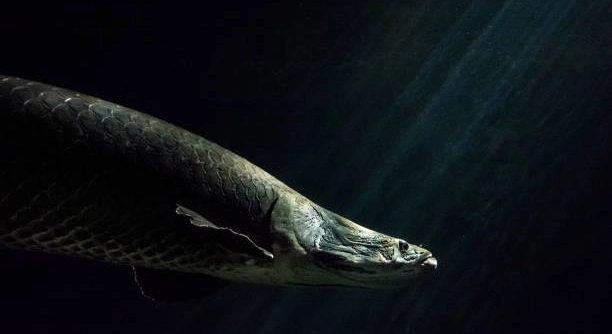
Arowanas are beautiful, majestic fish that often capture the attention of aquarists. Their graceful movements and shimmering scales make them a prized addition to any tank, yet certain behaviors can be puzzling to observe. Arowanas swim to the bottom and remain there primarily due to stress, water quality issues, illness, or inadequate oxygen levels. These … Read more
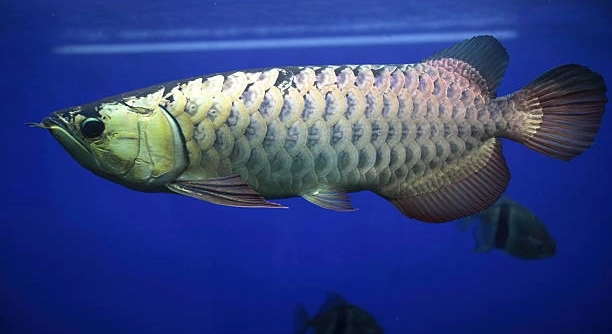
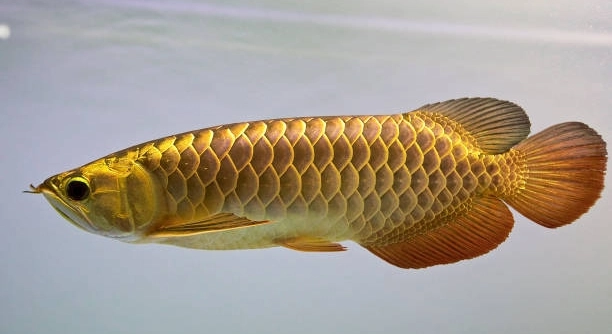
7 Lighting Mistakes That Affect Arowana Health

Are your Arowanas thriving in their aquarium, or do you notice subtle changes in their behavior and appearance? Proper lighting is more important than many aquarists realize, as it affects their growth, color, and overall well-being. Improper lighting can cause stress, weaken immunity, disrupt feeding patterns, and impair growth in Arowanas. Overly bright or dim … Read more

Why Is My Arowana Refusing All Food Types?

Is your arowana suddenly ignoring every type of food you offer? This can be worrying for any fish owner. Arowanas are usually hearty eaters, so a sudden loss of appetite often signals an underlying issue with health or environment. Arowanas may refuse all food types due to stress, illness, water quality issues, or dietary imbalances. … Read more

7 Tips for Raising a Peaceful Arowana

Do you ever find yourself worried about your arowana becoming aggressive in its tank? Maintaining a calm and harmonious environment is essential for the well-being of these beautiful and delicate fish. Peaceful arowanas thrive under proper care and attention. Ensuring a peaceful arowana requires attention to tank size, water quality, diet, and social compatibility. Proper … Read more

Should You Change Arowana Tank Layout Often?

Arowanas are majestic fish that bring elegance to any home aquarium. Their size and active nature require careful planning in their environment. Many hobbyists focus on decorations and layout to create a healthy and visually pleasing tank. Changing an arowana tank layout frequently can cause stress and disrupt established territories. Stability in the tank environment … Read more

7 Tank Habits That Keep Arowana Healthy

Are your Arowanas thriving or struggling in their aquarium? Maintaining their health requires more than feeding; it involves creating the right environment and observing daily behaviors that indicate well-being. Consistent care keeps them strong and active. Healthy Arowanas depend on a combination of proper tank maintenance, water quality, diet, and routine observation. Adopting consistent tank … Read more

What Does It Mean When an Arowana Stops Swimming?

Arowanas are majestic fish, admired for their graceful movements and striking appearance. Watching them glide through the water can be calming, yet sometimes their behavior changes unexpectedly, leaving owners concerned about their health and well-being. When an arowana stops swimming, it is often a sign of stress, illness, or environmental imbalance. Common causes include poor … Read more

How to Transition Arowana to a New Diet Safely

Are you considering changing your Arowana’s diet but feel unsure about how to do it safely? Transitioning a fish to new food can be stressful if not done carefully, affecting their health and appetite. The safest method to transition an Arowana to a new diet is by gradually introducing the new food while maintaining familiar … Read more

7 Foods That Can Boost Arowana Color

Arowanas are admired for their shimmering scales and vibrant colors, making them a prized addition to any aquarium. Many fish owners seek ways to enhance these natural hues through careful feeding and proper nutrition practices. Feeding arowanas with foods rich in carotenoids, vitamins, and high-quality proteins can significantly enhance their coloration. Ingredients such as krill, … Read more

7 Unusual Arowana Reactions and What They Mean

Have you ever watched your arowana move around the tank and noticed behavior that seemed unusual or out of place? These large, elegant fish can show reactions that may leave you wondering about their meaning. Arowanas display a variety of unusual reactions, such as rapid fin flicks, surface skimming, or sudden darting movements. Each behavior … Read more