
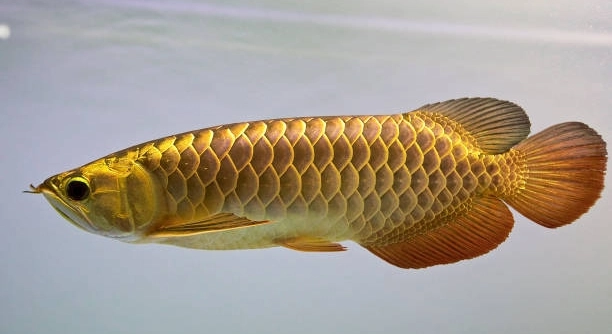
Are your Arowanas thriving or struggling in their aquarium? Maintaining their health requires more than feeding; it involves creating the right environment and observing daily behaviors that indicate well-being. Consistent care keeps them strong and active.
Healthy Arowanas depend on a combination of proper tank maintenance, water quality, diet, and routine observation. Adopting consistent tank habits reduces stress, prevents disease, and supports optimal growth, ensuring these prized fish remain vibrant and resilient over time.
Maintaining these habits may seem simple, but each step contributes to your Arowana’s long-term vitality and enjoyment in the aquarium environment. Following them ensures a balanced, thriving aquatic life.
Regular Water Changes
Changing water regularly is essential for keeping your Arowana healthy. Dirty water accumulates toxins like ammonia and nitrites, which can stress fish and weaken their immune systems. I make it a habit to replace about 25 to 30 percent of the tank water weekly. This keeps the environment clean and prevents sudden shifts in water chemistry. Using a siphon helps remove debris from the substrate without disturbing the fish too much. I also make sure the new water is treated to remove chlorine and matches the tank’s temperature. Consistent water changes encourage stable conditions, reducing the risk of disease. Over time, the tank develops a healthy balance, allowing the Arowana to swim actively and show its natural colors. Observing the water clarity also helps me notice early signs of potential problems.
Regular water changes directly reduce the buildup of harmful substances, maintaining a stable and safe habitat for your Arowana to thrive.
Keeping water clean is not just about appearance. It directly impacts your fish’s health, growth, and behavior. Dirty water stresses Arowanas, making them more prone to illness. I have seen improved appetite and activity when water changes are consistent. Testing water parameters regularly ensures ammonia, nitrite, and nitrate levels remain safe. A balanced filtration system complements water changes, removing waste efficiently. Temperature consistency is also crucial, as sudden shifts can shock the fish. Over time, these practices reduce algae growth, limit odors, and create a clear tank where the fish can display their colors fully. The combination of regular changes, proper filtration, and careful observation ensures a thriving environment. Maintaining this routine also makes it easier to detect early health issues, giving the Arowana the best chance for longevity and vitality.
Proper Feeding Habits
Feeding the right amount and type of food is critical for Arowanas. Overfeeding leads to water pollution and health issues, while underfeeding slows growth. Consistency matters.
Arowanas thrive on a diet rich in protein, including pellets, frozen foods, and occasional live treats. Feeding once or twice daily in controlled portions prevents leftover food from fouling the tank. I rotate foods to provide balanced nutrition, supporting strong scales, vibrant color, and energy. Avoiding sudden diet changes helps prevent digestive problems and stress. Observing feeding behavior also shows me if the fish is healthy or stressed. I keep feeding times consistent, usually in the morning and evening, which helps regulate metabolism. This approach reduces waste and ensures that each fish receives sufficient nutrients without contaminating the water. The careful balance of feeding quantity, quality, and frequency is a cornerstone of long-term Arowana care.
Would you like me to continue with the next headers following the same format?
Maintaining Stable Water Temperature
Arowanas are sensitive to temperature fluctuations. Keeping the tank within a consistent range prevents stress and promotes healthy metabolism. I use a reliable heater and thermometer to monitor the water daily, adjusting as needed.
Sudden temperature changes can weaken an Arowana’s immune system, making it more susceptible to infections. I maintain a steady range, usually between 75 and 82°F, depending on the species. Fluctuations, even by a few degrees, can trigger lethargy, reduce appetite, or cause illness. I avoid placing the tank near windows or vents where drafts or sunlight could affect the water. Using a high-quality heater with a thermostat ensures precision. I also double-check temperature during water changes, as adding new water can briefly alter conditions. Keeping consistent warmth supports digestion, growth, and energy levels, allowing the Arowana to swim confidently and display natural behavior.
Monitoring water temperature is an ongoing task. I check it multiple times daily, especially during seasonal changes. The consistency not only keeps the fish healthy but also reduces stress behaviors, such as hiding or erratic swimming. I pair the heater with a thermometer at different tank levels to detect variations. In addition, I plan ahead for power outages by having backup heating options. Temperature control works alongside proper water changes and feeding habits to maintain an optimal environment. Observing the Arowana’s activity provides immediate feedback if adjustments are needed. With diligence, the tank remains a safe and comfortable home, supporting the fish’s long-term health and vitality.
Tank Size and Space
Arowanas need ample space to swim and grow. Crowded conditions stunt growth and increase aggression. I provide a long, spacious tank with enough depth to accommodate their size comfortably.
A larger tank promotes natural behavior, reduces stress, and prevents injuries caused by bumping into decorations or tank walls. I choose at least a 250-gallon tank for adult Arowanas, depending on the species. Open swimming areas are prioritized over cluttered decorations, while still offering hiding spots and resting zones. Proper spacing minimizes conflicts if housing multiple fish. I also consider the fish’s full-grown length, planning ahead to avoid frequent tank upgrades. Arowanas are active predators, so unrestricted swimming supports proper muscle development and overall health. The combination of space, water volume, and layout ensures longevity and well-being.
Regular Tank Cleaning
Cleaning the tank regularly prevents waste buildup and harmful bacteria. I remove uneaten food, vacuum the substrate, and wipe algae from surfaces weekly.
Filters also need periodic maintenance. I rinse filter media in tank water to preserve beneficial bacteria while keeping the system efficient.
Monitoring Water Parameters
Maintaining proper pH, ammonia, nitrite, and nitrate levels is essential. I test the water weekly and adjust using safe treatments. Consistent monitoring prevents sudden spikes that can stress or harm the Arowana, keeping the tank environment stable and supportive of healthy growth and behavior.
Observing Behavior
Watching your Arowana daily helps detect illness or stress early. I note changes in swimming patterns, appetite, or color as signs something may be off.
FAQ
How often should I change my Arowana’s water?
Water changes are essential for maintaining a healthy tank. I usually replace 25 to 30 percent of the water weekly. This keeps toxin levels low and ensures stable water chemistry. Larger tanks may require slightly less frequent changes, but consistent monitoring is key to avoid sudden shifts.
What is the ideal water temperature for Arowanas?
Arowanas thrive in temperatures between 75 and 82°F. I use a reliable heater with a thermostat and check the temperature daily. Consistency is more important than hitting a precise number, as sudden fluctuations can stress the fish and weaken its immune system.
What should I feed my Arowana?
A balanced diet is essential. I provide high-quality pellets, frozen or live foods, and occasional treats like shrimp or small fish. Feeding once or twice a day in controlled portions prevents leftover food from polluting the water. Rotating food types helps maintain strong scales and vibrant colors.
How large should my tank be?
Adult Arowanas require a spacious tank, typically at least 250 gallons. I prioritize length over height to give the fish plenty of swimming room. Open areas with minimal decoration reduce stress and prevent injuries. Proper spacing is also necessary if housing multiple fish to avoid aggression.
How do I maintain water quality?
Testing water parameters weekly is important. I monitor pH, ammonia, nitrite, and nitrate levels, adjusting with safe treatments as needed. Using a high-quality filter helps remove debris and maintain clear water, while regular water changes prevent buildup of harmful substances.
Why is observing behavior important?
Daily observation helps detect early signs of illness or stress. I watch for changes in appetite, swimming patterns, or color. Lethargy, erratic swimming, or loss of appetite can indicate health problems, allowing for prompt action before serious issues develop.
How can I prevent disease in my Arowana?
Maintaining stable water conditions, a balanced diet, and clean surroundings reduces the risk of disease. I quarantine new fish and avoid sudden changes in temperature or water chemistry. Regular observation ensures early intervention if any health issues appear.
Can Arowanas live with other fish?
Arowanas can be aggressive, so tank mates must be chosen carefully. I select similarly sized, non-aggressive species and provide ample space. Monitoring interactions is essential, as even minor aggression can escalate in confined environments.
How do I handle tank decorations?
Minimal decoration is best to maximize swimming space. I include a few hiding spots but avoid overcrowding. Smooth surfaces prevent injuries, and decorations are cleaned regularly to reduce algae buildup without disturbing beneficial bacteria.
What signs indicate my Arowana is healthy?
A healthy Arowana is active, eats regularly, and displays bright, consistent coloration. I also look for smooth scales, clear eyes, and steady swimming patterns. Any sudden changes may signal stress or health issues that require immediate attention.
How often should I clean the filter?
Filters should be cleaned monthly or as needed, depending on tank size and waste load. I rinse filter media in tank water rather than tap water to preserve beneficial bacteria, ensuring the filtration system continues supporting a balanced environment.
Is lighting important for Arowanas?
Lighting affects activity and color. I maintain a regular day-night cycle using aquarium lights, typically 10 to 12 hours of light daily. Proper lighting encourages natural behavior and helps the fish display vibrant colors without causing stress or excessive algae growth.
Can Arowanas jump out of the tank?
Yes, they are strong jumpers. I use a secure lid to prevent accidents. Even minor gaps can allow an Arowana to escape, so a tightly fitted cover is crucial for safety.
How do I acclimate a new Arowana?
I float the bag in the tank for 20 to 30 minutes to equalize temperature, then gradually mix small amounts of tank water into the bag before release. This reduces stress and helps the fish adjust to the new environment safely.
How do I encourage growth in Arowanas?
Consistent care is key. I maintain stable water conditions, provide a balanced diet, and ensure ample swimming space. Avoiding overstocking and minimizing stress also promotes proper growth and muscle development, keeping the fish strong and active.
What should I do if my Arowana refuses food?
Refusal to eat can indicate stress or illness. I check water quality first and ensure the temperature is stable. Offering a variety of foods and feeding smaller portions can encourage eating. Persistent issues may require veterinary advice.
How often should I test water parameters?
Weekly testing is sufficient for a well-maintained tank. I check pH, ammonia, nitrite, and nitrate levels, adjusting as needed. More frequent testing may be required after water changes or if any health concerns appear.
How do I deal with algae in the tank?
Regular cleaning, proper filtration, and controlled lighting prevent excessive algae. I remove algae manually when necessary and avoid overfeeding, as leftover food promotes growth. Some algae-eating fish or snails can help, but I ensure they are compatible with Arowanas.
Can I keep Arowanas in a planted tank?
Yes, but plants must be hardy and securely anchored. I choose robust species that withstand occasional disturbances. Open swimming space remains the priority, and plants provide natural hiding spots without overcrowding the tank.
What is the average lifespan of an Arowana?
With proper care, Arowanas can live 10 to 20 years. I focus on stable water, nutrition, and consistent monitoring to support longevity. Healthy tank habits and attentive care significantly influence lifespan and overall well-being.
How do I manage aggression in Arowanas?
Aggression can be minimized with sufficient space, proper tank mates, and hiding spots. I avoid overcrowding and monitor interactions closely. Separating fish if conflicts escalate helps maintain a calm and safe environment for all inhabitants.
What should I do if my Arowana gets sick?
I isolate the fish in a quarantine tank if illness appears. Testing water parameters, adjusting temperature, and using appropriate treatments are necessary. Observing behavior and consulting a veterinarian ensures timely and effective care.
Can Arowanas tolerate different water hardness levels?
Arowanas adapt to a moderate range, but stability is more important than exact numbers. I avoid sudden shifts in hardness, which can stress the fish. Regular testing and gradual adjustments maintain a safe environment.
How do I ensure long-term health for my Arowana?
Consistent care is essential. I maintain water quality, proper temperature, balanced diet, and sufficient space. Daily observation and early intervention for any issues support long-term health and vitality, allowing the Arowana to thrive in a safe, stable environment.
This FAQ section covers the most common concerns and practices to ensure Arowanas remain healthy, active, and vibrant over many years.
Arowanas are fascinating fish, but keeping them healthy requires consistent attention and care. Maintaining proper water conditions is one of the most important aspects of Arowana care. Regular water changes, monitoring temperature, and keeping pH, ammonia, nitrite, and nitrate levels within safe ranges all contribute to a stable environment. I have found that paying attention to these factors early prevents many common health problems. Clean water supports digestion, growth, and strong immune function. Without these practices, even the best diet or tank size cannot fully protect the fish from stress or illness. Observing the tank daily helps catch any issues before they become serious, allowing for timely adjustments or treatment. Over time, consistent water management becomes part of the routine and provides a reliable foundation for a thriving Arowana.
Feeding habits play an equally important role in keeping an Arowana healthy. A balanced diet that includes pellets, frozen or live foods, and occasional treats ensures proper nutrition and growth. I focus on portion control to avoid overfeeding, which can pollute the tank and lead to digestive issues. Rotating food types supports vibrant coloration and muscle development. Feeding at consistent times also helps regulate metabolism and encourages normal behavior. Proper diet works hand in hand with tank maintenance. Even minor adjustments in food quantity or quality can affect the fish’s energy and overall health. Watching how the fish eats is also a good indicator of well-being. If appetite changes, it can signal stress or an underlying problem, prompting me to check water conditions or other potential causes.
Tank size, swimming space, and overall habitat layout are also critical for Arowanas. These fish are active swimmers and need ample room to grow and move freely. I prioritize a large, open tank with minimal clutter while providing a few safe hiding spots. This reduces stress and prevents injuries from collisions. Proper spacing also helps when housing more than one fish, minimizing aggression. Regular tank cleaning and filter maintenance maintain water quality and a clear environment. By combining consistent care routines, proper feeding, and a thoughtfully designed tank, I have seen Arowanas develop strong coloration, healthy growth, and active behavior. Long-term attention to these habits ensures that the fish live a full, healthy life, making the effort worthwhile for anyone committed to their well-being.

Hello,
If you enjoy the content that we create, please consider saying a "Thank You!" by leaving a tip.
Every little bit helps us continue crafting quality advice that supports the health, happiness, and well-being of pets around the world, for pets of all shapes, sizes, and species.
We really appreciate the kindness and support that you show us!