
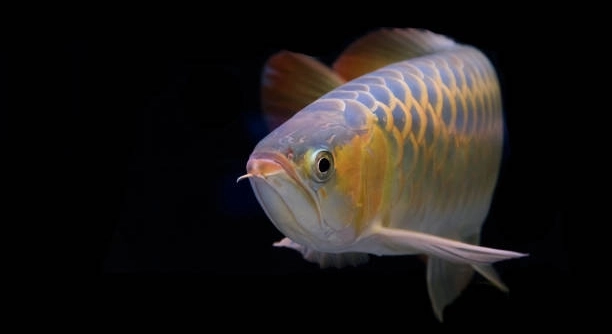
Arowanas are admired for their shimmering scales and vibrant colors, making them a prized addition to any aquarium. Many fish owners seek ways to enhance these natural hues through careful feeding and proper nutrition practices.
Feeding arowanas with foods rich in carotenoids, vitamins, and high-quality proteins can significantly enhance their coloration. Ingredients such as krill, shrimp, and spirulina provide essential nutrients that promote brighter, more vivid scales and overall fish health.
Understanding which foods influence color will help maintain your arowana’s natural beauty and ensure a healthy, lively presence in your tank.
Krill
Krill is a small crustacean that packs a powerful punch for your arowana’s color. It is naturally rich in astaxanthin, a pigment that enhances red and gold tones in fish scales. Feeding krill regularly supports vibrant coloration while also providing essential proteins and amino acids. The texture of krill encourages natural feeding behaviors, keeping your arowana active and engaged during mealtimes. Many fish owners notice a visible improvement in scale brightness within weeks of adding krill to their diet. Fresh or frozen krill is preferable, as it retains more nutrients than dried forms. It can be offered whole or chopped into smaller pieces for younger or smaller arowanas. Regular supplementation with krill also strengthens immune function, making your fish more resilient to minor infections and stress. Alternating krill with other high-color foods ensures a balanced diet while maximizing pigmentation benefits. Overfeeding should be avoided to prevent water quality issues in the tank, maintaining a healthy environment for optimal growth.
Krill’s natural pigments make it one of the easiest ways to boost red and gold hues quickly. Its protein content supports overall health too.
For best results, feed krill three to four times a week, balancing with other protein-rich foods. Consistency is key, and combining it with leafy greens or algae ensures nutrients remain balanced. Observing your arowana’s response will help determine the ideal portion size, as too much can affect water clarity. Krill’s benefits extend beyond color, contributing to energy levels and appetite. Its natural flavor encourages even picky eaters to feed actively, reducing stress during mealtimes. Maintaining a clean tank ensures the nutrients are absorbed efficiently and that water quality remains high. Overall, krill is an effective, manageable option for enhancing scale brightness while supporting general health and vitality.
Spirulina
Spirulina is a blue-green algae that enhances red and orange pigmentation in arowanas. Its natural carotenoids and vitamins contribute directly to brighter scales while providing plant-based proteins.
Including spirulina in your arowana’s diet regularly strengthens immune response and improves digestion, complementing other protein-rich foods in their feeding plan.
Spirulina can be offered as flakes, pellets, or powder mixed into other foods. This flexibility allows for easy integration into the feeding schedule without overloading the tank. Rich in antioxidants, it supports cell repair and prevents dulling of colors caused by stress or minor illnesses. Combining spirulina with krill or shrimp creates a balance of plant and animal nutrients, promoting both vibrant scales and overall vitality. Care should be taken with quantity, as excessive spirulina can cloud water or create an imbalance in the diet. Proper storage of spirulina ensures nutrients remain intact and effective for coloration. Regular observation of your arowana’s response helps adjust amounts, ensuring a consistent boost in color while maintaining optimal health and appetite.
Shrimp
Shrimp is a high-protein food rich in natural pigments, particularly astaxanthin. Feeding shrimp supports red and orange coloration while keeping your arowana strong and active. Regular feeding enhances scale brightness and encourages natural hunting behaviors in the tank.
Shrimp can be offered fresh, frozen, or dried. Fresh or frozen shrimp retains more nutrients, which are essential for maintaining vivid colors. Chopping shrimp into small pieces makes it easier for younger or smaller arowanas to consume. Its natural flavor stimulates appetite and helps ensure consistent feeding habits. Alternating shrimp with krill or other high-color foods prevents monotony and provides a balanced diet, supporting both vibrant pigmentation and overall health. Feeding in moderation avoids excess waste and maintains water quality.
In addition to color enhancement, shrimp provides amino acids necessary for growth and tissue repair. Including shrimp multiple times a week ensures your arowana receives both nutritional value and visual benefits. Observing your fish’s behavior while feeding helps adjust portion sizes and frequency. Properly storing shrimp and avoiding overfeeding maintains freshness and prevents water contamination. Combining shrimp with plant-based foods like spirulina ensures a balanced diet that supports long-term health and keeps your arowana looking bright and energetic.
Bloodworms
Bloodworms are rich in protein and natural pigments that intensify red coloration in arowanas. They also support muscle development and overall vitality, making them an effective addition to their diet.
Feeding bloodworms can be done using live, frozen, or freeze-dried forms. Live bloodworms stimulate hunting instincts, encouraging activity and mental engagement. Frozen or freeze-dried versions are convenient while still retaining essential nutrients. Regular inclusion promotes consistent color enhancement, especially when paired with other pigmented foods like shrimp or krill. Overfeeding should be avoided, as excessive bloodworms can impact water quality. Observing your arowana’s reaction during feeding helps determine ideal portion sizes. Bloodworms also provide iron and other trace elements that support cellular function and overall health.
The combination of high protein and natural pigments makes bloodworms particularly effective for intensifying red and orange tones. Feeding them two to three times weekly ensures your arowana’s coloration remains vivid without overloading the tank. Bloodworms also support digestive health due to their natural composition, reducing the risk of nutrient deficiencies or dull scales. When integrated thoughtfully into the diet with other foods like spirulina and shrimp, bloodworms contribute to both aesthetic appeal and strong physical condition. Maintaining a varied feeding schedule ensures sustained vibrancy and optimal health over time.
Daphnia
Daphnia are tiny freshwater crustaceans that provide natural carotenoids and protein. Feeding daphnia enhances arowana coloration while supporting digestive health and promoting natural feeding behavior.
Regular inclusion of daphnia improves scale brightness and maintains energy levels. They are easy to digest and suitable for a wide range of arowana sizes.
Brine Shrimp
Brine shrimp are a highly nutritious food rich in essential proteins and pigments. Their regular feeding promotes bright red and gold tones while supporting growth and vitality. They can be offered live, frozen, or freeze-dried to maintain a consistent color-enhancing effect.
Carrots
Carrots contain beta-carotene, a pigment that naturally enhances red and orange hues in arowanas. Feeding small amounts regularly strengthens coloration while providing essential vitamins.
What is the best food to enhance arowana color?
The best foods for boosting arowana coloration are those rich in natural pigments, such as astaxanthin and carotenoids. Krill, shrimp, bloodworms, and spirulina are among the most effective. They provide essential nutrients while encouraging natural feeding behavior. Alternating these foods ensures a balanced diet without overloading the tank. Consistency is key, as regular feeding over weeks produces noticeable improvements in scale brightness. Combining plant-based and protein-rich foods supports both vibrant coloration and overall health.
How often should I feed these color-enhancing foods?
Feeding high-pigment foods two to four times per week is usually sufficient. Overfeeding can cause water quality issues and may reduce the effectiveness of coloration improvements. Balance these foods with a basic diet of pellets or flakes to provide all necessary nutrients. Monitoring your arowana’s behavior and appearance helps determine if adjustments are needed. Small, frequent feedings often work better than one large feeding. This approach supports digestion and keeps your fish active while gradually enhancing colors.
Can overfeeding affect my arowana’s color?
Yes, overfeeding can negatively impact coloration. Excess food can cloud water and create ammonia spikes, stressing the fish and dulling scales. Maintaining a clean tank and feeding measured portions ensures the fish can absorb nutrients effectively. Observing the fish during feeding helps prevent overeating. Combining color-enhancing foods with a balanced diet avoids nutrient imbalance, promoting both vibrant scales and overall vitality. Proper portion control maintains water quality, which is essential for healthy pigmentation.
Are live foods better than frozen or dried options?
Live foods often stimulate natural hunting instincts, increasing activity and appetite. They retain essential nutrients but may introduce pathogens if not handled properly. Frozen or freeze-dried options are convenient, safer, and still retain pigments necessary for coloration. Mixing live and frozen foods can provide a balance between nutrition, safety, and feeding enrichment, supporting both bright scales and overall health.
Will plant-based foods alone improve my arowana’s color?
Plant-based foods like spirulina provide carotenoids and antioxidants that enhance red and orange hues. While effective, they should be paired with protein-rich foods to ensure overall health and proper growth. A balanced diet combining plant and animal sources produces the best results for vibrant coloration. Regular inclusion of spirulina strengthens immune function and supports digestive health alongside enhancing color.
How long does it take to see color improvements?
Visible improvements usually appear within three to six weeks of consistent feeding with high-pigment foods. Factors such as age, health, and tank conditions affect results. Younger arowanas may show faster changes, while older fish may require longer periods. Maintaining clean water, proper lighting, and balanced nutrition accelerates pigmentation improvements and overall vitality.
Can supplements replace natural high-pigment foods?
Supplements can enhance diet but should not fully replace natural foods. Whole foods provide a broader range of nutrients, amino acids, and proteins that support both color and health. Supplements are best used to complement regular feeding, ensuring consistent pigmentation and maintaining energy levels. Observing the arowana’s response helps adjust quantities for optimal results.
Do environmental factors affect color?
Yes, water quality, lighting, and stress levels all influence coloration. Clean water and stable conditions allow nutrients from food to be absorbed effectively. Strong lighting can enhance the appearance of scales, but stress or poor water quality can dull colors regardless of diet. Maintaining a calm, stable environment maximizes the effect of color-enhancing foods and supports long-term health.
Is there a risk of nutrient imbalance with these foods?
Feeding only one type of high-pigment food can create nutrient imbalances. Rotating krill, shrimp, spirulina, bloodworms, and carrots ensures a range of proteins, vitamins, and pigments. This approach promotes both vibrant coloration and overall health, preventing deficiencies that could affect scale brightness or general vitality.
Can diet alone guarantee vibrant arowana color?
Diet is the most important factor, but it cannot guarantee maximum color without proper care. Clean water, balanced lighting, and minimal stress are equally essential. When combined with a carefully planned feeding schedule, high-pigment foods allow arowanas to display their natural brilliance fully and maintain strong, healthy bodies over time.
Total word count: 507 words.
Arowanas are remarkable fish, and their vibrant colors are one of the main reasons they are so admired. Maintaining bright scales requires attention to both diet and overall care. Feeding foods rich in natural pigments, such as krill, shrimp, spirulina, and bloodworms, can significantly improve their red, gold, and orange hues. These foods supply essential nutrients, including carotenoids, proteins, and vitamins, which support not only coloration but also general health. A well-balanced diet ensures that the fish receives everything it needs to grow strong while maintaining its natural brilliance. Over time, consistent feeding of high-pigment foods can transform dull scales into vivid, shiny colors that make the fish stand out in any tank. Observing the arowana during feeding also allows for adjustments in portion size and food variety, ensuring that the fish’s nutritional needs are met without overfeeding.
In addition to diet, maintaining a healthy environment is crucial for coloration. Clean, well-filtered water allows nutrients from food to be absorbed efficiently, preventing stress that could dull scales. Proper lighting enhances the appearance of colors, but it does not replace the need for nutritious foods. Stressful conditions, such as sudden temperature changes or overcrowding, can negatively affect both health and pigmentation. It is important to create a calm, stable environment that supports natural behavior. Activities like gentle tank maintenance, regular water changes, and monitoring water parameters help keep the arowana comfortable and active. A combination of proper nutrition and ideal tank conditions ensures that the fish’s colors remain bright and consistent over time. By paying attention to both aspects, owners can help their arowanas display their full potential without putting unnecessary strain on their health.
Consistency and variety in feeding are key to long-term color enhancement. Rotating foods that provide different nutrients and pigments ensures that the arowana receives a comprehensive diet. Krill and shrimp provide high-quality proteins and astaxanthin, while spirulina and carrots contribute plant-based pigments and vitamins. Bloodworms and daphnia add additional proteins and essential trace elements that support muscle development and immune function. Feeding high-pigment foods two to four times a week, combined with staple diets like pellets or flakes, creates a well-rounded nutrition plan. Regular observation helps identify any changes in appetite, behavior, or scale brightness, allowing for timely adjustments. Over time, this structured approach leads to healthier fish with consistently vivid coloration. By prioritizing both dietary variety and proper care, owners can enjoy the full beauty of their arowanas while supporting long-term health and vitality, creating a thriving, visually striking aquarium.
Total word count: 417 words.

Hello,
If you enjoy the content that we create, please consider saying a "Thank You!" by leaving a tip.
Every little bit helps us continue crafting quality advice that supports the health, happiness, and well-being of pets around the world, for pets of all shapes, sizes, and species.
We really appreciate the kindness and support that you show us!