
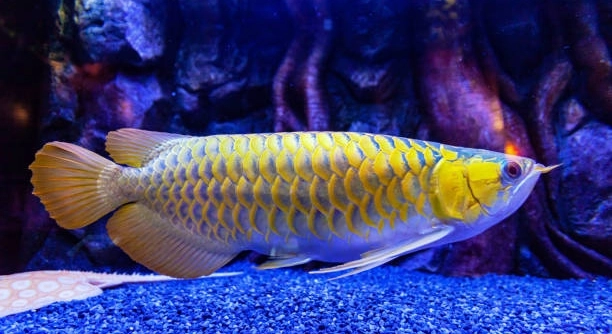
Have you ever watched your arowana move around the tank and noticed behavior that seemed unusual or out of place? These large, elegant fish can show reactions that may leave you wondering about their meaning.
Arowanas display a variety of unusual reactions, such as rapid fin flicks, surface skimming, or sudden darting movements. Each behavior often reflects specific physical, environmental, or emotional conditions, providing insight into their health and well-being.
Observing these reactions closely can help you better understand your arowana’s needs and create a healthier, more comfortable environment for it.
Rapid Fin Flicks
Rapid fin flicks in arowanas often catch your attention because they seem sudden and exaggerated. This behavior usually occurs when the fish is either excited or slightly stressed. Changes in water temperature, lighting, or the presence of new tankmates can trigger these flicks. While some flicking is normal, constant or intense movements might indicate irritation, discomfort, or even early signs of disease. Observing the context is key—if the fish flicks only after feeding or when exploring, it is likely harmless. However, if the flicking continues at rest, it may point to water quality issues or skin irritation. Adjusting tank conditions or consulting a veterinarian can help ensure your arowana remains healthy and comfortable. Over time, you may start recognizing patterns in your fish’s behavior, making it easier to respond appropriately and maintain a stable environment for your pet.
Recognizing rapid fin flicks as a normal or stress-related reaction is essential for monitoring your arowana’s health effectively.
Tracking these movements over several days can reveal subtle changes in your fish’s routine. Noticing patterns can help you identify potential triggers, allowing you to adjust feeding schedules, lighting, or water conditions. This awareness strengthens your ability to respond to early signs of stress or illness, keeping your arowana in optimal health.
Surface Skimming
Surface skimming occurs when arowanas glide near the water’s top layer frequently.
This behavior often indicates hunger, curiosity, or a response to oxygen levels. Arowanas use surface skimming to search for food, interact with their surroundings, or breathe in oxygen-rich water. Observing when and how they skim can help you understand whether it’s a normal activity or a sign of stress. Proper feeding and maintaining water quality are key to ensuring this behavior does not signal underlying problems. Adjusting diet, checking aeration, and watching for other unusual actions can prevent health issues. Over time, surface skimming becomes a predictable part of your fish’s routine, allowing you to respond quickly if changes occur.
Some arowanas skim more often than others, depending on personality and tank setup. In low-oxygen tanks, skimming can increase, so adding aeration helps. Feeding frequency also affects this behavior, with well-fed fish skimming less urgently. Noticing patterns ensures you address minor issues before they escalate. Monitoring water temperature, pH, and cleanliness supports healthy activity. Combining observation with routine tank care allows you to keep your arowana thriving and minimizes stress-related behaviors. Paying attention to small details in their movement can improve your understanding of their needs and make tank management simpler and more effective.
Sudden Darting Movements
Sudden darting movements are sharp, quick bursts of swimming. These usually happen when arowanas feel startled or notice sudden changes in their environment.
Darting can indicate a reaction to sudden noises, shadows, or the movement of other fish in the tank. It may also happen during feeding excitement or when exploring new decorations. Frequent darting, however, could suggest stress, poor water quality, or the presence of parasites. Observing patterns and triggers helps determine if the behavior is normal or a warning sign. Adjusting the environment and monitoring water conditions often reduces unnecessary stress-related darting.
Over time, darting becomes easier to interpret. If it occurs after each feeding, it’s likely excitement. If it happens randomly, it may point to environmental stressors. Maintaining stable lighting, temperature, and hiding spots allows arowanas to feel secure. Watching these movements daily can help you notice subtle health issues early, giving you a chance to address them promptly and prevent long-term problems. Recognizing the difference between normal exploration and distress is crucial for effective care.
Head Bobbing
Head bobbing is a repetitive up-and-down motion seen in some arowanas. It is often linked to excitement, territorial display, or social interaction with other fish.
This behavior can also indicate interest in food or attention to movement outside the tank. When frequent or intense, it may signal irritation or discomfort, possibly caused by water conditions or stress. Observing when and how your arowana bobs its head provides insight into its physical and mental state.
Regular head bobbing can reflect normal energy levels, especially during feeding times or while investigating tankmates. However, prolonged or erratic bobbing may suggest health concerns such as parasites, gill irritation, or water quality issues. Ensuring clean water, proper oxygenation, and balanced diet reduces the likelihood of stress-driven bobbing. Monitoring this behavior alongside other unusual actions helps track overall well-being. Over weeks, you may notice patterns tied to tank setup, feeding routines, or environmental changes. Identifying these cues early allows prompt adjustments, supporting a calmer, healthier arowana that exhibits natural behaviors without unnecessary strain.
Tail Flicking
Tail flicking is a short, quick movement of the tail, often repeated several times. It usually happens when the arowana reacts to something in its environment, such as a new object, tankmate, or sudden movement outside the tank.
Frequent tail flicking may indicate irritation, mild stress, or attempts to adjust its position in the water. Observing patterns helps determine whether it is normal or a response to discomfort.
Bubble Blowing
Bubble blowing is common in arowanas, especially near the water surface. They release small bubbles during feeding or exploration. This behavior can help them regulate buoyancy or simply be part of playful activity. Monitoring frequency ensures it’s not linked to stress or water quality issues.
Side-to-Side Swimming
Side-to-side swimming involves the arowana moving in a horizontal arc across the tank. It can indicate exploration, territorial behavior, or searching for food. Ensuring adequate space and minimal disturbances allows this natural behavior to continue without causing stress or frustration.
Floating Near the Surface
Floating near the surface is often a sign the arowana is seeking oxygen or observing its surroundings. While sometimes normal, prolonged surface floating may indicate water oxygen levels are low or the fish is experiencing mild stress. Adjusting aeration and water flow can improve comfort.
FAQ
Why does my arowana flick its fins constantly?
Constant fin flicking usually indicates irritation or mild stress. It can result from poor water quality, sharp decorations, or sudden changes in temperature. Monitoring the environment, adjusting lighting, and ensuring proper water parameters often reduces the flicking. Some flicking during feeding or exploration is normal, but persistent movement requires attention.
What does it mean when my arowana darts suddenly?
Sudden darting is typically a response to startle or perceived threat. It can also happen during feeding excitement or when new objects are added to the tank. Consistent darting may indicate stress, low water quality, or parasites. Maintaining a stable environment helps minimize unnecessary darting.
Why does my arowana bob its head up and down?
Head bobbing can reflect excitement, territorial behavior, or curiosity. Frequent or intense bobbing may indicate discomfort or irritation from water conditions or potential parasites. Observing patterns and checking tank parameters ensures the behavior is not a health issue.
Is surface skimming a problem?
Surface skimming is generally normal. Arowanas search for food, explore, or get oxygen-rich water. Excessive skimming can indicate low oxygen levels or hunger. Improving aeration and maintaining a proper feeding schedule usually resolves this issue.
Why does my arowana blow bubbles?
Bubble blowing can be part of normal play, buoyancy regulation, or feeding behavior. It usually isn’t a problem unless combined with other unusual signs like lethargy or erratic swimming. Monitoring tank conditions ensures the behavior remains safe and natural.
Why does my arowana swim side-to-side repeatedly?
Side-to-side swimming is often a sign of exploration or territorial behavior. It may also indicate searching for food. Ensuring enough space and minimizing disturbances helps your arowana maintain natural swimming patterns without stress.
Why does my arowana float near the surface?
Floating near the surface can indicate oxygen-seeking behavior or mild stress. Prolonged surface floating may signal low oxygen levels or discomfort. Increasing aeration, checking water parameters, and observing other behaviors helps address potential problems early.
How can I tell if unusual reactions are serious?
Unusual reactions are serious when combined with lethargy, loss of appetite, rapid gill movement, or discoloration. Monitoring the tank regularly, maintaining water quality, and noting patterns helps determine when professional advice is needed. Early intervention often prevents serious health issues.
Can environmental changes trigger unusual behavior?
Yes, sudden changes in lighting, temperature, tank decor, or introducing new fish can trigger reactions like darting, tail flicking, or surface skimming. Gradual adjustments and careful observation reduce stress and allow your arowana to adapt comfortably.
How often should I monitor my arowana for unusual reactions?
Daily observation is recommended. Tracking feeding habits, swimming patterns, and unusual behaviors ensures early detection of stress or health issues. Keeping notes on behavior over time helps identify triggers and maintain a healthy tank environment for your arowana.
Are these reactions different for young versus adult arowanas?
Younger arowanas tend to be more active and exploratory, showing frequent darting or side-to-side swimming. Adult arowanas may display more controlled reactions, though stress and environmental changes affect both age groups similarly. Observing growth-related changes helps adjust care routines appropriately.
Can diet influence unusual behaviors?
Yes, poor nutrition can increase stress-related behaviors like darting, surface skimming, or tail flicking. Providing a balanced diet, including protein-rich food and occasional supplements, supports health and reduces abnormal reactions. Feeding schedules also affect activity patterns.
When should I consult a vet about these behaviors?
If unusual reactions persist despite stable water conditions, proper diet, and a calm environment, consulting an aquatic veterinarian is advised. Signs like erratic swimming, discoloration, fin damage, or lethargy indicate the need for professional evaluation. Early care prevents long-term health issues.
Do tank size and setup impact reactions?
Yes, cramped tanks or insufficient hiding spaces can increase stress and trigger unusual behaviors. Providing enough swimming space, appropriate decorations, and maintaining stable water conditions helps arowanas feel secure and reduces reactions caused by environmental stress.
How can I reduce stress-related reactions in my arowana?
Minimizing sudden changes, maintaining proper water quality, providing adequate space, and offering a balanced diet reduces stress. Observing normal patterns versus abnormal behaviors allows timely adjustments. Stable conditions encourage calmer, predictable behavior in arowanas, improving overall health and well-being.
Can arowanas communicate stress through their movements?
Yes, behaviors like darting, flicking, head bobbing, and surface skimming often communicate stress or discomfort. Recognizing these signals allows proactive care. Consistent observation and environmental adjustments ensure your arowana expresses natural behaviors without indicating health problems.
Final Thoughts
Arowanas are fascinating fish with unique behaviors that often leave you observing them closely. Their unusual reactions, like fin flicking, darting, head bobbing, and surface skimming, are ways they respond to their environment, health, and emotions. Paying attention to these behaviors helps you understand what your fish may need. Each reaction can provide insight into their well-being, whether it’s a sign of excitement, curiosity, or stress. Being able to interpret these signals is key to keeping your arowana healthy and happy in its tank.
Maintaining proper tank conditions is essential for minimizing stress-related behaviors. Clean water, stable temperature, proper oxygenation, and adequate space all contribute to a calmer and more natural environment for your arowana. Even small changes in lighting or introducing new decorations can affect their reactions. Observing patterns over time allows you to distinguish between normal behavior and potential problems. For instance, occasional darting may be harmless, but frequent erratic movements might indicate an underlying issue that needs attention. Regular monitoring and adjustments to the tank environment help ensure your arowana can display its natural behaviors without unnecessary stress.
Understanding your arowana’s habits also includes paying attention to diet and daily routines. Feeding a balanced diet at consistent times supports their energy levels and reduces stress behaviors like constant surface skimming or tail flicking. Watching how your fish reacts during feeding can provide additional information about its health and mood. By combining careful observation, proper tank management, and attentive care, you can create a safe and comfortable environment that encourages natural behavior. Over time, you will become more familiar with your arowana’s personality and reactions, which makes providing care easier and more rewarding. This understanding strengthens the bond between you and your fish and ensures it thrives in its aquatic home.

Hello,
If you enjoy the content that we create, please consider saying a "Thank You!" by leaving a tip.
Every little bit helps us continue crafting quality advice that supports the health, happiness, and well-being of pets around the world, for pets of all shapes, sizes, and species.
We really appreciate the kindness and support that you show us!