
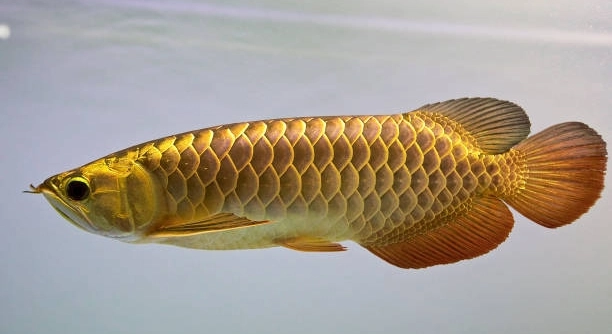
Is your arowana suddenly ignoring every type of food you offer? This can be worrying for any fish owner. Arowanas are usually hearty eaters, so a sudden loss of appetite often signals an underlying issue with health or environment.
Arowanas may refuse all food types due to stress, illness, water quality issues, or dietary imbalances. Identifying and addressing these factors promptly is essential to restore appetite and maintain the fish’s overall health and well-being.
Understanding why your arowana stops eating is important for its survival. This guide will explore common causes and practical solutions to help your fish thrive again.
Common Causes of Appetite Loss in Arowanas
Arowanas can stop eating for several reasons, and recognizing them is key to helping your fish. Poor water quality is one of the main factors. High ammonia or nitrite levels, incorrect pH, or sudden temperature changes can stress your fish, making it lose interest in food. Illnesses, such as bacterial or parasitic infections, can also reduce appetite. Injuries or physical discomfort may make your arowana hesitant to eat. Sometimes, dietary imbalances lead to selective feeding or complete refusal. Overfeeding or repeatedly offering the same food type can also cause boredom or digestive issues. Environmental stress, such as a new tank setup, aggressive tank mates, or excessive handling, can further contribute to food refusal. Monitoring behavior, water parameters, and tank conditions can help identify the problem quickly and prevent long-term health issues.
Maintaining stable water conditions and monitoring fish behavior are essential to prevent appetite loss. Small changes can make a big difference.
Addressing appetite loss involves correcting water quality, adjusting the diet, and minimizing stress. Introducing live or frozen foods gradually can stimulate interest. Isolating a sick fish can prevent the spread of disease. Regular observation and timely interventions improve recovery chances. Combining these steps ensures your arowana remains healthy, active, and feeding consistently.
Environmental Factors Affecting Feeding
Tank conditions play a major role in an arowana’s appetite. Poor lighting, overcrowding, or inappropriate decorations can make fish stressed and reduce interest in food.
Temperature fluctuations, inadequate hiding spots, and incompatible tank mates contribute to environmental stress. Arowanas prefer calm surroundings and consistent routines. Providing proper water filtration, maintaining optimal temperature, and ensuring adequate space are crucial. Even small disturbances, like frequent tapping or sudden movements near the tank, can make arowana anxious, affecting feeding behavior. Adjusting these environmental factors gradually improves comfort and encourages regular eating habits. Observing the fish daily for signs of stress, aggression, or hiding helps identify problems early. Incorporating gentle lighting schedules and minimizing disturbances reinforces a sense of security. A well-structured environment supports digestion, activity, and overall health. With careful attention, your arowana is more likely to resume normal feeding, recover from stress, and thrive in its habitat, leading to a stronger, healthier fish over time.
Health Issues That Impact Feeding
Illness can directly affect an arowana’s appetite. Bacterial infections, parasites, or internal injuries often make fish stop eating. Early detection is essential to prevent complications.
Signs of illness include lethargy, clamped fins, unusual swimming, and visible spots or sores. Stress weakens the immune system, increasing vulnerability to infections. Treating health issues promptly with appropriate medication or quarantine measures helps restore appetite. Maintaining cleanliness, monitoring water parameters, and observing behavior daily are critical steps. Nutrition support through easily digestible or live foods can assist recovery. Addressing illness early ensures your arowana remains healthy and avoids prolonged periods without food, which could further weaken it.
Some digestive problems result from overfeeding or sudden changes in diet. Arowanas may refuse food if experiencing constipation or bloating. Adjusting feeding schedules and offering softer or varied foods can help. Ensuring the diet is balanced in protein and vitamins supports overall health.
Diet and Feeding Practices
Feeding routines impact arowana appetite significantly. Irregular schedules, overfeeding, or repeated use of the same food type can lead to refusal.
Rotating foods, such as pellets, frozen fish, insects, and occasional live foods, keeps meals interesting. Gradually introducing new items encourages consumption while avoiding digestive shock. Avoid sudden diet changes, as arowanas are sensitive to unfamiliar foods. Consistency in portion size and timing improves appetite and digestion. Monitoring eating behavior helps adjust feeding strategies. Nutritional supplements can support growth and health. Offering small amounts multiple times a day mimics natural feeding patterns. Keeping track of water quality ensures food is not contaminated. Patience and observation are essential to reestablish normal feeding habits, keeping your arowana strong and active.
Stress and Its Effects on Eating
Stress can cause arowanas to stop eating quickly. Changes in environment, aggressive tank mates, or frequent disturbances increase anxiety.
Even minor stressors, like sudden movements near the tank or strong vibrations, affect appetite. Creating a calm, stable environment helps the fish feel secure and encourages regular feeding.
Water Quality Concerns
Poor water quality directly impacts an arowana’s willingness to eat. High ammonia, nitrite, or nitrate levels can cause discomfort and illness. Regular testing, partial water changes, and proper filtration maintain stable conditions. Ensuring optimal pH and temperature reduces stress. Clean, well-oxygenated water supports appetite, digestion, and overall health. Observing water clarity and removing debris prevents contamination. A consistent maintenance routine prevents sudden fluctuations that may trigger food refusal. Even minor improvements in water quality can quickly restore interest in feeding. Monitoring parameters closely allows early intervention before health issues escalate. Healthy water is the foundation for normal feeding behavior.
Tank Size and Space
Overcrowded tanks or insufficient space can make arowanas anxious. Adequate room reduces stress and promotes normal feeding habits.
FAQ
Why is my arowana refusing all types of food?
Arowanas can stop eating for several reasons, including stress, illness, poor water quality, or dietary imbalances. Sudden changes in the tank environment, aggressive tank mates, or overcrowding can also reduce appetite. Identifying the cause is crucial for restoring normal feeding behavior.
How can I tell if my arowana is sick?
Signs of illness include lethargy, clamped fins, rapid or unusual swimming, visible spots, sores, or bloating. Changes in color, frayed fins, or abnormal behavior can also indicate a problem. Observing your fish daily allows early detection and prevents serious complications.
Can water quality affect feeding?
Yes, poor water quality is one of the main reasons arowanas stop eating. High levels of ammonia, nitrite, or nitrate, incorrect pH, and sudden temperature changes create stress and discomfort. Regular testing, partial water changes, and stable conditions help maintain appetite.
What foods are best to offer a picky arowana?
Variety is key. Offering a mix of high-quality pellets, frozen or live fish, insects, and occasional treats encourages feeding. Gradually introducing new foods prevents digestive shock. Avoid overfeeding and provide small portions multiple times a day to mimic natural feeding patterns.
How does stress affect my arowana’s appetite?
Stress reduces interest in food immediately. Tank disturbances, aggressive tank mates, overcrowding, or sudden environmental changes increase anxiety. Reducing noise, minimizing movement near the tank, and providing hiding spaces help the fish feel secure and more willing to eat.
Should I isolate a sick arowana?
Yes, isolating a sick fish in a quarantine tank prevents the spread of disease and reduces stress from other fish. Isolation also allows careful observation, controlled feeding, and proper medication if needed, which improves recovery chances.
Can temperature changes cause food refusal?
Arowanas are sensitive to temperature fluctuations. Sudden drops or increases in water temperature slow metabolism and reduce appetite. Maintaining a stable temperature appropriate for the species ensures normal feeding behavior and supports overall health.
What role does tank size play in feeding?
Overcrowded or too-small tanks increase stress, limit movement, and reduce appetite. Arowanas need enough space to swim comfortably. Proper tank size, with room for hiding spots and minimal aggression from tank mates, supports consistent feeding habits.
Is overfeeding a problem for arowanas?
Yes, overfeeding can lead to digestive issues, bloating, and food refusal. Excess food can also pollute the water, reducing appetite further. Feeding small, controlled portions multiple times a day prevents these issues and keeps your arowana healthy.
How long can an arowana go without eating?
Healthy adult arowanas can survive for a few days without food, but prolonged refusal weakens immunity and slows recovery from illness. Quick intervention, proper water conditions, and suitable food are essential if the fish stops eating for more than two days.
Can supplements help encourage eating?
Nutritional supplements can support recovery if your arowana is not eating regularly. Vitamins or minerals added to the diet or soaked in food can improve appetite, boost immunity, and enhance energy levels during periods of reduced feeding.
When should I call a vet?
If your arowana refuses food for more than two to three days, shows signs of illness, or is losing weight, consult an aquatic veterinarian. Professional advice ensures proper diagnosis and treatment, increasing the chances of a full recovery.
Can changing tank decorations improve feeding?
Sometimes, yes. Rearranging decorations or adding hiding spots can reduce stress and make your arowana feel secure. Feeling safe in its environment encourages exploration and regular feeding. Sudden, extreme changes should be avoided, as they may increase anxiety.
How can I gradually reintroduce food?
Start with easy-to-digest items like small pellets or soft-frozen fish. Offer tiny amounts multiple times a day, gradually increasing portion size. Rotate food types to maintain interest. Patience and consistency help rebuild appetite and prevent refusal.
Is it normal for arowanas to be picky?
Arowanas can be selective at times, especially if stressed or adjusting to a new diet. Occasional picky behavior is normal, but complete refusal over several days signals an underlying problem that needs attention.
Can tank mates cause food refusal?
Aggressive or competitive tank mates may intimidate your arowana, preventing it from eating. Observing interactions and separating aggressive fish or providing sufficient space can help restore feeding behavior and reduce stress.
What is the best feeding schedule?
Feeding small portions two to three times a day is ideal for arowanas. Consistent timing helps regulate metabolism and appetite. Overfeeding or inconsistent schedules can cause digestive issues and reduce interest in food.
How does age affect feeding behavior?
Young arowanas usually have higher metabolisms and eat more frequently, while older fish may eat less. Adjust portion sizes and frequency according to age, size, and health condition to maintain proper nutrition and appetite.
Are live foods necessary?
Live foods can stimulate feeding, especially in picky or stressed arowanas. Offering small amounts of live fish, insects, or shrimp occasionally encourages natural hunting behavior and interest in eating. Balance with pellets and frozen foods for a complete diet.
What immediate steps should I take if my arowana stops eating?
Check water quality, observe for illness, isolate the fish if necessary, and offer a variety of soft, easy-to-digest foods. Monitor behavior closely, maintain stable conditions, and seek professional advice if the problem persists beyond two to three days.
This FAQ provides practical guidance for common feeding problems and helps address factors affecting appetite. Following these steps can restore your arowana’s interest in food and support long-term health.
Word count: 503
Final Thoughts
Managing an arowana that refuses food can be stressful, but understanding the reasons behind this behavior makes the process more manageable. Arowanas are sensitive fish, and sudden changes in their environment, water quality, or diet can easily affect their appetite. Observing your fish closely, paying attention to behavior, and keeping track of water parameters are essential steps in identifying the source of the problem. Stress, illness, and environmental factors are the main reasons arowanas stop eating, and addressing each carefully can restore normal feeding. Maintaining a stable tank environment with proper water quality, adequate space, and compatible tank mates is crucial for their comfort and long-term health. Even small adjustments, like reducing sudden movements near the tank or adding hiding spots, can make a noticeable difference.
Feeding practices also play an important role in keeping an arowana healthy. Overfeeding, inconsistent schedules, or lack of variety in food types can lead to refusal or picky behavior. Offering a balanced diet that includes high-quality pellets, frozen or live fish, insects, and occasional treats can stimulate appetite. Introducing new foods gradually helps prevent digestive upset and encourages interest. For picky or stressed arowanas, small portions offered multiple times a day work better than large meals. Supplements and easily digestible foods may also support appetite during periods of illness or stress. Observing how your fish responds to different foods allows you to adjust feeding practices effectively. Consistency in portion sizes, timing, and food types strengthens routine feeding habits and supports overall well-being.
Dealing with an arowana that refuses food requires patience and careful monitoring. Early detection of illness, prompt adjustments to water quality, and attention to environmental stressors prevent prolonged periods of food refusal and related health issues. Regular maintenance, consistent feeding schedules, and a calm, secure environment help maintain the fish’s appetite and energy levels. If the fish continues to refuse food despite these efforts, consulting an aquatic veterinarian ensures professional assessment and treatment. By combining careful observation, proper feeding, and supportive tank conditions, you can help your arowana recover its appetite, remain active, and live a healthy, balanced life. Attention to detail and small, consistent efforts make the biggest difference in supporting their long-term health and happiness.
Word count: 406

Hello,
If you enjoy the content that we create, please consider saying a "Thank You!" by leaving a tip.
Every little bit helps us continue crafting quality advice that supports the health, happiness, and well-being of pets around the world, for pets of all shapes, sizes, and species.
We really appreciate the kindness and support that you show us!