
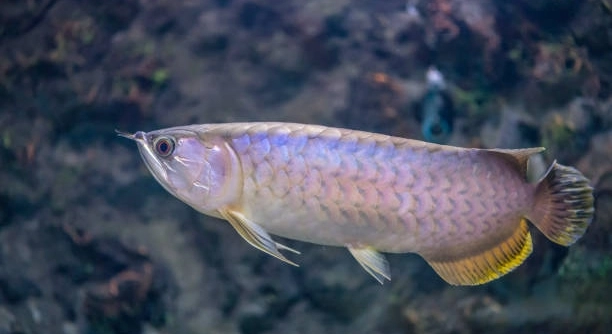
Do you ever find yourself worried about your arowana becoming aggressive in its tank? Maintaining a calm and harmonious environment is essential for the well-being of these beautiful and delicate fish. Peaceful arowanas thrive under proper care and attention.
Ensuring a peaceful arowana requires attention to tank size, water quality, diet, and social compatibility. Proper monitoring of behavior, regular maintenance, and environmental enrichment are crucial for minimizing stress and promoting a calm, stable aquatic environment.
Understanding these factors will help you create a safe and serene space for your arowana. Implementing simple strategies can make a lasting difference in its behavior.
Provide a Spacious Tank
Arowanas are large and active fish that require plenty of space to swim freely. A cramped tank can quickly lead to stress and aggression, even in otherwise calm specimens. Choosing a tank that is at least 250 liters for smaller arowanas and scaling up as they grow is essential. Adding ample vertical and horizontal swimming space allows them to express natural behavior and reduces tension. Decorations should be minimal, focusing on open areas rather than clutter, to prevent territorial disputes. Proper filtration and water circulation are also necessary, as stagnant water can increase irritability. Monitoring tank dimensions as your arowana grows ensures long-term comfort. Additionally, maintaining stable water parameters, including temperature and pH, will complement the spacious environment, creating a sense of security. Observing your arowana’s behavior daily helps you understand whether the space meets its needs or if adjustments are required. A well-planned tank fosters a calmer, healthier fish.
Providing a larger tank reduces territorial disputes and encourages natural, peaceful behavior. Swimming space is critical for stress reduction.
Open swimming areas, combined with consistent water quality, promote physical activity and mental stimulation. Overcrowding often leads to aggression, so prioritize space early. Adjustments in layout or tank size as the arowana grows ensure a lasting peaceful environment. Regular observation helps identify any behavioral changes. A roomy tank allows the fish to interact naturally with minimal stress, reducing potential conflicts with tank mates. When planning, consider future growth, as adult arowanas require significantly more space than juveniles. Proper tank planning supports both health and temperament.
Maintain Proper Water Quality
Stable water quality is fundamental to arowana health and behavior. Regular testing for ammonia, nitrites, nitrates, and pH levels prevents stress that can trigger aggression. A reliable filtration system and frequent water changes ensure a clean environment, reducing the buildup of harmful compounds. Temperature control is equally important, with most arowanas thriving between 24–28°C. Sudden fluctuations can upset their balance and lead to erratic behavior. Aeration and circulation help maintain oxygen levels, while avoiding strong currents that may exhaust the fish. Incorporating live plants or floating decorations can provide subtle hiding spots without overcrowding the tank. Establishing a consistent maintenance routine allows you to respond to minor issues before they escalate. Observing your arowana during and after water changes offers insights into its comfort level. Over time, a stable water environment promotes calmer interactions and a healthier overall condition, supporting a peaceful aquarium.
Consistently clean water prevents stress and supports calm behavior. Monitoring all parameters ensures a stable, healthy environment.
Neglecting water quality often results in disease or heightened aggression. Regular testing, scheduled water changes, and efficient filtration are critical for maintaining stability. Sudden shifts in temperature, pH, or chemical levels can make arowanas irritable or lethargic. Balanced water conditions allow them to swim freely and interact calmly with tank mates. Introducing subtle environmental enrichment, like floating plants or gentle lighting adjustments, can further reduce tension. Over time, arowanas adapt to the consistent environment, exhibiting less aggression and more natural behavior. Implementing a strict maintenance schedule and documenting readings provides a reliable approach to long-term peace in the tank. Proper water management also contributes to their physical growth and immune system health, reinforcing both tranquility and vitality.
Provide a Balanced Diet
Arowanas need a varied diet to remain healthy and calm. Feeding only one type of food can lead to aggression or nutritional deficiencies. Offer high-quality pellets, live or frozen foods, and occasional treats to satisfy their dietary needs.
A balanced diet helps regulate energy and reduces irritability. Including protein-rich options such as shrimp, insects, or small fish promotes growth and supports muscle development. Adding vegetables or algae-based foods occasionally can provide essential vitamins and minerals. Overfeeding should be avoided, as excess food can foul the water and cause health issues, leading to stress. Feeding small portions multiple times a day encourages natural hunting behavior while keeping aggression low. Maintaining a consistent feeding schedule also reinforces routine and stability, which contributes to a peaceful temperament.
Rotating different food types prevents boredom and ensures proper nutrition. Observing how your arowana responds to each food type helps identify preferences and sensitivities. Feeding should be tailored to size and activity level, with careful attention to avoid overfeeding. Healthy feeding practices not only support physical health but also influence temperament, keeping your arowana calmer in its environment. Over time, this approach minimizes stress-related behaviors, fostering a more relaxed and manageable aquarium atmosphere.
Monitor Tank Mates
Choosing compatible tank mates is crucial for maintaining peace. Aggressive or overly active species can provoke stress and conflict with arowanas.
Proper selection of tank mates involves understanding the size, temperament, and activity level of each species. Avoid small fish that may be seen as prey and large, aggressive fish that can dominate or injure the arowana. Ideal companions are robust, peaceful species that occupy different tank zones, reducing competition for space. Observing interactions after introducing new fish is essential to prevent bullying or stress. Quarantine new additions to avoid diseases that can compromise overall health. Providing hiding spots or visual barriers can help manage tension between different species. Regular monitoring allows you to adjust the tank setup or rehome incompatible fish. Maintaining balance among tank inhabitants ensures a calmer, safer environment for your arowana.
Incompatible tank mates can cause stress, injuries, or aggressive behaviors. Careful planning and observation maintain harmony. Selecting fish that share similar swimming zones or activity patterns reduces territorial disputes. Introductions should be gradual, with plenty of space for retreat. Understanding behavioral cues, such as chasing or fin nipping, helps prevent escalation. Providing separate feeding zones and occasional rearrangement of decorations can further minimize conflict. Long-term peace relies on attentive management of social dynamics. A stable, compatible group of fish supports the arowana’s well-being, promoting calm interactions and a healthy tank atmosphere.
Limit Stressful Stimuli
Arowanas are sensitive to sudden movements and loud noises. Keeping the tank in a quiet area and avoiding frequent disturbances helps reduce stress. Controlled lighting and minimal external activity contribute to a calmer environment.
Maintaining a stable routine, including feeding times and cleaning schedules, prevents unexpected changes that could startle the fish. Limiting rapid changes in water conditions, decorations, or tank layout also supports a peaceful habitat.
Maintain Proper Lighting
Consistent, moderate lighting supports natural behavior and reduces aggression. Avoid overly bright lights or sudden changes that can startle the fish, causing stress or erratic swimming patterns.
Enrich the Environment
Adding subtle environmental enrichment keeps your arowana engaged and reduces boredom. Floating plants, gentle currents, and safe hiding spaces encourage exploration without causing territorial disputes or stress.
FAQ
How often should I feed my arowana?
Feeding frequency depends on the age and size of your arowana. Juveniles should be fed two to three times daily in small portions, while adults typically need only once or twice a day. Overfeeding can cause water quality issues and stress, so stick to measured amounts.
What is the ideal tank size for a peaceful arowana?
A minimum of 250 liters is recommended for young arowanas, but adult arowanas require much larger tanks, often exceeding 600 liters. More space reduces territorial behavior, allows for swimming, and helps maintain calm interactions with tank mates.
Which tank mates are safe for arowanas?
Peaceful, robust fish that occupy different tank zones are ideal. Avoid small fish that may be eaten or aggressive species that may provoke fights. Monitor interactions carefully when introducing new tank mates to ensure harmony.
How do I maintain stable water quality?
Regular testing for ammonia, nitrites, nitrates, and pH is essential. Conduct partial water changes weekly and maintain a reliable filtration system. Keep temperature stable, ideally between 24–28°C, and avoid sudden shifts in water parameters to reduce stress.
Can lighting affect my arowana’s behavior?
Yes, lighting impacts stress levels and activity. Moderate, consistent lighting supports natural rhythms, while sudden changes or excessively bright lights can trigger erratic behavior. Using timers helps maintain a predictable light cycle for calmer fish.
What foods should I include in a balanced diet?
Offer a mix of high-quality pellets, live or frozen protein sources like shrimp or insects, and occasional vegetable matter. Rotating food types prevents nutritional deficiencies, maintains interest, and supports growth and overall health.
How do I reduce aggression in my arowana?
Providing a spacious tank, compatible tank mates, stable water conditions, and environmental enrichment all reduce aggression. Avoid overcrowding and excessive disturbances, and maintain a consistent feeding schedule to keep stress levels low.
Is it necessary to quarantine new fish?
Yes, quarantining new fish before introducing them to the main tank prevents the spread of disease and allows you to observe behavior. A 2–4 week quarantine period is typically sufficient to ensure new additions are healthy and compatible.
Can environmental enrichment really calm my arowana?
Yes, subtle enrichment like floating plants, gentle water currents, or safe hiding spots keeps your arowana mentally stimulated. Boredom can lead to aggression, so providing a variety of safe stimuli encourages natural behaviors while maintaining peace.
How do I know if my arowana is stressed?
Signs of stress include erratic swimming, hiding excessively, loss of appetite, or aggressive interactions. Monitoring behavior daily and maintaining optimal tank conditions can prevent stress from becoming a persistent issue.
What is the best way to handle my arowana safely?
Avoid handling unless necessary. If required, use soft nets or containers designed for large fish. Minimizing direct contact reduces stress, prevents injuries, and helps maintain the arowana’s calm demeanor.
How do I manage water temperature fluctuations?
Use a reliable heater and thermometer to maintain a consistent temperature. Avoid placing the tank near windows or drafts. Sudden temperature changes can cause stress, affecting appetite and increasing aggression.
How often should I clean the tank?
Partial water changes should be done weekly, with filter maintenance as needed. Regular cleaning prevents waste accumulation, keeps water quality high, and reduces irritability in arowanas. Do not remove more than 25% of water at once to avoid shocking the fish.
Can arowanas be kept alone?
Yes, many arowanas thrive alone, especially if space is limited. They are territorial, and solitary housing reduces stress from conflicts. If you add tank mates, careful selection and observation are essential to maintain peace.
How can I tell if my tank is overcrowded?
Overcrowding leads to constant chasing, fin nipping, and stress. A good rule is to consider adult size and swimming space. Each arowana requires ample room to move freely without feeling cornered or threatened.
What role does feeding routine play in behavior?
A predictable feeding schedule reduces anxiety and prevents food-related aggression. Small, frequent feedings for juveniles and consistent daily feedings for adults help maintain stability and promote calmer interactions in the tank.
How do I prevent disease in my arowana?
Maintain clean water, quarantine new fish, provide a balanced diet, and avoid overcrowding. Regular observation helps detect early signs of illness. Prompt treatment minimizes stress and preserves a peaceful environment.
Can I use decorations to reduce aggression?
Yes, but keep them minimal. Provide hiding spots and visual barriers to break sightlines between tank mates without overcrowding. Strategic placement of decorations allows retreat and reduces territorial disputes.
What is the ideal pH for arowanas?
A pH between 6.5 and 7.5 is ideal. Stability is more important than exact values, as sudden shifts can stress the fish and trigger aggressive behavior. Regular testing ensures a consistent environment.
How do I handle an aggressive arowana?
Identify stressors such as overcrowding, incompatible tank mates, poor water quality, or sudden changes. Address these issues promptly. Sometimes separating the fish temporarily or adjusting tank layout helps restore calm and reduces repeated aggressive behavior.
This FAQ covers essential topics for keeping arowanas peaceful, from diet and tank setup to behavior management and environmental enrichment, providing practical guidance for long-term care.
Word count: 518
Final Thoughts
Raising a peaceful arowana requires consistent attention to several key factors, including tank size, water quality, diet, and social interactions. These fish are naturally large and territorial, so providing ample space for swimming is crucial. A cramped environment can quickly lead to stress and aggressive behavior, which can affect both the arowana and its tank mates. Choosing a tank that accommodates growth and allows freedom of movement not only supports physical health but also promotes calmer behavior. Simple adjustments, like leaving open swimming areas and arranging minimal decorations, can make a significant difference in the fish’s comfort and reduce territorial disputes. Over time, observing the arowana’s behavior and making minor adjustments as it grows ensures a long-term peaceful environment.
Water quality is another critical factor that directly impacts your arowana’s health and temperament. Stable water conditions, including proper filtration, temperature, and pH levels, reduce stress and prevent erratic behavior. Regular testing and partial water changes are necessary to maintain a clean, stable environment. Fluctuations in water parameters can make even a normally calm arowana more irritable or lethargic. Additionally, lighting and environmental enrichment play important roles in creating a balanced and stimulating habitat. Moderate lighting, gentle water currents, and safe hiding spots help the fish feel secure, which in turn reduces anxiety and aggression. Keeping a structured routine for feeding and maintenance further reinforces stability and contributes to a calmer aquarium.
Diet, feeding routines, and tank mates also shape your arowana’s overall behavior. A varied diet that includes high-quality pellets, protein-rich live or frozen foods, and occasional plant matter ensures proper nutrition and supports natural behaviors. Overfeeding or underfeeding can lead to health issues and stress, which may increase aggression. Carefully selecting compatible tank mates and introducing them gradually reduces conflicts and creates a harmonious environment. Monitoring behavior closely helps identify potential problems early, allowing for timely interventions. By combining appropriate tank setup, stable water quality, proper nutrition, and social management, a peaceful arowana can thrive. These practices not only protect the fish’s physical health but also enhance its temperament, creating a calm and rewarding aquarium experience for years to come.
Word count: 409

Hello,
If you enjoy the content that we create, please consider saying a "Thank You!" by leaving a tip.
Every little bit helps us continue crafting quality advice that supports the health, happiness, and well-being of pets around the world, for pets of all shapes, sizes, and species.
We really appreciate the kindness and support that you show us!