
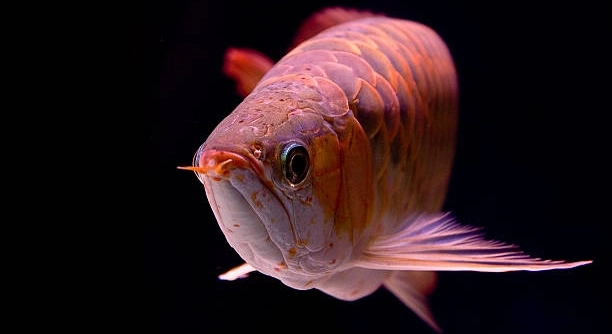
Are you considering changing your Arowana’s diet but feel unsure about how to do it safely? Transitioning a fish to new food can be stressful if not done carefully, affecting their health and appetite.
The safest method to transition an Arowana to a new diet is by gradually introducing the new food while maintaining familiar items. This allows the fish to adapt without causing digestive issues or sudden nutritional deficiencies.
Understanding proper techniques can prevent health problems and ensure your Arowana thrives during the dietary change. Following these steps will make the transition smoother and safer.
Understanding Arowana Dietary Needs
Arowanas require a balanced diet to maintain optimal health and vibrant coloration. Their natural diet consists of live prey, insects, and small aquatic animals. When considering a new diet, it is essential to account for protein levels, vitamins, and minerals to prevent nutritional deficiencies. Sudden changes can stress the fish, weaken its immune system, and lead to digestive problems. Observing your Arowana’s feeding behavior provides insight into its preferences and tolerance for new foods. High-quality commercial pellets can be incorporated, but they should mimic natural nutrition as closely as possible. Consistency in feeding times and portion control supports digestion and reduces overfeeding. Live or frozen options, such as shrimp or insects, can supplement the diet, providing variety and essential nutrients. It is also important to avoid foods that may pollute the tank or introduce pathogens. A measured, gradual approach ensures that the Arowana remains healthy, active, and visually vibrant throughout the transition.
Introducing new foods slowly minimizes stress and allows your fish to adjust without refusing meals or losing appetite.
Gradually mix small portions of the new food with the old diet, observing the fish’s acceptance. Start with 10-20% new food daily, increasing over one to two weeks. Monitor for signs of bloating or lethargy. Remove uneaten food promptly to maintain water quality. By the end of the transition, the Arowana should be fully consuming the new diet while maintaining energy levels and natural behavior. Patience and careful observation are key to success.
Step-by-Step Transition Process
Start by selecting high-quality foods appropriate for Arowanas.
Introduce the new diet in very small amounts while keeping familiar foods available. Begin by offering about 10% new food mixed with 90% of the current diet. Gradually increase the proportion of the new diet every two to three days. Continue this incremental adjustment until the fish fully accepts the new food. Ensure the food is fresh, properly sized, and easy to consume to prevent stress. Observe feeding behavior closely, removing any uneaten portions promptly to avoid water contamination. Supplement the transition with occasional live or frozen treats to encourage interest and maintain natural foraging behavior. Adjust feeding schedules to align with the Arowana’s active periods, usually early morning and late afternoon. If digestive issues arise, slow the introduction and allow the fish to acclimate. Maintaining clean water and stable tank conditions supports the fish’s health, making the dietary change smoother and reducing potential complications. By following these careful steps, the Arowana will gradually accept the new diet while preserving energy, growth, and vitality.
Monitoring Health During Diet Change
Keep a close eye on your Arowana’s behavior and physical condition during the transition. Any changes in activity, appetite, or appearance may indicate stress or digestive issues.
Observe swimming patterns, coloration, and fin condition daily. Reduced activity or pale colors can signal nutritional deficiency or discomfort. Check for bloating, unusual feces, or lethargy, as these are common indicators of digestive stress. Regular water testing is essential because poor water quality can exacerbate health problems during dietary adjustments. Adjust feeding amounts based on the fish’s response, and separate uneaten food promptly. Maintaining consistent tank conditions, such as temperature, pH, and filtration, supports digestion and minimizes stress. This careful attention allows early detection of issues and ensures your Arowana adapts smoothly to the new diet without long-term health effects.
Consistency in observation helps detect early signs of problems. Prompt adjustments prevent serious complications and support overall well-being.
Monitoring diet acceptance requires patience. Note how quickly the Arowana eats new food and whether it consistently finishes meals. Keep a feeding log if necessary, recording portions and reactions. Rotate small amounts of varied foods to maintain interest and nutritional balance. Avoid overfeeding, which can cause bloating and foul water, stressing the fish further. Providing live or frozen treats occasionally can encourage consumption while maintaining dietary diversity. Observing the fish’s behavior, digestion, and energy ensures the transition is effective and supports long-term health. Consistent monitoring is key to preventing setbacks and ensuring the Arowana remains strong and active throughout the change.
Adjusting Feeding Techniques
Offer food in ways that align with natural hunting behaviors. Feeding at consistent times and using tools like feeding tongs can encourage acceptance.
Adjusting feeding methods helps Arowanas adapt more easily to new diets. Some fish prefer sinking pellets, while others target floating food. Presenting food in small amounts encourages faster consumption and reduces waste. For live or frozen foods, use tweezers or feeding sticks to simulate natural movement. Maintain clean water by removing leftovers promptly, preventing contamination that can lead to illness. Gradually increasing the amount and frequency of the new food helps the fish build familiarity and acceptance without stress. Consistency and attention to detail in feeding methods support the Arowana’s digestive health and overall vitality, making the dietary change smoother and more effective.
Gradual Introduction of New Foods
Introduce new foods in very small portions alongside the current diet. Start with about 10% new food mixed with familiar items.
Increase the proportion of new food gradually over several days. This prevents digestive upset and allows the Arowana to adjust without stress, ensuring consistent appetite and energy levels.
Observing Behavioral Responses
Watch how the Arowana reacts to the new diet. Notice feeding speed, interest, and activity levels.
Behavioral observation provides insight into acceptance and comfort. If the fish hesitates, slow the transition and reintroduce familiar foods until it adjusts, maintaining health and reducing stress during dietary changes.
Water Quality Maintenance
Regular water changes are crucial during dietary transitions. Removing uneaten food prevents toxins and keeps the environment stable.
Maintaining optimal water conditions supports digestion and overall health. Clean, well-oxygenated water reduces stress and helps the Arowana adapt to new foods more efficiently, preventing complications related to sudden dietary changes.
Continue the article with the following outline. Bold the questions. Do not write an intro for each header, get straight to the point. Do not use a greeting. Make it feel slightly personal. Write in a simplistic style.; Outline: ; FAQ (write at least 500 words); Note: Skip the intro, get straight to the point. The rest of the headers will be provided later, so do not write them yet. Skip the conclusion, and recap. Respect the given word count for every paragraph.
Transitioning an Arowana to a new diet requires patience, observation, and careful planning. Sudden changes can stress the fish, affect digestion, and even lead to health problems. The key is to introduce new foods gradually while maintaining familiar items, ensuring the fish continues to eat consistently. By starting with small portions of new food mixed with the old diet, you allow the Arowana to adjust without discomfort. Gradually increasing the proportion of new food over one to two weeks provides the digestive system time to adapt. This approach minimizes rejection and helps the fish remain healthy and active throughout the transition. Regular monitoring of behavior, appetite, and physical condition during this period is essential to catch any signs of stress or nutritional deficiency early. Patience is critical because forcing rapid changes can lead to digestive issues, decreased appetite, or weakened immune responses.
Maintaining water quality during the dietary transition is equally important. Uneaten food can quickly pollute the tank, leading to harmful ammonia levels or other toxins that stress the fish. Regular water changes, proper filtration, and removal of leftover food help maintain a stable environment, supporting digestion and overall health. Observation of swimming patterns, coloration, and activity levels provides insight into how well the Arowana is adapting to the new diet. Any signs of lethargy, bloating, or unusual feces should be addressed immediately, as these may indicate digestive issues. Feeding small, controlled portions two to three times daily helps prevent overfeeding and allows the fish to consume the new food without wasting it. Using tools such as tongs or feeding sticks can encourage natural hunting behavior, especially when introducing frozen or prepared foods. By combining gradual introduction, careful monitoring, and proper tank maintenance, the transition can be completed smoothly without compromising the fish’s health or appetite.
Variety in the diet is important to maintain interest and ensure proper nutrition. A balanced diet that includes proteins, vitamins, and minerals promotes growth, energy, and vibrant coloration. Incorporating live or frozen treats occasionally encourages natural foraging behavior while supporting overall health. It is also helpful to rotate food types and textures over time to prevent the fish from becoming overly selective or bored. Observing individual preferences and adjusting the diet accordingly ensures that the Arowana receives all necessary nutrients. Supplements can be used if specific nutrients are missing, but they should not replace a varied and balanced diet. Long-term success depends on consistent care, observation, and patience. By following these strategies, the Arowana will adapt successfully, remain healthy, and thrive in its aquatic environment. Taking the time to plan and execute the transition carefully ensures that both the fish’s nutritional needs and well-being are fully met.

Hello,
If you enjoy the content that we create, please consider saying a "Thank You!" by leaving a tip.
Every little bit helps us continue crafting quality advice that supports the health, happiness, and well-being of pets around the world, for pets of all shapes, sizes, and species.
We really appreciate the kindness and support that you show us!