What Does It Mean When an Arowana Stops Swimming?
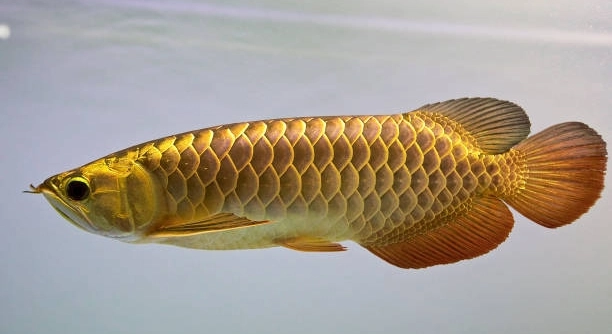
Arowanas are majestic fish, admired for their graceful movements and striking appearance. Watching them glide through the water can be calming, yet sometimes their behavior changes unexpectedly, leaving owners concerned about their health and well-being. When an arowana stops swimming, it is often a sign of stress, illness, or environmental imbalance. Common causes include poor … Read more
How to Transition Arowana to a New Diet Safely

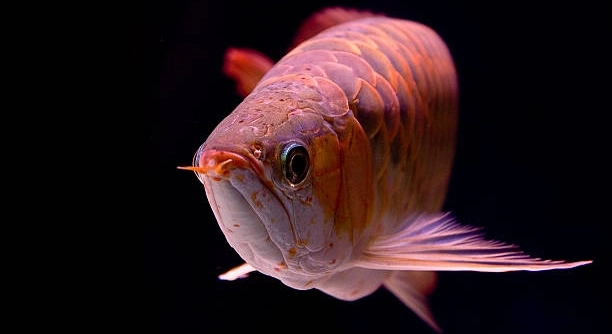
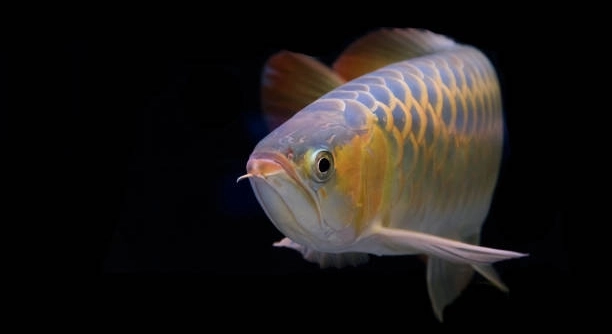
Are you considering changing your Arowana’s diet but feel unsure about how to do it safely? Transitioning a fish to new food can be stressful if not done carefully, affecting their health and appetite. The safest method to transition an Arowana to a new diet is by gradually introducing the new food while maintaining familiar … Read more

7 Foods That Can Boost Arowana Color

Arowanas are admired for their shimmering scales and vibrant colors, making them a prized addition to any aquarium. Many fish owners seek ways to enhance these natural hues through careful feeding and proper nutrition practices. Feeding arowanas with foods rich in carotenoids, vitamins, and high-quality proteins can significantly enhance their coloration. Ingredients such as krill, … Read more

7 Unusual Arowana Reactions and What They Mean

Have you ever watched your arowana move around the tank and noticed behavior that seemed unusual or out of place? These large, elegant fish can show reactions that may leave you wondering about their meaning. Arowanas display a variety of unusual reactions, such as rapid fin flicks, surface skimming, or sudden darting movements. Each behavior … Read more

Why Do Arowana Get More Aggressive at Night?

Do your arowanas seem calmer during the day but suddenly become more aggressive at night? Many fish owners notice this shift and wonder why their usually peaceful pets act so differently after dark. Arowanas often show increased aggression at night due to natural hunting instincts, limited visibility, and heightened territorial behavior. Darkness triggers their predatory … Read more

7 Steps to Take After Arowana Shows Stress Signs

Arowanas are sensitive fish that can show stress in subtle ways. Observing your pet carefully helps you notice early signs before they develop into serious health issues or behavioral problems. When an arowana shows stress signs, it is essential to adjust water conditions, monitor diet, and reduce environmental disturbances. Providing proper care, including filtration, temperature … Read more

7 Types of Tank Decorations Arowana Love

Do you ever find yourself staring at your Arowana tank, wondering how to make it more engaging for your fish? Choosing the right decorations can impact both the tank’s appearance and your fish’s well-being. Arowanas respond positively to tank decorations that mimic their natural habitat. Common choices include driftwood, rocks, aquatic plants, floating logs, substrate … Read more

Can Arowana Detect Vibration in the Floor?

Do you ever notice your arowana moving unexpectedly even when the water seems calm? These elegant fish are sensitive to changes in their surroundings and often respond to subtle cues that may go unnoticed. Arowanas are capable of detecting vibrations transmitted through the water and the floor of their environment. Their lateral line system allows … Read more

Do Arowana Like Music or Sound?

Arowanas are striking fish, admired for their elegance and size in home aquariums. Owners often focus on their environment, feeding habits, and health to ensure these fish thrive and display their natural beauty fully. Research indicates that arowanas do respond to sound, particularly low-frequency vibrations. While they do not enjoy music in the human sense, … Read more

Why Does My Arowana Swim Straight Into Objects?

Do you ever notice your arowana swimming straight into the glass or decorations in its tank? This behavior can be puzzling and concerning for many aquarium enthusiasts who want their fish to thrive and stay safe. Arowanas may swim into objects due to poor vision, reflections, or stress. Environmental factors, such as tank size, water … Read more