
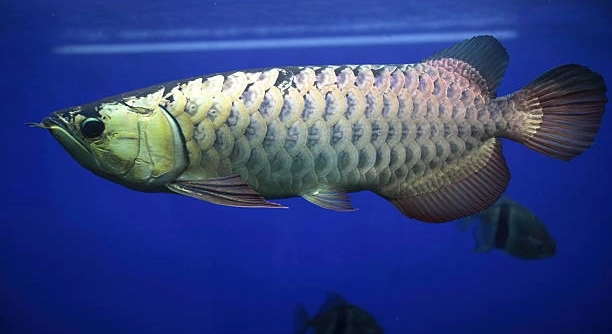
Arowanas are striking fish, admired for their elegance and size in home aquariums. Owners often focus on their environment, feeding habits, and health to ensure these fish thrive and display their natural beauty fully.
Research indicates that arowanas do respond to sound, particularly low-frequency vibrations. While they do not enjoy music in the human sense, certain auditory stimuli can reduce stress and encourage more active swimming behaviors in these fish.
Learning how sound affects arowanas can help improve their care and create a more harmonious aquarium environment for these majestic fish.
How Arowanas Respond to Sound
Arowanas are highly sensitive to their surroundings, and sound plays a subtle but noticeable role in their behavior. They primarily detect vibrations through their lateral line system, which runs along the sides of their body. This system allows them to sense changes in water pressure and motion. In aquariums, sudden loud noises or frequent tapping on the glass can cause stress, leading to hiding, decreased appetite, or erratic swimming. On the other hand, gentle and consistent low-frequency sounds may have a calming effect, promoting more natural movement. Many owners have observed that arowanas tend to respond to background music, particularly softer instrumental tracks, though the response is not uniform. Individual temperament, tank size, and water conditions also influence their reactions. By understanding how these fish perceive sound, owners can create an environment that minimizes stress and encourages healthy behavior patterns while respecting the arowana’s natural instincts.
Arowanas react differently depending on sound intensity. Sudden loud noises often trigger stress, while soft, consistent sounds can be calming and reassuring.
Observing your arowana over time helps identify which types of sounds encourage active swimming and curiosity. For instance, gentle ambient sounds may stimulate exploration near the tank’s surface. In contrast, sharp or repetitive noise can make them retreat to corners or reduce movement. Tank placement also matters; a tank near heavy foot traffic or household appliances may expose fish to unnecessary stress. Adjusting the environment, using background noise wisely, and monitoring your arowana’s reactions ensures they remain comfortable and exhibit natural behaviors, enhancing both their health and the visual enjoyment of your aquarium.
Tips for Using Sound in Arowana Care
Soft, low-frequency sounds can create a calming atmosphere for arowanas.
Introducing sound carefully is important. Start with gentle instrumental music or consistent ambient noise, avoiding sudden volume changes. Observe how your arowana reacts over several days. Some fish may show curiosity by swimming closer to the source, while others may prefer staying at a distance. It is important to adjust the sound environment gradually to avoid stress. Additionally, pairing a calm auditory environment with stable water conditions—proper filtration, temperature, and cleanliness—enhances overall well-being. Many owners notice improved appetite and more natural swimming patterns when the environment is consistent and quiet. Remember that sound is only one part of their care, and attentive observation is essential. Over time, you will learn which auditory cues support your arowana’s comfort and activity, helping them thrive in a controlled tank setting.
Common Sounds That Affect Arowanas
Household noises like television, vacuum cleaners, and music can influence arowanas. Sudden loud sounds often startle them, while soft and steady sounds may create a calmer tank environment, promoting more natural swimming and activity levels.
Arowanas detect vibrations through their lateral line system, making them especially sensitive to sound changes. Consistent low-frequency sounds, such as soft instrumental music or gentle water movement, can have a soothing effect. Conversely, erratic or high-volume noises can trigger stress responses, leading to hiding, reduced feeding, or restless swimming. Tank placement matters as well, as positioning near frequent household activity may expose fish to constant stressors. Observing reactions helps identify which sounds are tolerated or preferred.
Sound can also indirectly affect behavior by influencing tank conditions. For example, vibrations from appliances may disturb water surface patterns, impacting oxygen circulation. Some arowanas may respond by avoiding certain areas, altering normal feeding or swimming habits. Monitoring their daily routines allows you to adjust noise exposure and maintain a stable, healthy environment.
How to Introduce Music or Sounds Safely
Gradually introducing sound helps prevent stress. Start with soft, low-frequency music or ambient noise at a low volume.
Begin by playing sound for short periods each day, then gradually increase duration if the fish shows comfort. Watch for behavioral cues such as relaxed swimming, exploration, or feeding activity. Avoid sudden volume changes, loud rhythms, or repetitive tapping, as these can trigger fear responses. Combining this with stable water conditions ensures your arowana remains healthy and less anxious. Consistent observation is key to adapting sound exposure to each individual fish’s preferences.
Careful monitoring helps fine-tune the auditory environment. Some arowanas may respond positively to certain types of instrumental music, gentle flowing water sounds, or soft household background noise. Others may prefer near silence, showing stress when sound is present. Understanding these differences requires patience and attention to subtle behavioral changes. By introducing sound gradually, observing reactions, and adjusting accordingly, you can create a comfortable environment that encourages natural activity. This approach improves feeding patterns, reduces hiding, and supports overall well-being. Over time, the tank can become a balanced space where auditory stimuli enhance rather than disrupt your arowana’s life.
Benefits of Controlled Sound
Controlled sound can improve arowanas’ comfort and reduce stress. Soft, consistent background noise helps them feel more secure and encourages natural swimming patterns throughout the tank.
A calm auditory environment may also support better feeding behavior. Fish exposed to gentle sounds often explore more and are less likely to hide.
Sounds to Avoid
Sudden loud noises, tapping on the tank, and high-pitched sounds can alarm arowanas. These disturbances can cause erratic swimming, hiding, and reduced appetite, disrupting their daily routine and overall health.
Observing Your Arowana’s Reactions
Pay attention to your arowana’s behavior during and after sound exposure. Signs like relaxed swimming and regular feeding indicate comfort, while hiding or restlessness shows stress. Adjust the environment accordingly to maintain their well-being.
FAQ
Do arowanas enjoy music like humans do?
Arowanas do not perceive music the same way humans do. They cannot recognize melodies, lyrics, or rhythm in a meaningful way. Their response is based on vibrations in the water. Soft, consistent sounds may create a calming effect, while loud or erratic noise can cause stress and avoidance.
Can different types of music affect arowanas differently?
Yes. Instrumental or ambient sounds tend to be less intrusive and may encourage more natural swimming and exploration. Harsh, high-pitched, or bass-heavy music can create vibrations that startle them. Observing your fish’s reactions is key to determining what works best for their environment.
Is it safe to play music constantly for arowanas?
Continuous loud sound is not recommended. Even low-volume music should be introduced gradually and limited in duration. Extended exposure can cause stress, reduce appetite, and alter swimming behavior. Short periods of gentle sound are safer and more effective for promoting calmness.
How can I tell if my arowana likes the sound?
Signs of comfort include active swimming, approaching the sound source, and regular feeding. If the fish hides, freezes, or swims erratically, it is likely stressed. Monitoring behavior daily helps identify which sounds are tolerated and which should be avoided.
Does tank size influence how arowana reacts to sound?
Yes. Larger tanks allow vibrations to dissipate more evenly, reducing stress. Smaller tanks concentrate sound waves, which may be more startling. Positioning the tank away from household activity and using stable tank equipment also helps maintain a calm environment.
Will using speakers near the tank harm the fish?
Speakers themselves are generally safe if placed at a reasonable distance. The main concern is the intensity of vibrations transmitted through water. Keeping volume low and consistent minimizes stress and avoids negatively affecting the fish’s behavior and health.
Can sound affect arowana feeding habits?
Yes. Arowanas under stress from sudden or loud noises may eat less or become picky. Calm, consistent sound may encourage them to explore and feed normally. Observing feeding patterns alongside sound exposure helps ensure a healthy diet and reduces unnecessary stress.
Are all arowanas affected by sound the same way?
No. Individual temperament plays a major role. Some fish tolerate low-level noise well, while others are more sensitive. Factors like age, tank environment, and past experiences also influence reactions. Gradual introduction of sound and careful observation allows for adjustments tailored to each fish.
Can vibrations from household appliances disturb arowanas?
Yes. Washing machines, vacuum cleaners, and fans create vibrations that travel through floors and water. These can startle fish, alter swimming patterns, or cause temporary hiding. Minimizing exposure by placing tanks away from frequent appliance use helps maintain a calmer environment.
How should I introduce sound to a new arowana?
Start slowly with gentle, low-frequency sound for short periods each day. Observe their reactions carefully. Gradually increase duration if the fish remains calm. Consistent water conditions and proper tank setup are essential during this process to avoid compounding stress factors.
Does sound influence breeding or aggression?
While sound is not a direct trigger for breeding, stressful noise may interfere with courtship behaviors. Aggression can also increase if arowanas feel threatened by vibrations. Maintaining a calm, stable environment reduces stress-induced behavioral issues.
Are recordings of natural water sounds beneficial?
Yes. Gentle recordings of flowing water or rain can mimic natural aquatic environments and encourage exploration and calmness. These sounds are typically low-frequency and less likely to startle arowanas, supporting a peaceful tank atmosphere.
What should I do if my arowana reacts negatively to sound?
Immediately reduce volume or stop the sound. Observe the fish for stress signs like hiding or erratic swimming. Adjust placement of speakers or the tank environment. Over time, gradual reintroduction of gentle sounds may be possible if done carefully.
Can sound replace other forms of enrichment?
No. Sound can complement but not replace environmental enrichment such as hiding spots, proper lighting, and a balanced diet. Providing a well-rounded environment ensures physical and mental health, while sound adds a minor supportive role rather than being the primary stimulus.
How often should sound be used in an arowana tank?
Moderate use is best, such as short periods daily or a few times a week. Constant exposure can lead to stress and disrupt normal routines. Observing behavior over time helps establish the optimal schedule tailored to your fish’s comfort and activity level.
Final Thoughts
Arowanas are sensitive and intelligent fish that respond to their environment in subtle ways. Sound is one factor that can influence their behavior, though it does not affect them in the same way it does humans. While they cannot appreciate music or melodies, vibrations in the water caused by sound can be noticed and reacted to. Gentle, consistent sounds, such as soft instrumental music or low-frequency ambient noise, may create a calming atmosphere. Loud, sudden, or high-pitched noises, on the other hand, can startle arowanas and lead to stress or hiding. Observing how your arowana reacts to various sounds can help you understand what is comfortable for them. Over time, paying attention to these cues allows you to create a stable and supportive tank environment that promotes natural swimming and feeding behaviors.
Introducing sound to an arowana’s tank should be done carefully. Gradual exposure is key, starting with low-volume, short periods, and observing the fish’s reactions. If your arowana swims calmly, explores the tank, and maintains normal feeding habits, the sound is likely well-tolerated. If hiding, erratic movement, or a decrease in appetite occurs, it is a sign that the noise is stressful. Tank placement also matters; tanks located near household activity or loud appliances may experience more vibrations, affecting the fish’s comfort. Arowanas may respond differently depending on their age, temperament, and individual sensitivity, so there is no universal approach. Experimenting carefully while maintaining stable water conditions, proper lighting, and appropriate feeding routines ensures that your fish remain healthy while testing how they respond to sound.
Ultimately, sound is only one part of caring for an arowana. While it can be a supportive factor in promoting calmness, it should not replace other essential aspects of care. Providing a clean tank, sufficient space, proper diet, and enrichment items like hiding spots or decorations is far more important for their overall well-being. Using sound thoughtfully can enhance arowanas’ comfort, but attention to their behavior and environment remains the primary responsibility of the caretaker. Over time, understanding how sound impacts your fish allows you to fine-tune the environment to suit their needs. The goal is to maintain a balanced and stress-free space where your arowana can swim naturally, feed regularly, and display its characteristic elegance, benefiting both the fish and the satisfaction of keeping them.

Hello,
If you enjoy the content that we create, please consider saying a "Thank You!" by leaving a tip.
Every little bit helps us continue crafting quality advice that supports the health, happiness, and well-being of pets around the world, for pets of all shapes, sizes, and species.
We really appreciate the kindness and support that you show us!