
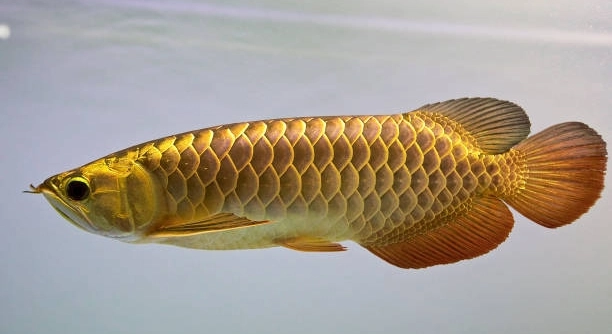
Do you ever notice your arowana moving unexpectedly even when the water seems calm? These elegant fish are sensitive to changes in their surroundings and often respond to subtle cues that may go unnoticed.
Arowanas are capable of detecting vibrations transmitted through the water and the floor of their environment. Their lateral line system allows them to sense pressure changes, helping them react to potential threats, prey, or environmental disturbances with precision.
Understanding how vibrations affect your arowana can improve tank placement and care. Paying attention to these factors supports their well-being and enhances their natural behaviors in a home aquarium.
How Arowanas Sense Vibrations
Arowanas have a highly developed lateral line system that runs along their sides. This system allows them to detect tiny pressure changes in the water, which often come from movements on the floor or nearby surfaces. Even small vibrations, such as footsteps or furniture shifting, can be picked up by their sensitive nerves. In my own experience keeping an arowana, I noticed that the fish would react instantly when someone walked across the room. The reaction isn’t aggressive but more like alertness—its fins slightly flare, and it glides closer to the source of the vibration. This ability is a survival mechanism in the wild, where detecting nearby movement could mean the difference between catching prey or avoiding predators. Understanding this sensitivity helps in arranging tanks away from heavy foot traffic or loud appliances. It also explains why some arowanas appear skittish in new environments until they adapt to constant background vibrations.
Arowanas can sense vibrations even through solid surfaces, which influences their behavior. They often react subtly to distant movements.
Observing your arowana respond to vibrations provides insight into its environment and stress levels. If your tank sits on a shaky floor or near appliances that cause constant vibration, the fish may show signs of nervousness or reduced activity. Adjusting tank placement to a stable surface can improve comfort and health. It is also useful to note that vibrations can sometimes trigger feeding responses, as movement may mimic struggling prey. Keeping a consistent and calm environment reduces unnecessary stress, helping the arowana maintain natural behavior patterns. Paying attention to these factors allows owners to create an environment that feels safe for the fish, encouraging activity, growth, and proper interaction with its surroundings. Proper care involves not just water quality but also considering how physical vibrations affect their daily life.
Practical Tips for Managing Vibrations
Positioning the tank on a solid, low-traffic floor reduces stress for the arowana. Avoid placing it near doors or appliances that create consistent shaking.
Using anti-vibration pads under the tank and keeping heavy activity away from the immediate area helps maintain a calm habitat. Arowanas are sensitive, and even minor vibrations can disturb their swimming patterns or feeding behavior. I’ve noticed that when the tank is placed on a sturdy wooden stand with rubber padding, my arowana remains calm and explores more confidently. Consistent environmental conditions allow the fish to adapt and establish routines without sudden interruptions. Monitoring its responses over time ensures that changes in tank placement or nearby activity do not negatively impact its health or behavior. Vibrations aren’t harmful in small amounts, but managing them thoughtfully supports a more stable and comfortable setting for these large, delicate fish.
Signs Your Arowana Reacts to Vibrations
Arowanas often show small, quick movements when vibrations occur. They may twitch their fins, shift position, or swim closer to the source. These responses are subtle but consistent, signaling their awareness of changes in their environment.
I noticed that when someone walked near my tank, my arowana’s body would ripple slightly, and its tail fin would twitch. These reactions are not aggressive but show alertness. Over time, I realized the fish could distinguish between strong vibrations, like moving furniture, and minor ones, like footsteps across the room. This sensitivity affects feeding habits too—sometimes it pauses, watching the movement before returning to normal behavior. Understanding these cues can improve tank placement and daily care routines, ensuring the arowana feels safe and stress-free.
Watching these reactions closely helps in adjusting the tank environment. Changes in vibration frequency or intensity can alter swimming patterns and stress levels. Observing your arowana over time allows you to recognize normal responses versus signs of anxiety. Sometimes the fish will hide in corners or stay near the bottom if vibrations are frequent, indicating discomfort. By noting these behaviors, you can reduce unnecessary stressors and provide a more stable habitat. Consistent observation also helps identify whether changes in diet, lighting, or activity in the room influence its reactions to floor vibrations.
How to Reduce Unwanted Vibrations
Tank placement on a solid, steady surface minimizes disturbances. Avoid high-traffic areas and surfaces prone to shaking or bouncing.
I placed my tank on a reinforced stand with rubber padding beneath it. This setup absorbs minor vibrations, reducing stress for my arowana. Heavy furniture or appliances nearby can still transmit subtle shakes, so I keep movement in the room minimal during feeding and resting times. Even routine cleaning should be done carefully to avoid sudden shocks. This approach not only keeps the fish calmer but also encourages more natural swimming and feeding patterns. Over weeks, I noticed my arowana became more active and exploratory, indicating it feels secure. Paying attention to floor stability, weight distribution, and surrounding activity makes a tangible difference in its daily behavior.
Common Sources of Vibrations
Footsteps near the tank, closing doors, or moving furniture can create noticeable vibrations. Even small appliances running nearby, like washing machines or heaters, may cause subtle movement in the water.
In my experience, vacuuming close to the tank made my arowana pause and hover mid-water. These small disturbances are enough to trigger alert behaviors, showing just how sensitive they are to floor and water vibrations.
Observing Behavior Changes
Arowanas may react by swimming nervously, hiding, or pausing in mid-motion when vibrations are detected. Over time, repeated disturbances can make them more cautious. Monitoring these behavioral changes is essential for maintaining a calm and stable environment.
Tools to Minimize Impact
Using anti-vibration mats, placing the tank away from high-traffic areas, and maintaining steady routines can significantly reduce the effects of floor vibrations on arowanas.
FAQ
Can arowanas feel vibrations from other rooms?
Yes, arowanas can sense vibrations that travel through the floor from nearby rooms. Their lateral line system detects pressure changes in the water, and solid surfaces transmit vibrations that the fish can notice. In my own experience, I’ve seen my arowana react to heavy footsteps or furniture movement even when I was across the house. The reaction is usually a subtle twitch or a pause in swimming, showing the fish is aware of the change without being overly stressed.
Do all arowanas react the same way to vibrations?
No, individual arowanas can react differently depending on personality, age, and prior exposure to vibrations. Some fish are more cautious and will retreat or freeze at the slightest movement, while others may simply investigate or ignore minor disturbances. I’ve had one arowana that remained calm during cleaning routines, while another would hover near the surface whenever I walked nearby. Recognizing your fish’s behavior patterns helps in adjusting tank placement and daily interactions to reduce unnecessary stress.
Can vibrations stress my arowana?
Repeated or strong vibrations can cause stress, which affects swimming, feeding, and overall health. I noticed that my arowana became less active when the tank was on a shaky surface during renovation work. Symptoms include hiding in corners, refusing food, or staying near the bottom for long periods. Stress isn’t immediately dangerous, but chronic exposure can weaken the immune system. Using anti-vibration pads and keeping the tank in a low-traffic area can help maintain a calm environment.
Will vibrations affect feeding behavior?
Yes, vibrations can temporarily interrupt feeding. My arowana often pauses or hesitates when it detects movement before resuming eating. Some fish might even swim away if the vibration is sudden or strong. Keeping feeding routines consistent and ensuring the area around the tank is calm helps reduce interruptions. Minor vibrations are usually tolerated, but major disturbances can discourage normal eating patterns.
Do vibrations make arowanas more alert to potential threats?
Arowanas naturally use their lateral line system to detect movement as a survival mechanism. Vibrations often trigger alert behaviors, like fin flaring, head movements, or repositioning. I observed that when someone moved a chair near the tank, my arowana carefully followed the movement with its eyes and adjusted its position, showing heightened awareness. This behavior is normal and indicates that the fish is responsive to environmental changes.
Can vibrations harm the tank structure or equipment?
Indirectly, yes. Continuous heavy vibrations can stress both the fish and equipment over time. I noticed minor leaks in the past when a tank was placed on a weak surface that transmitted strong vibrations from the floor. Ensuring the tank is on a stable stand and using anti-vibration padding not only protects the arowana but also prevents damage to filters, heaters, and decorations.
How can I test if my arowana feels vibrations?
You can observe responses during controlled movements near the tank, such as gentle tapping on the floor or walking slowly nearby. My fish reacted immediately to these small disturbances by pausing or subtly adjusting its fins. Testing in a calm, consistent environment allows you to understand sensitivity levels without causing stress. Watching reactions over multiple sessions gives a clear picture of how much vibration the arowana can detect and tolerate.
Are vibrations more noticeable in certain tank setups?
Yes, tanks on thin floors, glass stands, or elevated surfaces tend to transmit more vibrations. I had better results placing my tank on a sturdy wooden stand with rubber padding, which absorbed minor floor movements. Heavy furniture or appliances near the tank also contribute to increased vibration sensitivity. Proper placement reduces stress and ensures the fish can swim naturally without constant interruptions.
Do vibrations affect multiple fish in a shared tank?
Yes, vibrations can influence all inhabitants, but responses vary by species and temperament. In a tank with multiple arowanas or other fish, some may react immediately while others stay calm. I noticed that my arowana would alert others, causing subtle movement shifts among tank mates. Observing the group together helps determine how vibrations influence overall behavior and whether adjustments are needed.
What long-term effects do constant vibrations have on arowanas?
Constant vibrations can lead to chronic stress, lower immunity, and disrupted natural behaviors. In my experience, arowanas exposed to frequent floor movement became more skittish and less willing to explore. By reducing vibrations with proper tank placement and padding, activity levels returned to normal, feeding patterns improved, and overall well-being stabilized. Consistent observation ensures that interventions are timely and effective.
This FAQ provides practical insight into how arowanas detect and respond to vibrations, highlighting ways to manage their environment for healthier, calmer behavior.
Final Thoughts
Arowanas are fascinating fish, not just because of their size or beauty, but because of their sensitivity to the world around them. One of the most interesting aspects of keeping them is noticing how they respond to vibrations. They have a highly developed lateral line system that allows them to detect even subtle pressure changes in water and through the floor. This means that something as simple as someone walking nearby or moving furniture can catch their attention. Observing these reactions over time helps you understand your arowana’s personality and comfort level in its tank. In my experience, learning how to recognize the subtle signs of alertness or nervousness in my fish made me more attentive to its environment. It taught me that caring for an arowana goes beyond feeding and water quality—it’s also about creating a calm and stable space.
Managing vibrations isn’t complicated, but it requires thought and attention to detail. Placement of the tank is one of the most important steps. A tank on a solid, low-traffic surface will reduce disturbances from footsteps or nearby appliances. Using anti-vibration pads under the tank or on the stand can help absorb small shocks and keep the water movement minimal. I found that small adjustments, like moving a vacuuming routine to a different room or keeping doors closed, made a noticeable difference in how calm my arowana appeared. Even minor vibrations can cause the fish to pause or become alert, and over time, constant exposure could lead to stress. By creating a quieter and more stable environment, the arowana swims more naturally, explores more confidently, and feeds without hesitation. Understanding these details ensures that the fish remains healthy, comfortable, and able to display natural behavior patterns.
Observing an arowana’s response to vibrations also helps in understanding its overall well-being. Subtle cues, like a twitch of the fins, pausing mid-swim, or staying near the bottom, indicate awareness of the surroundings. These reactions are natural and should be expected, but repeated or strong vibrations can negatively affect behavior and health. In my experience, keeping an eye on these reactions allowed me to make small adjustments that improved the fish’s daily life. Paying attention to the environment, from tank placement to surrounding activity, is an important part of responsible care. By minimizing unnecessary disturbances, arowanas feel safer, remain active, and thrive in their tank. Creating a stable and calm space is just as important as water quality or feeding routines, and it can have a lasting positive impact on their overall health and behavior. Observing and responding to these needs helps build a habitat where the fish can live comfortably and display its natural elegance every day.

Hello,
If you enjoy the content that we create, please consider saying a "Thank You!" by leaving a tip.
Every little bit helps us continue crafting quality advice that supports the health, happiness, and well-being of pets around the world, for pets of all shapes, sizes, and species.
We really appreciate the kindness and support that you show us!