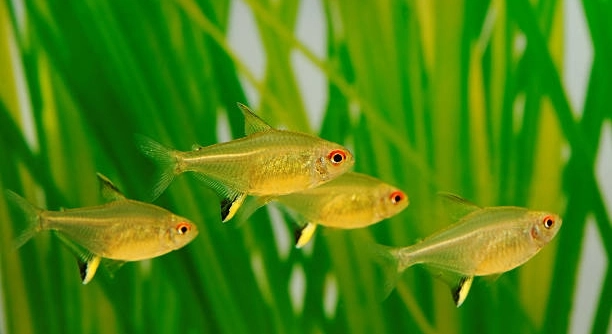
How to Set Up a Quarantine Tank for Lemon Tetra
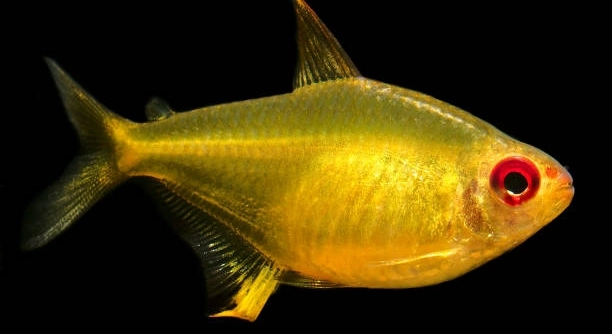
Have you ever needed to separate a Lemon Tetra to keep it healthy and safe during treatment, yet felt unsure about creating the right setup for a temporary tank at home that truly supports recovery. Setting up a quarantine tank for a Lemon Tetra requires controlled water conditions, gentle filtration, and strict isolation. This environment … Read more
7 Reasons Your Lemon Tetra Keeps Hiding (+Fixes)

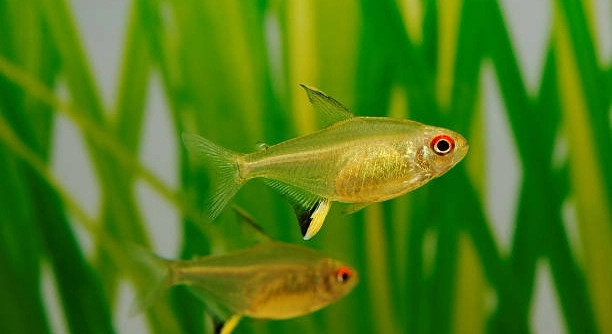
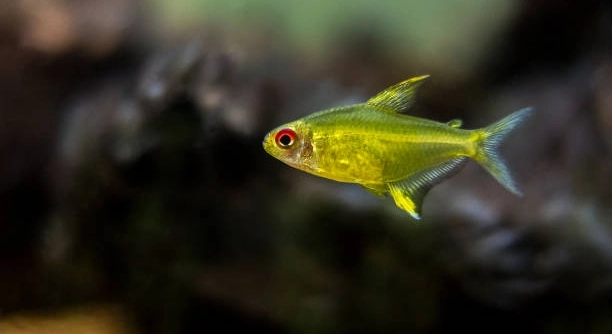
Are your lemon tetras spending more time hiding than swimming? Many aquarists notice their fish retreating behind plants or decorations. Understanding why this behavior occurs can help create a healthier, more comfortable environment for your aquarium pets. Lemon tetras hide due to stress, poor water conditions, or lack of proper hiding spaces. Addressing these factors … Read more

7 Sounds That Might Scare Lemon Tetra

Lemon Tetras are small, colorful fish that bring life to any freshwater aquarium. They are generally peaceful, but certain noises in their environment can startle or stress them, affecting their behavior and overall well-being. Lemon Tetras are sensitive to sudden or loud sounds, such as tapping on the glass, clattering equipment, or nearby vibrations. These … Read more

7 Quiet Tank Additions That Help Lemon Tetra Relax

Lemon tetras are small, lively fish that thrive in calm, well-organized aquariums. Their bright color and active swimming patterns make them delightful to watch. Yet, without the right environment, they can become stressed and unsettled in their tank. Adding quiet tank mates that do not compete for food or territory can significantly reduce stress in … Read more

How Do Lemon Tetra React to Temperature Swings?

Have you ever noticed your lemon tetras acting strangely after a sudden change in tank temperature? These small, colorful fish are sensitive, and even minor swings in warmth can affect their behavior and overall well-being. Lemon tetras exhibit stress responses when exposed to rapid temperature changes. Such fluctuations can cause erratic swimming, loss of appetite, … Read more

Why Are Lemon Tetra Sensitive to Tank Vibration?

Lemon tetras are small, peaceful fish often kept in home aquariums. They are known for their bright yellow color and active swimming patterns, making them a popular choice for fish enthusiasts and beginners alike. Lemon tetras are sensitive to tank vibration because their lateral line system detects movement in the water. Excessive vibrations cause stress … Read more

Do Lemon Tetra Like a Busy Tank?

Do you ever notice your Lemon Tetra swimming in different areas of the tank and wonder how they feel in a crowded environment? These small, colorful fish are lively and sensitive to their surroundings, making tank conditions important. Lemon Tetras generally tolerate moderately busy tanks but thrive best in calm, well-planted environments. Overcrowding or excessive … Read more

Can Lemon Tetra Be Kept Without a Heater?

Lemon tetras are small, colorful fish that brighten any aquarium with their yellow hues. Many hobbyists enjoy keeping them in community tanks, appreciating their peaceful nature and active swimming patterns throughout the water. Lemon tetras can survive without a heater if the room temperature remains stable between 72°F and 78°F. Maintaining consistent conditions, avoiding sudden … Read more

Can Lemon Tetra Get Bored of Their Tank Setup?

Lemon tetras are small, vibrant fish that brighten any freshwater tank. They are active swimmers, constantly exploring their surroundings. Observing their behavior can reveal how they interact with decorations, plants, and open spaces in the tank environment. Lemon tetras do not experience boredom in the human sense, but they respond to changes in their environment. … Read more

7 Things Lemon Tetra Instinctively Avoid

Lemon tetras are small, vibrant fish that bring life to any aquarium. They are active and social, often swimming in groups and exploring their surroundings with curious yet cautious behavior. Observing them can be rewarding for any hobbyist. Lemon tetras instinctively avoid areas with strong currents, sudden changes in lighting, aggressive tank mates, unfamiliar objects, … Read more