
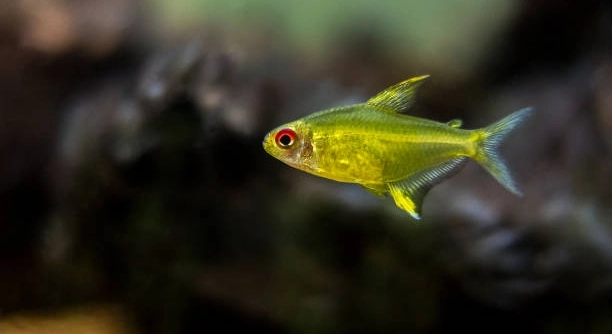
Lemon Tetras are small, colorful fish that bring life to any freshwater aquarium. They are generally peaceful, but certain noises in their environment can startle or stress them, affecting their behavior and overall well-being.
Lemon Tetras are sensitive to sudden or loud sounds, such as tapping on the glass, clattering equipment, or nearby vibrations. These noises can trigger stress responses, alter swimming patterns, and negatively impact their health and comfort in the tank.
Knowing which sounds might scare them helps create a calmer, safer environment for your fish to thrive and maintain healthy, natural behaviors.
Loud Bangs or Knocks
Lemon Tetras are easily startled by sudden loud noises. A door slamming, a dropped object near the tank, or heavy footsteps can make them dart or hide. Even if these sounds happen only occasionally, the fish can experience stress, which affects their swimming and eating habits. Over time, repeated disturbances can weaken their immune system and make them more vulnerable to illness. Their small size and natural instincts make them particularly reactive, so it is important to minimize these sounds in the room where they are kept. Using rugs or padding can help absorb some of the impact of dropped items, and keeping the tank away from high-traffic areas can reduce stress. Watching your tetras closely after such noises will show you how sensitive they are and help you adjust the tank’s environment accordingly.
Lemon Tetras respond strongly to sudden loud noises, often hiding or swimming erratically, showing clear signs of stress from environmental disturbances.
Managing noise in the tank area helps your fish feel safe. Regular observation ensures their health and calm behavior, promoting a stable tank environment for long-term care.
Clattering Tank Equipment
Tank equipment that rattles or vibrates can unsettle Lemon Tetras. Filters, air pumps, or loose decorations create constant low-level noise that fish notice. Even minor vibrations affect their comfort and may lead to hiding or erratic swimming. Consistent noise can cause long-term stress.
Ensuring all equipment is securely attached and operating quietly is essential. Rubber mats or foam pads under pumps and filters can absorb vibrations. Checking the tank setup regularly prevents loose objects from causing sudden clattering sounds.
Keeping equipment stable improves fish behavior. Stress-free environments encourage normal feeding and swimming habits. If your tetras are active and not hiding, the tank setup is likely quiet enough. Quiet operation reduces stress and prevents aggressive or fearful behaviors. Regular maintenance ensures pumps and filters remain steady. By limiting vibrations, the tank feels more natural, helping your Lemon Tetras remain healthy and comfortable while they explore their aquarium space. Watching reactions to new equipment will show if adjustments are needed.
Sudden Light Changes
Lemon Tetras are sensitive to abrupt changes in lighting. Flashes from cameras, turning lights on or off quickly, or sunlight reflecting suddenly on the tank can startle them, causing quick, erratic movements. Consistent lighting helps them feel secure and calm.
Rapid lighting changes disrupt their daily rhythm. Tetras rely on gradual transitions to know when to rest or feed. Sudden bright lights can trigger stress responses, making them hide or swim frantically. Over time, frequent exposure to these flashes can weaken their immune system and reduce appetite. Using timers for aquarium lights or ensuring shades block sudden sunlight helps maintain a stable environment, allowing the tetras to swim naturally without fear. Observing their behavior during lighting changes helps identify potential stress triggers.
Controlling the intensity and timing of light creates a predictable environment for Lemon Tetras. Gradual shifts between light and dark periods support normal activity and feeding habits. Avoid placing the tank near windows with direct sunlight that changes sharply throughout the day. Soft, consistent lighting reduces fear and allows tetras to interact calmly with each other. This stability helps them display natural behaviors, improving both their health and the overall balance of the aquarium. Proper lighting management can prevent chronic stress that might otherwise affect growth and longevity.
Loud Conversations or Shouting
Lemon Tetras can be startled by voices raised nearby. Shouting, laughter, or even animated conversation close to the tank may trigger hiding or darting responses. Calm noise levels help maintain a peaceful environment.
Frequent loud sounds can interfere with feeding and swimming routines. Even moderate voices may be interpreted as potential threats, making tetras retreat to corners or under decorations. Over time, repeated disturbances may reduce their overall activity and affect social interactions within the school. Quiet spaces around the aquarium allow them to move freely, explore, and feed without stress. Observing reactions during different noise levels helps identify what sounds are most disruptive.
Maintaining a calm atmosphere near the tank supports consistent behavior. Fish thrive when unexpected loud sounds are minimized. Consistent quiet periods prevent chronic stress, encouraging natural schooling and interaction. If conversations must occur, keeping distance from the tank or using soft tones reduces startling responses. A stable sound environment ensures tetras feed normally and display regular swimming patterns. Gradual exposure to minor noise may help them adjust, but sudden loud sounds should always be avoided to protect their health and comfort.
Vacuuming or Water Changes
Lemon Tetras are often frightened by the noise of vacuums or water changes. The sound and movement of equipment in the tank can cause them to dart or hide, showing signs of stress.
Even gentle siphoning can make them nervous if done suddenly. Moving slowly and keeping equipment quiet helps them stay calm.
Dropped Objects Near the Tank
Objects falling near the aquarium produce loud sounds that easily startle Lemon Tetras. These noises make them swim erratically and can disrupt their feeding patterns, leaving them anxious for extended periods. Consistent care and avoiding clumsy handling near the tank reduces stress.
Loud Music or Television
High volume music or TV vibrations can disturb Lemon Tetras. They respond to these low-frequency sounds by hiding or swimming rapidly, showing clear signs of agitation. Keeping audio levels moderate helps maintain a peaceful environment.
People Leaning Over the Tank
Sudden movements above the tank can make Lemon Tetras nervous. Shadows or quick gestures from people may startle them, affecting their swimming and behavior. Observing the tank gently reduces unnecessary stress.
What are the most common sounds that scare Lemon Tetras?
Lemon Tetras are sensitive to sudden, loud, or unusual noises. Common sounds that startle them include doors slamming, objects dropping near the tank, clattering equipment, loud music, or voices raised nearby. Even subtle vibrations from pumps or decorations can cause minor stress if they are continuous. Over time, repeated exposure to these sounds can affect their behavior, appetite, and overall health. They are naturally cautious fish, so any unexpected noise in their environment is likely to trigger a hiding or darting response. Observing their reactions helps identify specific sounds that upset them, which can be addressed through adjustments in the tank’s location or setup.
How can I reduce noise around my aquarium?
Placing the tank in a quiet, low-traffic area is the first step. Use rugs or mats to absorb vibrations from footsteps or nearby furniture. Ensure all equipment, such as filters, pumps, and air stones, are secure and do not rattle. Soft foam or rubber pads under pumps can minimize vibrations. When doing maintenance or water changes, move slowly and avoid dropping tools. Controlling household noise, like television or music volume, helps as well. Even gentle background sounds are preferable to sudden loud noises, allowing Lemon Tetras to maintain a calm environment without constant stress.
Do sudden lighting changes scare Lemon Tetras?
Yes, abrupt lighting changes can startle Lemon Tetras. Flashes from cameras, sudden sunlight, or turning aquarium lights on or off quickly can cause them to swim frantically or hide. They rely on gradual light transitions to regulate their activity and feeding patterns. Using timers for aquarium lights or indirect natural light helps create predictable light cycles, reducing stress. Observing their behavior during lighting changes shows whether adjustments are needed. Consistent lighting supports normal activity, encouraging swimming and interaction while preventing unnecessary fear responses caused by sudden brightness or shadows in the tank.
Is water movement or vacuuming stressful for Lemon Tetras?
Strong currents, siphoning, or vacuuming can be alarming if done suddenly. Lemon Tetras may dart to the tank corners or under plants when equipment disturbs the water. Performing water changes slowly and using gentle suction reduces stress. Keeping routine maintenance predictable allows them to anticipate disturbances. Even minor equipment vibrations can trigger nervous behavior, so careful handling is important. By observing how the tetras respond during water changes, you can determine the best approach to minimize fear, allowing them to maintain normal swimming and feeding patterns while the tank remains clean.
Can human presence or gestures cause stress?
Yes, movements above or near the tank can unsettle Lemon Tetras. Shadows from leaning over the tank or sudden hand movements may make them hide or swim erratically. They perceive overhead activity as potential threats. Approaching the tank slowly and avoiding sudden gestures reduces anxiety. Gradual and consistent observation lets them adjust to human presence without fear, allowing them to display natural schooling behavior. Over time, tetras become familiar with routine movements, but abrupt or unfamiliar actions should always be minimized to prevent chronic stress.
Are loud conversations or shouting harmful to Lemon Tetras?
Lemon Tetras react to voices raised close to the aquarium. Shouting or frequent loud conversation may make them hide or swim frantically. Consistently loud sounds can affect feeding, schooling, and social interaction. Maintaining a moderate noise level near the tank supports normal behavior, reducing stress-related health issues. Quiet periods allow them to explore the tank comfortably and maintain regular activity. Gradual exposure to soft voices may help them adjust, but sudden or persistent loud noise should always be avoided to ensure their well-being and long-term comfort in the aquarium environment.
How do I know if my Lemon Tetras are stressed by noise?
Signs of stress from noise include hiding for long periods, erratic swimming, refusal to eat, or staying at the bottom of the tank. Increased aggression or clamped fins may also indicate discomfort. Observing their daily behavior helps identify which sounds or movements are triggering stress. Keeping a log of reactions to specific noises or activities near the tank allows you to pinpoint stressors and make adjustments. Stress management is key to maintaining healthy tetras, as prolonged anxiety can lead to illness, reduced lifespan, and disrupted schooling behavior.
Can equipment vibrations affect Lemon Tetras?
Yes, vibrations from filters, pumps, or decorations can disturb Lemon Tetras. Even low-level vibrations are noticeable and may cause them to hide or swim erratically. Placing equipment on soft foam pads or securing loose items can reduce these effects. Regular checks prevent rattling or sudden movements. Minimizing vibrations ensures the tank feels stable and safe, helping the tetras stay calm. Stable equipment operation reduces stress-related behavior, supports normal feeding routines, and encourages natural swimming patterns. Monitoring their reactions to new or adjusted equipment ensures the environment remains comfortable for long-term health and activity.
Are Lemon Tetras more sensitive to sound than other fish?
Lemon Tetras are small, schooling fish with heightened sensitivity to environmental changes, including sound. Compared to larger or solitary species, they respond quickly to unexpected noises or vibrations. This sensitivity is part of their natural survival instinct, making it important to maintain a quiet, predictable environment. Their reactions are generally more pronounced, showing immediate stress responses, which can impact social behavior within the school. Ensuring minimal disturbances supports their health, encourages normal activity, and prevents chronic anxiety that could otherwise lead to long-term health issues.
What steps can I take to create a calm environment for Lemon Tetras?
Place the tank in a low-traffic area away from frequent household noise. Keep lights on timers for gradual transitions and avoid sudden bright flashes. Secure equipment to reduce vibrations, and perform maintenance slowly. Control music and conversation volume near the tank. Observing fish behavior regularly ensures adjustments can be made promptly. Minimizing noise and sudden movements helps Lemon Tetras feel secure, supporting normal feeding, swimming, and schooling behavior. Consistent care reduces chronic stress, encourages natural activity, and promotes overall health and longevity. A stable environment ensures your tetras remain comfortable and active.
Word count: 508
Lemon Tetras are small, lively fish that bring color and movement to any aquarium. They are naturally cautious and sensitive to changes in their environment, especially loud or sudden noises. Even sounds that seem minor to us, like tapping on the glass or vibrations from equipment, can make them nervous. When startled, they often dart quickly across the tank, hide behind plants, or swim in tight, irregular patterns. Over time, repeated stress can impact their appetite, reduce activity, and affect overall health. Understanding how these fish respond to different sounds is essential for providing a calm, supportive environment. Small adjustments in daily care, such as reducing loud noises, keeping equipment steady, or managing lighting changes, can make a significant difference in their well-being.
Maintaining a peaceful environment is not just about minimizing stress in the moment; it also helps Lemon Tetras establish consistent routines. They thrive in predictable conditions where feeding, swimming, and resting occur without sudden disruptions. Even household activities, like conversations, music, or foot traffic near the tank, can influence their comfort. By observing how they react to different sounds or movements, you can better tailor their environment to their needs. Simple strategies, such as placing the tank in a quieter area, using timers for lights, or adding soft padding under pumps and filters, reduce sudden disturbances. This kind of care encourages natural behavior, allowing the tetras to school calmly, explore the tank, and interact comfortably with each other. Over time, these small efforts contribute to a healthier, more vibrant aquarium overall.
Creating a stable, stress-free habitat benefits both the fish and the experience of keeping an aquarium. Lemon Tetras that feel safe are more active, eat reliably, and display their natural colors and social behaviors. Reducing noise, vibrations, and abrupt changes in the tank’s environment ensures they remain comfortable and secure. Observing their reactions regularly helps identify any remaining stress triggers and allows for adjustments to their surroundings. A calm, well-maintained aquarium supports long-term health and growth, making it easier to enjoy the beauty and charm of these small, energetic fish. By paying attention to how sounds affect them and taking practical steps to minimize stress, you can create an environment where Lemon Tetras thrive, displaying natural behaviors and bright, lively colors for years to come.
Word count: 414

Hello,
If you enjoy the content that we create, please consider saying a "Thank You!" by leaving a tip.
Every little bit helps us continue crafting quality advice that supports the health, happiness, and well-being of pets around the world, for pets of all shapes, sizes, and species.
We really appreciate the kindness and support that you show us!