
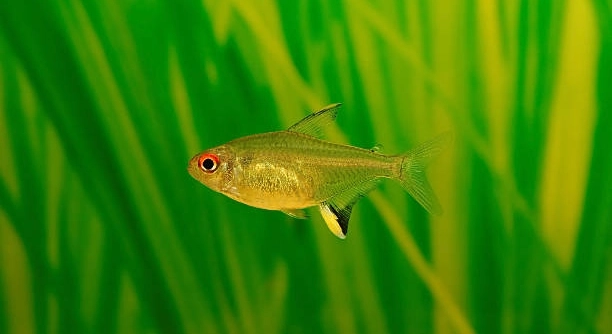
Do you ever notice your Lemon Tetra swimming in different areas of the tank and wonder how they feel in a crowded environment? These small, colorful fish are lively and sensitive to their surroundings, making tank conditions important.
Lemon Tetras generally tolerate moderately busy tanks but thrive best in calm, well-planted environments. Overcrowding or excessive activity can cause stress, reduce natural behaviors, and negatively affect their overall health and social dynamics within the aquarium.
Knowing the right balance between activity and tranquility in your tank can greatly improve your Lemon Tetras’ well-being and create a more harmonious aquarium environment.
Understanding Lemon Tetra Behavior
Lemon Tetras are small, active fish that show clear social patterns in the aquarium. They prefer swimming in groups of six or more, which helps them feel secure and display natural behaviors. When the tank becomes too busy, their swimming patterns can change, and stress signs may appear, such as hiding or lethargy. These fish are highly sensitive to sudden movements or frequent disturbances. Maintaining a stable environment with proper water quality, plants, and hiding spots is essential. They often swim in the middle and upper levels of the tank, while shy individuals may stay closer to the plants. Lighting should be moderate to mimic natural conditions, reducing stress and encouraging natural coloring. Observing their interactions can reveal a lot about tank dynamics. A calm, structured setup allows Lemon Tetras to thrive while still enjoying movement and activity from tank mates, without overwhelming their senses.
Proper group size significantly impacts their happiness and activity levels, keeping them healthier.
Creating a tank that balances activity and calm areas helps these fish develop natural social behaviors. Plants, decorations, and open swimming spaces work together to reduce stress and allow them to explore safely. Adjusting tankmates and limiting aggressive or overly active species ensures Lemon Tetras remain confident and display bright colors. Regular feeding routines, stable temperature, and water quality also influence their comfort. Even minor changes can cause noticeable stress, so monitoring the tank daily is crucial. Observing behavior helps identify overcrowding or inappropriate companions. A well-planned layout with hiding spots, gentle water flow, and compatible species encourages healthy social interactions. This setup not only enhances their appearance but also supports longevity.
Tank Size and Population
A 20-gallon tank or larger is ideal for a small group of Lemon Tetras, offering adequate swimming space.
Overcrowding can increase aggression, stress, and disease susceptibility. Each additional fish should be considered carefully. Spacing and hiding places reduce conflicts and allow each fish to feel secure. Proper filtration, regular water changes, and monitoring water parameters are necessary to maintain a healthy, balanced environment. Adding plants and decorations strategically can prevent overexposure to tank activity, giving shy or stressed fish places to retreat. Compatibility with other species is crucial; peaceful fish reduce competition for space and resources. Observing behavior helps ensure the tank remains comfortable for everyone, while avoiding overstocking supports natural swimming patterns and reduces stress. Population management is an ongoing process that benefits both the fish and the overall aquarium ecosystem.
Compatible Tankmates
Lemon Tetras do well with small, peaceful fish that do not compete aggressively for food or territory. Avoid large or boisterous species that may stress them. Choosing calm tankmates ensures they maintain natural behavior and remain healthy.
Peaceful community fish such as other small tetras, rasboras, or Corydoras catfish work well. These species occupy different areas of the tank and do not disturb the Lemon Tetras’ swimming patterns. Aggressive or territorial fish can cause hiding, fin nipping, or stress-related illness. Observing behavior during initial introductions is important, as even compatible species may show unexpected aggression in a confined space. Providing plants and décor helps create boundaries, reducing conflicts.
Schooling tankmates that share similar water requirements and activity levels encourage natural movement and social interaction. Lemon Tetras feel more secure when surrounded by a calm group, and they often display brighter coloration. Avoiding overly active or dominant species helps reduce stress, supports feeding routines, and keeps the tank peaceful for all inhabitants. A balanced selection of companions ensures the tank remains lively without overwhelming the Lemon Tetras.
Tank Environment and Decorations
Providing plants, hiding spots, and open swimming areas helps Lemon Tetras feel secure and reduces stress in a busy tank.
Aquatic plants, driftwood, and rocks create natural boundaries and safe zones. They allow shy fish to retreat while still giving space for active swimming. A mix of open water and dense planting encourages exploration without feeling threatened. Floating plants diffuse light, which can calm skittish fish. Decorations should not overcrowd the tank, as too many obstacles can limit swimming space and increase stress. Positioning décor strategically creates layers and zones, supporting natural schooling behavior.
Lighting and water flow are also important. Moderate, consistent lighting highlights their coloration without startling them, while gentle water currents mimic natural conditions. Avoid strong filtration currents that may tire the fish. A stable environment with suitable hiding spots encourages interaction between tankmates while reducing territorial disputes. Regular maintenance, including monitoring water parameters and cleaning, ensures the environment stays comfortable. A well-planned setup balances activity with calm areas, supporting health, longevity, and natural behavior of Lemon Tetras in a busy tank.
Feeding Habits
Lemon Tetras eat small flakes, micro pellets, and occasional live or frozen foods. Providing a balanced diet ensures proper growth, bright colors, and overall health. Feeding small amounts multiple times a day prevents overfeeding and maintains water quality.
Watching their eating patterns helps identify stress or illness. Aggressive feeders may push timid fish away, so spacing food evenly is important. Rotating food types keeps their diet nutritious and engaging.
Water Quality
Maintaining clean water with stable parameters is essential for Lemon Tetras’ health. They prefer slightly acidic to neutral pH and temperatures around 72–78°F. Frequent water changes prevent buildup of harmful chemicals.
Signs of Stress
Changes in color, hiding, or erratic swimming often indicate stress in Lemon Tetras. Stress can result from overcrowding, poor water quality, or aggressive tankmates.
Observation Tips
Regularly watching your Lemon Tetras helps detect issues early. Noticing behavior patterns, feeding responses, and interactions ensures the tank remains suitable and healthy for all fish.
FAQ
Do Lemon Tetras need a large tank?
Lemon Tetras do best in tanks of at least 20 gallons. This provides enough swimming space for a small group and helps maintain stable water parameters. Overcrowding can cause stress, reduce natural behaviors, and increase the risk of disease.
How many Lemon Tetras should be kept together?
They are schooling fish and feel safest in groups of six or more. Small groups may appear shy or stressed, while larger schools allow for natural social interactions and reduce aggression.
Can Lemon Tetras live with other fish?
Yes, they do well with peaceful, small species like other tetras, rasboras, or Corydoras catfish. Avoid aggressive or territorial fish, which can stress them and disrupt natural swimming patterns.
What water conditions do Lemon Tetras prefer?
They thrive in slightly acidic to neutral water with a pH around 6.5–7.5 and temperatures between 72–78°F. Consistent water quality is critical, so regular testing and partial water changes are recommended to prevent stress or illness.
How often should I feed my Lemon Tetras?
Small amounts two to three times a day work best. Overfeeding can pollute the tank, while underfeeding can affect growth and color. Offering a variety of flakes, pellets, and occasional live or frozen foods keeps them healthy.
Do Lemon Tetras need hiding spots?
Yes, plants, rocks, and driftwood create safe areas for shy individuals and reduce stress in busier tanks. Open swimming spaces should also be maintained to allow natural schooling and active behavior.
Why do my Lemon Tetras hide?
Hiding is usually a response to stress, overcrowding, or aggressive tankmates. It can also indicate illness or poor water quality. Monitoring behavior and providing adequate plants or décor helps them feel secure.
How can I tell if my Lemon Tetras are stressed?
Signs include faded color, erratic swimming, excessive hiding, or loss of appetite. Stress can be caused by sudden water changes, aggressive tankmates, or improper tank conditions. Addressing the cause quickly helps prevent long-term health issues.
Do Lemon Tetras need a special diet?
They require a balanced diet of small flakes, pellets, and occasional live or frozen foods. Rotating food types ensures proper nutrition, supports growth, and helps maintain their bright coloration.
Can Lemon Tetras tolerate a busy tank?
They tolerate moderate activity if there is enough space, hiding spots, and calm tankmates. Too much activity or overcrowding can lead to stress, reduced schooling behavior, and lower overall health.
How often should I clean the tank?
Partial water changes of 20–25% once a week are recommended. Regular cleaning prevents harmful chemical buildup, maintains water quality, and supports a healthy environment for both Lemon Tetras and their tankmates.
Are Lemon Tetras suitable for beginners?
Yes, they are generally hardy if kept in proper conditions. Maintaining water quality, stable temperature, and peaceful tankmates ensures they thrive even in a moderately busy tank. Observing behavior regularly helps prevent problems early.
Do Lemon Tetras breed in home aquariums?
Breeding is possible but requires specific conditions, including soft, slightly acidic water, fine-leaved plants, and dim lighting. Separating adults from fry after spawning helps protect the young fish and improve survival rates.
Can Lemon Tetras change color?
Yes, stress, illness, water quality, or diet can affect coloration. Healthy, unstressed fish display bright yellow and blue hues, while faded colors often signal problems that need addressing.
How long do Lemon Tetras live?
With proper care, they typically live 3–5 years. Stable water conditions, a balanced diet, and a peaceful environment contribute to their longevity. Stress and poor conditions can shorten their lifespan.
Are Lemon Tetras compatible with shrimp or snails?
Yes, peaceful invertebrates are generally compatible. Avoid large or aggressive species that may compete for food or disturb the Tetras. Shrimp and snails can also help maintain tank cleanliness.
What are common health problems?
Fin rot, ich, and bacterial infections are the most common. Maintaining clean water, a balanced diet, and observing behavior regularly helps prevent these issues. Early intervention improves recovery chances.
How can I reduce stress in a busy tank?
Provide adequate hiding spots, maintain a proper group size, choose calm tankmates, and avoid sudden changes in water conditions. Regular observation helps catch stress signs early.
Do Lemon Tetras require strong filtration?
Moderate filtration is ideal. Strong currents can tire them out, while weak filtration can allow waste buildup. A balance ensures clean water without stressing the fish.
Can Lemon Tetras coexist with bettas?
It depends on the betta’s temperament. Some bettas are aggressive toward small, colorful fish. Careful observation and a large tank with hiding spaces are necessary if they are housed together.
What is the best tank setup for Lemon Tetras?
A planted tank with open swimming areas, moderate lighting, gentle water flow, and peaceful tankmates provides the ideal environment. Proper spacing and décor reduce stress and support natural schooling behavior.
How do I introduce new Lemon Tetras?
Acclimate them slowly to the tank using drip methods or floating bags. Introduce them during calm periods, and monitor interactions with existing fish to prevent stress or aggression.
Are Lemon Tetras sensitive to temperature changes?
Yes, sudden changes can cause stress or illness. Maintaining stable temperatures and using a reliable heater or thermometer is important for their health and behavior.
Can they tolerate slightly hard water?
They can adapt to moderately hard water, but extreme hardness may affect coloration and stress levels. Regular monitoring ensures conditions stay within their preferred range.
Do Lemon Tetras need special lighting?
Moderate lighting is best. Bright light can stress shy fish, while dim light helps them display natural colors and reduces tension in busier tanks.
How can I tell if my Lemon Tetras are happy?
Bright coloration, active schooling, consistent feeding, and minimal hiding indicate a comfortable and healthy environment. Balanced tank conditions support these behaviors and overall well-being.
What tank maintenance is essential?
Regular partial water changes, filter cleaning, and monitoring of temperature, pH, and ammonia levels are key. A clean, stable environment prevents stress and supports longevity.
Can Lemon Tetras live in a planted tank only?
Yes, plants provide shelter, reduce stress, and mimic natural habitats. Open areas for swimming should still be included to allow schooling behavior and natural movement.
Are Lemon Tetras active during the day?
Yes, they are diurnal and most active during daylight. They enjoy swimming in open areas while interacting with tankmates. Nighttime is for resting among plants or decorations.
How can I prevent aggression in a busy tank?
Choose peaceful tankmates, provide hiding spots, avoid overcrowding, and maintain proper group sizes. Calm environments reduce conflicts and support natural social behaviors.
Do they recognize their tankmates?
They can distinguish familiar fish within their school. This recognition helps them establish social hierarchies and reduces stress, especially in stable group settings.
Can Lemon Tetras survive in cooler water?
Temperatures below 70°F can stress them, slow metabolism, and increase susceptibility to disease. Maintaining a stable range of 72–78°F is ideal.
How often should I monitor water parameters?
Weekly checks of pH, ammonia, nitrite, and nitrate levels are recommended. Monitoring ensures early detection of problems, maintaining a safe and healthy environment for Lemon Tetras.
Do they interact with humans?
While not interactive like some fish, Lemon Tetras may swim closer during feeding or observe activity. Their behavior often reflects comfort and security in the tank.
Are Lemon Tetras prone to jumping?
Occasionally, especially if stressed or startled. A secure lid or hood is important to prevent escape and maintain safety.
How do I reduce stress when introducing new tankmates?
Acclimate slowly, provide hiding spots, and monitor interactions. Gradual introductions help prevent aggressive behavior and support a peaceful environment.
Do Lemon Tetras need live plants?
Live plants are beneficial but not strictly necessary. They provide hiding places, improve water quality, and enhance the tank’s natural feel. Artificial plants can also work if arranged thoughtfully.
Can they live in a species-only tank?
Yes, species-only tanks allow them to school freely, reduce competition, and display natural behaviors. Proper space, plants, and open swimming areas are still required.
Do they show signs of aging?
Older fish may slow down, show duller coloration, or become less active. Maintaining stable conditions helps them live a full lifespan of 3–5 years.
How do I treat common diseases?
Quarantining affected fish, improving water quality, and using appropriate medications helps treat fin rot, ich, or bacterial infections. Early detection improves recovery.
Can Lemon Tetras adapt to different tank decorations?
Yes, but sudden rearrangements may stress them. Gradual changes and maintaining some familiar hiding spots help them adjust comfortably.
Do they need special care during breeding?
Breeding requires soft, slightly acidic water, fine-leaved plants, and separate tanks for fry. Adults may eat the eggs if left together.
How often should I feed live foods?
Once or twice a week is sufficient. Live foods supplement flakes or pellets and stimulate natural hunting behavior without overfeeding.
Can Lemon Tetras live with goldfish?
Not recommended. Goldfish are larger, produce more waste, and have different temperature needs, which can stress Lemon Tetras and reduce water quality.
Are they sensitive to lighting changes?
Yes, sudden bright light can cause stress. Gradual changes and moderate lighting support natural behavior and coloration.
Do they prefer soft or hard substrate?
They are adaptable but benefit from fine gravel or sand that allows natural swimming and reduces risk of injury.
Can Lemon Tetras survive in small tanks?
Small tanks increase stress, reduce swimming space, and make water parameters unstable. At least 20 gallons is recommended for a small school.
How do I prevent fin nipping?
Avoid aggressive tankmates, provide space and hiding spots, and maintain proper group sizes. Monitoring interactions helps prevent injury.
Are they sensitive to chemical additives?
Yes, strong chemicals or sudden treatments can stress them. Use additives carefully and follow dosing instructions to avoid harming the fish.
Can Lemon Tetras live with bettas?
Some bettas may tolerate them, but aggressive individuals can cause stress. Monitor closely and ensure hiding spots are available.
Do they need a heater?
Yes, to maintain a stable temperature between 72–78°F, a heater is recommended. Sudden drops can stress or harm the fish.
Can Lemon Tetras live in brackish water?
No, they are freshwater fish. Brackish conditions can stress or kill them.
How often should I check their behavior?
Daily observation helps detect stress, illness, or aggression early, ensuring timely intervention.
Do they require filtration?
Moderate filtration keeps water clean without creating strong currents that stress them. Proper flow supports healthy swimming patterns.
Can Lemon Tetras tolerate low light?
Moderate to low light is acceptable. Extremely dim lighting may reduce activity, while sudden bright light can stress them.
How do I prevent overcrowding?
Plan tank size, monitor group numbers, and avoid adding too many new fish at once. Proper spacing maintains healthy behavior and reduces stress.
Do they prefer plants over open water?
They need both. Plants provide security, while open areas allow schooling and active swimming. A balanced setup is essential.
Can they live with African dwarf frogs?
Yes, they are generally compatible. Monitor interactions to ensure frogs do not compete aggressively for food or space.
How often should I feed flakes?
Once or twice daily in small portions, ensuring all fish can eat without overfeeding the tank.
Are they sensitive to noise or vibration?
Yes, loud noises or vibrations can stress them. A stable, quiet environment helps maintain natural behavior and reduces stress.
Do they sleep?
Yes, they rest at night among plants or decorations. Sleep is essential for health and overall well-being.
How can I enhance their color naturally?
A balanced diet with variety, good water quality, and low-stress conditions encourages bright yellow and blue coloration.
Do they need regular tank rearrangement?
Occasional changes are fine, but frequent rearrangements can stress them. Maintain familiar hiding spots to provide security.
Can Lemon Tetras live with danios?
Yes, if the danios are not overly aggressive. Monitor activity levels to ensure Tetras are not constantly stressed.
Do they prefer dim or bright light?
Moderate lighting works best. Bright light can cause stress, while very dim conditions reduce activity.
Can they survive without plants?
Yes, but plants help reduce stress, provide hiding spots, and improve water quality, making them beneficial for overall well-being.
Are Lemon Tetras prone to jumping?
Occasionally, especially if startled. A secure lid prevents escape and ensures safety.
Do they recognize feeding times?
They can anticipate feeding patterns and often gather near food sources when mealtime approaches, showing memory and routine awareness.
How do I acclimate new fish?
Float the bag in the tank to equalize temperature, then slowly add tank water over 30–60 minutes before release. This reduces shock and stress.
Can Lemon Tetras tolerate water additives?
Yes, but only in recommended doses. Excessive chemicals or abrupt treatments can cause stress or harm.
Do they show schooling behavior immediately?
They may take a few days to adjust and form tight schools, especially when introduced to a new tank.
Are Lemon Tetras territorial?
No, they are peaceful and do not claim territory, but they may establish a hierarchy within their school.
Do they need a specific pH?
Slightly acidic to neutral pH of 6.5–7.5 is ideal. Large fluctuations can stress them and affect health.
Can they live in a tank with snails?
Yes, peaceful snails are compatible and can help keep the tank clean.
How long does it take for them to adapt to a new tank?
Usually a few days to a week. Adequate hiding spots and stable conditions accelerate adjustment.
Do Lemon Tetras interact with each other?
Yes, they show social behavior, swim in schools, and communicate through movement and positioning.
Are they sensitive to ammonia?
Yes, even small amounts can harm them. Regular testing and water changes prevent ammonia buildup.
Can they live in a tank with plants only?
Yes, but some open swimming space is necessary for natural schooling behavior.
How often should I feed frozen foods?
Once or twice weekly is enough to supplement flakes or pellets and provide dietary variety.
Do Lemon Tetras enjoy swimming near the surface?
Yes, they often explore mid to upper water levels while schooling, but provide hiding spaces to reduce stress.
Can they survive in a low-maintenance tank?
Moderate maintenance is necessary. Regular water changes, feeding, and monitoring prevent stress and illness.
Are they active all day?
They are mostly active during daylight hours and rest at night among plants or decorations.
How do I prevent disease?
Maintain water quality, avoid overcrowding, feed a balanced diet, and quarantine new fish before adding them to the tank.
Do Lemon Tetras need a heater in tropical climates?
Yes, to maintain consistent temperatures, especially at night or during seasonal changes.
Can they tolerate slightly alkaline water?
Yes, minor deviations are usually tolerated, but extreme alkalinity can stress or harm them.
Are Lemon Tetras suitable for community tanks?
Yes, as long as tankmates are peaceful and water parameters match. Overly aggressive or large fish should be avoided.
Do they need special care during molting or illness?
Yes, provide calm conditions, optimal water quality, and appropriate food or medication. Stress should be minimized.
Can Lemon Tetras live with shrimp?
Yes, peaceful shrimp species coexist well. Avoid large or aggressive shrimp that may compete for food.
Do they need frequent water testing?
Yes, weekly testing ensures stable parameters, which is essential for health and stress reduction.
How do I maintain stable temperature?
Use a reliable heater and thermometer, avoid placing the tank near drafts or heat sources, and monitor daily for fluctuations.
Are Lemon Tetras sensitive to vibrations?
Yes, excessive vibrations can stress them. Place the tank on a stable surface away from frequent movement.
Do they interact with decorations?
Yes, they use plants, rocks, and driftwood for shelter, exploration, and stress reduction.
Can they survive without a filter?
A filter is strongly recommended. It keeps water clean and prevents harmful buildup of toxins.
Do Lemon Tetras need oxygenation?
Yes, adequate aeration ensures proper oxygen levels and supports healthy activity and metabolism.
How do I prevent aggression from other species?
Choose calm tankmates, provide hiding spots, and avoid overcrowding. Observe interactions and separate aggressive fish if needed.
Can Lemon Tetras tolerate slightly salty water?
No, they are freshwater fish. Even small amounts of salt may stress or harm them.
Do they prefer calm or strong currents?
Calm to moderate water flow is ideal. Strong currents tire them and can disrupt natural swimming patterns.
Are they prone to stress in busy tanks?
Yes, high activity levels, overcrowding, or aggressive tankmates can stress them. Hiding spots and adequate space help reduce this risk.
Can they coexist with small cichlids?
Some small, peaceful cichlids may work, but aggressive species should be avoided to prevent stress and injury.
Do Lemon Tetras need a consistent feeding schedule?
Yes, regular feeding times reduce stress, maintain health, and support natural schooling behavior.
How often should I clean the substrate?
Weekly or bi-weekly cleaning prevents debris buildup while maintaining beneficial bacteria and reducing harmful toxins.
Do they enjoy planted tanks more than bare tanks?
Planted tanks offer shelter, reduce stress, and enhance natural behavior, though open swimming areas are still needed.
Are Lemon Tetras shy?
They can be timid in small groups or stressful environments, but schooling behavior helps build confidence.
Can they live in nano tanks?
Nano tanks are generally too small to support proper schooling and stable water parameters. A minimum of 20 gallons is recommended.
Do they require water conditioners?
Yes, dechlorinating tap water before use protects their sensitive gills and prevents stress or illness.
**How do I know if they are
Lemon Tetras are small, active fish that bring color and movement to an aquarium. They thrive when their environment is carefully managed to balance activity and calm. Providing a tank that is not overcrowded, with sufficient hiding spots and plants, helps them feel secure and reduces stress. Grouping them in schools of at least six allows natural social behaviors to develop and keeps the fish confident. Even simple changes, like adjusting lighting or adding decorations, can affect their mood and behavior. By observing how they interact with each other and with tankmates, you can better understand what conditions make them comfortable.
Water quality plays a major role in the well-being of Lemon Tetras. Maintaining stable temperature, pH, and low levels of harmful chemicals is essential for their health. Partial water changes should be done regularly to prevent ammonia or nitrate buildup, which can cause illness or stress. A moderate water flow, gentle filtration, and consistent feeding routines all support their natural activity levels. Choosing tankmates carefully is also important. Peaceful, small species that do not compete aggressively for space or food help maintain a calm and healthy tank environment. Avoiding overly active or territorial species ensures that Lemon Tetras can swim freely, school naturally, and display bright coloration.
Feeding and tank setup are equally important for their long-term health. Offering a balanced diet of flakes, pellets, and occasional live or frozen foods supports growth and maintains vibrant colors. Rotating food types provides necessary nutrients while keeping the fish engaged. Tank decorations, such as plants, rocks, and driftwood, provide security and create natural zones for exploration and resting. Open swimming areas allow them to school properly and exhibit natural behaviors. Regular observation is key to noticing signs of stress or illness early. By combining careful planning of tank size, environment, feeding, and tankmates, Lemon Tetras can live healthy, active, and colorful lives in a busy or community tank.

Hello,
If you enjoy the content that we create, please consider saying a "Thank You!" by leaving a tip.
Every little bit helps us continue crafting quality advice that supports the health, happiness, and well-being of pets around the world, for pets of all shapes, sizes, and species.
We really appreciate the kindness and support that you show us!