
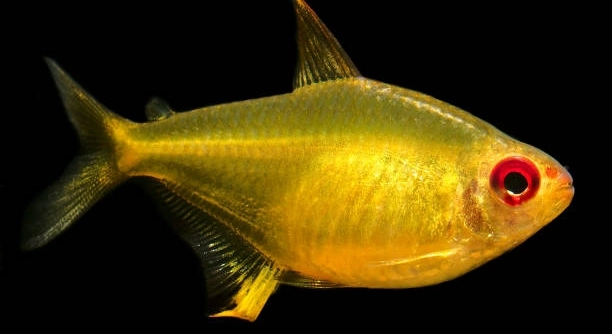
Have you ever needed to separate a Lemon Tetra to keep it healthy and safe during treatment, yet felt unsure about creating the right setup for a temporary tank at home that truly supports recovery.
Setting up a quarantine tank for a Lemon Tetra requires controlled water conditions, gentle filtration, and strict isolation. This environment minimizes stress, prevents disease transmission, and supports targeted treatment that promotes efficient recovery within a stable and carefully monitored space.
These simple guidelines will help you move forward with confidence, creating a safe environment that supports your Lemon Tetras recovery.
Choosing the Right Tank Setup
Creating a suitable quarantine tank for a Lemon Tetra starts with selecting equipment that supports calm, steady conditions. A small tank works well, as long as it provides enough room for comfortable movement and proper water flow. A simple sponge filter helps protect the fish from strong currents while keeping the water clean. Bare bottoms are easier to manage, allowing you to monitor waste and adjust care as needed. Adding a few gentle hiding spots made of smooth materials can help the fish feel secure without complicating maintenance. Keeping the setup minimal reduces stress and makes each cleaning step faster and more effective. This approach lets you focus on gentle, steady care that supports recovery. Over time, you will notice how the combination of quiet surroundings and clear water encourages your Lemon Tetra to settle in, rest, and respond to any treatments with greater comfort and stability.
A focused setup helps you create a calm space that supports careful monitoring and stress free handling throughout the quarantine period.
With the right layout in place, you can manage daily tasks smoothly, keep the water clean with less effort, and ensure your Lemon Tetra receives the gentle support needed for proper healing.
Maintaining Stable Water Conditions
Consistent water conditions are essential, especially when a Lemon Tetra is recovering and needs steady surroundings to regain strength without extra stress.
Keeping the water stable starts with regular testing for ammonia, nitrite, nitrate, and pH, since even small changes can affect recovery. Frequent small water changes help maintain clarity and support the filters work without overwhelming the fish. Using pre conditioned water at the same temperature prevents sudden shifts that may interrupt healing. A dependable heater ensures temperatures do not fluctuate throughout the day. It also helps to clean the sponge filter gently, preserving helpful bacteria that contribute to a stable environment. Avoid adding decorations or materials that may alter water chemistry, and always introduce any treatments slowly. These thoughtful steps allow the fish to settle into a calm routine. By watching the waters condition closely, you create an environment where recovery becomes smoother and safer, giving your Lemon Tetra the steady care required for a healthier return to its main tank.
Monitoring Health During Quarantine
Daily observation helps you notice small changes in your Lemon Tetras behavior or appearance that may indicate illness or stress. Watching for fading color, clamped fins, loss of appetite, or erratic swimming gives you clear guidance on when to adjust treatment or water conditions to support steady recovery each day.
Careful monitoring allows you to track progress and respond quickly to any concerns that appear during quarantine. When you observe the fish at feeding time, you can see whether it eats calmly or leaves food untouched. A slow response may signal discomfort, while active interest suggests improvement. Take note of breathing patterns, as rapid gill movement sometimes indicates irritation or poor water quality. If you document these details, you can adjust care with confidence. This steady attention keeps the environment safe and helps treatments work more effectively over time. These observations guide you in maintaining steady progress each day consistently.
Close observation also helps you prevent issues from escalating when a Lemon Tetra shows early signs of discomfort. Small shifts in posture or swimming speed can reveal stress long before it becomes severe. By watching the fish at different times of day, you gain a clearer sense of its normal routine and notice changes more easily. This consistent attention lets you identify problems that may require adjusting temperature, adding medication, or performing an extra water change. These careful efforts reduce risks and support a smoother recovery inside the quarantine tank while giving your fish steady comfort throughout the entire process.
Feeding Practices During Quarantine
Feeding during quarantine should stay simple and measured to avoid overwhelming your Lemon Tetra. Small portions offered once or twice a day help you monitor appetite and reduce waste that may affect water quality. Using high quality, gentle foods supports digestion and keeps the fish comfortable. Remove leftover food quickly so the tank stays clean and stable, giving your fish a calm environment while it recovers at a steady and manageable pace each day daily.
A careful feeding routine supports healing by preventing digestive stress and keeping water conditions stable. Offering easily digestible foods such as fine flakes or micro pellets helps the fish eat without strain. If the Lemon Tetra is receiving medication, feeding lightly reduces the chance of food interacting poorly with treatment. Observing how quickly it responds to food gives you clues about its comfort level. A slow approach helps you avoid excess waste that could harm the filtration system. Maintain a consistent schedule so the fish develops a sense of predictability, which reduces stress during recovery. By removing any uneaten food, you keep the environment clean and lower the risk of bacterial growth. These steps support your Lemon Tetra as it gradually regains strength each day.
Cleaning and Maintenance Tips
Routine cleaning keeps the quarantine tank stable and comfortable for your Lemon Tetra. Small water changes every few days help remove waste without causing stress. Wipe down the glass gently to keep visibility clear and avoid disturbing the fish more than necessary during each maintenance task.
Regularly rinsing the sponge filter in conditioned water preserves beneficial bacteria while keeping the flow gentle and steady. Avoid over cleaning, since removing too much bacteria can disrupt balance. Keep tools separate from your main tank equipment to prevent cross contamination and maintain a safe environment.
Preparing for Reintroduction
A careful transition back to the main tank helps your Lemon Tetra adjust without stress. Start by matching temperature and water parameters between both tanks to avoid sudden changes. Observe the fish for steady behavior and strong appetite before reintroduction. When conditions look stable, place the fish in a container with its quarantine water and float it inside the main tank. Slowly mix small amounts of main tank water into the container over several minutes. This controlled approach reduces shock and gives the fish time to adapt. When the parameters match closely and the fish appears calm, gently release it into its home.
When to Extend Quarantine
If your Lemon Tetra shows lingering symptoms or slow improvement, extending quarantine gives you more time to provide focused care. Keeping the fish isolated prevents spread of illness and ensures treatment continues at a steady, manageable pace.
FAQ
How long should a Lemon Tetra stay in a quarantine tank?
The usual quarantine period ranges from two to four weeks. This allows enough time to observe for illness, ensure treatments are effective, and stabilize water parameters. Some fish may require extra time if symptoms persist or if new issues appear during observation. Extending quarantine prevents disease from spreading to other tank mates, keeping the main tank safe while giving your Lemon Tetra a calm environment to recover fully.
What size tank is best for quarantine?
A small tank, usually 10 to 20 liters, works well for a single Lemon Tetra or a small group. Smaller tanks are easier to manage, maintain water quality, and monitor fish closely. Avoid overcrowding, as even a few fish in a cramped space increases stress and the risk of disease. A compact tank also makes cleaning easier and provides better control over temperature, filtration, and water chemistry, ensuring the fish can heal without unnecessary challenges.
What type of filter should I use?
A sponge filter is ideal because it provides gentle filtration and keeps the water clean without creating strong currents. Strong filters can stress recovering fish and make feeding difficult. Sponge filters also maintain beneficial bacteria, which are critical for stabilizing water chemistry. Gently rinsing the sponge in conditioned water during routine maintenance preserves bacteria while removing debris. Avoid power filters that may pull or injure small, weakened fish, as stability and safety are the priority during quarantine.
How often should I change the water?
Small, frequent water changes are better than large, infrequent ones. Replacing 20 to 25 percent of the water every two to three days keeps ammonia and nitrate levels low without shocking the fish. Use water that is conditioned, dechlorinated, and temperature-matched to avoid sudden changes. Monitoring water parameters during changes helps maintain a consistent environment. This approach reduces stress, supports healing, and prevents fluctuations that may worsen symptoms or delay recovery.
What should I feed my Lemon Tetra in quarantine?
Feed small portions once or twice daily, using easily digestible foods like high-quality flakes, micro pellets, or finely crushed frozen options. Avoid overfeeding, as leftover food can degrade water quality and increase ammonia levels. Observing feeding habits provides insight into the fish’s health; consistent appetite indicates recovery, while refusal to eat may signal stress or illness. If the fish is on medication, feeding lightly ensures proper treatment absorption while reducing the risk of digestive upset. Removing uneaten food quickly helps maintain clean, stable water for better recovery.
How can I tell if the fish is stressed?
Common signs include clamped fins, rapid gill movement, hiding constantly, or erratic swimming. Color fading or loss of appetite can also indicate stress. Observing the fish at different times of day helps identify unusual behavior. Addressing stress factors early, such as water quality or tank setup, supports quicker recovery and reduces the risk of secondary illness. Providing hiding spots and minimizing disturbances helps the fish feel secure.
When is it safe to return the fish to the main tank?
Return is safe once the fish shows normal behavior, active feeding, and strong color. Ensure water parameters in the quarantine tank match the main tank closely. Use a gradual acclimation process, floating the fish in its quarantine water and slowly mixing main tank water over several minutes. Only release the fish when it appears calm and steady, reducing shock risk. If there is any doubt about its health, extend the quarantine to avoid introducing disease. Proper timing ensures the main tank remains safe and the fish transitions smoothly.
Can I keep multiple fish in one quarantine tank?
Yes, but keep the group small to avoid overcrowding. Overcrowding increases stress, competition for food, and disease risk. Choose fish of similar size and health status to reduce aggression or bullying. Observe interactions closely and separate any aggressive individuals promptly. Maintaining water quality is critical, as more fish produce more waste. Keeping the number manageable allows consistent monitoring and reduces complications, ensuring each fish receives adequate care and attention.
Is medication necessary during quarantine?
Medication is only necessary if signs of illness are present or as a preventive measure after exposure to sick fish. Using treatment unnecessarily can stress the fish and disrupt beneficial bacteria. Monitor symptoms carefully and follow proper dosage instructions. Remove activated carbon from filters during medication to ensure effectiveness. Observing the fish daily while on treatment ensures proper response and helps decide if adjustments are needed. Avoid combining multiple medications unless advised by a reliable source, as it may harm the fish.
What mistakes should I avoid during quarantine?
Avoid sudden water changes, overfeeding, overcrowding, strong filtration, and frequent handling. Neglecting water testing or ignoring small signs of illness can worsen problems. Introducing untreated fish too soon risks spreading disease. Skipping acclimation when returning to the main tank can shock the fish. Maintaining stable conditions, observing closely, and using careful feeding and handling routines prevent mistakes that could delay recovery or compromise health.
This FAQ covers the most common concerns about quarantine care, providing clear steps to maintain a safe and supportive environment for Lemon Tetras while minimizing stress, promoting healing, and ensuring smooth reintroduction to the main tank.
Final Thoughts
Quarantining a Lemon Tetra is a simple but important step in keeping your aquarium healthy. Separating new or sick fish helps prevent the spread of disease and gives each fish a chance to recover without added stress. Even though it may seem like extra work, the benefits are clear: a stable, controlled environment reduces risks, makes treatment easier, and allows you to observe the fish closely. Small tanks, gentle filtration, and consistent water conditions create a safe space that supports recovery. Minimal decorations and hiding spots help the fish feel secure while keeping maintenance simple. The goal is to provide comfort and stability, not to replicate a large community tank. By focusing on these basics, you give your Lemon Tetra the best chance to regain strength before returning to its main tank.
Attention to water quality is one of the most critical factors in a successful quarantine. Regular testing for ammonia, nitrites, nitrates, and pH ensures the environment remains safe. Frequent small water changes help maintain cleanliness without shocking the fish. Temperature consistency is equally important, as sudden fluctuations can stress the fish or interfere with treatment. A sponge filter provides gentle cleaning while preserving beneficial bacteria, supporting a balanced environment. Feeding small, manageable portions of high-quality food prevents digestive problems and keeps water quality stable. Observing appetite, behavior, and coloration daily allows you to catch any signs of stress or illness early. These simple practices, done consistently, make a big difference in the fish’s health and overall recovery.
Finally, patience and careful observation are key. Some fish may respond quickly to quarantine and treatment, while others need more time to fully recover. Gradual reintroduction to the main tank ensures the fish adjusts without shock, reducing the risk of relapse or stress-related issues. Documenting changes in behavior, appetite, or appearance helps guide care and supports decisions about water changes, feeding, or continued treatment. By keeping the environment stable, maintaining proper hygiene, and monitoring the fish consistently, you can provide a safe and supportive quarantine space. This approach ensures that when your Lemon Tetra returns to the main tank, it is healthy, confident, and ready to thrive in a larger community. Quarantine is not just a precaution; it is a way to protect both your fish and the overall health of your aquarium.

Hello,
If you enjoy the content that we create, please consider saying a "Thank You!" by leaving a tip.
Every little bit helps us continue crafting quality advice that supports the health, happiness, and well-being of pets around the world, for pets of all shapes, sizes, and species.
We really appreciate the kindness and support that you show us!