
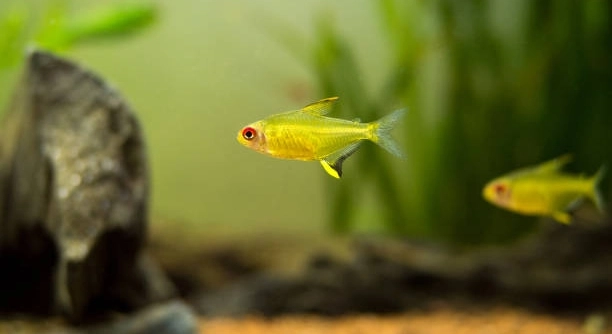
Lemon tetras are small, vibrant fish that brighten any freshwater tank. They are active swimmers, constantly exploring their surroundings. Observing their behavior can reveal how they interact with decorations, plants, and open spaces in the tank environment.
Lemon tetras do not experience boredom in the human sense, but they respond to changes in their environment. A varied tank with plants, hiding spots, and swimming areas promotes natural activity, reduces stress, and encourages healthy social behavior.
Proper tank setup can significantly impact their well-being, influencing movement, feeding, and interactions within the group. Small adjustments can lead to a more engaging environment for these lively fish.
Understanding Lemon Tetra Behavior
Lemon tetras are naturally active fish that enjoy exploring and swimming through their tank. They thrive in schools, usually preferring groups of six or more. Observing their behavior can help you understand if your tank setup meets their needs. They enjoy areas with plants, rocks, or other structures that provide hiding spots and visual boundaries. Open swimming space is equally important, as it allows them to move freely and maintain natural social interactions. Changes in their environment, such as rearranging decorations or adding new plants, often spark curiosity and engagement. Watching them respond to these changes can indicate how stimulating their surroundings are. While they do not experience boredom like humans, they do benefit from varied and enriched environments that mimic their natural habitats. Providing balance between hiding spots and open swimming areas supports their mental and physical health. Proper water conditions, including temperature and cleanliness, also play a key role in their overall activity levels.
Small changes, like introducing new plants or rearranging decorations, can increase their activity and interaction within the tank.
Adjusting lighting, flow, and placement of objects can influence their movement patterns and social behavior. Consistent observation helps identify preferred areas and stimulates exploration. Providing enrichment prevents lethargy and promotes natural responses, keeping the tetras active and healthy. Even minor tweaks can make the tank more engaging, allowing the fish to thrive and display normal behaviors. Creating an environment that combines comfort, stimulation, and safety ensures that lemon tetras maintain their energy, interact positively with each other, and remain visually appealing in the aquarium. Over time, attentive adjustments can lead to a tank that feels dynamic without constant intervention, fostering natural curiosity and promoting long-term well-being.
Tank Enrichment Tips
Adding live plants, driftwood, or small rocks creates natural hiding spots for lemon tetras.
Regular rotation of decorations and rearranging elements helps maintain stimulation and encourages movement throughout the tank. Introducing varying textures and vertical spaces supports exploration while keeping the fish engaged. It is important to avoid overcrowding while ensuring enough visual barriers to reduce stress. Even simple changes, like placing plants in different locations, can significantly impact their activity levels and overall health. Monitoring their response to adjustments allows you to refine the setup for the best results. A balanced tank with both open swimming space and structured areas supports natural behaviors and enhances their environment. Over time, these small efforts create a more vibrant and lively aquarium.
Signs Your Lemon Tetras Are Bored
Lemon tetras may appear sluggish or hide excessively if their environment lacks stimulation. Reduced interaction with other fish or minimal movement can indicate that the tank setup is not engaging enough. Observing these behaviors helps identify areas for improvement.
Changes in activity levels are often the first sign of environmental disinterest. Fish that normally swim actively may linger near corners or remain stationary, showing less curiosity about surroundings. Lack of interaction with plants, decorations, or other fish suggests the tank does not provide enough mental or physical stimulation. Stress can also manifest through loss of color or reduced appetite. Adjusting the layout, adding hiding spots, or introducing gentle water flow can reinvigorate their behavior. Observing their responses to these changes allows gradual improvement without overwhelming the fish. Consistent monitoring ensures that tetras maintain healthy routines and natural behaviors, avoiding long-term issues related to inactivity.
Boredom may also appear as repetitive swimming or constant chasing of tank mates. These behaviors can indicate stress or lack of enrichment. Enhancing the tank environment encourages healthier social and physical activity.
Adjusting Tank Layout
Rearranging decorations, plants, and hiding spots changes the visual landscape and encourages exploration.
Introducing new elements or shifting existing ones stimulates curiosity. Fish respond to variation in textures, heights, and spaces, which keeps their movements natural. Regularly altering the setup without overcrowding ensures an engaging, balanced environment.
Water flow adjustments can also enhance activity. Gentle currents promote movement while preventing stagnant areas. Combining open swimming zones with structured hiding areas supports both social interaction and individual rest. Observing how tetras explore these changes helps refine the tank layout over time, maintaining engagement. Gradual adjustments prevent stress while encouraging natural behaviors. Providing variety ensures the fish remain active and visually vibrant, contributing to long-term well-being and a healthier tank ecosystem.
Feeding and Interaction
Providing a varied diet keeps lemon tetras engaged during feeding times. Offering flakes, frozen, or live foods encourages natural foraging behavior and promotes activity.
Interactive feeding, such as scattering food in different areas, stimulates movement. It also allows them to explore corners and hiding spots, maintaining interest in their environment.
Importance of Lighting
Proper lighting influences activity patterns and tank exploration. Brightness should mimic natural day and night cycles, supporting their internal rhythms. Consistent lighting encourages swimming during active periods and rest when needed. Avoiding sudden changes reduces stress and keeps behavior predictable.
Maintaining Water Quality
Clean water is essential for healthy activity. Poor water conditions can reduce energy levels and cause hiding or sluggishness. Regular water changes, filtration checks, and monitoring parameters help maintain a stable environment. Healthy water supports natural behavior, color retention, and overall vitality.
Social Environment
Lemon tetras thrive in groups, as social interaction stimulates exploration and activity. Keeping a proper school size reduces stress and encourages natural behaviors.
FAQ
Can lemon tetras get bored of the same tank decorations?
Yes, while they do not experience boredom like humans, lemon tetras respond to environmental changes. Repeating the same setup for long periods may reduce their curiosity and movement. Adding new plants, rearranging decorations, or introducing varying textures encourages exploration and natural activity. Even minor adjustments, such as shifting rocks or creating new hiding spots, can spark interest. Observing their response helps ensure that changes are not stressful but stimulating. Regular variation in the tank layout supports social interaction, swimming patterns, and overall vitality, keeping the fish engaged without overwhelming them.
How often should I change the tank layout?
Changes should be gradual and not too frequent. Adjusting the layout every few weeks is enough to maintain engagement without causing stress. Introducing too many changes at once can confuse or frighten the fish. Small shifts, such as moving plants or adding a new hiding spot, are preferable to a full redesign. Observing their behavior after each adjustment allows you to determine what works best for the group. Maintaining consistency with water conditions, lighting, and temperature ensures that environmental changes are positive and beneficial. This balance promotes healthy activity and natural exploration patterns.
Do lemon tetras need live plants in their tank?
Live plants are not strictly necessary, but they provide hiding spaces and enrichment. Plants can mimic natural habitats, offering security for timid fish and encouraging movement through open swimming areas. Artificial plants can serve a similar purpose, but live plants also help maintain water quality by absorbing nitrates. A mix of both can provide visual variety, shelter, and stimulation. The presence of plants encourages natural behavior, such as exploring or darting between leaves, which reduces stress. Observing how tetras interact with plants helps decide the best arrangement to keep the tank engaging while maintaining simplicity in care routines.
Can tank mates influence their activity levels?
Yes, lemon tetras are schooling fish and benefit from social interaction. Keeping them in appropriate groups promotes swimming, chasing, and synchronized movement. Aggressive or incompatible tank mates can stress them, reducing activity and causing hiding. Observing group dynamics ensures a safe environment where all fish remain active and healthy. A balanced social environment encourages natural behaviors and reduces signs of disinterest, helping maintain a lively tank atmosphere.
Is water flow important for preventing boredom?
Water flow affects movement and exploration. Gentle currents encourage swimming while preventing stagnant areas where fish may linger excessively. Strong currents can stress them, so moderation is key. Varying flow slightly in different tank zones stimulates natural behavior. Observing their response helps fine-tune flow rates to maintain comfort and engagement. Proper water flow combined with hiding spots, open areas, and structured layouts supports active, healthy fish.
How can feeding routines keep lemon tetras engaged?
Varied feeding strategies encourage movement and foraging behavior. Scattering food or using live or frozen options simulates natural hunting. Offering different textures and placements in the tank promotes exploration and activity. Maintaining a consistent schedule supports routine behavior, while occasional variations keep their environment stimulating. Observing which feeding methods encourage engagement allows for adjustments that support mental and physical health.
Can lighting changes affect their activity?
Yes, proper lighting supports their circadian rhythms and swimming patterns. Consistent day-night cycles promote predictable activity and rest. Sudden changes or excessive brightness can cause stress and hiding behavior. Gradual adjustments in intensity or timing can stimulate exploration while maintaining comfort. Observing their behavior under different lighting helps determine the best balance for energy, engagement, and overall well-being.
How do I know if my lemon tetras are happy with their tank?
Active swimming, social interaction, bright colors, and natural behavior indicate a healthy, well-stimulated environment. Fish that explore decorations, interact with group members, and display consistent feeding habits are likely comfortable. Lethargy, constant hiding, or repetitive movement can signal the need for enrichment or adjustment in tank setup. Regular observation and minor environmental tweaks help maintain a lively and engaging habitat, promoting long-term health and natural behaviors.
Can adding new objects stress lemon tetras?
Yes, abrupt or excessive changes can stress them. Introducing one object at a time allows fish to acclimate without fear. Monitoring their behavior after each addition ensures that the environment remains positive. Gradual changes encourage curiosity and engagement while avoiding disruption of social hierarchies and movement patterns. Combining stability with occasional enrichment provides balance, keeping lemon tetras active and comfortable in their home.
Do they prefer open spaces or covered areas?
Both are important. Open areas allow free swimming and social interaction, while covered spaces offer security and rest. A balanced tank layout with hiding spots and open zones encourages exploration, reduces stress, and supports natural behaviors. Observing which areas they frequent most helps refine tank design, ensuring that lemon tetras remain active, confident, and visually vibrant.
Final Thoughts
Lemon tetras are lively and curious fish that respond well to a carefully arranged environment. While they do not experience boredom like humans, their behavior reflects how stimulating their surroundings are. Observing their swimming patterns, interactions with tank mates, and use of hiding spots provides insight into their comfort and engagement levels. A tank that balances open swimming areas with plants, rocks, and decorations encourages natural exploration. Even small changes, like moving a plant or adding a new hiding space, can promote activity and maintain interest. Proper water quality, consistent lighting, and stable temperatures also play an important role in supporting their health and energy. Attention to these factors ensures that lemon tetras remain active, colorful, and socially interactive, displaying normal behaviors that indicate they are thriving in their aquatic environment.
Creating an enriched and balanced tank setup requires thoughtful planning and observation. It is important to provide enough space for swimming while offering safe areas for rest and hiding. Live or artificial plants, driftwood, and rocks can break up visual monotony, giving the fish reasons to explore and interact with their surroundings. Adjusting the layout periodically, without overwhelming the fish, helps maintain their natural curiosity and prevents inactivity. Social structure also matters, as lemon tetras are schooling fish and do best in groups that allow them to exhibit coordinated movements. When tank mates are compatible and the environment is stimulating, the tetras are more likely to be active and display normal social behaviors, such as chasing each other or exploring together. Observing these interactions over time provides feedback on what works best, allowing gradual improvements to the tank without causing stress.
Maintaining a healthy, engaging environment for lemon tetras is an ongoing process that combines stability with occasional enrichment. Feeding routines, varied diets, and interactive placement of food contribute to activity and mental stimulation. Proper lighting that mimics natural cycles encourages normal daily rhythms, while gentle water flow supports movement without causing stress. Monitoring fish behavior helps detect any signs of disinterest, stress, or lethargy early, allowing adjustments to be made promptly. By carefully balancing tank design, social structure, and environmental enrichment, lemon tetras can remain healthy, active, and visually vibrant. The goal is to create a habitat that supports their natural instincts, promotes curiosity, and maintains long-term well-being, ensuring that these small, energetic fish continue to thrive in a comfortable and engaging space.

Hello,
If you enjoy the content that we create, please consider saying a "Thank You!" by leaving a tip.
Every little bit helps us continue crafting quality advice that supports the health, happiness, and well-being of pets around the world, for pets of all shapes, sizes, and species.
We really appreciate the kindness and support that you show us!