
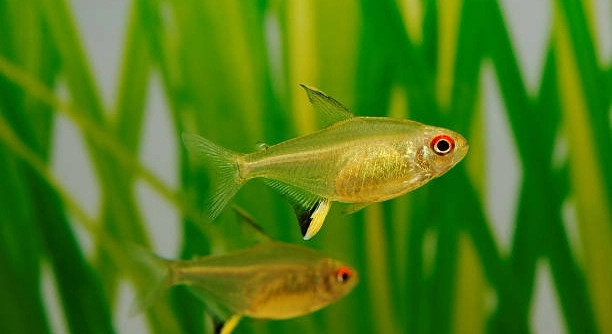
Lemon tetras are small, peaceful fish often kept in home aquariums. They are known for their bright yellow color and active swimming patterns, making them a popular choice for fish enthusiasts and beginners alike.
Lemon tetras are sensitive to tank vibration because their lateral line system detects movement in the water. Excessive vibrations cause stress responses, disrupt normal swimming behavior, and can weaken their immune systems, affecting overall health and well-being.
Understanding how vibrations impact these fish can improve tank conditions and promote healthier, calmer environments for your lemon tetras.
Understanding Tank Vibration and Its Effects
Tank vibration can come from many sources, including pumps, filters, or even nearby appliances. Lemon tetras are particularly sensitive to these disturbances due to their small size and delicate nervous systems. Constant vibration can make them anxious, causing erratic swimming or hiding. Over time, stress from vibrations can lower their immunity, making them more susceptible to disease. Even minor tremors that seem insignificant to humans can be unsettling for these fish. Maintaining a stable environment with minimal external vibrations helps them feel secure. Choosing quiet equipment and placing the tank on a sturdy, vibration-free surface can reduce stress. Observing how your tetras respond to changes in the tank allows you to identify problem areas. Their behavior often signals discomfort long before physical health issues appear. By understanding how vibrations affect lemon tetras, you can take practical steps to create a calmer, healthier aquarium environment that supports their natural behavior and overall well-being.
Lemon tetras react quickly to even slight vibrations, making careful tank placement essential for their health and comfort.
Stress from vibration not only impacts behavior but also feeding habits. Fish may eat less, swim irregularly, or become withdrawn, showing visible signs of discomfort. Maintaining consistent water flow and avoiding sudden equipment movement reduces stress levels. Providing hiding spots helps them feel safer. Monitoring their responses over time ensures a stable, healthy environment. Reducing vibrations contributes to overall longevity and well-being.
Minimizing Vibrations in the Aquarium
Placing the tank on a solid surface reduces disturbances and keeps the environment stable.
Small adjustments can make a big difference in reducing vibration exposure. Avoid placing tanks near high-traffic areas, washing machines, or speakers. Using foam padding or anti-vibration mats under the tank can absorb minor tremors. Regularly check pumps and filters to ensure they are balanced and quiet. Limiting sudden movements around the aquarium prevents startle responses. Grouping plants and decorations strategically also creates calmer swimming zones. With these adjustments, lemon tetras feel more secure and less stressed. Over time, their natural behavior returns, showing more active swimming and regular feeding patterns. Maintaining low vibration levels is a simple, effective way to support their health.
Reducing vibrations requires consistent effort and observation but is crucial for keeping lemon tetras healthy and calm in their tank environment.
Careful tank placement, equipment selection, and monitoring can significantly reduce stress caused by vibrations. Even small changes, like adding a supportive mat or choosing quieter filters, help create a stable environment. Consistency in maintenance routines and minimizing sudden external movements allow lemon tetras to thrive. Observing their behavior closely provides valuable insight into their comfort levels. Creating hiding spots with plants or decorations helps absorb movement and gives fish a sense of safety. Over time, these measures improve swimming patterns, feeding behavior, and overall well-being. Stress reduction through vibration control also supports long-term immunity, reducing the risk of disease and enhancing lifespan. Investing in vibration management ultimately leads to a more peaceful aquarium, making the tank healthier for all inhabitants. These small but deliberate steps show measurable improvements in the fish’s behavior and general health.
Common Sources of Tank Vibration
Household appliances like washing machines, vacuum cleaners, or nearby speakers often cause vibrations that travel through floors and walls into aquariums. Even slight tremors from pumps or water filters can be enough to unsettle lemon tetras, affecting their swimming and stress levels.
Vibrations from aquarium equipment are often overlooked but can significantly impact fish behavior. Pumps and filters that are unbalanced or placed on unstable surfaces produce constant movement in the water. Vibrations from nearby appliances, foot traffic, or even heavy furniture shifts can reach the tank and disturb sensitive species. Lemon tetras, being small and delicate, are especially prone to stress from these disturbances. Monitoring equipment regularly and securing the tank on a firm, stable surface helps prevent unwanted vibrations. Even small changes, like tightening loose components, can make the tank environment calmer.
Behavioral signs such as sudden darting, hiding, or loss of appetite often indicate that vibrations are present. Regular observation and awareness of external factors allow you to pinpoint the source of stress. Addressing these sources promptly improves the fish’s daily activity and reduces health risks. Ensuring a quiet and stable environment supports their natural swimming patterns and encourages consistent feeding. Over time, these adjustments foster a healthier and more peaceful aquarium environment for lemon tetras.
Protective Measures for Lemon Tetras
Adding plants and decorations creates zones that buffer vibrations and provide hiding spaces.
Strategic placement of tank accessories helps reduce the impact of vibrations. Dense plant clusters and decorative rocks can absorb minor water movement, giving lemon tetras areas to retreat when they feel stressed. Floating plants also dampen surface ripple caused by pumps. Arranging decorations thoughtfully allows fish to feel secure without overcrowding the tank. Hiding spaces mimic natural habitats and help reduce anxiety. Combining this with careful equipment management ensures a calmer aquarium environment.
Choosing quiet, low-vibration equipment is essential for minimizing stress. Pumps, filters, and air stones should operate silently and efficiently, with maintenance done regularly to prevent unnecessary noise. Placing the tank away from high-traffic zones, loud appliances, or heavy footfalls further reduces vibration exposure. Foam padding or vibration-absorbing mats beneath the tank can also help. By combining physical buffers with careful equipment selection, the environment becomes more stable. Lemon tetras respond positively to these measures, showing calmer swimming, improved feeding, and overall better health. Monitoring their behavior and making adjustments as needed maintains long-term well-being and reduces stress-induced illnesses.
Effects of Continuous Vibration
Constant vibration causes stress in lemon tetras, affecting their swimming and feeding habits. They may dart around the tank or hide more often, showing clear signs of discomfort. Long-term exposure can weaken their immune system and increase susceptibility to disease.
Even minor, persistent vibrations disrupt normal behavior. Fish may become lethargic or lose appetite, showing changes in daily routines. Observing these signs early helps prevent health problems and allows adjustments to tank placement or equipment to reduce stress effectively.
Recognizing Stress in Lemon Tetras
Signs of stress include erratic swimming, clamped fins, or unusual hiding patterns. Appetite loss and faded colors also indicate discomfort. Monitoring these behaviors regularly is essential for maintaining a healthy tank. Responding promptly to stress signals ensures the fish remain active and well-nourished.
Practical Tips for Reducing Vibration
Using mats or foam padding under tanks helps absorb external tremors. Equipment should be regularly checked for stability and balanced operation to prevent unnecessary vibrations.
Tank Placement Strategies
Placing the aquarium away from high-traffic areas reduces disturbances. Even minor footfalls or nearby appliance use can transmit vibrations through floors, affecting sensitive fish like lemon tetras.
FAQ
How can I tell if my lemon tetras are stressed from vibration?
Signs of stress include erratic swimming, clamped fins, frequent hiding, or loss of appetite. Faded colors and lethargy are also common indicators. Observing your fish daily helps you notice subtle changes before they become serious. Changes in behavior are often the first warning that vibrations are affecting their comfort.
What equipment causes the most vibration in a tank?
Filters and pumps are the primary sources of vibrations. If they are unbalanced, placed on an unstable surface, or left without maintenance, they can generate constant water movement. Air stones and water circulation devices can also contribute, particularly if noisy or improperly installed.
Can tank placement reduce vibration stress?
Yes. Placing the aquarium on a solid, vibration-free surface is essential. Avoid high-traffic areas, near washing machines, or beside speakers. Even slight tremors from nearby appliances or foot traffic can affect lemon tetras, so stability and quiet surroundings are important.
Do decorations and plants help protect fish from vibrations?
Absolutely. Dense plant clusters, rocks, and other decorations create zones that absorb water movement. Floating plants reduce surface ripples, giving fish areas to retreat and feel safe. These adjustments help mimic natural habitats, reducing anxiety and stress from minor vibrations.
Is it necessary to use vibration-absorbing mats under the tank?
While not mandatory, mats or foam padding are highly effective. They absorb external tremors and reduce the transmission of vibrations through floors. Combined with stable equipment and careful placement, mats contribute to a calmer environment for sensitive fish like lemon tetras.
How often should equipment be maintained to reduce vibrations?
Regular maintenance is essential. Pumps, filters, and air stones should be checked weekly for balance, cleaning, and stability. Loose components or debris can increase vibration, so consistent upkeep ensures quieter operation and reduces stress on your fish.
Can vibrations affect the health of lemon tetras long-term?
Yes. Chronic stress from continuous vibration weakens their immune system, making them prone to infections and illnesses. Over time, this can reduce lifespan and overall vitality. Minimizing vibration and providing a stable environment supports their health and natural behavior.
What are simple daily practices to minimize stress from vibrations?
Keep the tank away from high-traffic areas and noisy appliances. Observe fish behavior daily to detect early signs of stress. Ensure equipment runs quietly, and add hiding spots like plants and decorations. Even small changes can greatly improve their comfort and well-being.
Do all fish react the same way to vibration?
No. Lemon tetras are particularly sensitive due to their small size and delicate nervous systems. Other species may tolerate vibrations better, but monitoring behavior is always important. Understanding your specific fish’s sensitivity helps create an environment suited to their needs.
Can stress from vibration impact feeding habits?
Yes. Stressed fish may eat less or stop feeding altogether. Appetite loss is a key indicator of discomfort and should prompt an evaluation of tank conditions. Reducing vibration and creating calmer areas encourages normal feeding behavior.
Are there long-term solutions for vibration issues?
Long-term solutions include stable tank placement, quiet and balanced equipment, vibration-absorbing mats, and strategic decoration placement. Regular observation and maintenance ensure that lemon tetras remain healthy and stress-free over time. These steps create a consistently calm and safe aquarium environment.
Is it possible to completely eliminate vibrations?
Completely eliminating all vibrations may not be realistic, but they can be significantly reduced. Strategic placement, proper equipment, and environmental adjustments create a nearly vibration-free setting. Minimizing disturbances allows lemon tetras to thrive with minimal stress.
Final Thoughts
Lemon tetras are delicate fish that thrive in calm and stable environments. Their sensitivity to tank vibrations is largely due to their small size and the structure of their lateral line system, which detects water movement. Even minor tremors, which may seem insignificant to humans, can cause them stress. Continuous exposure to vibrations can lead to changes in swimming behavior, hiding more often, or losing appetite. Over time, stress from vibrations can also weaken their immune system, making them more susceptible to disease. Understanding the sources and effects of these disturbances is important for anyone keeping lemon tetras. It allows you to take practical steps to create a more secure and comfortable habitat. This understanding helps ensure that the fish remain healthy, active, and display their natural behaviors without unnecessary stress.
There are multiple strategies to reduce vibration in an aquarium, and implementing them can make a big difference in the well-being of lemon tetras. Placing the tank on a solid, stable surface is one of the simplest yet most effective measures. Avoiding high-traffic areas or locations near noisy appliances prevents constant external tremors. Equipment choice also matters; pumps, filters, and air stones should operate quietly and be properly maintained to minimize water movement caused by vibration. Adding plants, decorations, or floating objects in the tank can provide hiding spaces and absorb minor disturbances. Even small adjustments, like using foam padding under the tank, can significantly reduce vibration exposure. Each measure contributes to a calmer environment where lemon tetras feel safer and display normal behavior, including active swimming and regular feeding patterns.
Maintaining a low-vibration environment is not only about comfort; it has long-term benefits for the health and longevity of lemon tetras. Reduced stress supports their immune system, lowers the risk of illness, and encourages natural behavior. Monitoring fish behavior regularly allows you to detect early signs of stress, such as erratic swimming, clamped fins, or appetite loss, so adjustments can be made promptly. Creating a stable, calm environment is a combination of careful tank placement, equipment management, and thoughtful decoration. By paying attention to these factors, lemon tetras are more likely to thrive, remain active, and maintain vibrant colors. Focusing on minimizing vibrations is a simple but effective way to ensure a healthy, peaceful aquarium where lemon tetras can live comfortably for years.

Hello,
If you enjoy the content that we create, please consider saying a "Thank You!" by leaving a tip.
Every little bit helps us continue crafting quality advice that supports the health, happiness, and well-being of pets around the world, for pets of all shapes, sizes, and species.
We really appreciate the kindness and support that you show us!