
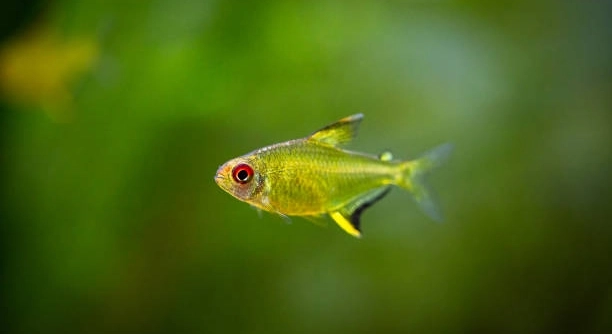
Have you ever noticed your lemon tetras acting strangely after a sudden change in tank temperature? These small, colorful fish are sensitive, and even minor swings in warmth can affect their behavior and overall well-being.
Lemon tetras exhibit stress responses when exposed to rapid temperature changes. Such fluctuations can cause erratic swimming, loss of appetite, and weakened immune systems, ultimately impacting their health if proper temperature stability is not maintained within their aquatic environment.
Maintaining a steady temperature is essential, as even brief disturbances can influence their behavior and health over time. Understanding these effects helps ensure a healthier, happier aquarium environment.
How Temperature Swings Affect Lemon Tetra Behavior
Lemon tetras are small fish that thrive in stable environments. Sudden temperature changes can make them swim erratically, hide more often, or even stop eating. When the water is warmer than usual, they become more active, sometimes darting quickly across the tank. Colder water slows them down, and prolonged exposure can weaken their immune systems. Even daily fluctuations of a few degrees can stress these fish, affecting growth and coloration. Tank decorations, plants, and hiding spots can provide temporary comfort, but they do not replace consistent water conditions. Observing their reactions carefully helps in identifying stress early. Regular monitoring of water temperature with a reliable thermometer is essential, and using a heater with a stable thermostat can prevent harmful swings. Feeding patterns may also shift during temperature changes, with fish showing less interest in food or struggling to digest. A calm environment and predictable water conditions are key to their well-being.
Temperature swings directly influence lemon tetra activity, feeding habits, and stress levels, highlighting the importance of maintaining consistent water conditions for their overall health.
Even minor fluctuations in temperature can impact growth, coloration, and social interactions among lemon tetras. By keeping the tank stable, you encourage a calmer, healthier aquarium.
Preventing Stress from Temperature Changes
Monitoring tank temperature daily ensures your lemon tetras remain comfortable. Quick adjustments after a drop or spike are essential to prevent long-term stress.
To prevent temperature-related stress, maintain consistent water conditions using a reliable heater and thermometer. Sudden changes can cause illness, aggressive behavior, and weakened immune responses. Placing the tank away from drafts, direct sunlight, or heating vents reduces fluctuations. Gradual water adjustments during maintenance, instead of large replacements at once, help prevent shock. Observing the fish daily allows early detection of unusual behavior, letting you act before problems escalate. Using plants and hiding spots gives them refuge during minor disturbances, supporting natural instincts. Understanding these needs ensures they thrive, retain bright coloration, and exhibit normal swimming and feeding habits. By following simple precautions and maintaining patience, you create a stable environment that minimizes stress and promotes long-term health for your lemon tetras. Consistency and careful observation are key factors in keeping these delicate fish active and healthy.
Signs of Stress in Lemon Tetras
Lemon tetras often show stress through rapid swimming, hiding, or loss of appetite. Faded coloration and clamped fins are also common indicators. Stress may appear suddenly after a temperature swing or gradually over time, affecting their overall health and social behavior.
Stress in lemon tetras can impact their interactions with other fish. Stressed fish may isolate themselves, avoiding the group or becoming unusually aggressive. Appetite changes are common; they may refuse food entirely or eat inconsistently. Their bright yellow coloration can dull, making them look less vibrant. Persistent stress lowers immunity, increasing susceptibility to diseases such as fin rot or ich. Observing patterns in swimming, feeding, and coloration can help identify stress early, allowing you to adjust tank conditions or temperature before serious health issues develop.
Behavioral changes often accompany physical signs of stress. Fish may hover near the surface, gasp for air, or exhibit erratic movements. Clamped fins and lethargy signal discomfort, often linked to water fluctuations. Maintaining a stable environment and monitoring interactions can reduce stress effects.
Managing Temperature Stability in Your Aquarium
Keeping tank water consistent requires careful monitoring of equipment and environment. Sudden changes from heaters, sunlight, or drafts should be avoided to protect fish health.
To manage stability, use a reliable heater with a thermostat to maintain steady water temperatures. Avoid placing the tank near windows, vents, or areas with fluctuating room temperatures. Gradual water changes help prevent shock, especially during seasonal transitions. Installing a thermometer allows continuous observation, ensuring small fluctuations don’t escalate into harmful swings. Plants and decorations provide hiding spaces, reducing stress during minor temperature shifts. Observing the fish’s behavior daily helps detect problems early, allowing timely adjustments. Consistency in feeding and routine maintenance supports overall health. By combining careful monitoring, proper equipment, and gradual adjustments, you create an environment where lemon tetras remain calm, active, and healthy.
Ideal Temperature Range for Lemon Tetras
Lemon tetras thrive in water between 72°F and 78°F. Staying within this range supports normal activity, feeding, and coloration, while reducing stress and the risk of illness.
Temperatures below 70°F can slow metabolism, and above 80°F may cause excessive activity or oxygen depletion. Consistency is key.
Gradual Adjustment Techniques
When changing water temperature, do it slowly to avoid shocking your lemon tetras. Introduce small increments over hours rather than sudden shifts, monitoring behavior carefully. Using a heater with an adjustable thermostat allows precise control. Gradual adjustments help maintain their immune system, reduce stress, and prevent erratic behavior or illness. Fish acclimate better when changes are slow, ensuring they remain active, feed normally, and retain vibrant colors. Even minor swings can have long-term effects, so patience is essential during transitions. Combining careful observation with incremental changes keeps the aquarium safe and stable for all inhabitants.
Using Equipment to Maintain Stability
Reliable heaters and thermometers are essential. They ensure the water stays within a safe, steady range, protecting your fish from stress.
FAQ
How quickly do lemon tetras react to temperature changes?
Lemon tetras are sensitive to even small shifts in water temperature. They often show signs of stress within minutes to a few hours. Rapid increases can make them swim erratically or jump around the tank, while sudden drops usually slow their movement and reduce appetite. Observing them closely during temperature fluctuations is essential.
What are the most common signs of temperature stress?
Common signs include clamped fins, faded colors, hiding more often, erratic swimming, or refusing food. Some tetras hover near the water surface or stay at the bottom. Stress weakens their immune system, increasing the risk of disease. Noticing these behaviors early allows corrective measures before serious health issues develop.
Can lemon tetras recover from temperature stress?
Yes, if changes are addressed promptly. Gradually restoring stable water conditions helps them regain normal activity and appetite. Providing hiding spots and a calm environment reduces further stress. Recovery may take several days, depending on how long they were exposed to fluctuations. Long-term damage is less likely if the tank conditions are corrected quickly.
How can I prevent temperature swings in my tank?
Use a heater with a reliable thermostat and check water temperature daily with a thermometer. Avoid placing the tank near windows, vents, or areas with drafts. Gradual water changes and minimizing sudden heater adjustments help maintain stable conditions. Plants and decorations also provide microenvironments where fish can seek comfort.
What should I do if my tetras show stress signs?
First, check the water temperature and adjust gradually if necessary. Ensure filtration and oxygen levels are stable. Observe the fish closely for continued abnormal behavior. Providing additional hiding spots and reducing disturbances helps them feel secure. Maintaining consistent feeding schedules also supports recovery.
Do all lemon tetras react the same way to temperature swings?
Reactions vary by age, health, and temperament. Younger or weaker fish are more vulnerable to stress, while healthier adults may tolerate minor fluctuations better. Some individuals may become more skittish, while others slow down. Consistency and careful monitoring help ensure all fish remain comfortable.
How does temperature affect breeding?
Breeding success depends on stable, warm water within the ideal range of 72°F to 78°F. Fluctuations can prevent spawning or cause eggs to fail. Consistent temperature encourages normal courtship and improves fry survival rates. Gradual adjustments are essential if changes are needed for breeding purposes.
Are there long-term effects of repeated temperature swings?
Repeated fluctuations can lead to chronic stress, stunted growth, faded coloration, and weakened immunity. Fish may become more prone to disease and show behavioral changes such as constant hiding or aggression. Maintaining a stable environment over time is key to preventing long-term health problems.
Can other tank conditions make temperature swings worse?
Yes, poor water quality, low oxygen, overcrowding, and high waste levels can amplify the effects of temperature changes. Even small fluctuations become more stressful under these conditions. Regular water testing, proper filtration, and tank maintenance reduce overall stress and improve resilience.
Is it necessary to adjust temperature when adding new fish?
Yes, new fish should be acclimated slowly to the tank’s temperature. Sudden exposure to warmer or cooler water can stress them and affect existing fish. Floating the bag in the tank and gradually mixing tank water over 30–60 minutes helps them adjust safely.
How precise does the temperature need to be?
Lemon tetras tolerate minor variations within a couple of degrees, but rapid or large swings are harmful. Consistency matters more than exact precision. Maintaining a stable range between 72°F and 78°F ensures optimal health, activity, and feeding behavior.
Are there tools to help monitor temperature continuously?
Digital thermometers and aquarium controllers provide accurate, real-time readings. Some models alert you to sudden changes, allowing immediate correction. Using reliable equipment reduces guesswork and helps keep your tetras safe, minimizing stress and supporting overall aquarium stability.
How long should I wait to see improvement after stabilizing temperature?
Behavior and appetite often improve within hours to a few days. Full recovery, including restored coloration and immune strength, can take up to a week. Patience and continued monitoring are essential to ensure no further stress occurs during this period.
Does temperature affect social behavior?
Yes, stressed tetras may isolate themselves or act aggressively toward others. Maintaining stable water conditions encourages normal schooling, interaction, and overall group harmony. Social behavior is a good indicator of overall comfort in the tank.
Can stress from temperature swings be prevented entirely?
While minor fluctuations are sometimes unavoidable, careful equipment use, gradual water changes, and monitoring can largely prevent stress. Providing hiding spaces and maintaining water quality further reduce risks, ensuring lemon tetras remain healthy and active in a stable environment.
This FAQ section addresses common concerns and practical solutions, giving clear guidance to maintain the well-being of lemon tetras in varying tank conditions.
Maintaining a stable environment is essential for the health of lemon tetras. These small fish are sensitive to sudden changes in temperature, and even minor fluctuations can affect their behavior and overall well-being. Keeping the water consistently within the ideal range of 72°F to 78°F helps them remain active, eat normally, and display their natural bright coloration. A stable environment also reduces the risk of disease, as stress caused by temperature swings can weaken their immune system. By paying attention to tank conditions and monitoring temperature regularly, you can create a comfortable home for your tetras that supports both their physical health and their social behavior within the school.
Using reliable equipment is one of the most effective ways to maintain stable temperatures. Heaters with accurate thermostats and digital thermometers provide constant feedback, allowing you to respond to changes quickly. Avoid placing the tank near windows, vents, or areas with drafts, as these can cause fluctuations in water temperature. Gradual water changes are important, as adding large amounts of water that are too hot or too cold can shock the fish. Even small adjustments should be done slowly over time, giving the fish a chance to acclimate. In addition, providing plants, decorations, and hiding spaces gives the fish comfort during minor disturbances and supports natural behaviors. By combining careful equipment use with thoughtful tank setup, you reduce the chances of stress and improve the overall health and happiness of your lemon tetras.
Observing your fish closely is just as important as maintaining proper temperature. Watch for signs of stress such as clamped fins, faded colors, hiding, or erratic swimming. These behaviors can appear quickly after temperature swings, and early detection allows you to correct the issue before it becomes serious. Consistent feeding, routine maintenance, and a calm environment further support recovery and prevent additional stress. Over time, a stable and well-monitored aquarium helps your lemon tetras thrive, retain vibrant colors, and remain active and social within their group. Taking these steps ensures that your aquarium is a safe and comfortable space, promoting long-term health for these delicate fish and creating a balanced, enjoyable environment.

Hello,
If you enjoy the content that we create, please consider saying a "Thank You!" by leaving a tip.
Every little bit helps us continue crafting quality advice that supports the health, happiness, and well-being of pets around the world, for pets of all shapes, sizes, and species.
We really appreciate the kindness and support that you show us!