7 Strategies for Feeding Picky Lemon Tetra
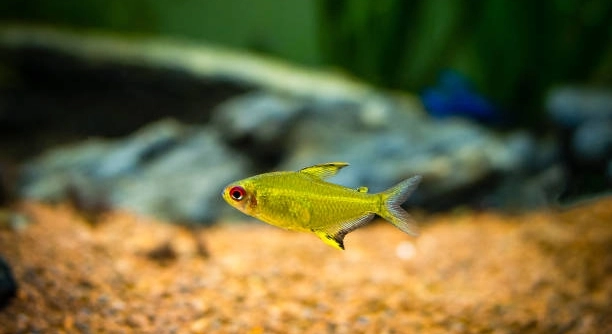
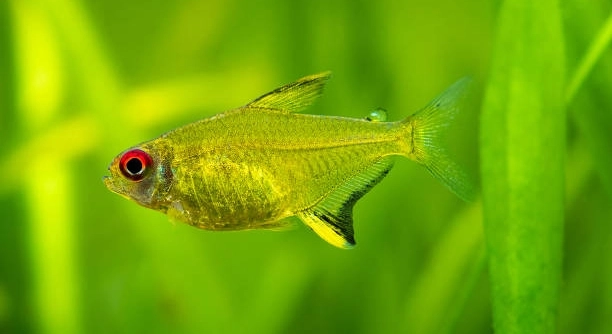
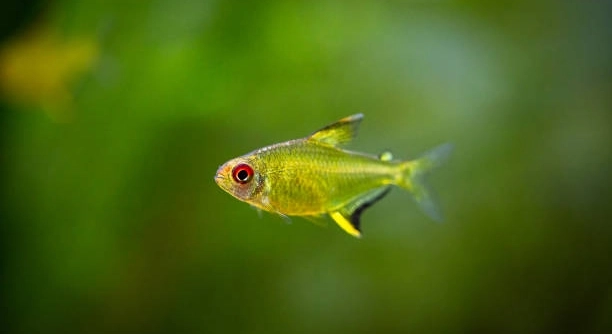
Lemon tetras are small, lively fish that bring color and energy to any aquarium. Feeding them can sometimes be tricky, especially when they show hesitation toward certain foods. Maintaining a healthy diet is essential for their growth and well-being. Providing a varied and balanced diet is key to managing picky feeding habits in lemon tetras. … Read more
Why Is My Lemon Tetra Avoiding the Top?

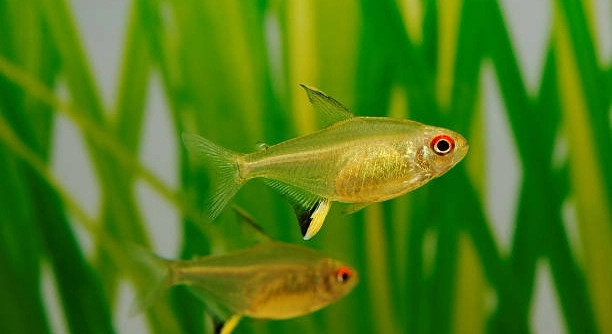
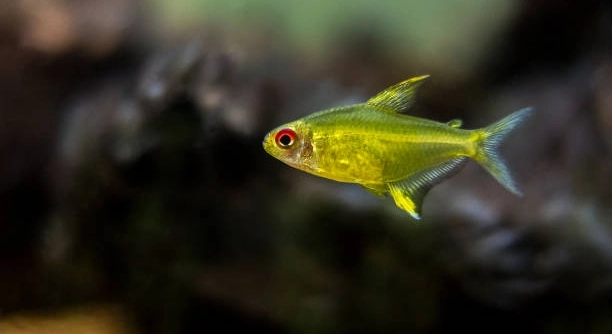
Is your lemon tetra spending most of its time at the bottom of the tank, leaving the upper levels empty and quiet? Observing this behavior can be worrying, especially when you want your fish to explore freely. Lemon tetras often avoid the top of the tank due to stress, water quality issues, or insufficient cover. … Read more

How to Tell If Your Lemon Tetra Trusts You

Are your lemon tetras swimming calmly near your presence, or do they dart away at every movement? Observing their behavior can reveal subtle signs that indicate comfort and familiarity within their aquatic environment. A lemon tetra demonstrates trust by approaching you without hesitation, following your hand, and displaying relaxed body language. Consistent feeding routines and … Read more

Why Are My Lemon Tetra Always Huddled Together?

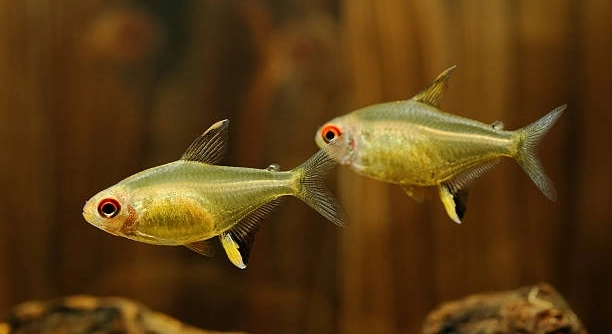
Are your lemon tetra always huddled together in their tank, creating a tight cluster that makes you wonder what might be influencing this behavior as you go about caring for them in your aquarium setup. The main reason lemon tetra huddle closely is their natural schooling instinct, which provides safety, reduces stress, and helps them … Read more

Why Does My Arowana Always Look Toward the Door?

Arowanas are fascinating fish, admired for their elegance and striking presence in aquariums. Many owners notice them behaving in unusual ways, such as consistently facing the door, which can feel puzzling and intriguing to observe daily. The primary reason an arowana often looks toward the door is due to instinctive alertness and environmental awareness. This … Read more

Should You Feed Lemon Tetra Before Lights Out?

Have you ever noticed your lemon tetras swimming restlessly just before the lights go out? Many aquarists wonder if feeding them at this time affects their health or sleep patterns in the aquarium. Observing their behavior can be surprising. Feeding lemon tetras before lights out is generally not recommended. Late-night feeding can disrupt their natural … Read more

7 Facts About Lemon Tetra That Might Surprise You

Have you ever noticed how your lemon tetra glows in the water and wondered what makes this tiny fish special? These small swimmers carry qualities that add charm to your tank and create an atmosphere. Lemon tetras exhibit a range of biological and behavioral traits that often go unnoticed. Their color intensity reflects health status, … Read more

7 Things You Can Add to a Lemon Tetra Tank

Lemon tetras are small, lively fish that brighten up any freshwater aquarium. Their vibrant color and peaceful nature make them a popular choice for hobbyists seeking a visually appealing and harmonious tank environment. Adding elements to a lemon tetra tank enhances both aesthetics and fish well-being. Live plants, smooth rocks, driftwood, floating vegetation, moss, gentle … Read more

What Do Lemon Tetra Do When They’re Curious?

Lemon tetras are small, vibrant fish that bring life to any aquarium. Their playful movements and shimmering colors make them captivating to watch, especially when they explore new objects or interact with their environment in gentle, lively ways. When lemon tetras are curious, they swim slowly toward unfamiliar objects, hover near them, and may gently … Read more

7 Behavioral Changes After Water Changes

Are your fish acting differently after a routine water change? Many aquarists notice subtle shifts in their tank’s behavior patterns. These changes can indicate adjustments in water chemistry or stress responses in aquatic life. Behavioral changes after water changes commonly include increased activity, hiding, feeding pattern alterations, and temporary stress responses. These shifts are natural … Read more