
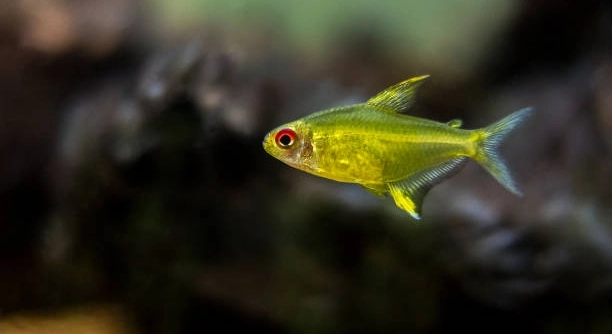
Are your lemon tetras swimming calmly near your presence, or do they dart away at every movement? Observing their behavior can reveal subtle signs that indicate comfort and familiarity within their aquatic environment.
A lemon tetra demonstrates trust by approaching you without hesitation, following your hand, and displaying relaxed body language. Consistent feeding routines and gentle interaction reinforce their confidence, allowing the fish to associate your presence with safety and care.
Understanding these behaviors can help you strengthen your bond and create a more harmonious tank environment for your fish companions.
Signs Your Lemon Tetra Feels Comfortable Around You
Lemon tetras that trust you will often swim closer when you approach the tank. They may hover near your hand or follow it along the glass, showing curiosity rather than fear. Over time, they will respond to feeding by coming out confidently, signaling that they feel safe and secure. Observing their fins and body posture can also indicate comfort. Relaxed fins and smooth movements show that they are not stressed. In contrast, sudden darting or hiding often means they are still wary of interaction. Trust builds slowly, so consistent, gentle care is key. Regular observation of their behavior can help you notice small changes that indicate growing familiarity. Even small gestures, like tapping lightly on the tank or maintaining a steady presence, can encourage them to associate you with positive experiences, strengthening the bond over weeks and months of patient care.
Trust is usually reflected in calm, predictable behavior near your presence.
Watching how your tetra reacts over time helps you adjust your interactions and care. Consistency and patience reinforce trust effectively.
Building Trust Through Routine
Consistent feeding schedules help your lemon tetra learn that you are a source of food and safety.
Regular interaction, including feeding and gentle observation, allows your tetra to associate your presence with comfort. Offering food at predictable times and avoiding sudden movements teaches them to relax when you are near. Over time, you may notice them swimming closer or following your hand along the tank walls. Observing these subtle behaviors helps you gauge their level of trust. Adjusting lighting, minimizing sudden disturbances, and keeping water conditions stable are also important, as stress can hinder trust-building. Spending short, consistent periods near the tank encourages natural curiosity and familiarity. Avoid abrupt changes, as this may cause anxiety. With patience, your lemon tetra can grow more interactive and confident around you, displaying signs of comfort like smooth swimming, gentle hovering, and willingness to explore. Documenting their behavior can also help track progress and identify patterns that indicate trust development, making your interactions more meaningful and predictable.
Encouraging Interaction
Lemon tetras respond well to gentle movements outside the tank. Slowly placing your hand near the glass or offering food consistently helps them associate you with safety. Avoid sudden gestures, as this can startle them and slow trust-building.
Consistency is key when encouraging interaction. Repeating small, calm actions like tapping lightly on the tank or placing food in the same spot daily helps your tetra recognize your presence as non-threatening. Over time, they may swim closer or linger near your hand, signaling growing comfort. Patience is essential, as trust develops gradually. Stress-free interactions reinforce familiarity and allow your fish to feel secure.
Observation helps refine interaction techniques. Noticing subtle changes in swimming patterns, fin movements, and responsiveness enables you to adjust your approach. Gradually, your tetra may begin following your hand, exploring near you, and showing relaxed behaviors. These small steps strengthen the bond and create a stable, comfortable environment for continued interaction.
Signs of Stress to Watch For
Avoiding sudden changes in the tank helps prevent stress in your lemon tetra.
Stress indicators include darting, hiding, or clamped fins. Sudden movements outside the tank or inconsistent feeding can cause anxiety. Maintaining stable water temperature, pH, and lighting supports a calm environment. Observing your tetra daily allows you to notice early signs of discomfort and adjust care routines accordingly.
Understanding stress behaviors is crucial for building trust. A stressed tetra may avoid interaction, making it harder to establish comfort. Adjusting feeding methods, minimizing sudden disturbances, and providing hiding spaces encourages relaxation. Gradual exposure to your presence, paired with consistent care, allows your tetra to regain confidence. Over time, they will respond positively, demonstrating trust through calm swimming, hovering near your hand, and smooth fin movements, creating a safer and more interactive tank environment.
Gradual Hand Presence
Placing your hand slowly near the tank helps lemon tetras get used to your presence. Keeping movements gentle and predictable reduces fear and encourages them to approach.
Repeating this consistently over several days allows your fish to associate your hand with safety. Avoid quick gestures that may startle them.
Feeding as a Trust Tool
Offering food by hand or near your fingers encourages interaction. Your tetra begins to link you with positive experiences, which strengthens their confidence. Consistent timing and calm movements during feeding further reinforce trust. Over time, they may swim closer, hover around your hand, and show relaxed, natural swimming patterns. Patience and routine are essential, as trust grows gradually through repeated positive experiences. This method also helps you observe subtle behavior changes, allowing adjustments to your approach for better interaction and comfort. Regular, gentle feeding becomes a key way to maintain and enhance their trust.
Respecting Personal Space
Allowing your tetra to retreat when needed prevents stress and builds long-term trust.
FAQ
How can I tell if my lemon tetra is comfortable around me?
A comfortable lemon tetra will swim calmly near your presence. They may follow your hand along the glass or hover near it. Relaxed fins, smooth movements, and willingness to explore indicate that they feel safe. Avoiding hiding spots and swimming openly are also positive signs of trust.
Why does my lemon tetra hide when I approach?
Hiding is usually a sign of caution or stress. Sudden movements, loud noises, or inconsistent feeding schedules can trigger this behavior. It is natural for them to retreat initially, especially if they are not yet familiar with your presence. Patience and gentle interaction gradually reduce hiding.
How long does it take for a lemon tetra to trust me?
Trust develops slowly over weeks or even months. Consistency in feeding, gentle movements, and calm observation are key. Each fish has its own personality, so some may warm up faster than others. Regular, positive interactions help build familiarity and confidence steadily.
Can hand-feeding improve trust?
Yes, hand-feeding allows your tetra to associate you with food and safety. Offering small portions near your fingers encourages them to approach. It is important to remain calm and consistent. Over time, this method can significantly strengthen their comfort level and willingness to interact.
What behaviors indicate stress in lemon tetras?
Darting, clamped fins, rapid breathing, and hiding are common stress indicators. Changes in appetite or swimming patterns can also suggest discomfort. Stress can result from sudden movements, poor water conditions, or loud noises. Observing these signs early helps you adjust care to promote a calm environment.
How can I reduce stress and build trust?
Maintaining stable water conditions, minimizing sudden movements, and keeping feeding routines consistent are essential. Providing hiding spots lets your tetra retreat when needed. Gradual exposure to your presence and gentle interaction allows them to feel secure, fostering trust over time.
Is it normal for some fish to be shy despite consistent care?
Yes, individual personalities vary. Some lemon tetras are naturally cautious or shy. Trust may develop more slowly, but consistent positive interactions, calm movements, and patience can help even the most reserved fish feel comfortable over time.
Should I tap on the glass to get attention?
No, tapping on the glass can startle or stress your fish. Calm gestures outside the tank, slow hand movements, and consistent feeding routines are more effective for building trust. Avoid abrupt noises or vibrations near the tank.
Can other tank mates affect trust?
Yes, the behavior of other fish can influence your tetra’s comfort. Aggressive or overly active tank mates may increase anxiety. Ensuring compatible companions and providing adequate space allows your tetra to feel secure and interact more freely with you.
What is the best way to observe trust-building?
Regular observation of swimming patterns, fin posture, and proximity to your hand helps track progress. Noting small changes over time shows growing comfort. Documenting behavior allows adjustments to your approach, ensuring interactions remain positive and stress-free for your lemon tetra.
How often should I interact with my lemon tetra?
Short, consistent sessions daily are best. Too much interaction at once may overwhelm them. Gentle observation, feeding, and slow hand movements help maintain familiarity without causing stress. Regular engagement builds trust steadily while respecting their natural behavior.
Can lighting affect trust?
Yes, sudden changes in lighting can startle fish and increase anxiety. Keeping consistent lighting, simulating natural day-night cycles, and avoiding abrupt bright lights near the tank helps maintain a calm environment that supports trust-building behaviors.
How can I tell if my tetra is showing curiosity rather than fear?
Curiosity is shown through relaxed swimming near your hand, gentle hovering, and exploring areas around your presence. Fear is indicated by darting, hiding, or clamped fins. Observing subtle differences in behavior helps you understand their comfort level.
Are there ways to encourage shy tetras to come closer?
Placing food consistently near your fingers, moving slowly, and allowing gradual exposure to your presence helps shy tetras gain confidence. Avoid forcing interaction. Patience, routine, and calm gestures gradually encourage them to approach and engage naturally.
Can trust decline after it has been built?
Yes, changes in routine, water quality, or sudden disturbances can cause a loss of trust. Maintaining consistent care, stable conditions, and gentle handling is essential to preserve established trust and prevent anxiety or fear.
How do I know if my tetra really trusts me?
Trust is shown through consistent calm behavior near your hand, swimming toward you, and relaxed body language. A tetra that allows close interaction without hesitation demonstrates comfort and confidence in your presence. Tracking gradual changes confirms growing trust over time.
Can multiple tetras learn trust together?
Yes, observing and interacting with them as a group can encourage collective comfort. However, individual personalities matter, and some may take longer to approach. Patience, routine, and calm interaction foster both individual and group trust in a shared environment.
Is it okay to use feeding as the only interaction method?
Feeding is effective, but combining it with calm observation and gradual hand presence strengthens trust more effectively. Interaction without stress, consistent routines, and positive reinforcement ensures your tetra feels secure while associating you with safety and comfort.
How do I handle a newly introduced tetra?
New tetras need time to adjust. Avoid immediate handling or tapping, and provide stable water conditions. Consistent feeding, gentle observation, and patience allow them to acclimate. Gradually, they will begin to recognize your presence and build trust over several days or weeks.
What should I avoid to maintain trust?
Avoid sudden movements, loud noises, inconsistent feeding, and abrupt changes in the tank environment. Disruptions can increase anxiety and slow trust-building. Calm, steady care and predictable routines maintain a secure and comfortable space for your lemon tetra to feel safe and confident.
Building trust with your lemon tetra requires patience and observation. Each fish has its own personality, and some may be more cautious than others. Noticing subtle behaviors, such as swimming near your hand or lingering during feeding, provides important clues about their comfort level. Calm movements and consistency are key. Over time, repeated positive interactions help your tetra feel secure and associate your presence with safety. Small gestures, like placing your hand slowly near the tank or offering food consistently, encourage them to approach and explore without fear. Avoid sudden movements or loud noises, as these can startle them and slow the process of building trust.
Creating a predictable environment also plays a significant role in fostering trust. Maintaining stable water conditions, including temperature, pH, and filtration, ensures your tetra feels secure. Inconsistent routines or abrupt changes can increase stress and make them hesitant to interact. Providing hiding spaces allows your tetra to retreat when needed, giving them a sense of control over their environment. Over time, these consistent routines and stable conditions reinforce comfort and confidence. Observing your tetra regularly allows you to notice changes in behavior, such as relaxed fins, smooth swimming, or following your hand, which indicate growing trust.
Finally, trust is a gradual process that strengthens with careful attention and patience. Some lemon tetras may take longer to respond, and that is normal. Consistency in care, gentle interaction, and calm observation build a reliable bond that encourages relaxed, confident behavior. Even small improvements in their behavior reflect progress and show that your efforts are making a difference. By respecting their natural tendencies, providing a stable environment, and interacting thoughtfully, you can create a relationship based on trust. This process not only enhances your tetra’s well-being but also makes caring for them more rewarding, creating a peaceful and engaging tank environment.

Hello,
If you enjoy the content that we create, please consider saying a "Thank You!" by leaving a tip.
Every little bit helps us continue crafting quality advice that supports the health, happiness, and well-being of pets around the world, for pets of all shapes, sizes, and species.
We really appreciate the kindness and support that you show us!