
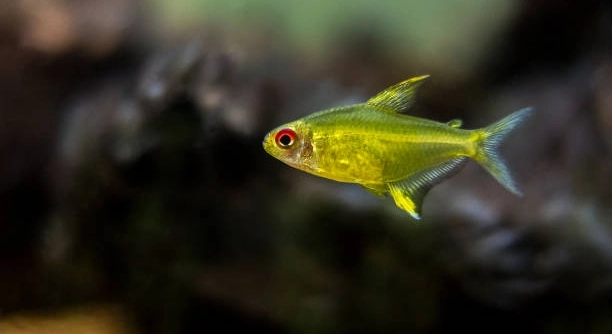
Are your lemon tetra always huddled together in their tank, creating a tight cluster that makes you wonder what might be influencing this behavior as you go about caring for them in your aquarium setup.
The main reason lemon tetra huddle closely is their natural schooling instinct, which provides safety, reduces stress, and helps them feel secure. When conditions shift, such as changes in water quality or tank mates, this instinct intensifies and reinforces behavior.
Understanding what affects their behavior helps support a calmer tank as you explore factors shaping their close swimming habits daily.
Why They Form Tight Groups
Schooling is a natural behavior for lemon tetra, and they rely on close formation to feel secure in their environment. When they stay grouped, they reduce stress and maintain a sense of stability that supports their well being. In many aquariums, this behavior becomes more noticeable because the tank limits their swimming area, encouraging them to remain together as they adjust to the space around them. I have seen how this closeness often reflects their need for consistency, especially when new elements are introduced into the tank. Even small changes, like new plants or décor, can cause them to cluster more tightly as they assess what is happening. Their calmness grows when nothing feels unpredictable, which is why a steady routine supports better behavior. Watching them move together in smooth patterns shows how much they rely on unity. Their grouping is a simple reflection of their natural instincts and behaviors.
Group formation increases when they sense slight changes around them, and this often happens during routine activities like feeding or cleaning. Their instinct responds quickly to anything different, leading them to swim closer together as a comforting reaction that helps them feel protected while they adjust to the moment daily.
Understanding their tendency to stick together helps you maintain a balanced tank that supports calmer behavior. When you notice tighter grouping, it can mean they want steadier surroundings or more familiar conditions. I have seen how minor improvements, like gentle lighting or stable temperature, create a visible change in their confidence. Giving them peaceful spaces to dart through encourages smoother movement that feels natural to them. Their behavior becomes easier to read once the environment stays consistent, and you will recognize their preferred patterns over time. These simple adjustments help maintain harmony and allow them to swim with greater ease.
How Tank Conditions Influence Grouping
When tank conditions shift even slightly, their grouping may tighten as they respond to the new environment. Sudden movement, changes in temperature, or unfamiliar tank mates can influence how close they swim. Their instinct pushes them together for reassurance while they adapt to what feels different around them each day.
Tank conditions play a major role in how lemon tetra behave, and maintaining stability can greatly reduce their need to cluster closely. When water parameters drift from their preferred range, they react quickly by seeking the comfort of their group. Stable temperature, gentle filtration, and clean water help keep their stress levels low. I have noticed that even slight changes in lighting or background movement can influence their confidence, so keeping their environment calm supports steady behavior. Providing plants and open swimming areas also helps them feel balanced, giving them the option to scatter or regroup based on what feels safe. Their reactions often reflect how secure the space feels, so watching their patterns can show you what they need. Feeding routines, tank maintenance, and interactions with other fish all shape how they move. When these daily factors remain predictable, their grouping becomes more relaxed and natural. Careful observation helps you catch when they seem tense, and small adjustments often make a meaningful difference. Their comfort depends on consistency, and offering a stable environment allows their natural traits to show clearly. This steady approach keeps them calm and encourages smoother swimming patterns that reflect their peaceful nature in their aquarium.
Common Stress Triggers
Stress affects how lemon tetra behave, and small disruptions often make them group tightly. Sudden noise, bright lighting, or activity around the tank can influence their comfort level. I pay close attention to these little shifts because they quickly show when the fish feel unsettled or need calmer surroundings daily.
Many stress triggers come from changes that seem minor but feel significant to lemon tetra. Rapid temperature shifts, uneven water flow, and strong currents can make them bunch together for reassurance. I have seen how even routine maintenance, like moving equipment or adjusting plants, briefly alters their confidence. Keeping the environment stable helps reduce these reactions and supports smoother behavior. When the tank feels predictable, the fish spread out more naturally and move with steadier patterns. Paying attention to these details helps prevent unnecessary tension. Their movements become easier to understand once the space remains calm and consistent in care.
Some stress factors develop gradually, especially in tanks that lack enough visual barriers or open areas. Lemon tetra respond strongly to how secure their surroundings feel, and cluttered layouts can contribute to tighter grouping. I try to keep the layout balanced so they have clear paths and soft hiding spots. These simple adjustments help them navigate without feeling pressured by their surroundings. When the space feels organized, they show smoother movement and less clustered behavior. Their reactions reflect how safe they feel, and maintaining this balance supports a calmer tank. Stable handling and gentle routines help reinforce their comfort daily.
Environmental Stability
Stable conditions play a major role in keeping lemon tetra relaxed, and even slight inconsistencies can cause them to group more tightly. I watch their reactions closely because they often reveal when something in the tank feels off. Adjusting temperature, reducing sudden movement, and keeping lighting steady helps create an atmosphere that encourages calmer behavior each day and steady routines often help them remain confident by preventing stress that develops from abrupt or unpredictable changes.
Maintaining environmental stability is essential for supporting consistent behavior in lemon tetra, especially when they seem sensitive to small variations in their surroundings. Water quality should remain steady, with parameters kept within their preferred range to avoid stress responses that lead to tighter grouping. I have noticed that even brief disruptions, such as rapid temperature shifts or strong filtration bursts, can influence how they interact with one another. Creating a predictable setting helps them settle into natural movement patterns without displaying signs of tension. Incorporating balanced lighting, gentle water flow, and calm placement of the tank encourages a more relaxed atmosphere. Their behavior becomes easier to interpret when the environment does not fluctuate. Predictable routines reduce uncertainty and support a smoother rhythm in the tank.
How Tank Mates Affect Grouping
Tank mates influence how closely lemon tetra swim together, especially if the other fish are fast, territorial, or unpredictable. I have seen how they tighten their formation when sharing space with species that move suddenly or dominate certain areas of the tank.
Peaceful tank mates help them stay relaxed and spread out more naturally. When the other fish behave calmly, lemon tetra feel safer exploring open areas. I try to choose species that match their temperament so the tank feels balanced and their instinct to huddle does not intensify unnecessarily.
Feeding Behavior and Grouping
Feeding routines play a noticeable role in how lemon tetra position themselves throughout the day. When food enters the tank, they immediately gather more tightly because it feels like a key moment for them to act together. I have seen how they respond quickly to movement at the surface, moving in sync as they prepare to eat. Uneven feeding areas can cause them to cluster more aggressively, especially if the food spreads irregularly. Creating a calm feeding pattern with consistent portions helps them remain steady. Their responses become smoother when mealtimes feel predictable. This simple routine supports both balanced behavior and a comfortable environment that keeps them from staying overly clustered once feeding ends.
Lighting and Comfort
Lighting plays a strong role in their comfort, and bright or sudden changes often make them huddle. I try to use gentle lighting that shifts slowly, giving them time to adjust and move confidently without feeling startled or pressured by harsh illumination.
Why are my lemon tetra always huddled together?
Lemon tetra naturally school, and huddling is a way for them to feel secure. They rely on grouping to reduce stress and stay alert. Environmental changes, tank mates, or sudden movement often trigger closer clustering. I have noticed that maintaining stable conditions and gentle routines helps them feel safer and encourages more relaxed swimming over time.
Is huddling a sign of stress?
Yes, huddling can indicate stress if it is excessive or prolonged. Factors like poor water quality, rapid temperature changes, or aggressive tank mates often cause this behavior. I monitor my tank carefully, and when the fish huddle more than usual, it usually signals a need to check water parameters or reduce disturbances.
Can tank size affect their behavior?
Absolutely. Lemon tetra need enough space to swim freely. In cramped tanks, they naturally stay close together. I keep the tank adequately sized so they can move comfortably while still schooling. Proper tank layout with plants and open swimming areas helps them balance safety and exploration.
Do water parameters impact huddling?
Yes, water quality is critical. Poor pH, temperature fluctuations, or high ammonia can increase stress, leading to tighter grouping. I regularly test water and maintain stable conditions. When water parameters are ideal, the fish feel secure, move more naturally, and show less clustering behavior.
Does lighting influence their grouping?
Bright or inconsistent lighting often makes lemon tetra cluster more tightly. Gentle and gradual light changes help them adjust comfortably. I have seen that soft lighting allows them to spread out while still maintaining their natural schooling instincts.
Will adding more tank mates help reduce huddling?
Adding compatible, peaceful tank mates can make them feel more secure and relaxed, but overcrowding should be avoided. I choose fish that match their temperament so the group feels balanced. Too many or aggressive species can increase stress and force tighter clustering.
Can diet affect their behavior?
A consistent feeding routine helps maintain calm behavior. Uneven feeding or competition can trigger more intense huddling. I provide regular meals in controlled portions, ensuring all fish get access. Predictable feeding encourages smoother movements and reduces tension within the school.
How can I encourage them to spread out more?
Providing stable water conditions, gentle lighting, and balanced tank mates encourages lemon tetra to swim more freely. I also arrange plants and open swimming zones for safe exploration. Reducing sudden disturbances during maintenance or feeding helps them remain relaxed and prevents excessive clustering.
Is huddling more common in certain seasons or times?
Yes, temperature changes or seasonal light shifts can affect their behavior. I notice that during slightly cooler periods or strong light fluctuations, they huddle more tightly. Maintaining stable conditions year-round helps reduce this tendency and keeps them active and comfortable.
Should I be concerned if they huddle constantly?
Persistent huddling may indicate underlying stress or environmental issues. I carefully monitor water quality, tank mates, and lighting when this happens. Addressing these factors usually restores normal behavior. Observing their pattern closely allows me to respond promptly and maintain a healthy, calm environment for my lemon tetra.
This FAQ covers common reasons for clustering behavior, practical solutions, and how small adjustments in the tank environment can make a significant difference in reducing stress and supporting natural schooling patterns.
Lemon tetra are naturally social fish, and their tendency to huddle is a reflection of their instincts rather than a problem. In most cases, grouping together provides them with a sense of safety and reduces stress, which is essential for their overall well-being. I have observed that even small changes in their environment can influence how tightly they stick together. Factors like tank size, layout, water quality, and the behavior of tank mates all play a role in shaping how they move and interact. When these elements are carefully managed, their behavior becomes more predictable, and they can swim confidently without remaining overly clustered. Understanding that huddling is a normal response allows you to adjust the tank environment thoughtfully, making it more comfortable for the fish and easier to interpret their behavior accurately.
Maintaining stable water parameters is one of the most effective ways to support calmer behavior in lemon tetra. Temperature, pH, and filtration should remain consistent to reduce stress and allow the fish to feel secure. I have noticed that even minor fluctuations can lead to tighter grouping, and keeping a routine for feeding and tank maintenance helps them feel stable. Lighting also has a significant effect; sudden or overly bright lights can startle them and increase huddling. By creating a calm, consistent environment with gentle lighting and carefully placed plants or open swimming areas, the fish can express their natural schooling behavior more freely. Choosing peaceful, compatible tank mates further encourages a balanced atmosphere, preventing the need for excessive clustering and allowing the fish to move with more confidence and ease.
Observing lemon tetra closely helps identify patterns and underlying causes of huddling behavior. I often pay attention to when they group more tightly, which can indicate stress or adjustments to environmental changes. Simple interventions, such as reducing disturbances, providing adequate space, and maintaining routine feeding, often make a noticeable difference. Their clustering is not a sign of illness in most cases but rather a reflection of instinctive behavior and environmental comfort. By focusing on stability, predictability, and thoughtful tank management, it is possible to support their natural behavior while reducing stress. Over time, this approach encourages healthier, more confident fish that swim freely and display their natural schooling tendencies in a comfortable, well-maintained environment.

Hello,
If you enjoy the content that we create, please consider saying a "Thank You!" by leaving a tip.
Every little bit helps us continue crafting quality advice that supports the health, happiness, and well-being of pets around the world, for pets of all shapes, sizes, and species.
We really appreciate the kindness and support that you show us!