
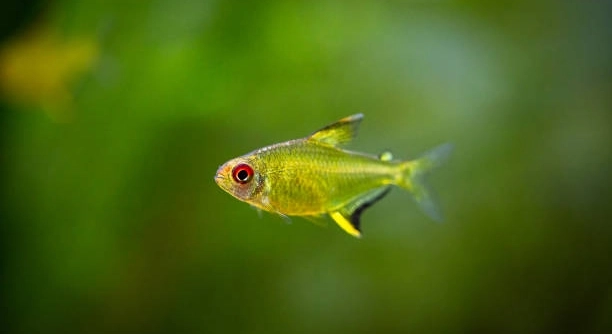
Lemon tetras are small, lively fish that brighten up any freshwater aquarium. Their vibrant color and peaceful nature make them a popular choice for hobbyists seeking a visually appealing and harmonious tank environment.
Adding elements to a lemon tetra tank enhances both aesthetics and fish well-being. Live plants, smooth rocks, driftwood, floating vegetation, moss, gentle substrate, and subtle lighting create natural habitats, encourage healthy behaviors, and maintain stable water conditions for these delicate species.
Creating a visually pleasing and comfortable home for your tetras is easier than it seems with the right additions.
Live Plants
Adding live plants to a lemon tetra tank creates a natural and calming environment. Plants like Java fern, Anubias, and Amazon sword provide shelter and hiding spots, which reduce stress for the fish. They also help maintain water quality by absorbing excess nutrients and producing oxygen. Placement is important; taller plants work well at the back, while smaller plants fill the front and sides. Floating plants can diffuse light, creating shaded areas that mimic their natural habitat. Overcrowding should be avoided, as it can restrict swimming space. Regular pruning keeps plants healthy and prevents decay, which can affect water conditions. Live plants also encourage natural behavior, such as exploring and grazing, keeping the tetras active. A well-planted tank can reduce algae growth by competing for nutrients. With proper care, these plants thrive, adding beauty and balance to the aquarium ecosystem. Observing the fish interact with lush greenery can be rewarding.
Live plants make the tank feel alive while improving water quality for healthier lemon tetras.
Plants offer oxygen, cover, and stimulation, enhancing both the tank’s look and the fish’s overall behavior.
Driftwood
Driftwood introduces texture and natural hiding places in a lemon tetra tank. It softens the water slightly, which can benefit sensitive species, and provides surfaces for beneficial bacteria to grow. Smooth pieces prevent injury, and placement should allow swimming room.
Selecting the right driftwood ensures the tank remains safe, attractive, and supportive of fish health.
Driftwood is versatile; it can be paired with plants or moss to create focal points in the aquarium. Certain types, like Malaysian or Mopani wood, slowly release tannins that tint the water slightly, giving a natural appearance while mimicking the fish’s native environment. Over time, the wood becomes a home for biofilm, which tetras may nibble on. It also creates shaded areas that help reduce stress and encourage resting spots for timid fish. When introducing driftwood, soaking or boiling it beforehand removes tannins that may discolor the water excessively. Positioning multiple pieces thoughtfully creates visual interest while maintaining open swimming areas. Combining driftwood with stones or plants enhances the tank’s structure, providing both aesthetic appeal and functional benefits for the fish. With minimal maintenance, driftwood remains an enriching addition for years.
Smooth Rocks
Smooth rocks create hiding spots and resting areas for lemon tetras. Rounded stones prevent injury, and they add texture to the tank while helping define different areas. Rocks also work well with plants and driftwood to form natural-looking landscapes.
Arranging smooth rocks in clusters or along the tank’s edges provides shelter for timid fish. They can be used to separate open swimming areas from more confined spaces, giving the tetras choices for exploration or retreat. Overlapping rocks can create caves, which the fish may use to feel secure. Cleaning rocks before placement removes dust or residues that could affect water quality. Choosing a variety of sizes adds depth and interest, while maintaining swimming space ensures fish stay active. Rocks also encourage beneficial bacteria to grow, supporting a balanced aquarium environment. With thoughtful placement, rocks contribute to both safety and aesthetics, enhancing the overall tank experience for lemon tetras.
Rocks combined with plants or driftwood form natural clusters that encourage activity and reduce stress, improving the aquarium’s environment.
Floating Vegetation
Floating vegetation provides shade and reduces light intensity in the tank. This creates calm zones that help lemon tetras feel secure and mimic their natural habitat. Floating plants also absorb excess nutrients, improving water quality.
Choosing lightweight, easy-to-maintain floating plants prevents overcrowding while allowing fish to swim freely underneath. They create surface cover without blocking filtration or movement.
Floating plants like water lettuce or frogbit act as both shelter and grazing areas. The roots hanging in the water column give tetras places to explore and nibble, keeping them stimulated. These plants also help reduce algae by competing for nutrients and slowing light penetration. Proper spacing prevents the tank from becoming overgrown, ensuring adequate swimming space while maintaining shaded areas. Floating vegetation can change the visual dynamics of the aquarium, offering a natural, soft look at the surface. With routine trimming, these plants stay healthy and continue to support water balance and fish comfort, making them a practical and attractive addition.
Moss
Moss adds soft texture and natural hiding spaces for lemon tetras. It grows on rocks, driftwood, or substrate, providing a safe environment for small fish and fry. Moss also supports beneficial bacteria growth, helping maintain water quality.
It encourages exploration and grazing, giving tetras more activity in their tank. Moss can be trimmed to control growth while keeping its appearance neat.
Gentle Substrate
A fine, smooth substrate prevents injury and allows tetras to swim close to the bottom safely. Sand or small gravel works best. Substrate also anchors plants and decorations, creating a stable environment for the tank.
Subtle Lighting
Soft, dim lighting reduces stress for lemon tetras while highlighting their natural colors. Avoid overly bright lights, as it can make fish shy and hide. Proper lighting also supports plant growth.
FAQ
What plants are best for a lemon tetra tank?
Live plants like Java fern, Anubias, and Amazon sword work very well. They offer hiding spots and encourage natural behavior. Floating plants such as water lettuce or frogbit provide shade and reduce light intensity. Choosing a variety of sizes and types creates a balanced, natural environment for the fish.
Can driftwood affect water conditions?
Yes, driftwood can slightly soften water and release tannins, which give a natural tint. This can be beneficial for lemon tetras, mimicking their natural habitat. Boiling or soaking driftwood before adding it helps control excessive discoloration and ensures safety for the fish.
How do rocks help lemon tetras?
Smooth rocks provide hiding places and resting areas. They can be arranged to form caves or clusters, giving fish choices for exploration or retreat. Rocks also encourage beneficial bacteria growth, supporting water quality, and can complement plants and driftwood for a more natural-looking tank.
Is moss necessary in a tetra tank?
Moss is not strictly necessary, but it adds texture, shelter, and grazing areas. It grows on driftwood, rocks, and substrate, offering security for fry and small fish. Moss also contributes to water balance by supporting beneficial bacteria and can improve the overall look of the aquarium.
What type of substrate should I use?
Fine, smooth substrates like sand or small gravel are ideal. They prevent injuries and allow lemon tetras to swim safely close to the bottom. Substrate also anchors plants and decorations, helping maintain stability in the tank. Choosing the right type contributes to both fish safety and tank aesthetics.
Do lemon tetras need specific lighting?
Soft, subtle lighting works best. Bright lights can stress the fish and cause them to hide more often. Proper lighting also supports plant growth, enhancing the tank’s natural look. Adjusting light intensity and duration helps maintain healthy behavior and vibrant colors in your tetras.
How do floating plants help the aquarium?
Floating plants provide shade and reduce light intensity, creating calm zones. Their roots offer grazing areas and exploration space. They also compete with algae for nutrients, improving water quality. Regular trimming prevents overgrowth and keeps swimming areas clear while maintaining the tank’s natural appearance.
Can decorations stress lemon tetras?
Yes, overcrowding with decorations can restrict swimming space and cause stress. Items should be arranged to provide hiding spots without limiting movement. Rocks, driftwood, and plants should be spaced thoughtfully, giving tetras both open areas and secure shelters to maintain a balanced environment.
How do I maintain the tank with these additions?
Regular cleaning, water changes, and trimming of plants and moss are important. Driftwood and rocks should be inspected periodically for algae or debris. Monitoring water parameters ensures the tank remains healthy. These steps keep the environment safe and comfortable while preserving the tank’s natural aesthetic.
Are there any safety concerns with decorations?
Avoid sharp or rough items that can injure fish. Smooth rocks and properly treated driftwood are safest. Floating plants should not block filtration or disrupt water flow. Ensuring all additions are secure and non-toxic protects lemon tetras from harm while maintaining a visually appealing tank.
How do these additions benefit fish behavior?
Live plants, driftwood, moss, and smooth rocks encourage natural behaviors such as hiding, grazing, and exploring. Floating plants and soft lighting create calm zones. Together, these elements reduce stress, improve activity levels, and promote healthy growth, supporting both physical and mental well-being of lemon tetras.
Can these elements improve water quality?
Yes, live plants absorb excess nutrients, moss and driftwood support beneficial bacteria, and floating plants limit algae growth. Smooth substrates prevent debris buildup. All these factors contribute to a more stable, balanced environment, making it easier to maintain optimal conditions for lemon tetras.
Is it expensive to maintain a well-decorated tank?
Not necessarily. Many plants, moss, and driftwood are affordable, and careful placement reduces the need for constant replacement. Regular maintenance such as pruning plants, cleaning substrate, and monitoring water parameters keeps costs manageable while ensuring a healthy, attractive tank.
How often should I rearrange the tank?
Rearranging should be minimal. Frequent changes can stress fish. Occasional adjustments for plant growth or cleaning are fine, but the overall layout should remain stable to provide consistent hiding spots and open swimming areas, ensuring tetras feel secure and comfortable.
Do lemon tetras interact with these additions?
Yes, they explore, hide, and sometimes nibble on plants or biofilm on driftwood. Moss, rocks, and floating plants create stimulation and reduce boredom. These additions make the tank more engaging, encouraging active and natural behavior while promoting overall health and comfort.
Can I mix artificial and live decorations?
Yes, but live elements are more beneficial for water quality and fish behavior. Artificial items can provide hiding spots and structure, but they don’t support bacteria growth or oxygenation. Combining both types carefully can maintain aesthetics while giving fish functional spaces.
How do I balance aesthetics and functionality?
Focus on providing hiding spots, swimming areas, and natural textures. Use a mix of plants, driftwood, moss, and smooth rocks while keeping open space. Thoughtful arrangement ensures the tank looks appealing but also meets the behavioral and environmental needs of lemon tetras.
Are there any common mistakes to avoid?
Overcrowding, sharp decorations, poor lighting, and neglecting plant care are common issues. Each addition should serve a purpose, either sheltering fish, supporting water quality, or enhancing aesthetics. Regular maintenance prevents stress, keeps water stable, and ensures tetras thrive in a safe, natural environment.
How do these additions affect breeding?
Dense plants, moss, and small caves provide safe spaces for spawning and fry protection. Floating plants can offer extra cover, reducing predation. A well-structured tank supports natural breeding behavior and increases the survival rate of young fish, encouraging a healthy population in the aquarium.
What’s the overall benefit of adding these elements?
They improve water quality, reduce stress, encourage natural behavior, and create a visually appealing environment. Lemon tetras become more active, healthy, and comfortable. A thoughtfully decorated tank enhances both the fish’s life and the enjoyment of observing them, providing a balanced and thriving aquatic ecosystem.
Final Thoughts
Creating a well-balanced lemon tetra tank involves combining functionality with aesthetics. Adding live plants, driftwood, smooth rocks, moss, floating vegetation, gentle substrate, and subtle lighting can transform a simple aquarium into a lively, natural habitat. Each element serves a purpose beyond decoration, providing shelter, shade, and surfaces for grazing. Live plants improve water quality by absorbing nutrients and producing oxygen, while driftwood and moss support beneficial bacteria. Rocks and substrate offer safe swimming areas and resting spots. Floating plants reduce light intensity and create calm zones, helping fish feel secure. Subtle lighting brings out the colors of the tetras without stressing them. By considering these elements, the aquarium becomes a space that mimics the fish’s natural environment, encouraging natural behavior and promoting overall well-being. A carefully planned setup allows lemon tetras to explore, hide, and interact with their surroundings, reducing stress and supporting their health. The visual appeal of a tank is enhanced when elements are arranged thoughtfully, balancing open swimming areas with shaded and covered spaces. Observing tetras engage with their environment, swimming through plants or resting among rocks, demonstrates how these additions positively influence their behavior. Consistency in placement and spacing helps fish feel secure, while also making the aquarium look organized and natural.
Maintaining the tank is just as important as setting it up. Regular pruning of plants, cleaning of substrate, and inspection of driftwood and rocks keep the environment safe and balanced. Floating vegetation should be trimmed to prevent overgrowth and ensure that light reaches lower plants. Monitoring water quality is essential to prevent harmful fluctuations that could affect fish health. Gentle cleaning methods avoid disturbing beneficial bacteria, which support a stable ecosystem. Adding elements gradually allows tetras to adjust to new conditions without stress. A stable and well-maintained tank minimizes the risk of algae growth and keeps fish active and healthy. Observing water parameters, such as pH, hardness, and temperature, ensures that the tank remains suitable for lemon tetras. Maintenance routines become easier when plants, rocks, and other decorations are chosen carefully and arranged thoughtfully. Over time, a consistent care schedule helps the aquarium flourish, keeping the tetras comfortable and the water clean. Even minor adjustments, like repositioning a rock or trimming a plant, can improve both the look and functionality of the tank.
A well-decorated lemon tetra tank benefits both the fish and the keeper. Tetras thrive in environments that provide shelter, stimulation, and appropriate water conditions. Elements like live plants, moss, driftwood, and smooth rocks encourage natural behaviors, making the fish more active and less stressed. Floating vegetation and subtle lighting create calm areas that mimic their native habitat. Thoughtful substrate choice supports safe swimming and anchors decorations and plants. By combining these elements, the tank becomes visually appealing, functional, and sustainable. Regular care ensures that water quality remains high and that decorations continue to support fish health. The process of arranging and maintaining the tank allows observation of the tetras’ behavior, offering insight into their needs and preferences. With careful planning, maintenance, and attention to detail, a lemon tetra tank can become a thriving ecosystem where the fish remain healthy, active, and comfortable, and the tank itself becomes a satisfying, peaceful environment to enjoy over time.

Hello,
If you enjoy the content that we create, please consider saying a "Thank You!" by leaving a tip.
Every little bit helps us continue crafting quality advice that supports the health, happiness, and well-being of pets around the world, for pets of all shapes, sizes, and species.
We really appreciate the kindness and support that you show us!