
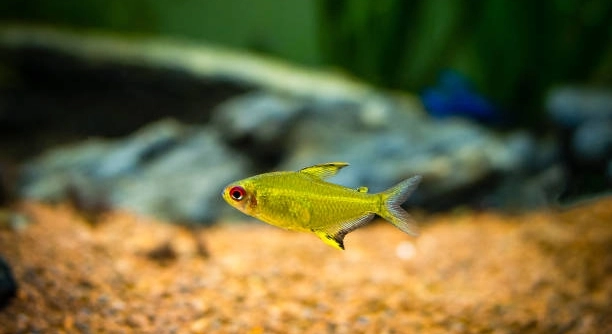
Lemon tetras are small, lively fish that bring color and energy to any aquarium. Feeding them can sometimes be tricky, especially when they show hesitation toward certain foods. Maintaining a healthy diet is essential for their growth and well-being.
Providing a varied and balanced diet is key to managing picky feeding habits in lemon tetras. Offering a mix of high-quality flakes, frozen or live foods, and occasional vegetable matter ensures proper nutrition and encourages consistent eating patterns for these delicate fish.
Learning how to approach feeding with consistency and variety will help your lemon tetras thrive and enjoy mealtime more regularly.
Understanding Lemon Tetra Feeding Habits
Lemon tetras are naturally cautious when it comes to food. They often pick and choose what to eat, especially in new environments or when introduced to unfamiliar foods. Their hesitation is usually not a sign of illness but a reflection of instinct. In aquariums, they may favor certain types of flakes or frozen foods while ignoring others. Observing their behavior closely can help you identify preferences and adjust their feeding routine. Offering small portions at regular intervals reduces waste and keeps the fish interested. Consistency is important, as lemon tetras respond well to predictable feeding schedules. Temperature, water quality, and tank companions also influence their appetite. Sometimes, shy tetras may need extra encouragement to eat when more aggressive fish are present. Maintaining a calm environment during feeding times can increase consumption and reduce stress, ensuring these delicate fish stay healthy and active.
A gradual approach with familiar foods usually helps lemon tetras accept new dietary options and maintain stable growth.
Introducing variety without overwhelming them allows for balanced nutrition and encourages them to explore different textures and flavors.
Choosing the Right Foods
Flakes, frozen foods, and live options all provide essential nutrients for lemon tetras.
High-quality flakes designed for small tropical fish form the base of their diet. Supplementing with frozen or live foods such as brine shrimp, daphnia, or bloodworms adds protein and encourages natural hunting behavior. Occasional blanched vegetables like spinach or zucchini provide fiber and vitamins. Rotating these options prevents boredom and ensures they receive a complete diet. Avoid overfeeding, as leftover food can pollute the tank and stress the fish. Observe which foods are most readily eaten and adjust portions accordingly. Feeding at consistent times each day establishes routine and helps picky tetras feel more secure. Small, frequent meals are better than one large feeding, keeping their metabolism stable.
Providing a combination of dry, frozen, and fresh foods supports proper development, enhances coloration, and maintains energy levels, while keeping the feeding experience engaging and manageable for the fish.
Encouraging Shy Eaters
Shy lemon tetras may hesitate to eat in the presence of more assertive tank mates. Feeding them separately or using a feeding ring can help ensure they get enough food. Patience is key when dealing with timid fish.
Offering food in small portions close to their preferred hiding spots helps build confidence. Over time, they begin associating feeding times with safety and comfort, which increases their willingness to explore different food options. Avoid sudden movements around the tank, as this can startle them and reduce appetite. Consistency in timing and placement of food encourages them to become more confident and engaged during mealtime.
Sometimes, pairing them with gentle tank mates allows shy tetras to eat without competition. Observing their behavior and making small adjustments in feeding methods ensures all fish remain healthy. Gradually, these tetras become more comfortable, accepting a wider variety of foods and showing increased activity during feeding.
Maintaining Water Quality
Stable water conditions are essential for healthy feeding habits. Fluctuations in temperature, pH, or ammonia levels can make lemon tetras reluctant to eat.
Regular water changes and careful monitoring of tank parameters prevent stress and support consistent appetite. Clean water ensures that leftover food does not decay, which could otherwise reduce oxygen levels and impact fish health. Using a gentle filtration system keeps the environment safe and calm, which is particularly important for delicate species like lemon tetras. Maintaining stable conditions also reduces disease risk, allowing fish to focus on eating and thriving rather than reacting to stressors.
Feeding should coincide with optimal water conditions. Observing the fish closely can indicate whether adjustments are needed. Slight changes in temperature or water chemistry can affect their willingness to eat. Providing a clean, stable environment encourages regular feeding behavior and promotes long-term health. Consistency in maintenance routines helps lemon tetras remain active, vibrant, and confident, making it easier to manage their picky eating habits and ensure proper nutrition.
Timing Your Feedings
Feeding lemon tetras at consistent times each day helps regulate their appetite. Fish quickly adapt to a routine and become more willing to eat when they know food is expected.
Avoid irregular schedules, as sudden changes can make them hesitant. Small, frequent meals encourage steady growth and reduce waste, keeping the tank cleaner.
Using Live Food
Live foods like brine shrimp or daphnia stimulate natural hunting instincts. These options provide high protein and are highly appealing to picky lemon tetras, encouraging active feeding behavior. Fresh live food helps them remain energetic and healthy while improving coloration over time.
Avoiding Overfeeding
Overfeeding can lead to leftover food, water pollution, and stressed fish. Stick to measured portions to maintain a healthy environment.
FAQ
How often should I feed my lemon tetras?
Lemon tetras do best with small, frequent meals rather than one large feeding. Feeding them twice a day with measured portions keeps their metabolism steady. Overfeeding can lead to leftover food that pollutes the tank and encourages picky behavior. Consistent feeding schedules help them feel secure and more willing to eat.
What types of food are best for picky lemon tetras?
A combination of high-quality flakes, frozen foods, and occasional live foods works well. Flakes provide daily nutrition, frozen options like brine shrimp or bloodworms add protein, and live foods stimulate natural hunting instincts. Occasional blanched vegetables, such as spinach or zucchini, supply fiber and vitamins. Rotating these foods ensures balanced nutrition and keeps their diet interesting.
Why are my lemon tetras ignoring certain foods?
Tetras often hesitate when introduced to unfamiliar foods. They prefer consistency and may reject sudden changes. Shyness or competition from tank mates can also affect feeding. Offering new foods gradually, alongside familiar favorites, increases acceptance. Observing their behavior can help identify preferences and timing for introducing new items.
Can feeding techniques improve picky eating habits?
Yes, using methods like feeding rings or placing food near their hiding spots can encourage shy tetras to eat. Small portions introduced slowly reduce waste and stress. Adjusting the tank environment by minimizing disturbances during feeding improves confidence, helping them accept a wider variety of foods over time.
Is live food necessary for lemon tetras?
Live food is not mandatory but highly beneficial. It stimulates natural hunting instincts, provides high-quality protein, and encourages active behavior. Including live food occasionally can enhance their overall health, coloration, and willingness to explore different textures and flavors. Frozen alternatives can provide similar benefits when live options are unavailable.
How do I know if my tetras are getting enough nutrition?
Healthy lemon tetras are active, colorful, and regularly eating. Lack of growth, faded coloration, or lethargy may indicate nutritional deficiencies. Monitoring feeding patterns and adjusting portion sizes or food types helps ensure they receive adequate nutrients. A balanced diet with variety promotes steady growth and vitality.
What should I do if some fish eat faster than others?
Faster-eating fish can outcompete slower or shy tetras. Separating timid individuals during feeding or using targeted feeding techniques ensures all fish get their share. Small, controlled portions prevent waste and reduce stress. Observing feeding behavior allows adjustments to maintain balance and support the nutritional needs of every fish.
Can tank environment affect feeding habits?
Yes, water quality, temperature, and tank companions significantly impact appetite. Clean, stable water encourages consistent eating, while sudden changes or aggressive tank mates can cause hesitation. Maintaining optimal conditions and providing a calm feeding environment improves the chances of picky tetras consuming a balanced diet.
Are supplements necessary for picky lemon tetras?
Supplements are usually not required if they receive a varied diet. Occasionally, vitamin-enriched flakes or foods can help boost nutrition. They are particularly useful if the fish are recovering from illness or dietary gaps. Supplements should complement, not replace, a balanced feeding routine.
How long does it take for lemon tetras to accept new foods?
Acceptance varies by individual fish. Some tetras adapt within days, while others may take weeks. Gradual introduction alongside familiar foods, small portions, and a consistent feeding schedule improve success. Patience and observation are essential to ensure they are eating enough and maintaining health.
Can stress affect picky eating?
Stress from overcrowding, poor water conditions, or aggressive tank mates can reduce appetite. Calm, stable environments and predictable feeding routines minimize stress, encouraging fish to eat normally. Addressing stressors promptly supports consistent feeding habits and overall well-being.
Is it okay to skip a feeding if they are not eating?
Skipping an occasional meal is acceptable and sometimes necessary to prevent overfeeding. Persistent refusal, however, indicates potential stress, illness, or diet issues. Adjusting the food type, portion, or feeding environment usually resolves these problems without compromising nutrition.
How do I handle leftovers?
Uneaten food should be removed promptly to maintain water quality. Decaying food reduces oxygen levels and encourages harmful bacteria, which can stress fish and worsen picky habits. Cleaning leftovers keeps the tank healthy and supports regular feeding patterns.
What signs show my lemon tetras are thriving?
Active swimming, vibrant coloration, consistent feeding, and steady growth indicate health. Shy or picky behavior can persist but should not affect overall well-being. Observing these signs allows adjustments in feeding strategies to ensure continued growth and vitality.
How can I prevent picky eating from becoming a problem?
Consistent feeding schedules, varied diets, and a stable tank environment prevent picky behavior from escalating. Gradual introduction of new foods and monitoring fish responses maintain balanced nutrition. Addressing stress and competition promptly supports healthy feeding habits and long-term vitality.
Final Thoughts
Feeding picky lemon tetras can feel challenging, but understanding their natural behavior makes the process easier. These small fish are cautious eaters, often preferring familiar foods and environments. Their hesitation is not unusual, and it does not necessarily indicate a health problem. Observing their preferences and habits is the first step toward building a feeding routine that works for them. Consistency in meal times and portion sizes helps establish trust and reduces stress, encouraging them to eat more regularly. Small, frequent meals are more effective than large portions, as lemon tetras have delicate digestive systems. Overfeeding can lead to leftover food in the tank, which negatively impacts water quality and can cause health problems.
Providing a balanced diet is crucial for their health and vitality. A combination of high-quality flakes, frozen foods, live foods, and occasional vegetables ensures they receive proper nutrition. Flakes offer essential daily nutrients, while frozen or live options like brine shrimp or daphnia add protein and stimulate natural hunting instincts. Including blanched vegetables such as spinach or zucchini contributes fiber and vitamins that support growth and coloration. Rotating food types prevents boredom and encourages them to try new options. Introducing new foods gradually, alongside familiar favorites, helps picky tetras accept a wider variety without creating stress or food refusal. Using feeding techniques such as placing food near hiding spots or using a feeding ring can also make timid tetras more confident during meals.
Maintaining the right tank environment is just as important as diet. Stable water conditions, appropriate temperature, and clean surroundings reduce stress and support consistent feeding behavior. Aggressive or overly active tank mates can discourage shy fish from eating, so monitoring social dynamics is essential. Observing fish closely allows adjustments in feeding strategies, portion sizes, and food types to ensure everyone receives adequate nutrition. Over time, with patience and attention, picky lemon tetras will become more confident and willing to explore different foods. Their health, coloration, and activity levels improve when a proper routine is established, creating a thriving and balanced aquarium environment. Feeding them is not just about nutrition—it’s about understanding their needs and creating conditions that promote comfort, security, and steady growth.

Hello,
If you enjoy the content that we create, please consider saying a "Thank You!" by leaving a tip.
Every little bit helps us continue crafting quality advice that supports the health, happiness, and well-being of pets around the world, for pets of all shapes, sizes, and species.
We really appreciate the kindness and support that you show us!