
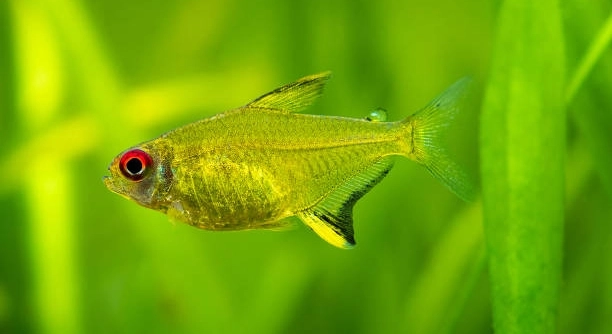
Have you ever noticed your lemon tetras swimming restlessly just before the lights go out? Many aquarists wonder if feeding them at this time affects their health or sleep patterns in the aquarium. Observing their behavior can be surprising.
Feeding lemon tetras before lights out is generally not recommended. Late-night feeding can disrupt their natural sleep cycle and lead to uneaten food decaying, which affects water quality. Maintaining a regular feeding schedule supports their overall health and tank stability.
Understanding the timing and amount of feeding will help maintain a healthy, balanced environment for your fish and prevent common problems in the aquarium.
Why Timing Matters for Lemon Tetras
Lemon tetras are small, active fish that thrive on a consistent routine. Feeding them late in the day can interfere with their natural sleep patterns. They usually feed actively in the morning and afternoon, so giving food right before lights out often means they won’t eat it all. Uneaten food sinks to the bottom and begins to decompose, which can increase ammonia and nitrite levels in the tank. High levels of these compounds are stressful and harmful to your fish. Regular feeding times help regulate their metabolism and keep their energy levels balanced. Observing their behavior can help you adjust portions and timing. Overfeeding at night can also lead to bloating and digestive issues, which might not be obvious until problems become serious. By sticking to a morning or early afternoon feeding schedule, you can maintain both water quality and the health of your lemon tetras. Consistency is key to avoiding unnecessary stress and keeping your aquarium stable.
Feeding at consistent times ensures your tetras remain active and healthy while minimizing the risk of water contamination and stress.
A predictable feeding routine strengthens their natural rhythm. It encourages fish to explore the tank, interact with each other, and stay alert. This routine also allows you to monitor their health more closely, spotting changes in behavior, appetite, or appearance early.
How Much to Feed
Overfeeding can lead to poor water quality.
Lemon tetras have small stomachs, so a tiny pinch of flakes or pellets is enough for a group. Feeding them once or twice daily prevents leftover food from rotting and harming the aquarium environment. Portion control is crucial to avoid obesity, digestive problems, and ammonia spikes. Observing how quickly your fish finish their food helps determine the right amount. It’s better to underfeed slightly than to overfeed. You can supplement their diet occasionally with frozen or live foods, but quantities should remain small. Keeping a feeding log can help track amounts and times to maintain consistency. Adjusting portions according to the number of fish in the tank ensures no food goes to waste, keeping both the tetras and water healthier. Small, frequent meals during daylight hours are far more beneficial than a larger portion right before lights out. Proper feeding practices contribute to the longevity and vibrant coloration of your lemon tetras.
Signs of Overfeeding
Overfeeding often shows through visible leftovers in the tank. Uneaten flakes or pellets can cloud the water and accumulate on the substrate. Fish may also appear bloated or swim slower than usual. Monitoring feeding habits helps prevent these problems and keeps the tank balanced.
Fish that are overfed frequently can develop digestive issues and swim bladder problems. Excess food decomposes, producing ammonia that stresses the fish. Over time, poor water quality can lead to disease outbreaks. By feeding controlled portions, you reduce the risk of health problems and maintain a stable, clear aquarium environment. Observing how quickly your tetras finish their meals allows for adjustments to prevent overfeeding before it starts.
Overfeeding also affects behavior. Fish may compete aggressively for food or become lethargic afterward. Maintaining consistent feeding amounts helps preserve normal activity, natural coloration, and overall vitality. Proper feeding routines promote a calm and healthy tank, avoiding unnecessary stress for all inhabitants.
Best Feeding Practices
Feed small portions once or twice a day.
Start with tiny amounts, observing how quickly the tetras finish. Remove any uneaten food after a few minutes to prevent decay. A varied diet of flakes, pellets, and occasional frozen foods ensures proper nutrition. Portion control supports stable water conditions and healthy fish growth. Consistency in timing helps tetras develop a natural routine and encourages regular activity. By keeping feeding sessions brief and measured, you maintain both cleanliness and a healthy, thriving environment for your lemon tetras.
Using these practices, you ensure that your tetras get enough nutrition without compromising tank quality. Regularly monitoring feeding results allows you to fine-tune portions and timing. Small, frequent feedings reduce stress, encourage active swimming, and maintain vibrant coloration. Over time, a careful approach fosters overall health, prevents water issues, and creates a balanced ecosystem in the aquarium. Keeping track of feeding habits is simple and effective, providing peace of mind and supporting the long-term well-being of your lemon tetras.
Ideal Feeding Schedule
Morning and early afternoon are the best times to feed lemon tetras. Feeding during daylight aligns with their natural activity patterns. Avoid giving food right before lights out, as fish are less active and may not eat properly, leaving leftovers that can harm water quality.
Consistent feeding times help fish anticipate meals, reducing stress and promoting healthy behavior. A regular schedule also makes it easier to monitor appetite and detect early signs of illness. By feeding at predictable times, you create a balanced environment where fish remain active and water conditions stay stable.
Choosing the Right Food
Lemon tetras thrive on high-quality flake or micro-pellet foods. Occasionally supplement with frozen or live foods, like daphnia or brine shrimp, to ensure a balanced diet. Proper nutrition supports growth, coloration, and overall vitality in small tropical fish.
Avoiding Night Feeding
Feeding at night disrupts natural sleep cycles. Fish may leave food uneaten, leading to decay and higher ammonia levels. Maintaining daytime feeding ensures both fish health and cleaner water.
FAQ
How often should I feed my lemon tetras?
Feeding once or twice a day is usually enough. They have small stomachs, so tiny portions suffice. Overfeeding can cause bloating, poor water quality, and stress. Watching how quickly they finish their meals helps adjust portions appropriately. Consistent timing is more important than the amount, keeping fish healthy.
Can lemon tetras eat frozen or live foods?
Yes, they enjoy occasional treats like brine shrimp, daphnia, or bloodworms. These supplements provide protein and variety, enhancing coloration and vitality. Offer small amounts to avoid leftovers. Flakes or micro-pellets should remain the staple diet to maintain balanced nutrition and proper digestion.
Is it harmful to feed them at night?
Feeding at night is generally not recommended. Lemon tetras are less active and may not eat all the food. Uneaten food decomposes, producing ammonia that can stress or harm fish. Feeding during daylight hours supports their natural routine and keeps the tank cleaner.
How can I tell if my tetras are overfed?
Signs include leftover food in the tank, bloated abdomens, sluggish swimming, or faded colors. Overfeeding can also lead to higher ammonia and nitrite levels. Adjust portion sizes, observe behavior, and remove uneaten food promptly to prevent water quality issues.
What is the best portion size for a group of lemon tetras?
A pinch of flakes or pellets per feeding is usually enough for a small school. Fish should finish the food within two to three minutes. Adjust portions depending on the number of fish and their appetite, ensuring nothing remains to decay in the tank.
Can overfeeding affect water quality?
Yes, excess food decomposes, raising ammonia, nitrite, and nitrate levels. Poor water quality stresses fish, making them more susceptible to disease. Controlled feeding and regular water monitoring help maintain a healthy environment for your lemon tetras.
Are there specific foods to avoid?
Avoid foods that sink too quickly and cannot be eaten immediately. Large flakes or items that produce a lot of waste can pollute the water. Stick to high-quality, small-sized flakes, pellets, or occasional frozen/live foods suitable for small tropical fish.
Should feeding routines change with tank size or fish number?
Yes, larger groups or bigger tanks may require slightly more food, but still in controlled portions. Observe feeding behavior to ensure everyone gets enough without leaving excess behind. Adjust frequency and quantity while keeping a consistent schedule to maintain tank balance.
Can feeding at the wrong time affect fish behavior?
Yes, late-night feeding can make fish restless or aggressive as they compete for food. It can also disrupt sleep patterns, leading to stress and lowered immunity. Daytime feedings align with natural activity and promote calm, healthy behavior.
How important is monitoring food consumption?
Monitoring is crucial. Knowing how quickly your fish eat helps prevent overfeeding and ensures proper nutrition. It also allows you to notice changes in appetite, which can be an early indicator of health issues. Keeping track of consumption protects both your tetras and water quality.
Are there alternative feeding methods for lemon tetras?
Some aquarists use floating feeders or slow-release feeding to encourage natural foraging behavior. However, these methods should be used carefully to prevent excess food accumulation. Observing the fish’s response helps determine the best method while maintaining clean water and healthy routines.
Can feeding mistakes affect long-term health?
Yes, consistent overfeeding or irregular schedules can cause obesity, digestive issues, stress, and weaker immune systems. Adhering to proper portion sizes, feeding times, and diet variety ensures longevity, vibrant colors, and overall vitality in lemon tetras. Regular observation helps catch problems early.
What role does water maintenance play with feeding?
Proper water maintenance complements feeding habits. Frequent partial water changes, removing uneaten food, and monitoring ammonia and nitrite levels prevent toxicity. Even with correct feeding, neglecting water quality can harm fish health, so both feeding and maintenance are equally important.
Can lemon tetras skip a meal occasionally?
Yes, they can tolerate missing a feeding once in a while without harm. Fish can rely on stored energy, and skipping a meal can even help prevent overfeeding. However, consistency is preferred to maintain routine and reduce stress.
How do I transition to a better feeding schedule?
Gradually shift feeding times to morning or early afternoon. Reduce portions slightly if needed, and remove leftovers promptly. Observe how your tetras respond and adjust amounts over a week or two to ensure they adapt smoothly to the new routine.
What is the easiest way to prevent overfeeding?
Feed small, measured portions and stick to a consistent schedule. Use a timer if necessary and remove any uneaten food after a few minutes. Monitoring consumption and tank cleanliness ensures your lemon tetras stay healthy and water quality remains optimal.
Can stress from overfeeding affect coloration?
Yes, stressed or unhealthy tetras often display duller colors. Proper feeding, portion control, and a consistent routine help maintain bright, vibrant coloration. A healthy diet combined with stable water conditions promotes natural beauty and overall well-being in the aquarium.
How do I know if my feeding routine is working?
Healthy, active fish with clear water are good signs. Fish should finish meals quickly without leftovers. Consistent coloration, normal behavior, and minimal stress indicate that portions, timing, and diet are appropriate. Regular observation helps maintain long-term success in feeding routines.
Is it better to feed multiple small meals or one larger meal?
Multiple small meals are preferred. Small portions mimic natural feeding patterns, prevent overeating, and reduce leftover food in the tank. This approach supports digestion, keeps water cleaner, and encourages natural activity throughout the day rather than overwhelming fish with a single large meal.
Can feeding routines affect fish reproduction?
Yes, consistent, high-quality feeding supports overall health and reproductive readiness. Fish that are stressed or underfed may be less likely to breed. Balanced nutrition, proper timing, and careful portion control create ideal conditions for healthy growth and potential breeding success.
This FAQ covers the key aspects of feeding lemon tetras, ensuring their health, water quality, and overall well-being in a simple, practical way.
Feeding lemon tetras at the right time is more important than many aquarists realize. These small, active fish follow natural rhythms that help them stay healthy and alert. Feeding them in the morning or early afternoon aligns with their natural activity periods, allowing them to digest food properly and remain energetic throughout the day. Giving food too late, especially right before lights out, can leave uneaten food in the tank. This leftover food can start to decompose quickly, producing harmful compounds like ammonia that affect water quality and stress your fish. Maintaining a consistent feeding schedule helps prevent these problems and supports a stable aquarium environment. By observing your tetras’ behavior and adjusting feeding times accordingly, you can create a routine that works for both the fish and the tank.
Portion control is equally important when it comes to feeding lemon tetras. Their small stomachs cannot handle large amounts of food at once, so tiny portions are sufficient. Overfeeding not only leads to leftover food in the tank but also can cause digestive problems, bloating, and lethargy. Watching how quickly your tetras finish their meals is the best way to determine the right portion size. A general rule is to feed only what they can eat in about two to three minutes. Offering a mix of high-quality flakes or micro-pellets as the main diet and supplementing occasionally with frozen or live foods ensures balanced nutrition without overloading their digestive system. Keeping track of feeding habits allows you to notice subtle changes in appetite or behavior, which can serve as early indicators of health issues. A careful, consistent approach to portion sizes contributes to both healthy fish and cleaner water.
Creating a balanced feeding routine benefits the entire aquarium ecosystem. Regular feedings during daylight hours encourage natural behavior, activity, and social interaction among tetras. Healthy, active fish are more vibrant in color and display fewer signs of stress or disease. At the same time, consistent feeding habits make it easier to maintain water quality, since uneaten food is minimized and ammonia spikes are less likely. Over time, this approach supports long-term health and stability for your lemon tetras, ensuring they thrive in their environment. By understanding the importance of timing, portion control, and observation, you can maintain a well-balanced tank that keeps both the fish and the aquarium healthy. Proper feeding practices are simple to implement, yet they have a significant impact on the well-being of your lemon tetras, creating a calm, stable, and vibrant aquatic environment.

Hello,
If you enjoy the content that we create, please consider saying a "Thank You!" by leaving a tip.
Every little bit helps us continue crafting quality advice that supports the health, happiness, and well-being of pets around the world, for pets of all shapes, sizes, and species.
We really appreciate the kindness and support that you show us!