
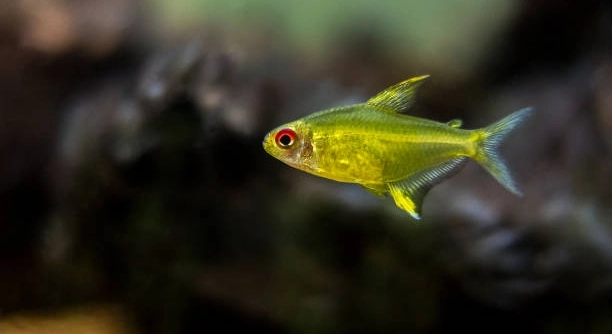
Is your lemon tetra spending most of its time at the bottom of the tank, leaving the upper levels empty and quiet? Observing this behavior can be worrying, especially when you want your fish to explore freely.
Lemon tetras often avoid the top of the tank due to stress, water quality issues, or insufficient cover. Low oxygen levels, high light intensity, or aggressive tank mates can also cause this behavior, influencing their swimming patterns and comfort.
Understanding why your fish prefers lower areas is essential for their well-being. Adjustments in tank conditions and care routines can encourage a more balanced swimming pattern.
Common Causes for Lemon Tetras Staying Low
Many lemon tetras stay near the bottom because they feel unsafe or uncomfortable in their environment. Bright lights, sudden movements, or aggressive tank mates can trigger this behavior. Water conditions play a large role as well. High ammonia, nitrite, or nitrate levels can stress the fish, pushing them to avoid open areas. Even temperature fluctuations or low oxygen levels can make the upper levels of the tank less appealing. Providing plenty of hiding spaces, such as plants or decorations, gives them security. A well-planted tank with calm lighting often encourages more balanced swimming. Feeding patterns also affect their location. Some tetras prefer eating near the bottom, and if food sinks quickly, they may linger there longer. Over time, consistent observation of their habits can help identify what factors are influencing their position. Adjusting these elements can restore a sense of normalcy.
Providing better water conditions and more cover often helps tetras explore upper tank areas comfortably.
Observing your lemon tetras closely helps identify stress triggers. Adjust lighting, reduce aggressive neighbors, and ensure oxygenation is adequate. Even small changes, like rearranging plants or adding floating cover, can encourage movement throughout the tank. Consistent water testing and maintenance will improve their overall comfort, making them more active swimmers and enhancing their health over time.
Improving Tank Conditions
Creating a stable environment is key for lemon tetras to feel safe and swim freely.
Start by checking water parameters regularly. Temperature should remain stable between 75-80°F, pH around 6.5-7.5, and ammonia or nitrite levels at zero. Add plants, driftwood, or decorations to provide hiding spots and reduce stress. Consider gentle lighting, as bright or harsh lights can drive fish downward. Aeration can help maintain proper oxygen levels, especially near the top. Spacing out feeding times and observing their reactions helps identify if food distribution is influencing their position. Avoid aggressive tank mates that may intimidate them. Overcrowding can also force them toward lower regions. Regular partial water changes improve overall water quality and can reduce lingering toxins. By monitoring these factors and adjusting gradually, your lemon tetras will likely feel secure enough to explore all areas of the tank, resulting in healthier, more natural swimming behavior.
Adjusting Light and Cover
Too much light can make lemon tetras uneasy and force them to stay low. Dimmer, indirect lighting often encourages them to explore upper areas more confidently. Plants and decorations provide necessary hiding spots without overcrowding the tank.
Providing floating plants or leafy cover gives tetras places to retreat. Bright or direct lights often stress them, especially in smaller tanks. By adjusting light intensity and creating shaded areas, tetras feel safer and more willing to swim near the top. Observing their reactions after changes helps determine if the setup is effective. These adjustments can gradually reduce bottom-dwelling tendencies and improve overall activity.
Arranging plants strategically also matters. Tall plants along the sides and floating plants near the surface allow fish to navigate freely while maintaining security. This layered environment encourages natural swimming patterns. Combine this with moderate lighting, and your tetras will likely start exploring the upper tank more regularly. Careful observation ensures the adjustments are successful without adding stress.
Monitoring Water Quality
Maintaining clean water is essential for lemon tetra health. Regular testing ensures ammonia, nitrite, and nitrate levels remain safe. Temperature and pH must stay consistent to prevent stress or illness.
Performing partial water changes weekly helps reduce toxins and maintain stable conditions. Using a reliable water test kit allows you to track ammonia, nitrite, nitrate, and pH levels accurately. Oxygenation should be checked, as low oxygen at the surface can discourage top-level swimming. Keeping filters clean and avoiding overfeeding further improves water quality. Healthy, stable water encourages natural swimming patterns and overall vitality.
Even minor fluctuations can affect fish behavior. Sudden spikes in ammonia or nitrite often cause lemon tetras to retreat to lower levels. Ensuring water temperature stays consistent, typically between 75-80°F, reduces stress. pH stability around 6.5-7.5 is also crucial, as sudden changes can upset their balance. Observing their activity before and after maintenance helps gauge effectiveness. By combining proper water testing, consistent cleaning, and careful monitoring, tetras are more likely to explore all levels of the tank, maintaining both health and natural behavior.
Tank Mates and Social Dynamics
Aggressive or overly active tank mates can push lemon tetras to stay near the bottom. Peaceful companions encourage more confident swimming.
Schooling behavior also affects their position. Being with similar-sized, non-aggressive fish helps them feel secure and explore higher areas comfortably.
Feeding Habits
Food distribution can influence where lemon tetras swim. If flakes sink quickly, fish may remain low to feed. Adjust feeding by scattering food across different tank levels.
Even small changes in feeding practices can impact their behavior. Floating or slow-sinking food encourages tetras to explore the upper levels. Observing their reactions helps determine which feeding methods work best, ensuring a more balanced swimming pattern.
Recognizing Stress Signs
Lethargy, clamped fins, or rapid gill movement often indicate stress. Early recognition helps prevent long-term health issues.
FAQ
Why is my lemon tetra hiding at the bottom of the tank?
Lemon tetras often hide at the bottom due to stress or fear. Bright lights, sudden movements, aggressive tank mates, or overcrowding can make them feel unsafe. Poor water quality, including high ammonia, nitrite, or nitrate levels, can also push them downward. Providing plants, decorations, or floating cover gives them security. Stable water conditions and a calm environment help them explore higher areas more confidently over time.
Can water temperature affect where my lemon tetra swims?
Yes, lemon tetras are sensitive to temperature changes. Ideal water temperature ranges between 75-80°F. Sudden fluctuations can cause stress, making fish stay near the bottom. Consistent temperature and proper aeration ensure comfortable swimming conditions and encourage exploration of all tank levels. Monitoring with a thermometer is recommended.
Do tank mates influence my tetra’s behavior?
Aggressive or larger tank mates can intimidate lemon tetras, forcing them to stay low. Choosing peaceful, similarly sized fish allows tetras to swim more naturally. Schooling with other tetras or small, non-aggressive fish improves confidence and reduces stress, encouraging them to explore upper tank areas.
Could lighting affect their swimming patterns?
Strong or direct lighting can make lemon tetras uneasy, pushing them toward shaded or lower areas. Using moderate, indirect light and providing floating plants or tall side plants creates shaded zones. This combination allows fish to feel secure while exploring higher levels comfortably.
Does feeding method change their position in the tank?
Yes. Lemon tetras may stay near the bottom if food sinks too quickly. Scattering flakes or using slow-sinking or floating food encourages them to swim at various levels. Observing their feeding behavior helps adjust methods for a more balanced swimming pattern, keeping fish active and healthy.
How does water quality impact their comfort?
Poor water quality stresses lemon tetras, leading to bottom-dwelling behavior. High ammonia, nitrite, or nitrate levels, inconsistent pH, or low oxygen can make upper areas unappealing. Regular water testing, partial water changes, and proper filtration maintain clean water, encouraging natural swimming and overall health.
What are signs of stress I should watch for?
Signs include clamped fins, rapid gill movement, lethargy, or staying hidden for extended periods. Early identification helps prevent illness. Adjusting water conditions, lighting, tank mates, and feeding practices can reduce stress and restore natural behavior.
How long does it take for tetras to start exploring the top again?
Recovery varies depending on the cause. Minor adjustments, like adding plants or floating food, may show results in a few days. Changes in water quality or tank mates may take a week or longer. Consistent observation and gradual adjustments improve their comfort and activity steadily.
Are lemon tetras schooling fish, and does it matter?
Yes, lemon tetras are schooling fish. Keeping them in groups of at least six helps reduce stress and encourages swimming at all tank levels. Isolation or small groups can make them anxious and bottom-oriented. A well-balanced school supports natural behavior and confidence throughout the tank.
Can decorations or plants really change their behavior?
Absolutely. Plants, driftwood, and other decorations provide hiding spots and shaded areas, reducing stress. Proper placement along the sides and surface allows fish to feel secure while exploring freely. A layered environment encourages natural swimming patterns and helps balance tank activity effectively.
How often should I check water conditions?
Regular monitoring is important. Weekly partial water changes and testing for ammonia, nitrite, nitrate, and pH levels ensure a stable environment. Oxygenation and temperature should also be checked regularly. Consistent water quality reduces stress and promotes natural behavior in lemon tetras.
Is it normal for tetras to stay low sometimes?
Yes, occasional bottom-dwelling is normal, especially after feeding or during rest. Persistent or extended hiding usually indicates stress, poor water quality, or environmental issues. Monitoring their behavior and tank conditions helps differentiate between normal rest and concerning behavior.
What else can I do to encourage top-level swimming?
Provide secure hiding places, moderate lighting, slow-sinking food, and compatible tank mates. Maintaining stable water quality and temperature is essential. Observing reactions after each adjustment helps fine-tune the environment, gradually encouraging lemon tetras to explore the upper areas of the tank confidently.
Final Thoughts
Lemon tetras are naturally active and social fish, but their behavior can change based on their environment. If your tetra consistently stays near the bottom, it is often a sign that something in the tank is causing discomfort. Stress, poor water quality, aggressive tank mates, or bright lighting are common factors that influence their swimming patterns. Observing your fish regularly can help you identify unusual behavior early. When you notice that your tetra is avoiding the top, take note of water parameters, tank layout, and the behavior of other fish. Each small detail contributes to their overall comfort and health. Understanding these patterns allows you to take targeted actions to create a safer and more inviting environment.
Creating a balanced habitat for lemon tetras involves attention to multiple factors at once. Lighting should be moderate, and decorations or plants can provide areas of security. Floating plants or tall side plants allow fish to explore higher areas without feeling exposed. Water conditions must remain stable, with consistent temperature, pH, and proper oxygenation. Even feeding routines play a role, as food that sinks too quickly may encourage bottom-dwelling behavior. By addressing these elements gradually and consistently, your lemon tetras will likely begin exploring the upper levels of the tank more frequently. Adjustments do not need to be drastic; small, steady changes often have the most positive impact. Watching how the fish react after each change gives valuable feedback on whether further adjustments are necessary.
Maintaining a healthy, secure environment ensures your lemon tetras remain active and comfortable. Stress can be minimized through stable water conditions, compatible tank mates, and a thoughtfully arranged tank layout. Regular observation helps you spot potential problems before they escalate, whether related to water quality, lighting, or social dynamics. Encouraging your tetras to swim at all levels of the tank supports their natural behavior and promotes overall well-being. While it may take some time for fish to adjust, patience and consistent care often lead to noticeable improvements. By combining careful monitoring with gradual environmental adjustments, you can create a tank where your lemon tetras feel safe and confident, moving freely through every area of their aquatic home.

Hello,
If you enjoy the content that we create, please consider saying a "Thank You!" by leaving a tip.
Every little bit helps us continue crafting quality advice that supports the health, happiness, and well-being of pets around the world, for pets of all shapes, sizes, and species.
We really appreciate the kindness and support that you show us!