7 Factors That Affect Arowana Color Long-Term
Arowanas are admired for their vibrant colors, which can change over time due to several environmental and biological factors. Keeping their hues bright requires attention to care routines and living conditions from the very start. The long-term color of an arowana is influenced by water quality, diet, lighting, genetics, stress levels, tank size, and age. … Read more
7 Unexpected Benefits of Owning Lemon Tetra

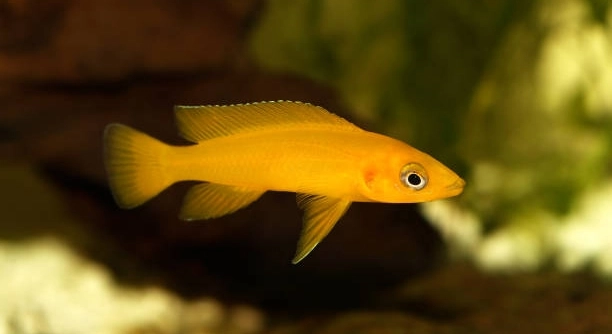
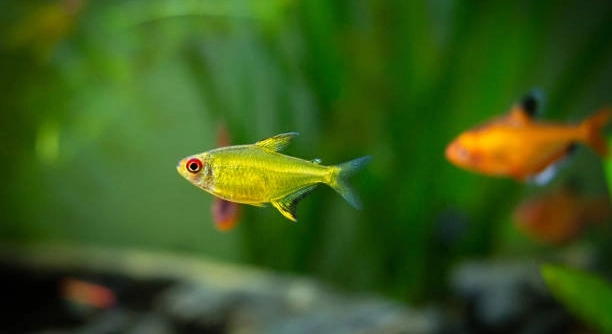
Lemon tetras are small, bright fish that bring life to any aquarium. Their gentle movements and vibrant yellow color make them appealing for both beginners and experienced fish owners alike. They are easy to care for and lively companions. Owning lemon tetras provides several unexpected benefits, including stress reduction, improved focus, and enhanced mental well-being. … Read more

7 Tank Maintenance Tips for Lemon Tetra Owners

Keeping lemon tetras in a healthy tank requires more than just feeding them regularly. Proper maintenance ensures your fish thrive and display their natural colors, while also keeping the aquarium environment clean and balanced. Regular water changes, monitoring water parameters, and proper filtration are essential for lemon tetra health. Maintaining a stable environment prevents stress-related … Read more

Do Lemon Tetra Recognize the Owner’s Voice?

Do you enjoy watching your aquarium but sometimes wonder if your fish notice you beyond movement? Lemon tetras are lively, colorful, and often seem to react when you approach the tank. Their behavior can be surprisingly engaging. Lemon tetras can recognize their owner’s voice to a limited extent. Studies suggest these fish respond to consistent … Read more

7 Things to Avoid in Lemon Tetra Tanks

Lemon tetras are delicate and lively fish that brighten up any freshwater tank. Keeping them healthy requires attention to their environment and habits. Even small mistakes can affect their well-being and disrupt the harmony of your aquarium. Avoiding common mistakes in lemon tetra tanks is essential for maintaining water quality, preventing disease, and supporting healthy … Read more

Can Arowana Adapt to Sudden Schedule Shifts?

Have you ever noticed your arowana acting differently when your daily routine changes? These fish are known for their intelligence and sensitivity, making sudden schedule shifts a potential source of stress for them at home. Arowanas can adapt to sudden schedule changes, but the process is gradual. Their internal rhythms respond slowly to altered feeding … Read more

Can Lemon Tetra React to TV or Screens?

Have you ever noticed your lemon tetra reacting to shifting lights from your screen, creating gentle moments of interest as they move through the water with calm curiosity in their small aquatic world each day. Lemon tetra respond primarily to changes in light and motion on screens, not to the content itself. Their visual system … Read more

Can Lemon Tetra Coexist With Snails?

Have you ever added new tank mates and wondered if your calm aquarium would still feel balanced? Many lemon tetra owners consider pairing them with snails, creating a mix that can seem appealing and uncertain. The coexistence of lemon tetras and snails is generally successful because both species maintain peaceful behaviors. When provided with stable … Read more

7 Things Lemon Tetra Do That Seem Like Drama

Lemon tetras are small, bright fish that bring life to any freshwater aquarium. Their energetic movements and playful behavior often catch the eye of fish enthusiasts, making them a joy to watch daily. Lemon tetras exhibit behaviors that may seem dramatic, such as sudden dashing, chasing, or changing colors. These actions are normal social and … Read more

Why Is My Lemon Tetra Gasping at the Surface?

Have you ever noticed your lemon tetra acting in unusual ways near the water surface, creating a moment that makes you pause and wonder about its comfort and overall well-being in the aquarium environment today. The most common reason a lemon tetra gasps at the surface is reduced dissolved oxygen, often caused by poor aeration, … Read more