
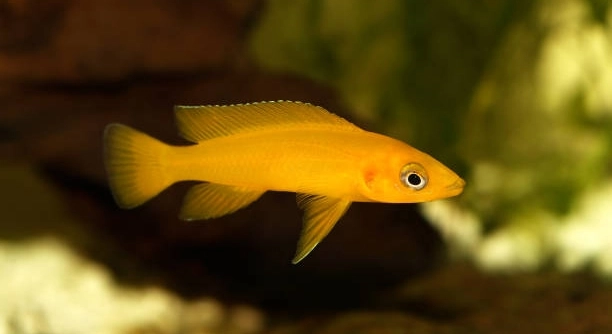
Lemon tetras are small, bright fish that bring life to any aquarium. Their gentle movements and vibrant yellow color make them appealing for both beginners and experienced fish owners alike. They are easy to care for and lively companions.
Owning lemon tetras provides several unexpected benefits, including stress reduction, improved focus, and enhanced mental well-being. Their presence in a home environment encourages observation of natural behaviors, promotes responsibility, and contributes to a healthier, more engaging living space.
Learning about these benefits can change the way you view your aquarium. Each small fish can have a surprisingly positive impact on daily life and home atmosphere.
Stress Relief Through Watching Lemon Tetras
Watching lemon tetras swim calmly in an aquarium can be surprisingly soothing. Their gentle movements and bright yellow bodies create a peaceful environment that helps reduce stress levels. I often find myself sitting by the tank after a long day, just observing how they interact with each other. Even small changes in their environment, like adding plants or rearranging decorations, capture my attention and shift my focus away from daily worries. The repetitive swimming patterns can be meditative, and it feels like time slows down as I watch them navigate the tank. This simple, low-effort activity can improve mood and calm a restless mind. Over time, having these little fish in the home can create a sense of stability and comfort. Their predictable behavior offers reassurance, which is particularly helpful when life feels hectic. It’s a gentle reminder that calmness and routine can coexist in a busy life, right in my living space.
Lemon tetras can act as natural stress reducers. Watching them swim promotes calmness and mental clarity, easing daily tension effortlessly.
Their presence has a subtle but meaningful impact on mood. Even a few minutes of observation can help slow racing thoughts and create a quiet, reflective space in the home. It encourages a pause from constant stimulation, allowing me to reset mentally and emotionally, which makes a noticeable difference over time.
Enhancing Focus and Mindfulness
Observing lemon tetras in an aquarium encourages mindfulness.
Setting up and maintaining a tank requires attention to detail. Feeding schedules, water quality, and tank cleaning all demand consistent focus. I’ve noticed that caring for these fish improves my ability to concentrate on other tasks as well. Watching them interact encourages me to slow down and notice small details in my surroundings. Their social behaviors and subtle changes in movement require observation, which trains patience and attentiveness. This focus spills over into other areas of life, helping me manage work and personal responsibilities with more awareness. Additionally, arranging plants and decorations provides creative outlets that sharpen planning skills. Over time, these small acts of care build discipline and mindfulness naturally. It’s a low-stress way to strengthen mental habits while enjoying the calming influence of the aquarium. Lemon tetras bring a gentle but consistent opportunity to practice focus, making them more than just decorative pets. Their presence subtly encourages mental engagement, attention to detail, and thoughtful observation every day.
Boosting Creativity
Lemon tetras’ vibrant colors and lively movements can inspire creative thinking. Arranging their tank or observing their interactions sparks ideas, helping me approach problems or projects with a fresh perspective. Their presence adds subtle energy that encourages imaginative thinking without overwhelming my mind.
Watching them navigate plants and swim patterns often leads me to notice details I usually overlook. The way they interact, explore, and adjust to changes in the tank can inspire ideas for design, organization, or even writing. I’ve found that simply observing them for a few minutes can unlock small creative solutions I might not have considered otherwise. Their behavior acts as a gentle prompt to think differently and stay open to new possibilities. Creativity feels more natural when paired with their calm yet dynamic presence.
Arranging the aquarium itself becomes a creative exercise. Selecting decorations, choosing plants, and designing swimming spaces challenges me to balance aesthetics and practicality. I experiment with layouts and color contrasts while ensuring the fish remain comfortable. These small decisions sharpen spatial awareness and decision-making skills. Over time, this routine enhances my ability to approach other creative tasks with more confidence. Lemon tetras, in their simple way, provide consistent inspiration through observation and interaction, subtly encouraging creative habits.
Encouraging Responsibility
Owning lemon tetras requires consistent care and attention, which strengthens personal responsibility. Feeding, cleaning, and monitoring water quality demand reliability and routine.
Daily tasks like feeding at the right time and checking water parameters keep me accountable. I’ve noticed these small responsibilities affect my broader habits, making me more organized in other areas of life. Maintaining a clean and balanced tank ensures the fish remain healthy, which requires consistent effort. These duties encourage planning and follow-through, skills that transfer beyond aquarium care. They also teach patience, as results are gradual and depend on consistent attention.
Taking care of lemon tetras has taught me that small, steady actions matter. Regular observation and maintenance prevent problems before they arise, emphasizing preventive care and foresight. Learning to respond quickly to minor issues strengthens problem-solving skills and develops a proactive mindset. Over time, responsibility for these tiny fish nurtures a greater sense of accountability. I feel more capable of managing daily commitments and long-term tasks because of the disciplined care required for my aquarium. The fish quietly reinforce good habits and responsibility in daily life.
Improving Home Atmosphere
Lemon tetras add life and color to any room. Their bright yellow hues and constant movement create a lively, cheerful environment that feels welcoming and calming at the same time.
The gentle bubbling of the filter and the subtle ripples they create enhance a sense of tranquility. Watching them can make a space feel more dynamic and alive without being overwhelming. Their presence naturally uplifts the mood in the room and encourages quiet moments of reflection or relaxation throughout the day.
Teaching Observation Skills
Lemon tetras’ behavior encourages careful observation. Noticing small changes in swimming patterns or interactions requires attention and patience, sharpening my ability to see details I often overlook. Regular observation fosters mindfulness, helping me notice subtle shifts in their environment and behavior.
Promoting Emotional Well-Being
The presence of lemon tetras has a positive effect on mental health. Watching their lively movements and social interactions encourages calmness, reduces feelings of loneliness, and fosters a gentle sense of joy. Regular care and observation contribute to emotional balance and personal contentment.
FAQ
Are lemon tetras easy to care for?
Lemon tetras are simple to care for, which makes them a great choice for many homes. They adapt well when the tank is kept clean and stable. Regular feeding, weekly water checks, and a calm environment are usually enough to keep them healthy. I find that once I learned their basic needs, caring for them became part of a comfortable routine. Their peaceful nature also makes the experience pleasant, since they rarely cause trouble or stress within the tank.
What tank size do lemon tetras need?
A small group of lemon tetras does best in a tank of at least twenty gallons. This gives them enough space to swim freely and feel secure. They are active fish, so horizontal space matters. When I upgraded to a slightly larger tank, I noticed their movements became smoother and more confident. A bit of extra room helps reduce tension among them and keeps the water cleaner for longer periods.
Do lemon tetras need to be kept in groups?
Lemon tetras thrive when kept in groups of six or more. They are social fish and feel safe when surrounded by their own kind. I always see them swimming together or staying close while exploring the tank. When kept alone or in very small groups, their behavior becomes less lively. A proper group brings out their natural traits and keeps them active and comfortable.
What should lemon tetras eat?
Their diet is simple and flexible. They enjoy small flakes, micro pellets, and the occasional treat like frozen or live foods. I like offering a mix of both to keep them healthy. Feeding small portions twice a day works well. It prevents overeating and keeps the water clean. Over time, I noticed they become more vibrant when their meals include some variety.
Are lemon tetras peaceful with other fish?
Yes, lemon tetras are gentle and prefer a calm environment. They get along well with other peaceful species. I keep mine with small fish like rasboras and corydoras, and they coexist without issues. Avoid placing them with aggressive fish, since this can cause stress and dull their colors. A calm community brings out their bright, lively look.
Do lemon tetras need plants in their tank?
Plants make them feel more secure. Live or artificial plants give them places to explore and hide. I notice they often weave through leaves or rest near shaded spots. Plants also help create a balanced environment by offering structure and reducing harsh lighting. A planted tank brings out their colors and natural behavior.
Why do lemon tetras sometimes lose color?
Color fading can happen from stress, poor water quality, sudden changes, or an unbalanced diet. When I first noticed it, improving water conditions and adjusting their food made a big difference. Stable parameters and a calm space help them regain their bright yellow tones.
How long do lemon tetras live?
With proper care, lemon tetras can live four to six years. Consistent maintenance, a balanced diet, and a quiet tank support their long-term health. I find that once their needs become part of my routine, their lifespan reflects the steady care they receive.
Can beginners keep lemon tetras?
Yes, beginners can keep them with ease. Their simple care requirements and peaceful nature make them ideal for anyone starting an aquarium. As long as the tank is cycled and stable, lemon tetras adapt well. I always felt that their low stress level made the learning process more enjoyable.
What makes lemon tetras stand out from other fish?
Their bright yellow color, gentle behavior, and steady swimming patterns give them a calming presence. They bring life to a room without creating chaos. For me, their biggest charm is how quietly supportive they feel. Their presence lifts the mood, fills empty moments, and adds subtle beauty to the home.
Final Thoughts
Lemon tetras bring a quiet kind of value that grows stronger the longer they stay in a home. Their bright color and soft movements create a calm atmosphere that makes daily life feel a little lighter. I’ve noticed that even on days when I feel overwhelmed, watching them glide through the water helps me slow down and breathe more easily. They do not demand too much attention, yet they still offer a steady sense of company, which can be comforting when things feel busy or uncertain. Their presence encourages small pauses that make a day feel more balanced, and those moments add up over time in meaningful ways. Caring for them also brings structure, and that structure can help stabilize a routine, especially when life feels unpredictable or scattered. Even small tasks like checking the filter or feeding them gently guide me toward a calmer mindset.
These fish also encourage awareness in a simple and natural way. I often catch myself paying attention to their behavior without even trying, and that awareness carries over into other parts of life. It becomes easier to notice small details around the home, small changes in my own mood, or small habits that need attention. Lemon tetras remind me that not everything needs to be fast or loud to have an impact. Their environment thrives on steady care, patience, and observation, and those same qualities can strengthen how I approach daily responsibilities. Over time, I realized that keeping an aquarium is not just about maintaining the tank. It is also about learning how consistent effort leads to stability. This understanding builds confidence, which helps in managing other tasks, even the ones unrelated to aquarium care. They teach this without any pressure, simply through the rhythm of their daily behavior.
Owning lemon tetras can also improve the way a home feels overall. Their soft energy and constant movement make a space seem more alive, yet never overwhelming. They add color, motion, and a sense of natural harmony that blends well with quiet routines. Even guests often notice how relaxing the tank feels without needing to comment on it directly. Their influence is subtle but steady, and it supports emotional well-being in a gentle way. While they may seem small compared to other pets, the benefits of having them extend far beyond decoration. They help build patience, awareness, responsibility, and calmness. Their presence becomes part of a steady rhythm that makes the home feel softer and more inviting. In the end, lemon tetras offer more than people expect, and their quiet impact can shape daily life in ways that feel grounding and genuinely supportive.

Hello,
If you enjoy the content that we create, please consider saying a "Thank You!" by leaving a tip.
Every little bit helps us continue crafting quality advice that supports the health, happiness, and well-being of pets around the world, for pets of all shapes, sizes, and species.
We really appreciate the kindness and support that you show us!