
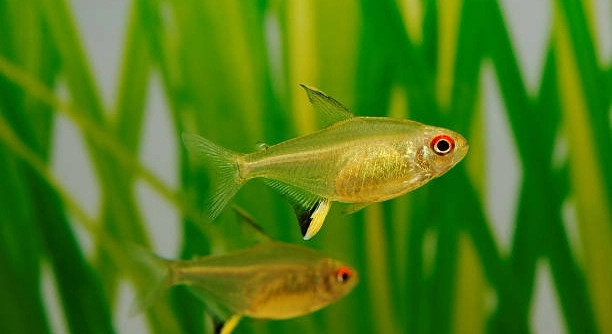
Have you ever noticed your lemon tetra reacting to shifting lights from your screen, creating gentle moments of interest as they move through the water with calm curiosity in their small aquatic world each day.
Lemon tetra respond primarily to changes in light and motion on screens, not to the content itself. Their visual system detects brightness shifts that may trigger alertness or brief exploration, yet research shows no clear indication they engage with imagery.
Learning how screen movement influences their calm nature helps you create a safer setup while revealing behaviors that enrich life
How Screens Influence Lemon Tetra Behavior
Light changes coming from screens can create subtle reactions in lemon tetra, especially when the tank sits near a television or computer. These fish notice shifts in brightness more than anything else, and those flashes can briefly catch their attention. You might see a quick dart or a short pause when the screen displays sudden motion. This response is usually mild, and most lemon tetra return to normal swimming patterns within moments. Their eyes are built to sense light variations in their environment, so bright scenes, dark transitions, or quick flashes can momentarily affect how they move. While they are not processing shapes or images like humans, the movement on a screen can briefly act like an unexpected stimulus in their peaceful space. Keeping this in mind can help you create a calmer setup that reduces unnecessary reactions and maintains a comfortable atmosphere for your fish.
Screen exposure tends to have short-term effects, and lemon tetra rarely show long-lasting changes when the lighting remains consistent around their tank.
Maintaining a steady tank environment supports their calm nature, and small adjustments in screen placement can help keep their swimming patterns smooth and relaxed throughout the day.
Why They Do Not Recognize Images
Lemon tetra lack the visual ability to understand detailed shapes, so the images shown on screens mean nothing to them beyond brightness changes.
Their vision is built for survival in natural waters, where contrast and movement matter more than defined forms. Because of this, they interpret screens only as sources of shifting light rather than structured displays. Even when motion appears intense on a screen, their reaction remains basic since their brains are not designed to process scenes the way humans do. They respond instinctively to sudden flashes, but the content itself holds no meaning. Knowing this can help you set up your tank with awareness of potential light disturbances. Positioning screens a little farther from the aquarium or adjusting brightness can prevent unnecessary stimulation. A stable setting supports healthier behavior, allowing your lemon tetra to glide through their environment without reacting to unpredictable shifts in surrounding light.
How Screen Placement Affects Their Comfort
Keeping screens too close to the tank can increase sudden light changes that make lemon tetra more alert than necessary. Soft, consistent lighting helps them feel safer, and small adjustments in room layout can reduce disruptive reflections on the glass.
Positioning the tank where screens are not directly facing it helps limit strong flashes that may cause quick reactions. Lemon tetra thrive in calm surroundings, so managing the brightness levels around them supports smoother swimming and steadier behavior. If a television or monitor often shifts from bright to dark scenes, creating a bit of distance can make a noticeable difference. Even small environmental tweaks help maintain a gentle rhythm in their daily activity, reducing unnecessary stimulation that might interrupt their peaceful nature. Paying attention to glare, screen angles, and room lighting can create a soothing setup that keeps them comfortable.
Using soft ambient lighting around the aquarium gives your lemon tetra a more stable environment. Tanks placed near high contrast screens can expose the fish to unpredictable brightness changes that feel unnatural for them, especially at night. Choosing a spot where the lights around the tank stay balanced supports a calmer atmosphere. Once the environment feels steady, lemon tetra settle into more relaxed routines, moving gracefully without reacting to harsh shifts around them. This small amount of care can make your setup feel more peaceful for both you and your fish.
Natural Behavior Compared to Screen Reactions
Lemon tetra respond more consistently to real movement in their surroundings than to what appears on a screen. Their eyes are tuned to natural light, so everyday room activity has a clearer influence on their behavior than anything displayed digitally.
Real motion creates signals they are biologically prepared to interpret, while screen changes only mimic fragments of that stimulation. Even though bright flashes from a television or monitor may catch their attention, they do not trigger the same depth of response as someone walking by or adjusting something inside the room. Observing these differences helps you understand how they interact with their space. You can use this awareness to create an area where natural routines dominate and artificial light changes stay minimal. This balance encourages healthier habits and supports a calm environment that aligns with their instinctive needs.
Differences Between Daytime and Nighttime Reactions
Lemon tetra react more noticeably to screen brightness during the evening when the room is darker. With less surrounding light, flashes stand out more, creating brief moments of alertness. Keeping the tank in a softly lit area helps lessen these stronger nighttime responses.
During the day, natural light softens the impact of screen changes. Brightness shifts blend into the overall environment, so lemon tetra usually remain calm and steady. Consistent daylight helps them maintain smooth patterns without reacting strongly to sudden transitions from nearby screens.
How Tank Setup Supports Stability
A stable tank layout helps reduce reactions to unpredictable lights. Plants, décor, and darker backgrounds give lemon tetra places to retreat when screen brightness becomes distracting. These visual anchors keep their environment balanced and prevent harsh reflections. When the tank feels secure, they handle outside changes with more ease and confidence.
Why Their Reactions Stay Mild
Their reactions remain subtle because they are driven by instinct rather than curiosity. Lemon tetra simply respond to contrast, not to what appears on the screen. Once the light settles, they return to their calm swimming patterns without holding onto the moment.
FAQ
Do lemon tetra actually understand anything they see on a screen?
Lemon tetra do not understand images, shapes, or scenes displayed on screens. Their eyes are adapted to noticing contrast and movement rather than processing detailed visuals. When a bright flash or shifting pattern appears on a screen near the tank, they may respond with a quick dart or pause, but this is a simple reaction to light changes. They are not recognizing objects or characters the way humans do. Their vision is built for surviving in natural waters, where detecting shadows or sudden movement helps them stay safe. Screens only provide a series of brightness shifts that their eyes interpret as environmental changes.
Can screen brightness stress lemon tetra over time?
Screen brightness can create mild stress if the tank is placed too close to intense or fast-changing visuals. Repeated exposure to harsh flashes can make their behavior slightly jumpy, especially in a dark room. These reactions are usually short-lived, but long-term exposure to strong light variations may interrupt their calm routines. Soft ambient lighting around the tank and moderating the brightness of nearby screens helps keep their environment steady. Placing décor or plants inside the tank also reduces reflections, giving them comfortable visual anchors when light changes feel too abrupt.
Is it safe to keep a television or computer near an aquarium?
It is generally safe as long as the tank is not placed directly in front of or beside a screen that produces constant flashing. A little distance helps reduce abrupt brightness changes that may cause quick reactions in lemon tetra. Reflections on the glass can also be minimized by adjusting the angle of the tank or using a darker background. When the lighting stays consistent throughout the day, lemon tetra remain calm and steady. Paying attention to the overall atmosphere ensures that screen exposure does not become overwhelming for them.
Why do lemon tetra react more at night when a screen is on?
Nighttime reactions increase because the surrounding room is darker, making screen flashes stronger and more noticeable. Lemon tetra rely on soft, stable lighting to feel comfortable, so high contrast at night creates sharper visual interruptions. Adding a gentle light near the tank or lowering the screen brightness can help balance the environment. Once the room feels evenly lit, their reactions become less noticeable. Maintaining this balance allows them to settle into smoother nighttime routines.
Can lemon tetra become used to screens over time?
Many lemon tetra eventually adjust to regular patterns of light if the exposure remains predictable. When screens follow a set routine, such as watching television at the same time each evening, they may react less because the brightness changes become familiar. Sudden or irregular flashes still draw their attention, but consistent lighting helps reduce their alertness. Creating a stable lighting schedule supports this adjustment, making their behavior smoother.
Should I move my tank if my lemon tetra seem overly reactive to screens?
If you notice frequent darting or sudden pauses, it may help to move the tank a little farther from the screen or adjust the angle so reflections do not hit the glass. Even small changes in placement can create a calmer space for them. Adding plants or decorations also helps break up strong light, giving them places to feel secure. When the environment becomes more balanced, their reactions settle naturally.
How do I know if my lemon tetra are reacting to screens or something else?
Reactions linked to screens usually happen during noticeable brightness changes, such as bright flashes, fast transitions, or dark scenes shifting quickly. If their responses happen at random times, the cause might be something else, like shadows, sudden noises, or movement in the room. Watching their behavior during specific screen events can help you see the pattern. Over time, you become familiar with what triggers their responses, making it easier to adjust the environment and support their comfort.
Final Thoughts
Caring for lemon tetra becomes easier when you understand how they react to the changes happening around their tank. Screens are a common part of many homes, and it is natural for light from televisions, computers, and phones to reach the aquarium from time to time. These flashes and shifts may seem small, but your fish can notice them more clearly than you might expect. Their senses are shaped by natural environments where light changes slowly and gently, so abrupt shifts stand out. By paying attention to how your room lighting interacts with your tank, you can support their comfort without making large adjustments. Even simple actions, like softening the brightness of a nearby screen or placing the tank slightly off to the side, can make a meaningful difference in how relaxed they feel each day.
Most reactions you see from lemon tetra around screens are mild and temporary. They do not process images the way humans do, so they are not drawn into the content or confused by what appears on the display. Instead, they respond to the brightness and movement, which can sometimes feel unpredictable when the tank sits close to a screen. When these changes happen too often or come in strong bursts, you may notice quick darts or pauses in their swimming. These moments are not signs of fear or confusion, just natural responses to stimulation that catches their attention. Over time, many lemon tetra adapt to regular patterns if the lighting remains stable and the tank environment stays consistent. Creating a calm setup helps them return to their peaceful routines, even when screens are part of your daily life.
A steady environment benefits both you and your fish, bringing a sense of balance to the space you share. Lemon tetra thrive when they feel secure, and this sense of security grows through gentle lighting, thoughtful placement, and small adjustments that reduce unnecessary stimulation. As you learn how screens influence their behavior, you also gain a better understanding of their natural patterns and needs. These insights help you make choices that support their well-being without adding extra effort to your routine. A comfortable tank encourages them to move with ease, show their natural colors, and engage in calm schooling behavior that brings quiet beauty to your home. With a little awareness and consistency, you create a peaceful atmosphere where your lemon tetra can flourish, and where you can enjoy watching them thrive in their own gentle way.

Hello,
If you enjoy the content that we create, please consider saying a "Thank You!" by leaving a tip.
Every little bit helps us continue crafting quality advice that supports the health, happiness, and well-being of pets around the world, for pets of all shapes, sizes, and species.
We really appreciate the kindness and support that you show us!