
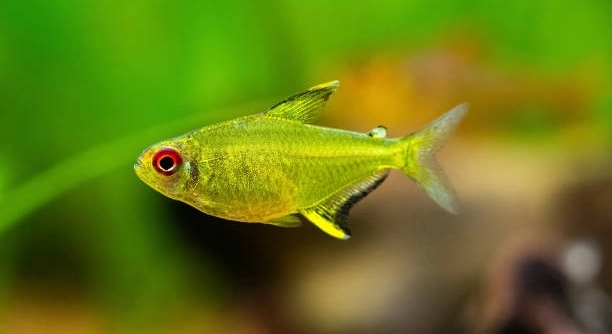
Have you ever noticed your lemon tetra acting in unusual ways near the water surface, creating a moment that makes you pause and wonder about its comfort and overall well-being in the aquarium environment today.
The most common reason a lemon tetra gasps at the surface is reduced dissolved oxygen, often caused by poor aeration, elevated temperatures, or water quality issues. Improving circulation, filtration, and maintenance helps restore stable oxygen levels and prevents further stress.
Learning what affects your tetras breathing can guide you toward simple adjustments that support a calmer routine within the tank.
Common Reasons for Surface Gasping
Many aquarists notice changes in their lemon tetras but do not always recognize how small shifts in the tank can affect their breathing. When a tetra heads toward the surface more than usual, it often signals that something in the aquarium needs attention soon. Low oxygen, rising temperatures, leftover food, and worn filters can all play a part in shaping the water conditions your fish rely on each day. Even mild instability can push a sensitive fish to seek relief at the surface. I have found that taking a closer look at simple habits, such as how often I clean the filter or how I feed, can reveal issues I did not expect. Once those patterns become clear, it becomes easier to understand why a tetra reacts a certain way. Paying attention to these signs helps you respond before stress becomes a bigger concern and keeps the tank running smoothly.
These factors often develop slowly, making it easy to overlook early signs that your tetra is becoming uncomfortable. By understanding what influences its breathing, you can make timely adjustments that support a calmer environment and prevent the issue from growing into something more serious for your fish to stay steady.
Small shifts in water movement, temperature, and cleanliness can add up, creating conditions that leave your tetra searching for comfort near the top. Keeping an eye on how the tank behaves helps you stay aware of changes that may go unnoticed during busy days. Simple habits like wiping the glass, removing debris, and refreshing the filter can keep the water steady enough for sensitive fish. When these tasks become part of a routine, your tetra benefits from an environment that supports calmer breathing and steadier activity throughout the day, giving you a clearer picture of its overall state.
How to Help Your Lemon Tetra Recover
Supporting a tetra that has begun gasping involves checking oxygen, testing the water, and stabilizing the environment without delay. Clear steps taken early can ease stress, reduce lingering irritation, and give the fish a better chance to settle back into its regular swimming pattern in a more balanced tank today.
I have learned that helping a lemon tetra recover starts with restoring strong water movement and making sure oxygen reaches every part of the tank. Checking the filter intake and return flow can reveal blockages that slow circulation more than expected. When the water moves steadily, oxygen spreads more evenly, easing the need for the fish to rise toward the surface. Testing the water for ammonia, nitrite, and nitrate provides another clear picture of the tank’s stability. Even slight spikes can irritate the gills and increase stress, so adjusting feeding habits or cleaning schedules can make a meaningful difference. Replacing a small portion of the water with fresh, conditioned water also helps dilute lingering waste that may not be visible. I have noticed that lowering the temperature by a degree or two can support better oxygen levels during warm periods. Keeping lights from overheating the tank adds extra protection. Once these steps are in place, giving the fish quiet time without sudden changes lets its breathing return to a calmer rhythm. Steady care, gentle maintenance, and awareness of how the aquarium behaves over time will support a healthier space for your tetra, reducing the chances of future gasping episodes.
Understanding Environmental Stress
Surface gasping often starts when the tank becomes unstable in ways that are easy to miss. Small changes in temperature, flow, or leftover waste can shift the balance your lemon tetra depends on, making it search for easier air near the top more often.
When I look back at times my fish showed similar behavior, the cause usually traced back to inconsistent upkeep. Warm rooms raised the tank temperature without me noticing, which lowered oxygen and made the fish uncomfortable. Even a slight slowdown in the filter reduced water movement enough to affect breathing. I learned that keeping the tank clean is not just about looks, it directly affects how well the fish can take in oxygen. Watching how debris gathers in corners or how quickly algae forms helps point out when the tank needs attention. These small checks prevent stress before it grows into something more difficult to manage.
Maintaining stable surroundings becomes easier once you understand how quickly conditions shift. Regular water testing helps reveal changes you cannot see, and adjusting feeding habits keeps waste from piling up. I also found that correcting small issues early reduces the chance of sudden spikes that irritate gills or make breathing harder. Even simple steps, such as lifting the lid slightly for better air exchange or gently stirring areas with low flow, help the tank feel more open for the fish. When the environment remains steady, your tetra settles back into its normal swimming pattern and shows fewer signs of discomfort near the surface.
Improving Water Quality Safely
Better water quality starts with steady habits that support a clean and balanced tank. Partial water changes, careful feeding, and attention to water movement all work together to create conditions that help your lemon tetra breathe with less effort and settle back into calm behavior.
I learned that cleaning too aggressively can disrupt the tank, while cleaning too lightly can leave hidden waste behind. Replacing a small amount of water at a time keeps the environment stable while removing what strains the fish most. Rinsing filter media in tank water protects helpful bacteria, keeping the system strong without wiping everything out. Testing for ammonia, nitrite, and nitrate helps you understand how well the tank is handling daily waste, giving you clues about when it needs extra care. When the readings stay consistent, the fish become more active and show steadier breathing patterns. Strong flow from the filter helps oxygen spread throughout the tank, reducing the fish’s need to rise to the surface. Over time, these habits create a calmer atmosphere that supports your tetra’s long-term comfort and healthier movement in the water.
Recognizing Early Warning Signs
Gasping becomes more noticeable when the tank starts drifting away from stable conditions. Watching how your lemon tetra moves, pauses, and reacts to gentle water flow can reveal early signs that something is shifting before the problem becomes harder to manage.
Small changes such as lingering near the top, reduced color, or slower swimming often show up first. I have seen these signals appear quietly, and noticing them early helped me fix issues before they affected the entire tank.
Adjusting Tank Conditions Promptly
Acting quickly when you notice these signs keeps the situation from worsening. Simple adjustments like increasing surface agitation, lowering the temperature slightly, or cleaning out uneaten food can restore balance faster than expected. I have found that even small corrections often lead to clear improvement within a short time, giving the fish space to breathe comfortably again.
Keeping a Steady Routine
A steady routine helps prevent stressful changes that push a lemon tetra toward the surface. Consistent care keeps the tank predictable, allowing your fish to stay relaxed and breathe with less effort throughout the day.
FAQ
Why is my lemon tetra staying near the surface even when it is not gasping?
A lemon tetra may stay near the top when the water feels warmer than usual or when oxygen levels start dipping. I have seen this happen during hot days when the tank temperature rises slowly. Even if the fish is not gasping, this shift can make it linger higher in the water column. Low flow from the filter can also cause calmer areas near the top, which sometimes attract fish seeking a more comfortable place to rest. Checking temperature, flow, and oxygen can reveal small changes before they become something bigger.
Can poor water movement cause surface gasping?
Yes, weak water movement makes oxygen spread unevenly through the tank. When this happens, the top layer holds more oxygen than the lower areas, pushing the fish upward for easier breathing. I have had moments where clogged filter intakes slowed water flow more than I realized. Once I cleaned the filter and adjusted the outflow, the fish settled back into the middle of the tank. Keeping the flow steady helps your lemon tetra stay comfortable without needing to rise to the top.
Is ammonia a common cause of gasping in lemon tetras?
Ammonia is one of the most stressful problems for small fish, and even slight increases can irritate their gills. When ammonia rises, breathing becomes uncomfortable, making them seek relief at the surface. I have noticed how quickly behavior shifts when water tests show unexpected ammonia spikes. Overfeeding, infrequent cleaning, or a filter that is not working efficiently can cause levels to climb. Regular testing helps catch issues before they create lasting stress.
Can sudden temperature changes affect breathing?
Sudden warming or cooling forces the fish to adjust more quickly than it can handle. Warmer water holds less oxygen, which makes gasping more likely. I once had a heater malfunction and raise the temperature only a few degrees, but the fish reacted almost immediately by moving upward. Slow, steady temperatures keep them breathing comfortably. If fluctuations continue, checking the heater or room conditions can help stabilize the environment.
Are lemon tetras sensitive to low oxygen compared to other fish?
Lemon tetras are fairly sensitive to poor oxygen conditions. They rely on stable water movement and clean surroundings to breathe easily. In tanks with heavier waste or warmer temperatures, they tend to show discomfort sooner than tougher species. I have found that keeping their tank well circulated prevents these problems from starting. When the oxygen stays even from top to bottom, their movement looks smoother and more relaxed.
Why does my lemon tetra gasp even though my tank looks clean?
A tank can appear clean but still hold dissolved waste that irritates gills. Clear water does not always mean stable conditions. I have made this mistake before, thinking the tank looked fine until I tested it and found elevated nitrate levels. Filters can trap unseen debris that slowly breaks down, affecting water quality over time. Regular water changes and gentle filter care help remove these hidden issues.
Can stress from tank mates cause surface gasping?
Yes, stress affects breathing patterns. If the tetra feels crowded, chased, or unable to rest, it may show signs that look similar to low oxygen. I once added a slightly more active species to my tank, and the lemon tetras reacted by moving upward and staying near calmer spaces. Adjusting the stocking or rearranging decor to create hiding areas can reduce this type of stress.
How long does it take for a lemon tetra to recover once the issue is fixed?
Recovery time depends on how stressed the fish has become. Minor issues usually improve within a few hours once oxygen levels stabilize or water quality returns to normal. In tougher situations, I have seen progress take a day or two. Keeping the tank calm, avoiding sudden changes, and monitoring behavior closely helps the fish regain its normal breathing pattern. Steady care afterward prevents the problem from returning.
Final Thoughts
Caring for a lemon tetra becomes easier when you understand how sensitive it is to changes in its surroundings. Many signs appear quietly, and noticing them early can prevent stress from building into something more serious. When a fish starts moving toward the surface more often, it is usually reacting to a shift in the tank that might not be visible at first glance. I have learned that even small mistakes, such as skipping a cleaning session or letting food settle on the bottom, can slowly affect how well the fish breathes. By paying attention to these little details, you create an environment where your tetra feels steady and safe. This kind of awareness grows naturally once you start observing how the fish behaves during calm moments, feeding times, and regular swimming patterns. With time, these observations help you understand what is normal for your tank and what needs attention.
Keeping the tank stable does not need to be complicated. Clean water, steady flow, and balanced feeding habits offer your lemon tetra the support it needs to breathe comfortably and maintain its natural activity. I have found that making small adjustments ahead of time is far easier than trying to repair a problem once it becomes noticeable. A slight drop in temperature during warm periods, a gentle rinse of filter parts, or a quick test of the water often brings early issues to light. These steps take only a few minutes but can make a big difference for the overall health of the tank. When the water stays clear and well oxygenated, the fish settle into their usual routine without signs of strain. This steadiness brings a calm feeling to the aquarium, and watching the fish swim with ease becomes much more enjoyable. Over time, this kind of attention turns into a natural habit that supports long term health for every fish in the tank.
Understanding how these elements work together helps you create a space where your lemon tetra can thrive. Once you recognize the connection between temperature, oxygen, movement, and waste, you start to see how each part shapes the environment your fish lives in. I have noticed that consistent care not only improves breathing but also builds a stronger sense of balance in the tank. The fish move more confidently, the water stays clearer, and the overall atmosphere becomes more peaceful. Even small routines like checking the filter flow or watching how the fish interact can guide you toward healthier choices for the aquarium. When these habits become part of your normal care, your tetra benefits from conditions that remain stable and supportive. This approach not only prevents stress but also encourages a healthier and more comfortable life for your fish.

Hello,
If you enjoy the content that we create, please consider saying a "Thank You!" by leaving a tip.
Every little bit helps us continue crafting quality advice that supports the health, happiness, and well-being of pets around the world, for pets of all shapes, sizes, and species.
We really appreciate the kindness and support that you show us!