
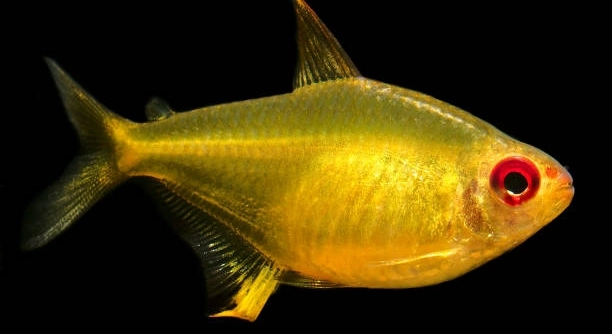
Lemon tetras are delicate and lively fish that brighten up any freshwater tank. Keeping them healthy requires attention to their environment and habits. Even small mistakes can affect their well-being and disrupt the harmony of your aquarium.
Avoiding common mistakes in lemon tetra tanks is essential for maintaining water quality, preventing disease, and supporting healthy behavior. Key issues include overfeeding, overcrowding, inappropriate tank mates, poor filtration, sudden water changes, and lack of plants or hiding spaces.
Learning how to care for your lemon tetras properly can prevent stress and ensure they thrive in their aquatic home. Proper attention to these factors makes all the difference.
Overfeeding Lemon Tetras
Overfeeding lemon tetras is a common mistake that can harm their health and disrupt tank balance. These small fish require tiny amounts of food multiple times a day. Giving too much food leads to uneaten bits sinking to the substrate, which can decay and increase ammonia levels. High ammonia and nitrite levels stress the fish and make them more prone to disease. Overfeeding also contributes to obesity in tetras, making swimming difficult and reducing lifespan. It is important to observe how much food your tetras can finish in a few minutes and remove any excess. Varied diets that include flake, micro-pellets, and occasional frozen or live foods provide proper nutrition without overloading the tank. Maintaining a feeding routine and monitoring their eating habits can prevent many common water quality issues. Consistent portion control keeps the fish active, healthy, and reduces the need for frequent water changes.
Small, controlled feedings ensure the tank remains clean and the tetras stay healthy, preventing unnecessary stress.
Observing your lemon tetras during feeding can be revealing. They quickly indicate if portions are appropriate by finishing all the food within minutes. Any leftovers suggest reducing amounts. Feeding too often can encourage algae growth and harm the beneficial bacteria in your tank. A proper diet supports color, vitality, and natural behavior. Frozen or live foods should be offered sparingly to mimic natural intake. Rotating food types helps maintain interest and balanced nutrition. Monitoring their response ensures health issues are caught early. Avoiding overfeeding is one of the simplest ways to maintain a stable and thriving tank environment. Consistency and attention to detail in feeding habits can significantly enhance their lifespan and overall well-being.
Overcrowding the Tank
Keeping too many lemon tetras in a small tank causes stress, aggression, and poor water quality. It is essential to respect their space needs to maintain health.
Overcrowding can lead to stunted growth, disease spread, and uneven swimming patterns. Lemon tetras thrive in schools of six or more but require at least ten gallons for a small group. When fish are cramped, territorial disputes increase, and stress hormones rise, weakening immunity. High population density accelerates waste accumulation, making filtration less effective and water changes more frequent. Maintaining a balanced number of fish ensures each tetra has space to swim, hide, and display natural behavior. Proper stocking prevents unnecessary stress while promoting a visually appealing, lively aquarium. Planning tank size before adding fish helps avoid long-term problems, ensuring both the tetras and the aquatic plants coexist in a healthy, stable environment.
It is better to add fish gradually while observing tank capacity and water conditions to maintain a stable habitat.
Incompatible Tank Mates
Choosing the wrong tank mates can stress lemon tetras and hinder their health. Aggressive or larger fish may nip fins or intimidate them, while overly shy fish can prevent natural schooling behavior. Compatibility is key to a peaceful tank environment.
Lemon tetras do best with small, peaceful species that share similar water requirements. Fish such as small rasboras, guppies, and corydoras catfish are suitable companions. Avoid housing them with large cichlids or aggressive barbs that may attack or outcompete them for food. Mixed-species tanks require careful planning to ensure each fish has hiding spots and enough swimming space. Proper observation during initial introductions can prevent conflicts and maintain a stress-free environment.
It is also important to consider temperament and activity levels. Fast-moving or territorial fish may disrupt the tetras’ natural schooling behavior. Providing plants and decorations creates safe zones and reduces tension, ensuring all species coexist peacefully and thrive.
Poor Filtration
Insufficient filtration leads to toxic water buildup and unhealthy conditions. A properly sized filter maintains clean water and stable parameters for lemon tetras.
Filters remove waste, uneaten food, and debris while promoting beneficial bacterial growth. Without adequate filtration, ammonia, nitrites, and nitrates accumulate quickly, stressing the fish and increasing disease risk. Lemon tetras are sensitive to poor water quality and require stable, clean conditions to thrive. Regular filter maintenance is essential to prevent clogs and maintain efficiency. Choosing a filter rated for slightly more than the tank’s volume ensures optimal performance and reduces frequent water changes.
Using a combination of mechanical, chemical, and biological filtration is effective for long-term stability. Mechanical filtration traps debris, chemical filtration removes impurities, and biological filtration supports bacteria that break down harmful compounds. Regular water testing confirms the filter maintains safe parameters. Clean or replace filter media as needed, and avoid sudden changes that may disturb beneficial bacteria. Efficient filtration reduces stress, enhances color, and supports natural activity, providing a healthier, more stable environment for lemon tetras to flourish.
Sudden Water Changes
Rapid changes in water temperature or chemistry shock lemon tetras and can cause illness. Always adjust new water slowly to match the tank’s conditions to prevent stress and maintain stability.
Even small differences in pH or hardness can affect their immune system. Gradual water changes protect their health.
Lack of Hiding Spots
Lemon tetras feel safer with plants, rocks, or decorations to retreat behind. Open tanks without shelter increase stress and reduce natural behavior.
Providing dense planting and small caves allows tetras to explore while feeling secure. Hiding spots reduce aggression and mimic their natural environment, helping them stay active and healthy.
Overuse of Chemicals
Adding too many water conditioners, medications, or supplements can harm the tank ecosystem. Balance is necessary to maintain water quality and fish health.
How often should I feed my lemon tetras?
Feeding should be small and frequent. One to two times per day is sufficient, offering only what they can finish in about two minutes. Overfeeding leads to leftover food, which decomposes and pollutes the water. A balanced diet of flake food, micro-pellets, and occasional frozen or live foods keeps them healthy. Observing their behavior during feeding helps determine the correct portion. Too little food may cause them to become weak, while too much increases stress and water quality issues. Maintaining this balance ensures active, vibrant fish and a stable tank environment.
What is the ideal tank size for lemon tetras?
A minimum of ten gallons is recommended for a small school of six tetras. Larger groups require more space to swim freely and maintain natural schooling behavior. Overcrowding stresses fish, encourages aggression, and accelerates waste accumulation. A properly sized tank allows room for plants, decorations, and hiding spots, which reduces tension and supports natural behavior. Planning tank size before adding fish prevents long-term problems and supports water quality. Adequate swimming space also promotes exercise, strengthens immunity, and helps the tetras display vibrant colors.
Which tank mates are suitable for lemon tetras?
Peaceful, small fish with similar water requirements are best. Species such as rasboras, guppies, and corydoras catfish are compatible. Avoid aggressive or much larger fish that may nip fins, compete for food, or intimidate the tetras. Proper planning of tank mates minimizes stress and maintains a peaceful community. Observing interactions after introducing new fish ensures compatibility. Providing plants and hiding spaces further reduces potential conflicts. Choosing compatible species helps the tetras display natural schooling behavior and reduces the risk of injury or disease.
How often should I perform water changes?
Regular water changes are necessary to maintain clean, stable water. Typically, changing 20–30% of the water weekly works well for most tanks. Larger changes or more frequent changes may be required in heavily stocked tanks. Water changes remove excess nutrients, waste, and toxins, improving water quality and preventing stress-related illnesses. Always match the temperature, pH, and hardness of new water to the tank to avoid shocking the fish. Gradual changes protect their immune system and maintain a stable environment for healthy growth and natural behavior.
How can I prevent disease in lemon tetras?
Maintaining proper water quality, a balanced diet, and avoiding overcrowding are key steps. Observing fish for early signs of illness, such as faded color, erratic swimming, or clamped fins, allows for prompt action. Quarantining new fish before introducing them to the main tank reduces the risk of spreading pathogens. Providing hiding spots and minimizing stress also strengthens their immune system. Regular cleaning of the tank, substrate, and filter helps prevent harmful bacteria and parasites from building up. Early intervention and consistent care are essential to keeping tetras healthy and thriving.
What is the best way to introduce new fish?
Acclimate new fish slowly to prevent shock. Float the bag in the tank for 15–20 minutes to match temperature. Gradually mix small amounts of tank water into the bag over 30–60 minutes. This helps them adjust to pH, hardness, and temperature. Observe interactions after introduction to ensure compatibility. Adding plants or decorations near the new fish can reduce stress by providing hiding spots. Never release fish abruptly, as sudden changes increase mortality risk. Proper introduction supports a peaceful community, healthy behavior, and reduces stress-related issues in the tank.
How important are plants and decorations in the tank?
Plants and decorations provide hiding spots and mimic natural habitats. Dense planting reduces stress, encourages natural behavior, and limits aggression. Open areas allow swimming, while corners and caves offer security. Plants also help improve water quality by absorbing nutrients. Decorations should not have sharp edges that may injure fish. Combining plants with driftwood or small rocks creates a balanced environment. A well-structured tank encourages exploration, enhances color, and supports overall health. Proper use of plants and decorations is essential for maintaining a stable, visually appealing, and stress-free environment for lemon tetras.
Can lemon tetras live in community tanks?
Yes, with careful planning. Community tanks require compatible species with similar water needs. Avoid aggressive or predatory fish that may stress or harm tetras. Proper stocking density, hiding spots, and observing interactions help maintain harmony. Peaceful, small fish allow lemon tetras to school naturally and thrive. Community tanks must also maintain high water quality through filtration and regular water changes. Ensuring all species coexist peacefully reduces disease risk and stress while promoting active behavior. A thoughtfully designed community tank supports vibrant, healthy fish and creates a dynamic, balanced environment for all inhabitants.
Keeping lemon tetras healthy and happy requires careful attention to their environment, diet, and interactions. Small mistakes in tank management can quickly affect water quality, stress levels, and overall well-being. Overfeeding, overcrowding, and incompatible tank mates are among the most common issues that lead to stress and illness. Each of these factors can be controlled with proper planning, observation, and maintenance. By understanding the specific needs of lemon tetras, it becomes easier to maintain a stable and thriving aquarium. Regularly checking water parameters, feeding the right amounts, and ensuring enough space for swimming all contribute to a balanced and healthy tank.
Water quality is one of the most important aspects of keeping lemon tetras. Proper filtration and regular water changes prevent the buildup of harmful toxins like ammonia, nitrites, and nitrates. Sudden changes in water temperature or chemistry can shock the fish, so gradual adjustments are always recommended. Adding plants and decorations not only provides hiding spots but also helps mimic their natural environment, which reduces stress and encourages natural behavior. Avoiding overuse of chemicals and medications also keeps the tank ecosystem balanced, supporting the health of both the fish and beneficial bacteria. Attention to these details ensures that lemon tetras remain active, vibrant, and resistant to disease.
Planning a tank that meets the needs of lemon tetras takes time and attention, but it is worth the effort. Observing their behavior regularly allows early detection of stress or illness. Choosing compatible tank mates, maintaining consistent feeding routines, and providing a well-structured environment helps them display natural schooling and swimming behavior. Taking these steps creates a calm, stable environment where lemon tetras can thrive for years. Consistency in care, proper tank setup, and careful observation form the foundation for a successful aquarium, making it possible to enjoy healthy, active, and visually vibrant lemon tetras.

Hello,
If you enjoy the content that we create, please consider saying a "Thank You!" by leaving a tip.
Every little bit helps us continue crafting quality advice that supports the health, happiness, and well-being of pets around the world, for pets of all shapes, sizes, and species.
We really appreciate the kindness and support that you show us!