
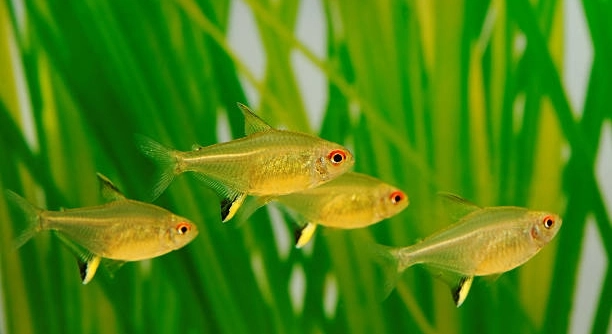
Have you ever added new tank mates and wondered if your calm aquarium would still feel balanced? Many lemon tetra owners consider pairing them with snails, creating a mix that can seem appealing and uncertain.
The coexistence of lemon tetras and snails is generally successful because both species maintain peaceful behaviors. When provided with stable water parameters, space, and hiding areas, they interact minimally, allowing each organism to fulfill its ecological role without significant disruption.
As you explore their compatibility, you will find details that simplify care decisions and support a calm aquatic environment overall.
Lemon Tetra Behavior Around Snails
Lemon tetras tend to show gentle behavior in mixed tanks, and this quality usually supports calm interactions with snails. When watching them together, you may notice that the tetras swim in loose groups while the snails move slowly along the glass or decorations. Their activity levels differ, yet they manage to exist side by side without drawing too much attention to one another. You may see a tetra investigate a snail briefly, but it rarely leads to nipping or stress. Most of the time, each species keeps to its own routine, making the tank feel peaceful and predictable. This balance often depends on stable conditions, because sudden changes in lighting, feeding habits, or flow can cause tetras to act more anxiously. Keeping things steady helps both animals settle comfortably. When conditions stay consistent, lemon tetras and snails usually establish a rhythm that feels natural and easy to maintain each day.
Snails contribute to overall cleanliness by consuming leftover food, and lemon tetras rarely see them as something to chase. Their roles do not overlap in a bothersome way, creating a stable mix that supports calm movement and gentle routines in a shared tank for both animals over time in practice.
Lemon tetras appreciate open swimming space, while snails prefer quiet surfaces to graze on, so each group settles into its own zone. This separation keeps stress low and encourages healthy behavior. When you watch them, you may notice how predictable their movements become once the tank is arranged with clear areas. Plants, gentle flow, and steady lighting make this easier. A setup like this helps avoid unnecessary interaction, which keeps both species comfortable. Over time, the tank feels more stable and pleasant to maintain, creating an environment where you can observe natural habits with little interference in a calm space.
Setting Up a Suitable Tank for Both Species
Creating a suitable tank for lemon tetras and snails starts with stable water parameters, because both species rely on consistency. Clean water, gentle flow, and moderated lighting reduce stress, while simple shelters give snails space to feed and rest without interference from active schooling fish through each part of upkeep.
Lemon tetras and snails thrive when the tank is arranged with balance in mind, so it helps to create sections that support different needs. Open areas allow the tetras to swim freely, which reduces tension and keeps their schooling movement smooth. Snails benefit from surfaces with light algae, driftwood, or gentle plant cover, giving them places to graze without disturbance. When these areas are clearly defined, both species behave more predictably and settle into routines that feel natural. Regular maintenance supports this balance. Water changes, filter checks, and mindful feeding prevent waste buildup, which helps protect snails from poor conditions and supports the tetras active habits. It also reduces the chance of tetras picking at snails out of curiosity. A calm tank usually depends on lighting that stays consistent, because sudden brightness shifts can make tetras skittish. Steady conditions promote gentle behavior. When everything stays stable, the overall environment becomes easier to manage and more pleasant to observe, allowing both species to remain comfortable in the same space. These adjustments help both species remain settled and active, creating a steady environment. Over time, the tank feels easier to care for and supports routines that stay reliable without adding stress overall.
Feeding Considerations for a Shared Tank
Feeding both lemon tetras and snails requires steady routines that prevent leftover waste from building up. Small portions help keep the tank clean, and sinking foods support snails without disturbing the tetras active feeding habits during each scheduled meal.
Lemon tetras respond well to finely sized flakes and micro pellets that stay near the surface or drift slowly through the water column. Snails benefit from algae wafers, blanched vegetables, and soft grazing surfaces. Separating feeding zones reduces competition and keeps each group satisfied. Consistent portions prevent uneaten food from gathering under plants or decorations, which helps protect water quality. A clean tank supports calm behavior, allowing both species to settle into predictable habits. When feeding times stay steady, the tank remains easier to maintain.
Overfeeding causes cloudy water, unpleasant odors, and a rise in harmful compounds that affect both species. Snails may graze on leftovers, but they cannot handle large amounts. Lemon tetras also become more restless when the water becomes polluted. Controlled feeding routines help maintain clarity and create a balanced environment. Offering small amounts twice a day works well for tetras, while occasional targeted feeding supports snails without overwhelming the tank. Keeping this balance protects both species long term.
Managing Population and Tank Stability
Snail populations can increase quickly when food is plentiful, so keeping portions modest helps prevent overcrowding. Lemon tetras do not control snail numbers, so tank care plays the biggest role in keeping things stable and comfortable for both species without added complication from excess waste.
Stable water conditions help reduce stress and support predictable behavior. Regular water changes, simple cleaning routines, and steady lighting prevent sudden shifts that make tetras uneasy. Snails remain healthier when parameters stay steady, because fluctuating conditions affect their shells and movement. Reducing excess nutrients keeps snail numbers manageable, preventing them from overwhelming the tank. A tank that stays balanced is easier to observe and enjoy. Clear layout, controlled feeding, and routine care create a healthy space where both species settle naturally. Over time, these habits support a predictable environment that feels calm and easy to maintain.
Monitoring Behavior in a Mixed Tank
Watching how lemon tetras move around snails helps you spot early signs of stress. Sudden darting, frequent chasing, or unusual hiding may signal that something in the tank needs adjustment, especially if either species begins acting differently from its normal routine.
Snails may show stress through slow movement, retracted bodies, or staying in one spot for too long. When both species behave calmly, it usually means the environment is stable. Gentle swimming, steady grazing, and consistent routines signal that the conditions meet their needs.
Adjustments That Improve Compatibility
Small layout changes make a noticeable difference in shared tanks. Adding soft plants, driftwood, and stable hiding areas encourages snails to settle while giving tetras space to swim without interruption. Reducing sharp decor helps avoid accidental bumps. Stable lighting prevents skittish behavior, and maintaining predictable feeding routines limits unnecessary interaction, keeping both species comfortable and active.
Signs of a Healthy Community
When both species behave in calm, steady patterns, the tank feels balanced. Smooth schooling, slow grazing, clear water, and clean surfaces reflect good care. This harmony shows that the environment supports each group comfortably without extra intervention.
FAQ
Can lemon tetras harm snails in a shared tank?
Lemon tetras rarely harm snails, and most interactions stay minimal. They may inspect snails out of curiosity, but this behavior usually stops quickly. Snails tend to move slowly along surfaces, so they do not provoke the tetras or trigger aggressive responses. When conditions remain stable, both species settle into predictable routines that keep them calm. You may notice occasional nudges when tetras explore their surroundings, but this is mild and not harmful. As long as the tank has clean water and enough hiding spots, snails stay safe and active while tetras continue schooling without stress.
Do snails affect lemon tetra behavior?
Snails do not typically change how lemon tetras act. Tetras focus on swimming and exploring open space, while snails stay on hard surfaces or plants. Their different activity levels help prevent conflict. Snails may contribute to cleaner glass and decorations, which keeps the tank more comfortable for the tetras. When the snails remain healthy, their steady grazing helps reduce waste buildup that might otherwise affect the fish. Lemon tetras may swim near snails occasionally, but these moments are brief and harmless. As long as the tank is arranged with clear zones, both species behave as expected.
What types of snails work best with lemon tetras?
Most peaceful snail species stay compatible with lemon tetras because they do not bother fish and remain focused on grazing. Nerite snails, mystery snails, and ramshorn snails are common choices due to their gentle nature and easy care. These snails handle shared tanks well and rarely cause disruptions. Nerite snails help limit algae, while mystery snails add movement without overwhelming the tank. Choosing snails that stay calm and avoid quick movements supports a peaceful setup for both groups. It helps to start with a few individuals to avoid crowding before you understand how the tank responds.
Can feeding habits cause issues between them?
Feeding routines can affect compatibility if portions are too large. Extra food can increase snail numbers and raise nutrient levels, which may stress the tetras. Keeping meals controlled prevents these problems. Providing sinking food for snails and floating or slowly sinking flakes for tetras reduces competition and keeps both satisfied. Tetras tend to eat quickly, so placing snail food in quiet areas helps snails feed without disturbance. When feeding times stay consistent, both species follow calm patterns that support tank stability. This balance reduces waste, protects water quality, and helps maintain comfortable behavior.
How can I tell if a snail is stressed in a tank with lemon tetras?
Snails show stress in clear ways. Slow movement, retracted bodies, or staying still for long periods can signal discomfort. Poor water conditions often cause these signs, so checking parameters helps identify the problem. Snails also react to sudden lighting changes or aggressive tank mates, but lemon tetras seldom cause this. If the snails seem inactive, look for leftover food buildup, shell damage, or cloudy water. Correcting these issues usually helps them recover. When snails move steadily, graze often, and explore surfaces, they are comfortable in the shared environment.
What tank size supports peaceful coexistence?
A tank of at least 20 gallons provides enough space for calm interactions. Lemon tetras need room to school, and snails benefit from quiet zones for grazing. Larger tanks help spread activity out and prevent species from crowding each other. More space also supports better filtration and stable parameters, which keep both groups healthy. Clear layout and steady lighting help maintain calm behavior. When each species has space to follow its natural habits, the tank stays peaceful and easier to manage. Larger setups also reduce the chance of rapid snail population growth caused by excess food.
What adjustments help when issues appear?
If problems arise, simple changes help restore balance. Start by checking water parameters and reducing leftover food. Rearranging plants or adding gentle shelters can help snails settle. Soft lighting and clear swimming lanes calm the tetras. These adjustments often resolve behavior issues quickly.
Final Thoughts
Caring for lemon tetras and snails in the same tank becomes much easier when you understand how their behaviors fit together and how their needs overlap. Both species prefer calm surroundings, steady routines, and clean water, so their care often supports each other naturally. Lemon tetras stay active in open areas, while snails focus on slow grazing along the surfaces. This difference helps reduce conflict, because neither species competes for the same spaces or food sources. When you look at how they behave from day to day, you may notice how predictable their movements become once the tank is settled. This calm behavior is a good sign that the environment is meeting their needs. Stable lighting, simple feeding habits, and regular maintenance all play important roles in helping them feel comfortable. Over time, these routines make the tank easier to manage, giving you a steady environment where both species live comfortably without extra intervention.
Snails add value by consuming extra food and helping reduce light algae, which keeps the tank cleaner for the tetras. Their constant grazing supports the overall balance of the system, especially when the tank layout includes plants, driftwood, and smooth surfaces. Lemon tetras contribute movement and color, making the aquarium feel lively without overwhelming the snails. When both species are healthy, the tank develops a rhythm that feels peaceful. Still, this balance does not happen on its own. Careful feeding, consistent water changes, and simple layout choices all help maintain stability. Too much food, sudden lighting changes, or overcrowding can disrupt their habits and create stress. Paying attention to these details keeps the tank running smoothly and helps avoid problems before they grow. Watching both species interact in a calm, clean environment often gives you a clear sense of what works and what needs improvement.
Keeping lemon tetras and snails together is a practical choice when the tank is managed with care and consistency. Their needs are simple, and their peaceful nature makes them suitable companions in most setups. When you adjust the tank with their behaviors in mind, you create a space where both species can thrive without affecting each other negatively. The stability you build through careful routines supports long term comfort, making the aquarium more enjoyable to observe and maintain. With steady attention to feeding, cleanliness, and layout, the environment remains predictable and pleasant. Over time, this approach builds a comfortable habitat that stays easy to manage, supporting healthy behavior and calm interactions between lemon tetras and snails as they share the same space.

Hello,
If you enjoy the content that we create, please consider saying a "Thank You!" by leaving a tip.
Every little bit helps us continue crafting quality advice that supports the health, happiness, and well-being of pets around the world, for pets of all shapes, sizes, and species.
We really appreciate the kindness and support that you show us!