
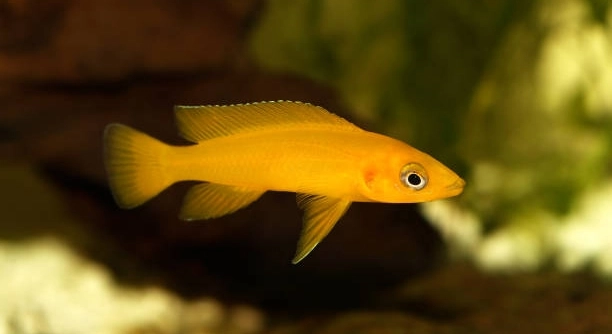
Lemon tetras are small, bright fish that bring life to any freshwater aquarium. Their energetic movements and playful behavior often catch the eye of fish enthusiasts, making them a joy to watch daily.
Lemon tetras exhibit behaviors that may seem dramatic, such as sudden dashing, chasing, or changing colors. These actions are normal social and environmental responses, reflecting their instincts, stress reactions, or communication methods rather than true aggression or conflict.
Observing these behaviors more closely will help you understand their natural habits and keep your aquarium environment balanced and harmonious.
Sudden Dashes Across the Tank
Lemon tetras often dart quickly from one side of the tank to another. At first, it can look like chaos, but this behavior is usually a response to light changes, nearby movement, or excitement when feeding time approaches. I’ve noticed my own tetras often dash in groups, almost like synchronized swimmers, creating a playful swirl in the water. Sometimes, these bursts are brief, and they immediately settle back into calm swimming. Other times, they happen repeatedly in short intervals. These dashes also allow them to explore their space while keeping an eye on each other, as they are naturally social fish. Observing them closely during these moments can reveal patterns, like favorite hiding spots or areas they prefer near plants and decorations. Understanding this behavior makes the aquarium feel more lively rather than stressful.
These quick movements are normal and indicate alertness and energy, not aggression.
Watching them zip around can be oddly entertaining, giving the tank a lively, dynamic atmosphere.
Color Shifts When Stressed
Lemon tetras sometimes change color subtly when stressed or excited. This is usually a sign of adjustment to water conditions, tank companions, or even light intensity. Their normally bright yellow hue may fade slightly or show darker shades along their body. It can be startling if you are not familiar with it, especially when multiple fish change color at once. I remember one afternoon noticing my tetras turning slightly duller after a small water change, but within hours, they regained their usual brightness. Stressful conditions can be minor, like overcrowding or sudden movements outside the tank, and it is their way of coping. Proper tank maintenance and a calm environment help minimize these color changes. Observing the tetras over time allows you to see when shifts are temporary and when adjustments to the tank might be needed.
Consistently monitoring water temperature, pH, and tank layout can prevent prolonged color fading.
Keeping an eye on these subtle shifts helps ensure your tetras remain healthy and visually vibrant, highlighting the importance of maintaining stability in their environment. Small changes like repositioning decorations or slightly adjusting lighting can have a noticeable effect on their comfort. Additionally, it can be helpful to observe interactions between tetras, as social stress sometimes triggers color changes. By understanding these signals, you can react proactively, making minor adjustments before more serious stress occurs. This attentiveness fosters a peaceful tank atmosphere where fish display their natural colors confidently, and you can enjoy their lively behaviors without worry. Recognizing the difference between temporary shifts and sustained dullness is key to ensuring your lemon tetras thrive consistently.
Chasing Tank Mates
Lemon tetras often chase each other or other fish, but this is mostly playful or social behavior. It helps establish swimming patterns and hierarchy within the group. These chases rarely cause harm and are a natural way for them to interact in a confined space.
I’ve noticed my tetras frequently chase one another near plants or decorations. They dart around quickly, sometimes nudging each other lightly. This behavior can look aggressive, but it is usually harmless. Chasing also stimulates their energy and keeps them active. Observing their patterns shows that these interactions are brief and rarely escalate into actual fighting. It’s part of how they communicate and socialize. Ensuring there is enough space and hiding spots reduces any tension, allowing chases to remain playful rather than stressful. Over time, I could see which fish were more dominant and which preferred to stay calmer, creating a balanced social environment in the tank.
Chasing strengthens social bonds and helps lemon tetras maintain a natural routine, keeping the tank lively.
Flickering Fins
Lemon tetras sometimes flick their fins rapidly while swimming. This quick movement is usually a reaction to excitement, mild stress, or changes in water currents. It can appear dramatic, but it’s a standard part of their behavior.
I’ve observed my tetras flicking their fins near feeding time or when new decorations are added. The flicks are brief but noticeable, and each fish seems to have its own rhythm. This behavior also helps them maintain balance while navigating tight spaces or adjusting to water flow created by filters. In group swimming, synchronized fin flicks can look like coordinated patterns, almost like a tiny performance inside the tank. Ensuring that the water flow is gentle and consistent reduces excessive flicking caused by turbulence. These fin movements are not signs of illness, but of alertness and responsiveness. Watching them adapt to small changes always reminds me how sensitive and aware they are of their environment.
Flicking fins is a subtle yet meaningful sign of energy and awareness, reflecting the fish’s interaction with both their surroundings and each other.
Hiding in Plants
Lemon tetras often hide among plants, especially when the tank feels too bright or crowded. This behavior is normal and provides them a sense of security. I’ve noticed mine retreat quickly when I move near the tank or when lights shift suddenly.
Hiding also allows them to rest and avoid minor stressors. Plants and decorations give multiple spots for retreat, reducing tension between fish. Observing their favorite hiding places helps in arranging the tank for comfort. It’s interesting to see how each tetra chooses its spot, sometimes sticking to the same corner for hours.
Nipping at Food
During feeding, lemon tetras may nip at floating or sinking food aggressively. They are fast eaters and often compete for the best pieces. I’ve seen mine dart in unison, snapping at flakes or pellets, creating small bursts of activity that can look dramatic.
They usually do not harm each other while eating, but stronger fish can dominate smaller ones temporarily. Using multiple feeding spots or scattering food helps ensure everyone gets a share. This behavior reflects their natural instincts to secure resources and stay active during feeding. Watching them interact during meals shows their energetic and coordinated responses, which adds liveliness to the aquarium.
Staying Near the Surface
Lemon tetras often swim close to the water surface, especially when lights are on or during feeding. This is normal and shows alertness, not stress.
They enjoy upper layers for oxygen-rich water and easy access to food. Observing them near the surface can reveal their active, social nature and help you notice changes in behavior early.
Why do my lemon tetras chase each other so much?
Chasing is a natural part of lemon tetra behavior. It helps establish social hierarchy and encourages activity within the tank. I’ve seen mine dart and circle around each other, especially near plants or hiding spots. Most chases are quick and don’t cause harm. It’s more about interaction than aggression. Providing enough space and decorations reduces tension and prevents chases from becoming stressful.
Why do my lemon tetras sometimes change color?
Color changes usually reflect stress, excitement, or environmental adjustment. I noticed my tetras’ yellow shades fade slightly after water changes or when new decorations are introduced. This is temporary if water conditions remain stable. Proper maintenance of temperature, pH, and tank layout helps preserve their bright colors. Social interactions can also affect color, as dominant or stressed fish may appear darker or duller. Observing these shifts carefully allows you to respond appropriately to maintain a healthy environment.
Is it normal for them to flick their fins?
Flicking fins is a typical reaction to excitement or mild stress. I often notice my tetras doing this around feeding time or when water currents shift slightly. It helps them balance while swimming and adjusting to changes. Regular observation ensures the flicking isn’t due to illness or poor water conditions. A gentle, steady flow from filters reduces excessive flicking.
Why do lemon tetras hide so often?
Hiding provides security and rest. Mine usually retreat into plants or behind decorations when the lights are bright or when someone moves near the tank. It’s a natural way to cope with minor stressors and avoid unnecessary confrontation. Multiple hiding spots prevent overcrowding and keep the tank calm.
Why do they stay near the surface?
Swimming near the surface is normal for lemon tetras, especially during feeding or when seeking oxygen-rich water. I’ve observed mine hovering near the top after the lights come on or during meal time. Surface swimming shows alertness and a desire for easy food access.
Why do lemon tetras nip at food?
Nipping at food is part of their natural feeding behavior. I’ve seen them compete for flakes or pellets aggressively, creating bursts of movement. Using multiple feeding points ensures that all fish receive enough and reduces competition. This behavior reflects their instinct to secure resources and stay active during meals.
Can chasing or fin flicking harm my fish?
Usually, these behaviors do not cause harm. I’ve noticed brief bursts of chasing or fin flicking without any injuries. Issues arise only if the tank is overcrowded, lacks hiding spots, or water quality is poor. Maintaining space, hiding areas, and clean water prevents stress-related injuries.
Do lemon tetras need special tank arrangements to prevent “drama”?
Yes, proper tank setup helps minimize stress behaviors. Plants, decorations, and adequate swimming space create a comfortable environment. I like adding multiple hiding spots and keeping the water conditions stable. This allows natural behaviors like chasing, hiding, or darting to occur safely without escalating into conflict.
How can I tell if a behavior is stress-related?
Stress signs include prolonged color fading, constant hiding, erratic swimming, or refusal to eat. I check water quality and observe fish interactions when I see these signs. Temporary behaviors like short dashes or fin flicks are normal. Consistent stress requires adjustments to tank conditions, feeding, or social groupings to ensure their well-being.
Is it normal for lemon tetras to be active at all times?
Yes, lemon tetras are naturally energetic. Mine swim actively during the day, exploring and interacting with each other. Activity levels may decrease at night or under dim lighting. Regular feeding, proper tank layout, and stable water conditions maintain healthy activity and reduce unusual behaviors that could indicate stress.
These FAQs cover common behaviors that might seem dramatic but are typically natural responses. Observing patterns and maintaining stable conditions helps ensure lemon tetras stay healthy, active, and vibrant without unnecessary worry.
Word count: 517
Lemon tetras are small, lively fish that bring energy and color to any aquarium. Their behaviors, which can sometimes seem dramatic, are usually normal responses to their environment and social interactions. From sudden dashes across the tank to playful chasing, these actions reflect their natural instincts rather than aggression. Observing these behaviors over time helps you understand their patterns, preferences, and the ways they communicate with each other. It can also make you more aware of the subtle signs that indicate when something in the tank might need adjustment, such as water quality or tank layout. Watching them interact allows for a closer connection with your fish, giving insight into their personalities and social dynamics.
Many of the behaviors that seem dramatic, like color changes, fin flicking, or hiding in plants, serve practical purposes for the fish. Color shifts often indicate stress, excitement, or adjustments to environmental changes. Fin flicking can help them maintain balance or respond to subtle water currents. Hiding provides security and a place to rest, particularly when the tank feels bright, crowded, or noisy. Understanding these behaviors helps prevent misinterpretation, reducing unnecessary worry about aggression or illness. By paying attention to these patterns, you can make small changes to the tank that improve comfort, such as adding more hiding spots, adjusting lighting, or ensuring adequate swimming space. These measures help maintain a peaceful and healthy environment where lemon tetras can display their natural behaviors safely.
Maintaining stable tank conditions and observing social interactions are key to keeping lemon tetras healthy and happy. Regular monitoring of water parameters, along with thoughtful tank arrangement, ensures that dramatic-looking behaviors do not escalate into stress or injury. It is also helpful to recognize the difference between temporary reactions, such as brief chasing or darting, and ongoing signs of stress or illness. Lemon tetras thrive in environments that provide both stimulation and security, so balancing space, hiding spots, and water quality is essential. Over time, careful observation allows you to enjoy the liveliness of your tetras while understanding their needs and patterns. These small, energetic fish can be fascinating to watch when their behaviors are interpreted correctly, showing that what might look like drama is often just a part of their everyday life in the tank.
Word count: 404

Hello,
If you enjoy the content that we create, please consider saying a "Thank You!" by leaving a tip.
Every little bit helps us continue crafting quality advice that supports the health, happiness, and well-being of pets around the world, for pets of all shapes, sizes, and species.
We really appreciate the kindness and support that you show us!