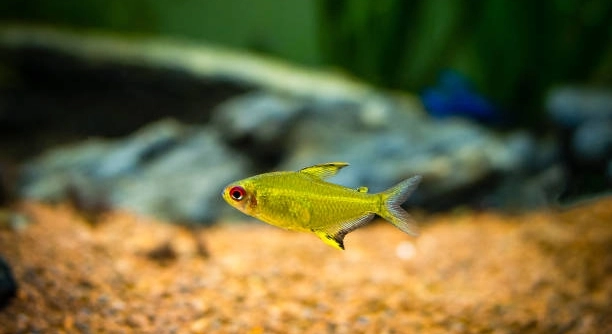
7 Causes of Bloating in Lemon Tetra

Bloating in lemon tetras is a common issue that can concern many aquarium owners. It often signals an underlying health or environmental problem, and understanding the causes is essential for maintaining the well-being of these delicate fish. Lemon tetra bloating is typically caused by overfeeding, constipation, poor water quality, parasitic infections, bacterial issues, organ failure, … Read more
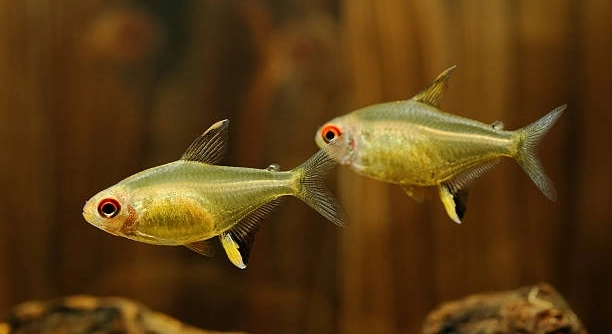
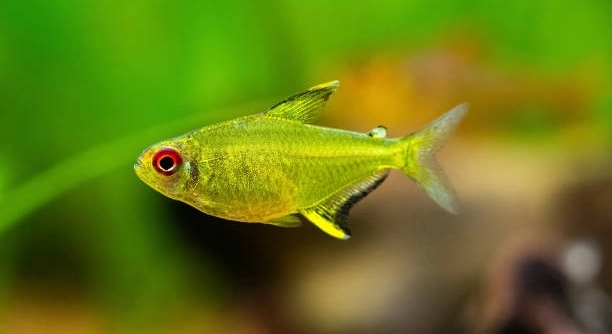
Why Is My Lemon Tetra Losing Color Overnight?

Do you ever notice your lemon tetra suddenly looking pale overnight, leaving you wondering if something is wrong? Many fish owners experience this surprising change, which can be unsettling when your vibrant pet loses its usual glow. The most common reason a lemon tetra loses color overnight is stress caused by changes in water quality, … Read more

7 Sounds That Can Disturb Lemon Tetra

Lemon tetras are small, colorful fish that bring life to any aquarium. Their calm nature makes them sensitive to changes in their surroundings and unexpected disruptions in the water environment. Understanding their behavior is important for their wellbeing. Lemon tetras are highly sensitive to sudden or loud noises. Sounds such as clattering objects, loud conversations … Read more

7 Reasons Lemon Tetra Might Stop Eating

Lemon tetras are small, vibrant fish that bring life to any aquarium. Watching them swim gracefully is a joy, but sometimes their appetite may suddenly decrease, leaving owners unsure of what is happening. Lemon tetras may stop eating due to stress, illness, water quality issues, or improper diet. Changes in their environment or tankmates can … Read more

What If Your Arowana Keeps Leaping for No Reason?

Arowanas are elegant and powerful fish that often capture attention in any aquarium. Their sudden leaps can surprise owners, making it a concerning behavior that feels unpredictable and confusing at times. Understanding this habit is helpful. Arowanas leap for various reasons, including stress, poor water quality, insufficient space, or an instinctive response to food. Addressing … Read more

7 Reasons Lemon Tetra Might Swim Upside Down

Do your Lemon Tetras sometimes swim upside down, leaving you puzzled and concerned? Observing your aquarium, you may notice this unusual behavior, which can be both worrying and intriguing for those who care for these delicate fish daily. Upside-down swimming in Lemon Tetras is often linked to swim bladder disorders, water quality issues, nutritional deficiencies, … Read more

Can Lemon Tetra Recognize Their Tank Setup?

Lemon tetras are small, vibrant fish that brighten up any aquarium. Observing their behavior can be rewarding, as they interact with their surroundings in gentle, often playful ways. Their movements bring a sense of liveliness to the tank environment. Research indicates that lemon tetras are capable of recognizing familiar features in their tank setup. They … Read more

7 Water Conditions Lemon Tetra Hate

Lemon tetras are small, lively fish that bring color to any aquarium. Keeping them healthy requires understanding their needs, especially when it comes to water quality. Many hobbyists overlook factors that can stress these delicate fish. Lemon tetras are sensitive to water conditions such as extreme pH levels, hard water, high ammonia, high nitrites, temperature … Read more

7 Tips for Handling Arowana With Minimal Stress

Handling arowanas can be challenging, especially if you want to keep them healthy and stress-free. Their large size and sensitive nature require careful attention and gentle management in daily care routines and tank maintenance. Proper handling of arowanas involves minimizing sudden movements, maintaining clean water conditions, and using appropriate tools for transport. Reducing stress supports … Read more

What Triggers Lemon Tetra to School Tightly?

Do you enjoy watching the graceful movements of your aquarium fish, especially when a group swims together in perfect harmony? Lemon tetras are known for their vibrant color and tendency to move in tight formations. Lemon tetras school tightly primarily in response to environmental cues and perceived threats. Factors such as water quality, tank size, … Read more