
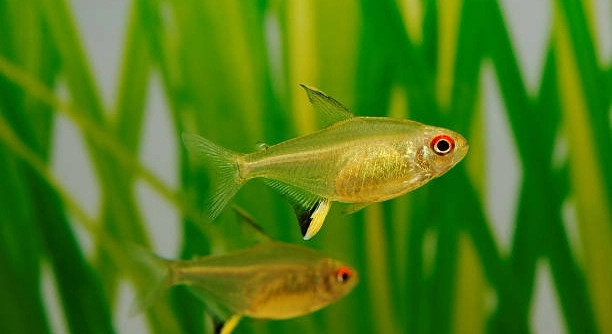
Lemon tetras are small, vibrant fish that bring life to any aquarium. Watching them swim gracefully is a joy, but sometimes their appetite may suddenly decrease, leaving owners unsure of what is happening.
Lemon tetras may stop eating due to stress, illness, water quality issues, or improper diet. Changes in their environment or tankmates can also impact feeding behavior, leading to reduced appetite and potential health concerns if not addressed promptly.
Understanding these causes will help you maintain a healthy environment and ensure your lemon tetras continue to thrive in your aquarium.
Stress in the Aquarium
Lemon tetras are sensitive fish that can become stressed easily. Sudden changes in water temperature, strong currents, or aggressive tankmates can make them nervous. Even moving decorations or rearranging the tank can cause stress. When stressed, lemon tetras often hide and lose interest in food. Stress weakens their immune system, making them more prone to disease. Observing their swimming patterns and behavior can help identify stress early. Providing plenty of hiding spaces and stable conditions encourages a sense of security. A calm environment with gentle lighting helps reduce anxiety. It’s also important to avoid overcrowding. Overcrowded tanks lead to competition for food and space, which increases stress. Ensuring that the water is clean and the temperature is stable keeps lemon tetras healthy. Small adjustments, like reducing noise or limiting sudden movements near the tank, can make a big difference in their appetite. Regular observation allows for quick action before stress impacts their overall health.
Stress often results in lemon tetras refusing food and hiding for extended periods.
Reducing stress improves feeding habits and overall fish health, making the tank environment more peaceful and predictable for everyone.
Poor Water Quality
Lemon tetras need clean water with stable parameters. Ammonia, nitrite, or nitrate spikes can make fish stop eating. Dirty tanks or inadequate filtration quickly affect their appetite. Water pH should remain stable, and sudden changes can shock them. Regular water testing helps maintain a safe environment.
When water conditions are poor, lemon tetras can develop diseases or weaken. Uneaten food decomposes, increasing toxins and worsening water quality. Frequent partial water changes and monitoring the filter prevent harmful buildup. Keeping a consistent temperature is equally important, as fluctuations can stress fish and reduce feeding. Maintaining proper stocking levels ensures toxins do not accumulate too quickly. Using a test kit helps track ammonia, nitrite, nitrate, and pH levels. Removing uneaten food promptly avoids further pollution. Clean water supports digestion, activity, and appetite, helping lemon tetras stay healthy and eat consistently. Paying attention to these details ensures your fish thrive without facing avoidable water-related issues. Observing behavior alongside water testing allows early detection of problems. By keeping the tank clean and stable, appetite problems are often prevented before they start.
Illness or Parasites
Lemon tetras can stop eating when sick or infected with parasites. Signs include faded colors, lethargy, clamped fins, or abnormal swimming. Early detection is key to recovery, as appetite loss often indicates a serious underlying problem that needs attention.
Illnesses like bacterial infections or parasitic infestations directly affect digestion and energy levels. Fish may refuse food completely, making treatment urgent. Observing for physical changes such as spots, sores, or frayed fins can help identify the issue. Quarantining affected fish prevents spreading disease to others in the tank. Maintaining stable water conditions and a balanced diet supports recovery. Proper treatment may involve medicated foods, water treatments, or antibiotics recommended for aquarium use. Timely intervention increases survival chances and reduces prolonged stress, which otherwise worsens appetite loss.
Some common parasites include ich, flukes, or internal worms. These disrupt nutrient absorption and weaken the fish, making them less likely to eat. Treatments often involve raising water temperature or using specific medications. Prevention through quarantine of new fish and clean water management is essential. Regular observation and prompt action keep lemon tetras healthy and eating consistently.
Inadequate Diet
A poor diet can lead lemon tetras to refuse food. Foods lacking nutrients or variety fail to meet their dietary needs. Feeding the same flakes daily often reduces interest in eating.
Balanced nutrition is critical for maintaining energy, color, and overall health. Lemon tetras thrive on a mix of high-quality flake foods, micro pellets, and occasional live or frozen foods such as daphnia, brine shrimp, or bloodworms. Variety ensures they receive proteins, vitamins, and minerals essential for growth and immunity. Overfeeding can also cause digestive problems and water contamination, indirectly affecting appetite. Rotating food types keeps meals interesting and supports long-term health. Observing feeding behavior can indicate whether diet adjustments are necessary. Nutrient-rich diets improve vitality and reduce susceptibility to stress and illness, keeping lemon tetras active and willing to eat.
Some lemon tetras may be picky or slow to adapt to new foods. Gradual introduction of different food types encourages consistent eating. Mixing live or frozen foods with flakes helps stimulate appetite. Ensuring freshness and proper portion sizes prevents waste and keeps the tank environment healthy. Regularly monitoring dietary habits allows early detection of feeding issues. With consistent attention to diet, appetite problems caused by inadequate nutrition are often resolved efficiently, supporting a thriving aquarium population.
Temperature Fluctuations
Lemon tetras are sensitive to sudden changes in water temperature. Even a few degrees too high or too low can reduce appetite and stress them. Maintaining a stable temperature within their preferred range is essential for healthy feeding and activity levels.
Temperature changes affect metabolism, making digestion difficult. Fish may stop eating when the water is too cold or too warm. Using a reliable heater and thermometer helps keep conditions stable. Avoid placing the tank near windows, vents, or drafts, which can cause fluctuations. Consistent monitoring ensures lemon tetras remain comfortable, active, and willing to eat regularly.
Overcrowding
Too many fish in the tank can lead to competition and stress. Overcrowding reduces available space and increases aggression, making lemon tetras hesitant to feed.
Overcrowded tanks also cause faster waste accumulation, affecting water quality and further discouraging eating. Keeping appropriate stocking levels allows each fish to access food easily. Spacing out fish improves swimming room and reduces stress, supporting consistent feeding behavior. Regular observation of fish interactions helps determine if adjustments are needed. Maintaining a balanced population ensures a calmer environment, better nutrition uptake, and overall healthier lemon tetras.
Acclimation Issues
New lemon tetras may stop eating if not properly acclimated to the tank. Gradual introduction to water conditions prevents shock and supports healthy adjustment.
Lack of Stimulation
Lemon tetras may lose interest in food if the tank environment is dull. Adding plants, hiding spots, or decorations encourages activity and improves appetite.
FAQ
Why is my lemon tetra not eating even though the water looks clean?
Even if the water appears clear, harmful chemicals like ammonia, nitrites, or nitrates may still be present. Water clarity does not guarantee safe conditions. Regular testing is essential to ensure water parameters are within safe limits for lemon tetras. Small spikes in toxins can stress fish, making them stop eating.
Can temperature changes really make lemon tetras refuse food?
Yes, lemon tetras are sensitive to water temperature. Sudden drops or rises in temperature can slow metabolism and reduce appetite. Maintaining a stable temperature in their preferred range, typically around 24–28°C (75–82°F), encourages regular feeding and activity. Using a reliable heater and thermometer is recommended.
How do I know if stress is affecting their appetite?
Stress often shows in hiding, clamped fins, and unusual swimming patterns. Fish may avoid food or ignore feeding times. Observing behavior regularly can help identify stressors like aggressive tankmates, overcrowding, or sudden environmental changes. Reducing stress often restores appetite.
Could illness or parasites be the reason?
Yes. Illnesses like bacterial infections or parasites can make lemon tetras stop eating. Look for physical changes such as spots, frayed fins, or lethargy. Early treatment, quarantine, and proper medication are critical to prevent disease spread and restore normal feeding habits.
Does diet variety matter for their appetite?
Absolutely. Lemon tetras need a balanced diet of flakes, pellets, and occasional live or frozen foods. Feeding only one type of food may lead to boredom and refusal. Providing nutrient-rich meals with variety supports growth, color, and consistent appetite.
Can overcrowding affect feeding behavior?
Overcrowding increases competition for food and reduces swimming space. Lemon tetras may hide or avoid feeding when other fish dominate the tank. Maintaining appropriate stocking levels improves comfort and access to food, encouraging regular eating habits.
How quickly should I see results after adjusting conditions?
After correcting stressors, water quality, or diet, improvement can often be seen within a few days. Some fish may take longer to regain appetite, especially if they were stressed or ill. Continuous observation ensures that adjustments are effective.
Is acclimation important for new fish?
Yes. New lemon tetras need gradual acclimation to the tank’s temperature and water chemistry. Rapid changes can cause shock, stress, and appetite loss. Floating the bag in the tank and slowly mixing tank water over an hour or more helps them adjust safely.
Will adding decorations or plants help?
Yes. Lemon tetras feel more secure with hiding spots and stimulation. Plants and decorations reduce stress and encourage natural behavior, which often increases feeding interest. A lively, well-structured tank supports both mental and physical health.
What should I do if my fish still won’t eat?
If appetite does not return after correcting water, temperature, diet, and stress factors, it may indicate a serious illness. Consulting an aquatic veterinarian or experienced aquarist is recommended. Monitoring closely, isolating affected fish, and providing proper treatment can prevent further health issues.
How often should I feed lemon tetras?
Feeding small amounts two to three times daily is ideal. Overfeeding can foul water and reduce appetite, while underfeeding can lead to malnutrition. Monitoring how much food they consume in a few minutes helps maintain the right portion size.
Can seasonal changes affect their eating habits?
Yes. Fluctuations in light, temperature, and water conditions during seasonal changes can affect metabolism and appetite. Maintaining consistent tank conditions and adjusting feeding practices ensures lemon tetras continue to eat reliably throughout the year.
Are there signs that indicate the fish is recovering?
Returning to normal swimming patterns, exploring the tank, and showing interest in food are positive signs. Color may brighten, and fins will no longer appear clamped. Recovery can be gradual, so patience and continued care are important.
Can live or frozen food really encourage eating?
Yes. Live or frozen foods like brine shrimp, daphnia, or bloodworms stimulate appetite and provide essential nutrients. Mixing them with flakes or pellets often entices reluctant eaters and encourages a balanced diet.
Is it necessary to quarantine new fish?
Quarantine is crucial to prevent disease introduction. New fish can carry parasites or bacteria that affect existing lemon tetras. A separate tank for observation and gradual introduction helps protect the main aquarium and maintains consistent feeding behavior.
How long can lemon tetras go without eating?
Healthy adult lemon tetras can survive several days without food, but prolonged fasting weakens immunity and increases disease risk. Promptly addressing causes of appetite loss ensures they regain normal feeding and maintain overall health.
Does lighting affect their appetite?
Proper lighting supports natural activity and feeding patterns. Too bright or too dim lighting can stress fish, making them less willing to eat. Providing a consistent light schedule that mimics natural day-night cycles encourages regular feeding behavior.
What steps prevent future appetite problems?
Maintaining clean water, stable temperature, varied diet, appropriate stocking, and stress-free environment prevents most feeding issues. Regular observation allows early intervention, keeping lemon tetras healthy and consistently eating. Preventative care is often more effective than treatment after problems arise.
Can feeding frozen or live food replace flakes entirely?
No. Flakes provide essential vitamins and minerals not always present in frozen or live food. A combination ensures complete nutrition, keeps fish interested, and supports long-term health. Rotating food types is key to preventing boredom and appetite loss.
How do I safely introduce new foods?
Introduce new foods gradually by mixing small amounts with familiar meals. Sudden changes can be rejected or cause digestive upset. Observation ensures they accept the food and tolerate it without affecting water quality. Gradual introduction supports consistent feeding habits.
Should I be concerned if only one fish stops eating?
Yes, but it may indicate stress, illness, or hierarchy issues rather than tank-wide problems. Isolating the fish to observe behavior and administering targeted care can prevent disease spread and help it return to normal feeding.
How important is water flow for feeding?
Moderate flow supports oxygenation without stressing lemon tetras. Strong currents may tire them, reducing interest in food. Adjusting filter output or adding gentle areas helps fish eat comfortably while maintaining clean water.
Can age affect appetite?
Older lemon tetras may eat less due to slower metabolism or health issues. Monitoring for other signs of aging or illness ensures they remain healthy and receive adequate nutrition. Adjusting food type and portion size can help maintain appetite.
Is it normal for them to skip meals occasionally?
Occasional missed meals are not usually a concern if the fish are otherwise active and healthy. Persistent refusal or changes in behavior indicate underlying problems that need attention. Consistency in care reduces these occurrences.
Can tank mates influence feeding?
Yes. Aggressive or fast-eating tank mates may intimidate lemon tetras, preventing them from accessing food. Observing interactions and providing feeding zones or separate areas ensures all fish can eat comfortably.
How do I encourage picky eaters?
Mixing familiar and new foods, offering live or frozen options, and adjusting feeding techniques can entice picky lemon tetras. Patience and consistency often result in improved appetite and better overall nutrition.
What is the safest way to treat appetite loss?
Identify the cause, correct environmental issues, adjust diet, and isolate sick fish if needed. Using medications carefully and following instructions ensures treatment is effective without harming healthy fish. Regular monitoring ensures recovery and prevents relapse.
Are there long-term effects of prolonged appetite loss?
Yes. Extended fasting weakens the immune system, slows growth, and increases susceptibility to disease. Early intervention, proper care, and balanced nutrition prevent lasting health problems and support longevity.
How can I tell if food is fresh enough?
Check expiration dates, appearance, and smell of flakes, pellets, and frozen foods. Old or spoiled food loses nutrients and may repel lemon tetras, leading to reduced appetite and digestive issues. Proper storage helps maintain freshness and interest in feeding.
Can adding supplements improve appetite?
Occasionally, vitamin or mineral supplements in food can boost appetite and overall health, especially if diet variety is limited. Careful use ensures nutritional balance without over-supplementing, supporting regular eating patterns.
How do I prevent water quality issues that affect feeding?
Regular water changes, filter maintenance, and removal of uneaten food prevent toxin buildup. Consistent monitoring keeps the environment safe, encourages appetite, and reduces stress, ensuring lemon tetras remain healthy and active.
What signs indicate feeding problems are resolved?
Fish actively swimming, eagerly approaching food, and maintaining color and fin condition indicate appetite has returned. Observing consistent behavior over days confirms recovery and stability in the tank environment.
Are there foods that stimulate feeding naturally?
Yes. Live or frozen foods like brine shrimp, daphnia, or bloodworms often trigger interest. Combining these with regular flakes or pellets keeps meals appealing and ensures nutritional balance.
How important is feeding schedule consistency?
Regular feeding times create routine, reducing stress and encouraging consistent eating. Inconsistent schedules may cause confusion or stress, leading to skipped meals or reduced appetite. A set routine supports healthy metabolism and fish behavior.
Can stress from handling affect appetite?
Yes. Frequent netting or tank maintenance near fish can scare lemon tetras, causing temporary refusal to eat. Gentle, minimal handling and careful observation reduce stress and support regular feeding patterns.
Is fasting ever beneficial for lemon tetras?
Occasional fasting, like skipping one day per week, can help prevent digestive issues. However, extended fasting is harmful. Controlled fasting supports digestive health without compromising overall nutrition.
What is the best way to monitor feeding?
Observe the tank during feeding, noting how much food is eaten and which fish eat first. Tracking behavior helps identify issues early and ensures all lemon tetras receive adequate nutrition.
How do I balance diet with multiple fish species?
Choose foods that meet the needs of all species without favoring one. Providing a mix of flakes, pellets, and live or frozen foods ensures everyone eats adequately, preventing appetite loss and nutritional deficiencies.
Can water pH affect feeding?
Yes. Lemon tetras prefer slightly acidic to neutral water (around pH 5.5–7). Sudden shifts can stress fish, reduce appetite, and impact digestion. Regular testing and careful adjustments maintain ideal conditions for feeding.
Should I separate sick fish immediately?
Yes. Isolation prevents disease spread and allows targeted treatment. A separate quarantine tank helps monitor feeding recovery and reduces stress on healthy fish in the main tank.
Does lighting intensity affect appetite?
Proper, moderate lighting supports natural feeding behavior. Too bright or dim light can stress fish, causing them to hide or avoid food. Consistent light cycles encourage regular activity and eating patterns.
How do I encourage shy or timid lemon tetras to eat?
Feed in quieter areas, use slow-release methods, or offer food near hiding spots. Gradually, timid fish gain confidence, approach food, and develop consistent eating habits.
Can tank cleaning routines affect appetite?
Yes. Excessive disturbance can stress fish, temporarily reducing feeding. Gentle maintenance with minimal disruption supports consistent appetite and lowers stress levels.
Are there behavioral signs that indicate hunger issues?
Lack of interest in food, hiding during feeding, or unusual swimming patterns may indicate appetite problems. Observing these behaviors early allows intervention before health is affected.
Do seasonal lighting changes impact feeding?
Yes. Natural or artificial light shifts can influence activity levels and appetite. Maintaining consistent light cycles minimizes stress and supports stable feeding habits.
Can adding live plants help improve appetite?
Yes. Plants provide hiding spots, reduce stress, and simulate a natural environment, encouraging active behavior and regular feeding.
How do I ensure my fish return to normal eating after illness?
Correct water parameters, provide nutrient-rich food, reduce stress, and monitor behavior closely. Gradual recovery is typical, and patience ensures fish regain appetite safely.
Is overfeeding as harmful as underfeeding?
Yes. Overfeeding pollutes water and can cause digestive problems, reducing appetite. Controlled portions support health, water quality, and consistent feeding behavior.
How do I track feeding improvements effectively?
Keep a log of food types, amounts, and fish responses. Observing changes in behavior and appetite over days or weeks shows whether interventions are working and identifies persistent issues.
Can tank decorations influence feeding behavior?
Yes. Hiding spots and stimulating environments reduce stress and encourage natural behavior, which often increases willingness to eat and supports overall health.
Is it normal for lemon tetras to prefer certain foods?
Yes. Individual preferences are common. Offering variety ensures they receive complete nutrition while maintaining interest in meals. Monitoring and adjusting foods keeps picky eaters engaged.
Can sudden changes in feeding times cause appetite loss?
Yes. Consistency is important. Sudden changes in feeding schedule can confuse or stress fish, leading to skipped meals. Gradual adjustments help maintain regular eating habits.
Are some tankmates more likely to influence feeding than others?
Yes. Aggressive or fast-eating species can intimidate lemon tetras, preventing access to food. Observing interactions and adjusting feeding methods or tank arrangements ensures all fish eat comfortably.
What role does water hardness play in feeding?
Water hardness affects mineral balance and overall health. Extreme softness or hardness can stress fish, indirectly reducing appetite. Maintaining stable conditions supports feeding and general well-being.
How important is routine observation?
Regularly watching fish during feeding helps identify changes in appetite, health, or behavior. Early detection allows prompt correction, preventing long-term issues and supporting consistent eating patterns.
Can I use supplements to encourage eating after illness?
Yes. Vitamins or minerals in food may stimulate appetite and aid recovery. Use carefully to avoid over-supplementation, ensuring a balanced diet while restoring feeding behavior.
Do lemon tetras ever stop eating due to boredom?
Yes. A dull environment can reduce interest in food. Adding plants, hiding spots, or varied foods keeps them engaged and supports consistent appetite.
How do I know when feeding problems are fully resolved?
Active swimming, eagerness to eat, bright colors, and healthy fins indicate recovery. Observing these behaviors consistently over several days confirms stability and proper appetite.
Is it safe to feed only live or frozen foods?
No. These foods are beneficial but do not replace flakes or pellets entirely. A combination ensures complete nutrition and keeps lemon tetras interested in meals.
Can tank size impact appetite?
Yes. Small or overcrowded tanks increase stress and competition, reducing feeding interest. Adequate space supports healthy behavior, activity, and regular eating patterns.
How do I prevent recurring appetite issues?
Maintain clean water, stable temperature, proper diet, consistent light cycles, and stress-free environment. Regular observation and preventative care help avoid future feeding problems, keeping lemon tetras healthy and active.
Are there signs of long-term appetite problems?
Weight loss, faded color, lethargy, and repeated meal refusal indicate prolonged issues. Early intervention prevents health deterioration and restores normal feeding behavior.
Can feeding methods influence appetite?
Yes. Slow feeding, using sinking or floating food, and feeding near hiding spots encourage reluctant eaters. Adjusting techniques based on fish behavior improves overall nutrition intake.
Is water filtration important for appetite?
Proper filtration maintains clean water, reduces toxins, and supports healthy digestion. Poor filtration increases stress and reduces interest in food, impacting overall fish health.
How do I balance feeding multiple species?
Provide a mix of foods suitable for all species and monitor each fish’s intake. This ensures everyone gets proper nutrition and prevents appetite loss caused by competition.
Can seasonal temperature changes affect feeding?
Yes. Slight seasonal shifts can alter metabolism. Maintaining stable tank conditions and monitoring behavior ensures lemon tetras continue to eat regularly and stay healthy.
Are there foods to avoid for lemon tetras?
Avoid spoiled, overly processed, or large foods they cannot eat. Such foods can cause digestive issues, water pollution, and appetite loss, compromising overall health.
How quickly should I act if fish stop eating?
Immediate attention is important. Investigate water quality, stressors, diet, or illness. Prompt action prevents long-term health issues and restores normal feeding patterns.
Can water additives affect appetite?
Yes. Certain chemicals, medications, or treatments may temporarily reduce feeding. Follow dosage instructions carefully, monitor behavior, and remove excess chemicals to minimize impact on appetite.
What is the safest way to introduce new tankmates?
Gradually and with proper quarantine. Sudden introduction can stress lemon tetras, causing appetite loss. Careful observation ensures compatibility and maintains feeding behavior.
Do lemon tetras respond to hand-feeding?
Some may, especially when food is offered near hiding spots. Hand-feeding can encourage picky or shy fish to eat, but it should be done gently to avoid stress.
How do I know if appetite loss is due to disease or environment?
Monitor water parameters, tankmates, and behavior. Persistent refusal, physical symptoms, or spreading effects indicate disease, while temporary changes often point to environmental issues. Early detection is key.
Is fasting safe for sick fish?
Short-term fasting may reduce digestive stress, but prolonged fasting during illness is risky. Focus on restoring proper feeding through water quality, diet, and treatment to support recovery.
Can lighting color affect appetite?
Yes. Natural or moderate white lighting supports normal feeding behavior, while extreme colors or intensity can stress fish, reducing willingness to eat.
Should I rotate foods regularly?
Yes. Rotating flakes, pellets, and live or frozen foods maintains interest, provides balanced nutrition, and encourages consistent appetite in lemon tetras.
Is it normal for some fish to eat faster than others?
Yes. Observe slower fish to ensure they receive food. Separating feeding zones or adjusting methods ensures all lemon tetras get adequate nutrition without stress.
How do I prevent digestive issues that reduce appetite?
Feed appropriate portions, provide a balanced diet, and maintain clean water. Avoid overfeeding and spoiled food to support digestion and consistent feeding behavior.
Can water aeration impact appetite?
Yes. Proper oxygen levels promote activity and feeding. Low oxygen or excessive bubbles may stress fish, causing reduced appetite.
Are there signs of appetite problems caused by stress?
Hiding, clamped fins, and unusual swimming during feeding indicate stress. Reducing environmental stressors typically restores normal eating habits.
Do lemon tetras need a feeding schedule?
Yes. Consistent timing supports routine, metabolism, and feeding behavior. Irregular schedules can cause skipped meals or reduced appetite.
Can tank noise affect feeding?
Loud or frequent vibrations can stress lemon tetras, making them hesitant to eat. Minimizing noise around the tank supports regular feeding patterns.
How do I support timid fish during feeding?
Feed near hiding spots or use gentle methods. Gradually, timid fish gain confidence, approach food, and develop consistent eating habits.
Are there signs that feeding recovery is complete?
Active swimming, interest in food, bright color, and healthy fins
Lemon tetras are small, vibrant fish that bring life to an aquarium, but they are sensitive and can stop eating for a variety of reasons. Their appetite is influenced by water quality, temperature, stress, diet, and overall tank conditions. Maintaining clean, stable water is essential, as even minor changes in chemical levels can affect their feeding behavior. Regular water testing, partial water changes, and careful monitoring of temperature help create a stable environment that supports healthy eating. Overcrowding and aggressive tankmates can also limit access to food, so keeping appropriate stocking levels and providing plenty of hiding spots can make a noticeable difference in their willingness to eat.
Diet is another critical factor that impacts appetite. Lemon tetras require a balanced diet that includes high-quality flakes or pellets, as well as occasional live or frozen foods like brine shrimp, daphnia, or bloodworms. Providing variety ensures they receive essential nutrients, prevents boredom, and keeps them interested in feeding. Gradually introducing new foods can help picky or shy fish adapt, while avoiding spoiled or overly processed food prevents digestive issues. Feeding small amounts multiple times a day, instead of one large portion, helps maintain water quality and encourages consistent feeding. Observation during feeding is important to make sure all fish are eating well and no individuals are being left out.
Addressing stress and health issues is equally important. Lemon tetras can be stressed by sudden changes in lighting, temperature, or tank layout, and stress often leads to reduced appetite. They may also refuse food if they are sick or infected with parasites. Observing behavior, such as hiding, clamped fins, or unusual swimming, can help identify problems early. Quarantining new or sick fish, providing a well-structured tank, and using proper treatments when necessary all help restore normal eating habits. By paying attention to these details, you can create a stable, healthy environment where lemon tetras are active, well-fed, and thriving, reducing the risk of appetite loss and supporting long-term well-being.

Hello,
If you enjoy the content that we create, please consider saying a "Thank You!" by leaving a tip.
Every little bit helps us continue crafting quality advice that supports the health, happiness, and well-being of pets around the world, for pets of all shapes, sizes, and species.
We really appreciate the kindness and support that you show us!