
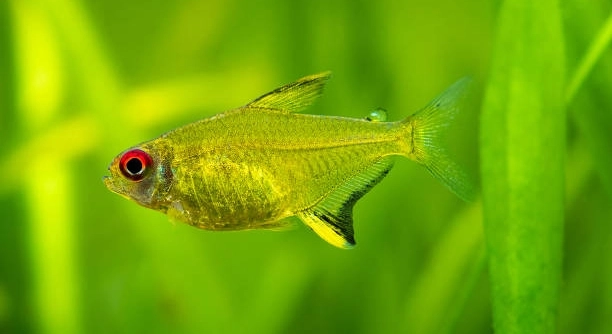
Do your Lemon Tetras sometimes swim upside down, leaving you puzzled and concerned? Observing your aquarium, you may notice this unusual behavior, which can be both worrying and intriguing for those who care for these delicate fish daily.
Upside-down swimming in Lemon Tetras is often linked to swim bladder disorders, water quality issues, nutritional deficiencies, or stress. Each factor disrupts normal buoyancy and orientation, leading to altered swimming patterns that require careful observation and corrective action.
Understanding the causes of this behavior can help you maintain a healthier aquarium and ensure your Lemon Tetras thrive in their environment.
Water Quality Issues
Poor water quality is a common reason Lemon Tetras swim upside down. Ammonia, nitrite, and nitrate levels can rise quickly if the tank is not properly cycled or maintained. Even small fluctuations in pH or temperature can stress your fish, affecting their buoyancy and overall health. Tap water may contain chlorine or heavy metals that irritate their system, causing abnormal swimming. Regular water changes, careful monitoring of chemical levels, and the use of a reliable water conditioner help maintain a stable environment. Filters must be cleaned but not over-scrubbed, as beneficial bacteria are essential for breaking down waste. Observing the fish during and after maintenance can reveal whether the water conditions are improving or worsening. Small tanks are particularly sensitive, so attention to detail is critical. Proper aeration and circulation also ensure oxygen levels remain adequate, which supports normal swimming patterns. Consistency in care reduces stress and helps your Lemon Tetras regain healthy buoyancy.
Keeping water parameters stable prevents repeated bouts of upside-down swimming and supports long-term fish health.
Regular testing and timely adjustments allow your fish to thrive, creating a balanced, comfortable environment for your aquarium.
Swim Bladder Disorders
Swim bladder disorders directly affect a Lemon Tetra’s ability to maintain proper orientation.
These disorders often arise from overfeeding, constipation, or infections. When the swim bladder inflates unevenly, fish cannot control their buoyancy properly, causing them to float upside down or sideways. Infections or parasites can also inflame the swim bladder, reducing its effectiveness. Feeding a balanced diet, avoiding excessive dry food, and including occasional frozen or live foods can help prevent constipation-related issues. Observing feeding habits and stool consistency is essential to detect early signs of problems. Treatment may involve fasting the fish for a day or two and then feeding easily digestible foods like peas. In severe cases, medications may be required under careful guidance to resolve infections. Maintaining optimal water conditions alongside dietary adjustments ensures the swim bladder functions normally. Monitoring swimming behavior over time helps determine whether interventions are effective and if further action is needed. Correcting swim bladder issues can restore normal movement and reduce stress significantly.
Consistent observation and proper care are key to preventing recurring swim bladder problems in Lemon Tetras.
Stress and Overcrowding
Stress is a major factor affecting Lemon Tetra behavior. Overcrowded tanks, aggressive tank mates, or frequent changes in their environment can cause anxiety, leading to upside-down swimming.
When Lemon Tetras are stressed, their immune system weakens, making them more prone to illness. Constant disturbances, loud noises, or sudden movements around the tank can also heighten stress levels. It’s important to provide hiding spots like plants or decorations and maintain a stable routine to reduce tension. Overcrowding increases competition for food and space, which can intensify stress further. Observing the social dynamics and adjusting the number of fish or rearranging decorations can help. A calm environment, stable water conditions, and compatible tank mates allow Lemon Tetras to swim normally and reduce erratic movements caused by stress.
Providing adequate space and environmental enrichment keeps your Tetras comfortable and reduces abnormal swimming behaviors.
Maintaining a peaceful aquarium promotes healthier, more natural activity and allows fish to regain normal buoyancy.
Dietary Factors
Poor diet often contributes to swim irregularities in Lemon Tetras. Feeding the same food constantly or overfeeding can lead to digestive problems, which in turn affect buoyancy and orientation.
A varied diet that includes high-quality flakes, frozen foods, and occasional live foods ensures proper nutrition and prevents constipation. Overfeeding leads to excess waste in the tank, further impacting water quality and the fish’s digestive health. Monitoring portion sizes and feeding frequency is essential to avoid these issues. Foods high in fillers or low-quality ingredients may not provide the necessary nutrients, increasing the likelihood of swim bladder complications. Adjusting diet gradually and observing reactions helps identify problematic foods and prevent future disturbances. Balanced nutrition supports digestion, strengthens the immune system, and helps Lemon Tetras maintain normal swimming patterns.
Introducing fiber-rich foods and controlling portions can resolve mild digestive issues and restore proper buoyancy.
A consistent feeding routine with varied, high-quality foods is critical for preventing recurring dietary-related swimming problems.
Temperature Fluctuations
Sudden changes in water temperature can disorient Lemon Tetras, affecting their buoyancy and causing upside-down swimming. Consistent temperature control is crucial to maintain stable swimming behavior.
Using a reliable heater and thermometer ensures the tank remains within the ideal range for Lemon Tetras. Gradual adjustments prevent shock and stress.
Infections and Parasites
Bacterial infections or parasites can compromise a Lemon Tetra’s swim bladder and overall health. These conditions often cause abnormal swimming patterns, lethargy, or loss of appetite. Identifying and treating infections promptly is essential to prevent long-term damage.
Maintaining clean water, quarantining new fish, and observing behavior regularly help reduce infection risks. Early intervention, including medicated treatments if necessary, can restore normal swimming. Preventive care ensures your fish remain active and healthy, reducing the likelihood of recurring swim bladder issues.
Tank Size and Environment
Small or poorly arranged tanks can restrict movement and contribute to abnormal swimming. Lemon Tetras require space to swim freely and explore without stress.
Providing an appropriately sized tank with hiding spots and open areas supports normal activity and reduces upside-down swimming.
FAQ
Why is my Lemon Tetra swimming upside down all of a sudden?
Sudden upside-down swimming usually points to stress, water quality issues, or swim bladder problems. Rapid changes in temperature, pH, or tank setup can trigger disorientation. Observing their behavior alongside testing water parameters helps identify the cause and implement corrective measures.
Can overfeeding cause my Lemon Tetra to swim upside down?
Yes. Overfeeding leads to digestive problems and constipation, which can affect the swim bladder. Feeding small, measured portions and offering a varied diet with high-quality flakes, frozen foods, or live options reduces digestive stress and restores normal buoyancy.
Is swim bladder disease common in Lemon Tetras?
Swim bladder issues are relatively common in small tropical fish, including Lemon Tetras. Factors include poor diet, infections, genetic predispositions, or physical trauma. Prompt intervention, dietary adjustments, and water quality management can often resolve the problem.
Can poor water quality make my Lemon Tetra swim upside down?
Absolutely. High ammonia, nitrites, or nitrates, along with sudden pH changes, can stress fish and disrupt normal swimming. Regular water testing, partial water changes, and proper filtration maintain stability and reduce the risk of disorientation.
Could stress from tank mates be causing this behavior?
Yes. Aggressive or overly active tank mates can intimidate Lemon Tetras, causing stress-induced upside-down swimming. Providing hiding spots, reducing overcrowding, and selecting compatible fish help maintain a calm environment.
Can temperature changes affect swimming patterns?
Temperature fluctuations directly influence fish metabolism and buoyancy. Even a few degrees above or below the ideal range can cause erratic swimming. Using a reliable heater, thermometer, and gradual adjustments prevents temperature shock and maintains normal activity.
Are infections or parasites a reason for upside-down swimming?
Bacterial infections and parasites can inflame internal organs, including the swim bladder. Signs include lethargy, loss of appetite, and abnormal swimming. Early detection through observation, quarantine for new fish, and treatment with appropriate medications is key.
Does tank size play a role in swimming behavior?
Small or crowded tanks limit movement and increase stress, which may lead to upside-down swimming. Lemon Tetras require open swimming areas along with plants or decorations for shelter. Proper tank size and arrangement encourage natural behavior and reduce disorientation.
How long does it take for a Lemon Tetra to recover from swim bladder issues?
Recovery depends on the cause. Dietary-related constipation may improve in one to two days with fasting and high-fiber foods. Infection or chronic swim bladder disorders may require weeks of treatment, careful observation, and optimized water conditions.
Can I prevent my Lemon Tetra from swimming upside down in the future?
Prevention focuses on consistent care: stable water conditions, proper diet, adequate tank size, compatible tank mates, and regular health monitoring. Maintaining a clean, well-structured aquarium with minimal stressors significantly reduces the likelihood of recurring upside-down swimming.
Are certain foods better for preventing swim bladder problems?
Yes. High-quality, varied foods with occasional fiber-rich options like peas or blanched vegetables help digestion. Avoid overfeeding, and rotate between flakes, frozen, and live foods to provide balanced nutrition and support swim bladder health.
Should I separate an upside-down Lemon Tetra from others?
If the fish appears weak, lethargic, or infected, temporary isolation can prevent the spread of disease and reduce stress. Quarantine tanks allow careful monitoring, targeted treatment, and controlled feeding until the fish regains normal swimming ability.
Do older Lemon Tetras swim upside down more often?
Age can contribute to reduced organ function, including the swim bladder, but it is not the only factor. Older fish may be more susceptible to stress, dietary issues, or infections, making preventive care and observation especially important.
Can lighting affect swimming behavior?
Sudden or very bright lighting may startle Lemon Tetras, triggering stress responses that include upside-down swimming. Gradual lighting transitions and providing shaded areas help them adjust naturally without disrupting their swimming patterns.
Is upside-down swimming always serious?
Not always. Short episodes may result from minor stress or temporary digestive issues. Persistent or frequent occurrences, however, signal an underlying problem requiring attention, such as swim bladder disorders, poor water quality, or infections.
Can I fix swim bladder problems at home?
Mild cases related to diet or constipation can often be managed at home through fasting, dietary changes, and stable water conditions. Severe cases, infections, or injuries may require veterinary guidance or medicated treatments to fully restore health.
How can I tell if my Lemon Tetra’s swim bladder is infected?
Signs include continuous upside-down swimming, bloating, lethargy, loss of appetite, or clamped fins. Observing these symptoms alongside water quality and diet history helps determine whether infection is likely and if treatment is needed.
Is fasting safe for treating swim bladder issues?
Short-term fasting, usually one to two days, can relieve constipation-related swim bladder problems. Follow fasting with easily digestible, fiber-rich foods to restore gut function and support normal buoyancy. Monitor the fish closely to ensure recovery.
Can water additives help with buoyancy issues?
Some water conditioners and supplements improve overall fish health and stress tolerance but do not directly fix swim bladder disorders. Focus on proper diet, water quality, and stress reduction for the most effective results.
How often should I monitor my Lemon Tetra for swimming issues?
Daily observation is ideal. Checking swimming patterns, appetite, and social behavior helps catch early signs of problems. Early detection of upside-down swimming allows timely interventions, reducing long-term health risks.
Do genetics play a role in swim bladder problems?
Genetic factors can predispose certain fish to swim bladder issues. While care, diet, and environment are crucial, some individuals may be more prone to buoyancy problems regardless of optimal conditions.
Can tank decorations affect swimming?
Sharp or poorly placed decorations can injure fish or create stress zones, contributing to abnormal swimming. Smooth surfaces, plants, and open swimming spaces help Lemon Tetras move freely and safely.
What is the best way to restore normal swimming quickly?
Stabilize water conditions, adjust diet, provide a calm environment, and isolate sick fish if necessary. Combining these steps addresses the most common causes, allowing Lemon Tetras to regain normal buoyancy efficiently.
Are live foods better than flakes for swim bladder health?
Live foods offer high digestibility and stimulation, supporting digestion and reducing constipation risks. However, balanced use with quality flakes or frozen foods ensures a complete diet and long-term health.
Can water changes improve swim bladder issues?
Yes. Regular, partial water changes remove toxins, stabilize parameters, and reduce stress. Clean water improves digestion, immunity, and overall well-being, indirectly supporting swim bladder recovery.
How can I prevent constipation-related swimming problems?
Feed smaller portions, include fiber-rich foods like peas, and avoid overfeeding. Monitoring stool and behavior helps catch early signs of digestive stress and prevents swim bladder complications.
Is quarantine necessary for new fish to prevent upside-down swimming?
Quarantining new fish reduces the risk of introducing infections or parasites that can lead to swim bladder issues. Observing them separately for a few weeks ensures they are healthy before joining the main tank.
Do water flow patterns in the tank matter?
Yes. Strong currents or uneven flow can tire fish and disrupt buoyancy. Gentle, consistent water movement with areas of calm allows Lemon Tetras to swim naturally and reduces stress-induced upside-down swimming.
How long should I wait before seeing improvement after treatment?
Mild dietary or constipation-related problems may improve within one to two days. Infection or chronic swim bladder issues can take several weeks. Monitoring progress and maintaining consistent care is key to full recovery.
Can multiple factors cause upside-down swimming simultaneously?
Absolutely. Water quality, stress, diet, infections, and tank size can interact, making the behavior more pronounced. Addressing all potential causes systematically is necessary for effective recovery and prevention.
What role does social behavior play in swimming patterns?
Lemon Tetras are schooling fish. Isolation, bullying, or disruptions in the group can induce stress and disorientation, leading to upside-down swimming. Maintaining proper school size and compatible companions encourages natural, balanced swimming.
Are some Lemon Tetras more sensitive than others?
Individual sensitivity varies. Some fish react quickly to minor changes in water, diet, or environment, while others remain stable. Observing each fish’s behavior helps tailor care and reduce abnormal swimming incidents.
How can I safely medicate a fish with swim bladder issues?
Use only fish-safe medications as directed, monitor water conditions, and isolate affected fish if necessary. Follow dosing instructions carefully, and remove any uneaten medicated food to avoid water contamination.
Can stress from handling cause temporary upside-down swimming?
Yes. Excessive handling during netting, cleaning, or tank rearrangement can disorient Lemon Tetras. Minimizing direct interaction and moving slowly helps maintain normal swimming and reduces temporary buoyancy issues.
Is upside-down swimming reversible in most cases?
In many situations, yes. Prompt attention to water quality, diet, stress, and infections can restore normal swimming. Chronic or severe cases may require ongoing care, but early intervention significantly improves outcomes.
How important is observation for preventing future issues?
Observation is critical. Watching swimming patterns, appetite, and social behavior allows early detection of problems, timely interventions, and long-term prevention of recurring upside-down swimming.
Final Thoughts
Lemon Tetras are delicate, small fish that can sometimes display unusual behaviors, such as swimming upside down. This behavior is often a sign that something in their environment or care routine needs attention. Common factors include water quality issues, dietary imbalances, stress, swim bladder disorders, or infections. Observing your fish carefully is essential because early detection allows you to address problems before they become serious. Maintaining clean, stable water with regular testing and partial water changes creates a strong foundation for their health. Filters should be monitored and cleaned gently to preserve beneficial bacteria, and any sudden changes to the tank should be avoided to reduce stress.
Diet also plays a critical role in keeping Lemon Tetras healthy and swimming normally. Overfeeding or providing low-quality food can lead to constipation and digestive issues that directly affect the swim bladder. A varied diet that includes high-quality flakes, frozen foods, live foods, and occasional fiber-rich vegetables ensures proper nutrition and digestion. Observing feeding habits and adjusting portions accordingly can prevent many common health issues. In addition, stress from overcrowding or aggressive tank mates can cause upside-down swimming. Providing enough space, hiding spots, and compatible companions helps reduce stress and encourages normal schooling behavior. Even seemingly minor factors, like sudden lighting changes or strong water currents, can influence their comfort and swimming patterns, so a calm, consistent environment is important.
While some instances of upside-down swimming may resolve quickly, persistent or recurring issues should be addressed with careful monitoring and targeted interventions. Isolating a sick or weak fish temporarily, adjusting diet, stabilizing water parameters, and treating infections if necessary are all steps that support recovery. Observation is key, as each fish may respond differently to changes in their environment or treatment. Maintaining an aquarium that prioritizes stability, nutrition, and low stress ensures Lemon Tetras can swim naturally and thrive long-term. By being attentive to their behavior and needs, you can prevent many causes of upside-down swimming and create a healthy, balanced habitat where these small, vibrant fish can remain active and healthy.

Hello,
If you enjoy the content that we create, please consider saying a "Thank You!" by leaving a tip.
Every little bit helps us continue crafting quality advice that supports the health, happiness, and well-being of pets around the world, for pets of all shapes, sizes, and species.
We really appreciate the kindness and support that you show us!