
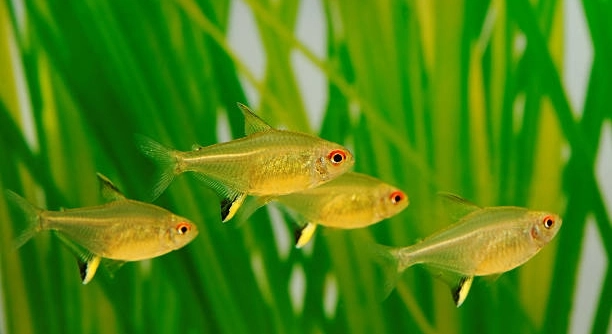
Bloating in lemon tetras is a common issue that can concern many aquarium owners. It often signals an underlying health or environmental problem, and understanding the causes is essential for maintaining the well-being of these delicate fish.
Lemon tetra bloating is typically caused by overfeeding, constipation, poor water quality, parasitic infections, bacterial issues, organ failure, or improper diet. Identifying the specific cause allows for targeted interventions, improving fish health and preventing recurring digestive or physical complications.
Addressing these causes early can make a significant difference in your fish’s health and comfort. Proper care and awareness are key to preventing bloating in lemon tetras.
Overfeeding
Overfeeding is one of the most common causes of bloating in lemon tetras. These small fish have tiny stomachs, and giving them more food than they can digest easily leads to swelling and discomfort. Even a few extra flakes can build up in their system, causing constipation and digestive strain. Observing your fish while feeding helps ensure they eat all the food offered, reducing leftovers that can decay and harm water quality. Overfeeding also increases waste in the tank, which can affect water chemistry, leading to further health issues. Feeding small amounts two to three times a day is usually sufficient for lemon tetras. Choosing high-quality, easily digestible food can also prevent bloating. Monitoring portion sizes and avoiding sudden changes in diet helps maintain a healthy digestive system. A balanced feeding schedule keeps your tetras active and minimizes the risk of bloating, improving their overall comfort and longevity in the aquarium.
Smaller, controlled feedings reduce the risk of digestive problems while keeping the fish healthy and energetic.
Keeping a feeding log can help track amounts, ensuring each fish gets enough without overfeeding. Regular observation also helps detect early signs of bloating or constipation, allowing for prompt adjustments in diet. Using a variety of foods, including pellets, flakes, and occasional frozen or live treats, supports nutrition without overwhelming the digestive system. Avoid feeding large meals in one sitting, as this often leads to uneaten food that deteriorates water quality. Maintaining proper tank conditions alongside careful feeding helps prevent both bloating and other related health problems. By understanding portion control and feeding frequency, you can create a routine that promotes healthy growth, keeps your lemon tetras comfortable, and reduces stress caused by digestive discomfort. Over time, this consistent approach helps establish a balanced environment where your fish thrive naturally, with less intervention needed to correct bloating or related issues.
Poor Water Quality
Even minor changes in water quality can stress lemon tetras, leading to bloating. Maintaining clean, stable conditions is essential for their digestive and overall health.
Poor water quality can result from infrequent tank maintenance, high ammonia, nitrite, or nitrate levels, and inadequate filtration. Contaminated water stresses the fish, weakening their immune system and slowing digestion, which can manifest as swelling. Regular water testing ensures parameters stay within safe limits. Temperature fluctuations or pH instability can exacerbate bloating, so consistent monitoring is crucial. Performing partial water changes every week or two helps maintain a clean environment and prevents waste buildup. Filters should be cleaned periodically but not completely, to preserve beneficial bacteria. Avoid overcrowding, as too many fish produce more waste than the tank can handle. Observation is key: watch for signs of lethargy, gasping, or unusual swimming patterns. By prioritizing water quality, you provide a healthy habitat that supports proper digestion and reduces the likelihood of bloating. Stable conditions not only protect your lemon tetras from swelling but also enhance their color, energy, and long-term survival.
Constipation
Constipation is a frequent problem in lemon tetras, often caused by poor diet or overfeeding. It leads to bloating and lethargy, and small adjustments in feeding can quickly improve their condition.
Feeding only high-fiber or easily digestible foods can prevent constipation. Vegetables like blanched zucchini or peas can help regulate digestion. Avoid giving too many flakes or heavy protein-based foods in one sitting. Observing the fish after meals allows you to notice early signs of constipation, such as swollen bellies or reduced activity. Consistent feeding schedules and proper portion control are essential.
Maintaining a clean tank also supports healthy digestion. Excess waste in the water can contribute to digestive stress. Small, regular water changes help reduce toxins and support proper bowel movements. Occasionally fasting your lemon tetras for a day can also relieve minor constipation. Monitoring food intake and tank conditions together ensures the fish stay comfortable and reduces the likelihood of bloating caused by digestive issues.
Parasitic Infections
Parasitic infections can cause bloating by interfering with digestion and nutrient absorption. Immediate attention is needed to prevent further health complications.
External and internal parasites are common in lemon tetras, including protozoa and worms. Infected fish may show a swollen abdomen, clamped fins, or unusual swimming behavior. Quarantining new fish and maintaining good hygiene can prevent infestations. Treatments often involve medicated food or water-based remedies. Regular observation and early intervention reduce the severity of infections and support recovery.
Stress weakens the immune system, making fish more susceptible to parasites. Even minor tank issues can allow parasites to thrive, so keeping water parameters stable is critical. Once parasites are detected, isolating affected fish prevents spreading. Following treatment instructions carefully ensures the parasites are fully eradicated. Supporting the fish with proper nutrition during recovery helps restore digestive function and overall health. Consistent monitoring and tank maintenance can significantly reduce the chance of recurring parasitic problems in lemon tetras.
Bacterial Infections
Bacterial infections can cause bloating by affecting the digestive system or internal organs. Symptoms may include a swollen belly, lethargy, or clamped fins. Prompt treatment is essential to prevent worsening conditions.
Maintaining clean water and avoiding overcrowding reduces bacterial growth. Antibiotic treatments may be necessary for severe cases.
Organ Failure
Organ failure in lemon tetras can result from age, genetics, or chronic stress. It often leads to fluid retention and visible bloating.
Damage to organs such as the liver or kidneys disrupts digestion and fluid balance. Fish may appear swollen, inactive, or have difficulty swimming. Early detection is difficult but observing behavior and appetite can provide clues. Proper nutrition, stable water conditions, and minimizing stress help support organ function. Unfortunately, severe organ failure often cannot be reversed, making prevention and careful tank management critical for maintaining healthy fish over time.
Improper Diet
Feeding inappropriate food can cause digestive issues and bloating. Stick to high-quality, balanced foods formulated for small tropical fish.
FAQ
What are the first signs of bloating in lemon tetras?
Swelling in the belly is usually the most noticeable sign. Fish may also appear lethargic, swim awkwardly, or have clamped fins. Loss of appetite and difficulty maintaining balance are additional indicators that digestive or internal issues may be present. Observing feeding behavior regularly helps catch bloating early.
Can bloating be reversed?
Yes, in many cases bloating can be reduced if addressed promptly. Adjusting diet, fasting for a day, and improving water quality often alleviate mild digestive bloating. Severe cases, particularly from organ failure or parasites, may require treatment and careful monitoring but may not always be fully reversible.
How often should I feed lemon tetras to prevent bloating?
Small, controlled portions two to three times daily are sufficient. Overfeeding overwhelms their small digestive systems and increases waste in the tank. Feeding just what they can consume within a few minutes helps prevent leftovers that can cause water quality issues and digestive strain.
What types of food help prevent bloating?
High-quality flake or pellet food designed for tropical fish is ideal. Occasionally supplementing with blanched vegetables, such as zucchini or peas, provides fiber to aid digestion. Avoid feeding large amounts of protein-heavy or processed foods, which can lead to constipation and swelling in small fish.
Is water temperature important for preventing bloating?
Yes, maintaining a stable temperature around 74–78°F supports proper digestion. Sudden fluctuations stress fish and slow metabolism, which can contribute to bloating. Using a reliable heater and thermometer ensures a consistent environment, keeping lemon tetras comfortable and reducing digestive issues.
How do I treat bloating caused by constipation?
Fasting your fish for 24 hours can help relieve mild constipation. Feeding fibrous foods like peas or small amounts of cooked vegetables aids digestion. Ensuring clean water and proper tank conditions supports normal bowel movements and helps prevent recurring constipation.
Can parasites cause bloating even if my tank looks clean?
Yes, parasites can thrive even in well-maintained tanks, particularly if new fish are introduced without quarantine. Internal parasites interfere with digestion and nutrient absorption, leading to swelling. Observation, quarantine procedures, and medicated treatments are key to controlling infestations.
Should I use medications for bloating?
Only if the cause is clearly bacterial, parasitic, or related to organ issues. Medications should be chosen carefully and used according to instructions. Overuse can stress fish and disrupt tank balance, so accurate diagnosis is important before treatment.
How can I prevent bloating long-term?
Consistent feeding, maintaining clean water, regular observation, and providing a balanced diet are essential. Avoid overcrowding and stress. Quarantining new fish and addressing minor health issues quickly also helps. Long-term attention to tank conditions and nutrition ensures lemon tetras remain healthy and reduces recurring bloating.
When should I consult a specialist?
If bloating persists despite dietary and environmental adjustments, or if fish show signs of severe distress, consulting an aquatic veterinarian or experienced fish keeper is recommended. Early professional advice can prevent irreversible damage and improve recovery chances.
Can bloating affect tank mates?
Indirectly, yes. Overfeeding or poor water quality that causes bloating can affect all fish in the tank. Maintaining proper care and monitoring all fish reduces risks and promotes a healthy environment for the entire aquarium community.
How long does it take for bloating to improve?
Recovery time depends on the cause. Mild dietary or constipation-related bloating may improve within a day or two. Bacterial or parasitic issues can take longer, requiring consistent treatment and careful observation. Severe organ problems may not resolve completely.
Is it normal for lemon tetras to bloat occasionally?
Occasional minor swelling can happen if feeding is irregular or water quality temporarily changes. Persistent or severe bloating is not normal and signals an underlying issue that needs attention to prevent long-term harm.
Can stress contribute to bloating?
Yes, stress weakens the immune system and can slow digestion. Factors like overcrowding, sudden water changes, or aggressive tank mates increase stress. Reducing stress through proper tank management helps prevent bloating and supports overall health.
What tank maintenance helps reduce bloating?
Regular partial water changes, cleaning filters without disrupting beneficial bacteria, and monitoring water parameters help maintain a stable environment. Clean tanks reduce pathogens, prevent constipation from waste buildup, and support proper digestion in lemon tetras.
Final Thoughts
Bloating in lemon tetras is a condition that requires attention because it often signals underlying issues in diet, water quality, or health. While it may seem minor at first, swollen bellies can lead to discomfort, reduced activity, and even more serious complications if not addressed. Observing your fish regularly allows you to notice early signs, such as a slightly rounded abdomen, unusual swimming behavior, or changes in appetite. Early detection makes it easier to correct the problem through simple interventions, such as adjusting feeding routines or improving tank conditions. Consistency is key in maintaining their health, and small daily habits can prevent many of the common causes of bloating.
Proper feeding practices are one of the most effective ways to prevent bloating. Lemon tetras have small digestive systems, and overfeeding or providing inappropriate foods can easily overwhelm them. Feeding measured portions two to three times a day ensures they get enough nutrition without creating excess waste that can degrade water quality. Incorporating easily digestible foods, such as blanched vegetables or high-quality flake and pellet diets, helps maintain a healthy digestive system. Occasional fasting or offering high-fiber foods can also aid in relieving minor constipation, which is a frequent contributor to swelling. Paying attention to diet, alongside observing how your fish respond to food, is a simple but effective step toward preventing bloating and keeping your tetras active and comfortable.
Tank conditions play a crucial role in overall fish health. Stable water parameters, regular partial water changes, and proper filtration help reduce stress and minimize the risk of infections, parasites, or organ strain, all of which can contribute to bloating. Stress from fluctuating temperatures, overcrowding, or aggressive tank mates can also exacerbate swelling, so creating a calm, stable environment is essential. Quarantining new fish before introducing them to the main tank helps prevent the introduction of parasites and bacteria. In cases where bloating is caused by illness or organ issues, professional guidance may be necessary, as not all problems can be resolved at home. Maintaining clean water, balanced feeding, and attentive care together provides the best chance of preventing bloating and supporting the long-term well-being of lemon tetras. By consistently applying these practices, you can ensure your fish remain healthy, active, and comfortable in their environment.

Hello,
If you enjoy the content that we create, please consider saying a "Thank You!" by leaving a tip.
Every little bit helps us continue crafting quality advice that supports the health, happiness, and well-being of pets around the world, for pets of all shapes, sizes, and species.
We really appreciate the kindness and support that you show us!