
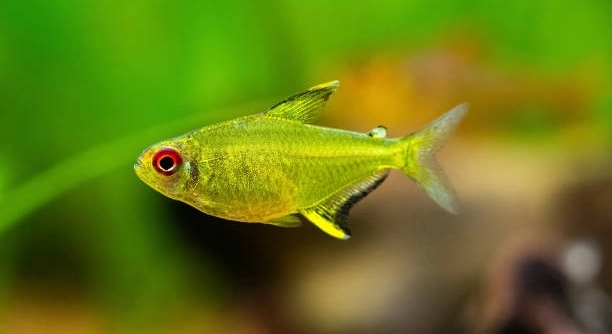
Lemon tetras are small, colorful fish that bring life to any aquarium. Their calm nature makes them sensitive to changes in their surroundings and unexpected disruptions in the water environment. Understanding their behavior is important for their wellbeing.
Lemon tetras are highly sensitive to sudden or loud noises. Sounds such as clattering objects, loud conversations near the tank, tapping on glass, and vibrations from household appliances can disturb their natural behavior and cause stress responses.
Knowing which sounds affect lemon tetras will help you maintain a peaceful environment. Proper awareness ensures your fish remain healthy, active, and comfortable in their aquatic home.
Loud Conversations Near the Tank
Lemon tetras are very aware of sounds around them, and loud talking nearby can make them nervous. Their small size and delicate nature mean that voices, especially sudden or high-pitched ones, can create stress. Even casual discussions in the same room can make them hide or swim erratically. Fish rely heavily on a calm environment for feeding and social interactions. When the water vibrates from noise, it can interfere with their natural routines. Over time, constant loud talking can weaken their immune system, making them more prone to illness. Simple changes, like moving conversations to another room or speaking softly near the tank, can make a noticeable difference. Reducing noise levels not only protects the health of lemon tetras but also helps maintain their bright coloration and energetic swimming patterns. Peaceful conditions are essential for their overall wellbeing and longevity.
Even mild, repeated talking can disrupt their behavior. They respond best to quiet surroundings.
Maintaining a calm atmosphere allows lemon tetras to eat properly, interact with each other, and show natural swimming patterns. Fish that are frequently exposed to noise may stop exploring the tank or lose interest in food. Creating quiet spaces around the aquarium encourages healthier, more active fish, ensuring they thrive over time.
Tapping on Glass
Tapping on the glass can startle lemon tetras immediately. Sudden impacts create vibrations that stress them.
Repeated tapping may lead to hiding, loss of appetite, or erratic swimming. It can also weaken their immune system, making them susceptible to disease. Lemon tetras feel safest when their environment is stable and predictable.
Even light tapping transfers vibrations through the water, causing them to dart or cling to plants. Over time, continuous tapping may prevent them from interacting naturally with tank mates or exploring their surroundings. Avoiding this behavior preserves their natural behaviors and reduces stress, promoting a healthier aquarium community. Providing signs or reminders for others not to tap helps maintain a peaceful environment, allowing the fish to swim calmly and display their natural bright colors without fear. Consistently quiet handling of the tank improves their long-term health.
Vibrations from Household Appliances
Appliances like washing machines, blenders, or vacuum cleaners create vibrations that travel through floors and walls, disturbing lemon tetras. Even low-frequency hums can cause them to hide or swim nervously, interrupting their normal behavior and feeding patterns.
Continuous vibrations can stress lemon tetras, affecting their immune system and coloration. They may avoid swimming in open areas and stick to corners or decorations for safety. Stress over time can lead to reduced activity and lower appetite. Small changes, such as relocating the tank or using anti-vibration pads under appliances, can reduce these effects. Minimizing nearby appliance use during active fish hours also helps maintain a stable environment. Stress reduction ensures lemon tetras remain healthy and active, allowing them to show natural swimming patterns and interact with other fish in a safe space.
Even vibrations from seemingly minor sources, like speakers or heavy footsteps near the tank, can create unease. Protecting their environment preserves their well-being and encourages consistent feeding and movement throughout the aquarium.
Construction and Renovation Noise
Construction work nearby introduces loud, irregular sounds and strong vibrations that unsettle lemon tetras. They often respond by hiding for extended periods, showing signs of stress. Continuous exposure can disrupt their daily routines and reduce their overall activity levels.
Frequent construction noise can lead to chronic stress in lemon tetras, causing them to swim erratically or cling to plants. Their immune response may weaken, making them more prone to illness. Tank placement away from walls connected to construction zones, or using barriers like soundproof panels, can help reduce the impact. Monitoring their behavior during nearby work ensures any necessary interventions, like providing extra hiding spots or adjusting feeding times, are implemented promptly. Ensuring calm intervals during construction allows fish to recover from stress and maintain normal behavior patterns, contributing to long-term health and vitality in the aquarium.
Loud Music
Lemon tetras are sensitive to loud music, especially bass-heavy sounds that create strong vibrations in the tank. These noises can startle them, causing sudden darting, hiding, or increased stress levels that affect feeding and normal swimming behavior.
Even short bursts of loud music can make lemon tetras uneasy. Frequent exposure may lead to long-term stress, reducing their overall activity and bright coloration.
Dropping Objects Near the Tank
Accidental drops of objects near the tank generate sudden noises and vibrations that unsettle lemon tetras. They respond by hiding, swimming frantically, or clinging to decorations for safety. These reactions can last for several minutes, interfering with their regular behavior and feeding patterns.
Household Door Slamming
Slamming doors produce sharp sounds that travel quickly through walls and floors, alarming lemon tetras. They may hide or swim erratically after each loud impact, indicating increased stress and discomfort in the tank environment.
Children Playing Near the Tank
Active play near the aquarium can create unpredictable noises and vibrations. Lemon tetras become easily startled, often seeking shelter or reducing their usual swimming activity to cope with the disturbance.
How do I know if my lemon tetras are stressed by noise?
Signs of stress in lemon tetras often include hiding for long periods, erratic swimming, or refusing to eat. They may cling to decorations or corners of the tank, avoiding open areas. Color fading can also be an indicator, as stress affects their natural pigmentation.
Observing their behavior consistently is important. If they are normally active but suddenly become skittish or restless after household noises, it is a clear sign that sound is affecting them. Stress can weaken their immune system, so addressing the cause promptly ensures their long-term health.
Can regular household noise harm lemon tetras?
Yes, even everyday sounds such as vacuuming, loud conversations, or running appliances can disturb lemon tetras. Continuous exposure to vibrations or loud noises can cause long-term stress, impacting appetite, activity, and overall health.
To protect them, try minimizing noise near the aquarium during key hours when the fish are active. Softening the surrounding environment, using rugs or pads under appliances, or relocating the tank slightly can reduce the impact of vibrations. Maintaining a stable, calm environment is key to keeping lemon tetras healthy.
Are there ways to make my tank quieter?
Placing the aquarium away from walls that transmit household noise is one effective method. Anti-vibration pads under the tank can absorb some of the sound from floors. Covering windows or doors with heavier materials can reduce external noise as well.
Additionally, rearranging furniture or using room dividers can help buffer sound. Softening the environment around the tank creates a calmer space for lemon tetras to swim freely. Small changes like these prevent stress and help maintain their natural behaviors.
What should I do if my fish are hiding all the time?
If lemon tetras hide constantly, first check for external noise sources. Reduce sudden sounds from appliances, construction, or other disturbances. Providing more hiding spots inside the tank can also make them feel safe.
Persistent hiding might indicate chronic stress, so monitoring water quality, temperature, and feeding patterns is essential. Stress-reducing adjustments, like quieter surroundings or adding gentle background water flow, help fish regain normal behavior. Observing gradual improvements confirms that the environment is becoming more suitable.
Does tapping on the tank cause long-term problems?
Repeated tapping causes both stress and physical discomfort due to vibrations in the water. Over time, this can lead to reduced activity, loss of appetite, or weakened immune function.
Avoid tapping completely and gently communicate to others in the household that the aquarium needs a calm space. Even minimal noise reduction can make a difference. Lemon tetras thrive best in stable, predictable environments, so keeping the tank free from sudden taps ensures healthier, more active fish.
Can I use music near the tank?
Soft, low-volume music is generally harmless, but loud or bass-heavy music can create vibrations that stress lemon tetras. It is best to avoid playing music directly near the aquarium or using high volumes in the same room.
If music is desired, placing speakers away from the tank or using minimal bass can reduce stress. The goal is to maintain a calm atmosphere so fish can swim, feed, and interact naturally. Observing the fish for signs of disturbance will guide you in adjusting noise levels safely.
How can children play near the tank without disturbing fish?
Set clear boundaries around the aquarium and designate areas where children can safely play without creating loud vibrations. Encourage quieter activities and explain that sudden noise can scare the fish.
Providing visual barriers like tall plants or tank decorations can shield fish from movement and noise. Even small adjustments in household habits allow lemon tetras to remain calm while children play nearby. Maintaining these routines ensures both fish and family activities can coexist peacefully.
What is the most important step to prevent noise stress in lemon tetras?
The key is consistency. Keep the environment around the tank stable, minimize sudden noises, and monitor the fish’s reactions. Regularly checking for stress behaviors and adjusting surroundings promptly prevents long-term issues.
Using anti-vibration measures, relocating the tank from noisy areas, and creating quiet periods during the day all contribute to a healthier aquarium. Calm, predictable conditions support feeding, swimming, and social interactions, helping lemon tetras thrive.
Lemon tetras are small, delicate fish that respond strongly to their environment. Noise and vibrations in and around the home can affect them more than many people realize. Even everyday household sounds, such as talking, appliances, or children playing, can disturb their natural routines. Over time, repeated exposure to loud or sudden sounds may lead to stress. This stress can make lemon tetras hide more often, swim erratically, lose their appetite, or show faded colors. Their immune system may also weaken, making them more prone to illness. Paying attention to their behavior is important because it allows you to notice changes early and take steps to protect their health. Observing how your fish respond to the surrounding environment can help you identify specific noises that are causing discomfort. This way, you can make simple adjustments that improve the tank’s stability, such as relocating the aquarium, adding soft barriers, or reducing the volume of household devices nearby.
Creating a calm and predictable environment for lemon tetras helps them thrive. They are naturally active and social fish, and maintaining peaceful surroundings allows them to swim freely, explore the tank, and interact with their tank mates. Providing places to hide, like plants or decorations, gives them security when there are unavoidable noises, but the primary goal should always be reducing unnecessary disturbances. Small steps, like using anti-vibration pads under appliances or placing the tank away from high-traffic areas, make a significant difference. Quieting the room during active fish hours or limiting loud music nearby will also help maintain their normal behavior. When fish feel secure, they are more likely to eat consistently, show their natural bright colors, and exhibit typical swimming patterns. Over time, these adjustments not only improve their physical health but also encourage a sense of stability and comfort in their environment, which is essential for long-term wellbeing.
Even with careful planning, some noise is unavoidable in a household. What matters most is minimizing prolonged or sudden disturbances and consistently monitoring the fish’s reactions. Regular observation ensures that any stress signs, such as hiding, erratic swimming, or loss of appetite, are addressed quickly. Maintaining water quality, proper feeding routines, and a stable tank setup also supports overall resilience. The combination of environmental management, awareness of noise triggers, and attention to behavior creates a healthier space for lemon tetras to live. With these considerations, the aquarium becomes a more peaceful place where fish can thrive naturally. Reducing stress through quiet surroundings, consistent care, and thoughtful adjustments will help your lemon tetras remain active, healthy, and visually vibrant, enhancing both their wellbeing and the enjoyment of your tank.

Hello,
If you enjoy the content that we create, please consider saying a "Thank You!" by leaving a tip.
Every little bit helps us continue crafting quality advice that supports the health, happiness, and well-being of pets around the world, for pets of all shapes, sizes, and species.
We really appreciate the kindness and support that you show us!