
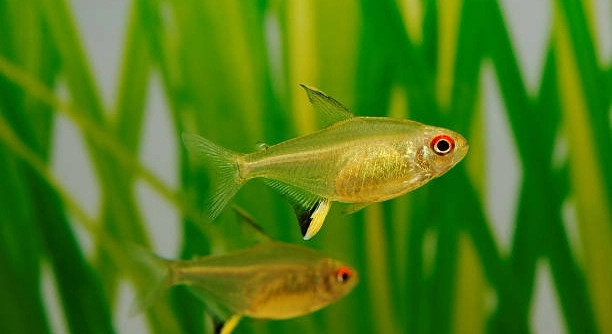
Lemon tetras are small, lively fish that bring color to any aquarium. Keeping them healthy requires understanding their needs, especially when it comes to water quality. Many hobbyists overlook factors that can stress these delicate fish.
Lemon tetras are sensitive to water conditions such as extreme pH levels, hard water, high ammonia, high nitrites, temperature fluctuations, chlorine, and poor filtration. Maintaining stable, clean, and appropriately conditioned water is essential for their overall health.
Learning about these conditions helps prevent stress and disease, ensuring your lemon tetras thrive. A well-maintained tank creates a safe environment for their natural behavior.
Extreme pH Levels
Lemon tetras thrive in slightly acidic to neutral water, usually around 6.5 to 7.0 pH. Water that is too acidic or too alkaline can stress their bodies, affect metabolism, and reduce their immune system’s effectiveness. Over time, consistent exposure to inappropriate pH levels can lead to illness or weakened coloration, making the fish appear dull and less active. pH fluctuations can also harm beneficial bacteria in the aquarium, which are essential for breaking down waste. Sudden changes, even within the acceptable range, may shock the fish and cause erratic behavior. Testing water regularly with a reliable kit helps prevent these issues. Adjusting pH should be gradual and carefully monitored to avoid harming the tank’s ecosystem. Using natural additives like driftwood or peat can help maintain stable acidity, while commercial buffers are also available for quick adjustments. Keeping a stable pH contributes to the overall health and longevity of lemon tetras in your tank.
Maintaining proper pH ensures that lemon tetras remain active, healthy, and display vibrant colors. Testing weekly is recommended.
Stable pH supports normal respiration, feeding, and reproduction in lemon tetras. When water chemistry is balanced, the tank’s ecosystem functions more smoothly, reducing the risk of stress-related diseases. Aquatic plants and invertebrates also benefit from consistent pH, creating a harmonious environment. Sudden drops or spikes in pH can lead to gasping at the surface, lethargy, and susceptibility to infections. Monitoring and controlling pH fosters long-term health and helps the fish develop strong immune responses, ensuring they remain lively and visually appealing. Small adjustments over time are safer than drastic changes, which can harm both fish and bacteria populations. Consistency is key, as lemon tetras adapt better to stable conditions than frequent swings. By prioritizing water chemistry, caretakers protect their fish and maintain a balanced, thriving aquarium.
Hard Water
Hard water contains high levels of calcium and magnesium, which lemon tetras do not tolerate well. These minerals can affect osmoregulation, making it difficult for fish to maintain proper hydration and electrolyte balance. Water that is too hard may cause stress, reduced appetite, and slower growth in juveniles. Over time, it can lead to scale issues and other health problems. Many aquariums naturally have hard water, especially if sourced from tap water in certain regions. Using reverse osmosis (RO) water or mixing tap water with distilled water can help lower hardness to safer levels. Adding peat or driftwood can slightly soften water while maintaining a natural environment. Regular monitoring with a GH (general hardness) and KH (carbonate hardness) test kit is important to keep conditions consistent. Stable hardness levels reduce stress and promote normal behavior, feeding, and coloration in lemon tetras.
Hard water stresses lemon tetras and impacts their growth and coloration. Softening the water gradually protects their health.
Keeping water soft allows lemon tetras to thrive naturally. Excess calcium and magnesium interfere with gill function and can cause chronic stress. Over time, fish may develop bloating or poor body shape due to difficulty regulating internal fluids. Soft water also supports plant growth, which helps maintain oxygen levels and a healthy nitrogen cycle. Juvenile tetras are particularly sensitive, and improper hardness can stunt development. Adjusting water gradually prevents shock and preserves the balance of beneficial bacteria. A combination of RO water and small natural additives ensures that the tank environment mimics the tetra’s natural habitat. Monitoring hardness weekly allows you to detect small shifts before they become harmful. Proper management results in more active, colorful, and healthy fish that display natural behavior. Stable water conditions, including hardness, are crucial for creating an environment where lemon tetras can live comfortably for years.
High Ammonia Levels
Ammonia is toxic to lemon tetras, even at low concentrations. It can cause gill damage, stress, and lethargy. Regular testing and partial water changes keep ammonia in check. Avoid overfeeding and overcrowding, as waste buildup increases ammonia quickly.
Excess ammonia in the tank comes from uneaten food, fish waste, and decaying plants. It interferes with the fish’s ability to absorb oxygen, making them gasp at the surface. Young tetras are particularly vulnerable, as their small size makes them more sensitive to toxins. Using a reliable filter and performing weekly water tests can prevent ammonia spikes. Biological filtration helps convert ammonia into less harmful substances, but it must be established and maintained. Proper tank cleaning and avoiding excessive feeding are simple steps that drastically reduce ammonia levels and protect fish health.
Keeping ammonia low ensures normal behavior, feeding, and growth. Even minor spikes can reduce immunity and increase susceptibility to disease. Monitoring and correcting ammonia issues promptly protects the tank ecosystem. Over time, consistent care results in active, vibrant lemon tetras that thrive in a stable environment. Filters should be cleaned without destroying beneficial bacteria, and water changes must be gradual to avoid stressing the fish. Maintaining low ammonia levels supports not only the fish but also aquatic plants and invertebrates, creating a balanced and healthy aquarium overall.
High Nitrite Levels
Nitrites are harmful to lemon tetras, interfering with oxygen transport in their blood. Even small amounts can stress fish, reduce activity, and lead to illness. Regular testing and water changes keep nitrite concentrations safe.
Nitrite poisoning, or “brown blood disease,” occurs when nitrites accumulate faster than bacteria can process them. Nitrite binds with hemoglobin, limiting oxygen delivery to tissues and causing lethargy, rapid gill movement, and loss of appetite. Over time, chronic exposure can stunt growth and weaken immune responses, making fish more prone to infections. Using live plants, proper filtration, and regular maintenance reduces nitrite buildup. Cycling a new tank before adding fish ensures bacteria populations can handle waste efficiently. Avoid overstocking and overfeeding to prevent spikes.
Managing nitrite levels allows lemon tetras to maintain normal respiration and energy. Consistently testing water ensures early detection, preventing long-term harm. Nitrite conversion depends on a healthy nitrogen cycle, supported by beneficial bacteria in the filter and substrate. Ensuring a well-established cycle before introducing new fish reduces stress and mortality. Gradual water changes help dilute nitrites without shocking the fish. By keeping nitrites low, lemon tetras display natural coloration, feeding patterns, and swimming behavior, contributing to a healthy, visually pleasing tank environment for all inhabitants.
Temperature Fluctuations
Lemon tetras are sensitive to sudden changes in water temperature. Rapid shifts can stress their metabolism, weaken immunity, and trigger disease. A stable range between 72–78°F is ideal. Using a reliable heater and thermometer helps maintain consistent conditions in the tank.
Keeping temperature steady supports normal activity and feeding. Avoid placing the tank near vents or windows where fluctuations occur.
Chlorine and Chloramine
Tap water often contains chlorine or chloramine, both toxic to lemon tetras. These chemicals can burn gills, irritate skin, and disrupt their biological processes. Using a water conditioner neutralizes these substances before adding water to the tank. Regular testing ensures safety.
Poor Filtration
A weak or clogged filter reduces water quality, allowing waste and toxins to build up. Proper filtration maintains oxygen levels, removes debris, and supports beneficial bacteria. Choosing the right filter size for the tank ensures efficient cleaning and a healthier environment for lemon tetras.
Overcrowding
Too many fish in a tank increases stress, aggression, and waste accumulation. Overcrowding reduces oxygen levels and strains filtration, leading to poor water quality. Maintaining appropriate stocking levels allows lemon tetras to swim freely, eat properly, and stay healthy.
FAQ
How often should I test the water for lemon tetras?
Testing water weekly is recommended to ensure ammonia, nitrite, and pH levels stay within safe ranges. Frequent testing helps catch problems early, especially in newly set-up tanks. Regular checks prevent stress, maintain color, and support overall health.
What is the best pH range for lemon tetras?
Lemon tetras thrive in slightly acidic to neutral water. A pH range of 6.5 to 7.0 is ideal. Maintaining stability within this range avoids stress, supports feeding, and prevents long-term health issues. Sudden fluctuations are more harmful than consistently slightly off-target readings.
How can I lower hard water for my tetras?
Using reverse osmosis (RO) water or mixing distilled water with tap water can soften hard water. Natural additives like driftwood or peat slightly reduce hardness. Gradual adjustments prevent shocking the fish while creating an environment closer to their natural habitat.
How do I remove ammonia safely?
Regular partial water changes are the simplest way to reduce ammonia. Ensuring the filter is established with beneficial bacteria also helps. Avoid overfeeding and overcrowding, as waste buildup is the main cause of ammonia spikes. Using a test kit confirms the water is safe.
What are the signs of nitrite poisoning?
Nitrite exposure causes lethargy, rapid gill movement, and loss of appetite. Fish may appear pale or show unusual behavior. Chronic exposure can weaken the immune system and stunt growth. Early detection through testing allows prompt intervention before severe harm occurs.
How can I prevent temperature fluctuations?
Use a reliable aquarium heater and thermometer to maintain a stable range between 72–78°F. Avoid placing the tank near vents, windows, or areas with drafts. Gradual adjustments are safer than sudden changes, which stress the fish and may cause illness.
Do I need to treat tap water for chlorine or chloramine?
Yes, treating tap water with a water conditioner removes chlorine and neutralizes chloramine. These chemicals are toxic to lemon tetras and can damage gills, skin, and overall health. Testing and conditioning water ensures a safe environment before adding it to the tank.
What type of filtration is best for lemon tetras?
A properly sized filter that maintains good water flow and oxygenation is essential. Filters should remove debris, support beneficial bacteria, and avoid creating too strong a current. Regular maintenance keeps the filter efficient without disturbing the tank ecosystem.
How many lemon tetras should I keep in one tank?
Lemon tetras are schooling fish and should be kept in groups of at least six. Overcrowding causes stress, aggression, and poor water quality. Maintaining appropriate stocking levels allows fish to swim naturally, eat properly, and thrive in a balanced environment.
Can sudden water changes harm my tetras?
Yes, sudden or large water changes can shock lemon tetras. Gradual water replacement is safer, ensuring temperature, pH, and hardness remain stable. This helps fish adapt without stress and maintains the health of beneficial bacteria in the tank.
How do I know if my tetras are stressed?
Signs of stress include lethargy, hiding, faded colors, rapid gill movement, and reduced appetite. Stress is often caused by poor water quality, overcrowding, or sudden changes in the tank. Early detection allows quick intervention to prevent illness.
Are live plants helpful for lemon tetras?
Live plants improve water quality by absorbing nitrates, providing shelter, and supporting oxygen levels. They create a natural environment that reduces stress, promotes normal behavior, and contributes to overall health. Plants also encourage a balanced aquarium ecosystem.
How often should I perform water changes?
Weekly partial water changes of 20–30% help maintain low ammonia and nitrite levels while keeping the tank clean. More frequent changes may be needed in newly established tanks or heavily stocked setups. Consistency prevents sudden spikes in toxins and maintains stability.
What should I feed lemon tetras?
A balanced diet of high-quality flake, micro-pellets, and occasional live or frozen foods supports growth and coloration. Avoid overfeeding, as leftover food increases ammonia and nitrite levels, affecting water quality and fish health. Feeding small amounts multiple times a day is ideal.
Can lemon tetras live with other fish?
Yes, they are peaceful and do well with similarly sized, non-aggressive fish. Avoid larger or aggressive species that may stress or harm them. A well-planned community tank allows lemon tetras to swim freely and display natural schooling behavior.
Lemon tetras are small, delicate fish that bring life and color to any aquarium. Their health and well-being depend heavily on the quality of the water they live in. Maintaining stable and clean water conditions is essential for their survival, growth, and vibrant appearance. Many common water issues, such as extreme pH levels, hard water, high ammonia, nitrites, temperature fluctuations, chlorine, and poor filtration, can cause stress and illness if not addressed. Even small changes in the water can affect their metabolism, immunity, and behavior. Paying attention to these factors ensures that lemon tetras remain active, healthy, and display their natural colors fully. Simple steps like regular water testing, partial water changes, and using proper filtration make a significant difference. Over time, a consistent routine helps prevent serious problems and reduces the risk of disease.
Proper tank management is not just about maintaining water chemistry but also about creating an environment that supports normal behavior. Lemon tetras are schooling fish and require space to swim freely. Overcrowding or placing incompatible fish in the same tank can add stress and make water quality harder to maintain. Live plants, gentle filtration, and stable water parameters all contribute to a balanced ecosystem where fish can thrive. Temperature stability is also key, as sudden shifts can shock their system and weaken their immune response. Treating tap water to remove chlorine or chloramine, softening hard water if necessary, and monitoring ammonia and nitrite levels are all crucial steps. Gradual adjustments to the tank, rather than sudden changes, help fish adapt without stress. By keeping these factors in mind, caretakers can prevent many common problems and ensure the fish live longer, healthier lives.
Maintaining lemon tetras successfully is a matter of consistent attention and care. Regular testing, proper feeding, appropriate tank size, and suitable companions all play a role in their overall well-being. Even though these fish are small, their needs are specific, and ignoring any aspect of water quality or tank management can quickly lead to health issues. Simple routines, such as weekly partial water changes, monitoring pH, hardness, ammonia, and nitrite, and keeping the filtration system effective, create a safe and stable home. When all these elements are in place, lemon tetras can exhibit natural schooling behavior, vibrant coloration, and active feeding habits. Observing their behavior and appearance regularly provides early warnings of potential problems, allowing for quick corrections. In the end, careful attention to water conditions and a balanced environment ensures that lemon tetras remain healthy, lively, and visually appealing for years to come.

Hello,
If you enjoy the content that we create, please consider saying a "Thank You!" by leaving a tip.
Every little bit helps us continue crafting quality advice that supports the health, happiness, and well-being of pets around the world, for pets of all shapes, sizes, and species.
We really appreciate the kindness and support that you show us!