
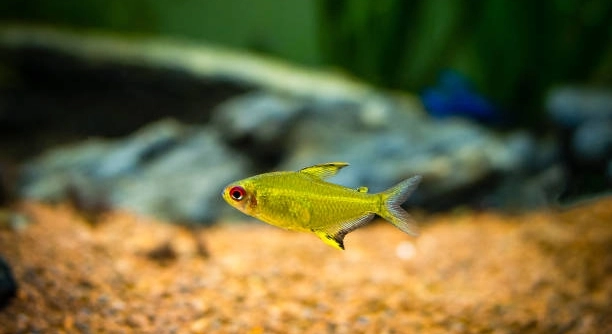
Do you enjoy watching the graceful movements of your aquarium fish, especially when a group swims together in perfect harmony? Lemon tetras are known for their vibrant color and tendency to move in tight formations.
Lemon tetras school tightly primarily in response to environmental cues and perceived threats. Factors such as water quality, tank size, presence of predators, and social interactions with conspecifics influence their coordinated swimming and compact group behavior.
Observing these patterns can help you create a more comfortable and stimulating environment for your tetras. Understanding the triggers of tight schooling improves both their health and visual appeal in your tank.
Environmental Triggers of Tight Schooling
Water quality is one of the primary factors affecting how lemon tetras school. Poor water conditions, including high ammonia or nitrite levels, can cause stress, prompting tetras to stay closer together for safety. Temperature fluctuations and sudden changes in pH may also lead to tighter formations. Light intensity can influence their behavior, as bright lights often encourage fish to gather in shaded areas, forming compact schools. Tank size and decorations play a role as well; small tanks or densely planted areas create natural boundaries, which encourage clustering. Additionally, the presence of other fish species or aggressive tank mates can trigger tetras to stay close together. Social dynamics within the school are critical; the fish tend to mimic the movements of dominant individuals, which enhances cohesion. Even subtle vibrations outside the tank, such as footsteps or tapping, can initiate tighter schooling as the fish perceive these as potential threats, responding collectively to maintain safety.
Maintaining stable water conditions helps reduce stress, allowing lemon tetras to swim naturally rather than cluster unnecessarily.
Proper monitoring of environmental factors ensures healthier behavior. Regular testing of water parameters and adjusting light or tank layout can prevent constant tight schooling, promoting a balanced and visually appealing aquarium. By paying attention to these triggers, you can create an environment that encourages natural movement while keeping your tetras safe. Watching their coordinated patterns becomes a more enjoyable and informative experience, highlighting the subtle interactions that make these fish fascinating to observe. Keeping a close eye on environmental changes allows you to respond quickly, minimizing stress and supporting the overall health of the school. Ensuring stability in temperature, pH, and light conditions will lead to calmer and more consistent behavior, reducing sudden clustering episodes. A well-planned aquarium layout with adequate swimming space further supports a harmonious community, giving lemon tetras the freedom to explore while still feeling secure.
Social and Behavioral Influences
Lemon tetras often school tightly in response to the behavior of their peers.
The social structure of the school dictates how individuals move and respond to stimuli. Dominant or more active tetras often set the pace, and others follow closely to maintain cohesion. Inexperienced or younger fish rely heavily on observing others, which reinforces tight formations, especially when navigating unfamiliar areas. Group size also affects schooling; larger schools tend to form more compact clusters because coordination requires closer proximity. Stressful events, like introducing new fish or sudden environmental changes, prompt immediate aggregation. Feeding patterns influence schooling as well, with fish swimming together to locate food efficiently. Observing the interactions between individuals provides insight into their hierarchy and communication, as synchronized movements are essential for maintaining balance and safety. Over time, these social cues become predictable, and the school adjusts its formation based on collective experience and environmental familiarity.
Recognizing social triggers is crucial for managing aquarium dynamics. Consistent routines, gradual introductions, and attention to group size help maintain balanced schooling behavior. Understanding these social patterns allows for better tank management and supports natural, healthy interactions among lemon tetras. This knowledge enables smoother integration of new fish and reduces stress-induced tight schooling, ultimately promoting a more visually appealing and stable community. Adjusting feeding schedules and observing behavioral shifts provide insights into how each fish contributes to the group dynamic. Through careful observation and minor environmental adjustments, it is possible to maintain a calm, cohesive school while respecting the natural instincts that drive these movements.
Predation and Safety Responses
Lemon tetras instinctively tighten their schools when they sense danger. Sudden movements, shadows, or the presence of predatory fish trigger this behavior as a survival mechanism, keeping individuals close for protection.
This instinctive response is deeply rooted in their evolutionary behavior. In natural habitats, grouping tightly reduces the chance of any single fish being targeted by predators. The collective movement makes it harder for predators to focus on one fish, improving survival odds. Even in aquariums without actual threats, sudden disturbances such as tapping on the tank glass or unexpected movements nearby can mimic predator cues. The fish respond by forming compact schools, moving in unison. Over time, they learn to assess what is truly threatening versus minor disturbances, but initial reactions remain strong. Observing these responses provides insight into their natural survival instincts and highlights why maintaining a calm environment is essential for their well-being.
Stress levels directly influence schooling behavior. High-stress situations can lead to prolonged tight formations, while a calm tank encourages more relaxed swimming. Adjusting tank conditions and minimizing sudden disturbances allows lemon tetras to display natural patterns without excessive clustering, promoting both health and visual appeal. Monitoring subtle signs of stress and understanding the triggers behind tight schooling can help create an environment where the fish feel secure and balanced, reducing unnecessary energy expenditure. Providing sufficient hiding spots and maintaining stable water conditions further supports their natural instincts.
Feeding and Group Dynamics
Lemon tetras often school tightly during feeding to compete for food and ensure no one misses out. This behavior reinforces group cohesion while maximizing efficiency.
Feeding time triggers synchronized movements. When food is introduced, individuals move together rapidly, adjusting speed and direction according to the group’s behavior. Dominant or quicker fish often lead the charge, with others following closely to access food. This response is reinforced over time as fish learn the patterns of feeding and anticipate where the food will be placed. The presence of multiple fish increases competition, prompting tighter formations as each member tries to stay near the action. Even small variations in food quantity or placement can influence how tightly they school. These patterns demonstrate how social and environmental factors intersect to guide collective behavior. Observing these dynamics provides insight into hierarchy, coordination, and interaction within the school.
Managing feeding routines can help control tight schooling tendencies. By distributing food evenly and introducing it gradually, it is possible to reduce stress and prevent excessive clustering. Consistent schedules and careful observation allow you to maintain healthy group dynamics while ensuring all fish receive adequate nutrition. Adjusting feeding methods according to group size and individual behavior ensures a balanced environment, promoting calm, natural swimming and reducing conflict among lemon tetras.
Light and Tank Layout
Light intensity affects how lemon tetras school. Bright or sudden lighting can make them cluster tightly, while dim, consistent lighting encourages relaxed swimming.
Tank layout also guides their movement. Plants, rocks, and decorations create boundaries, prompting the fish to stay close together in open areas for safety.
Seasonal and Environmental Changes
Changes in temperature or water chemistry influence schooling behavior. Slight fluctuations can increase stress, leading to tighter formations as fish seek security. Inconsistent conditions often cause repeated clustering, highlighting the importance of stable tank management.
Age and Size Differences
Younger or smaller tetras often stick close to larger, experienced individuals. This behavior provides protection and helps them learn the school’s movement patterns.
Stress and Illness
Illness or prolonged stress can trigger tighter schooling. Fish may stay close to conserve energy and maintain safety, signaling the need for careful observation and timely intervention.
FAQ
Why do lemon tetras school tightly even when there are no predators?
Lemon tetras school tightly as a natural instinct, even in safe aquariums. This behavior is a remnant of survival strategies from the wild. They feel more secure when moving in unison, and any small disturbance can trigger the response. Environmental factors like lighting, water changes, or sudden movements often cause them to cluster, reflecting their cautious nature.
How can I reduce tight schooling in my tank?
Stable water conditions and a well-planned tank layout help reduce excessive tight schooling. Keeping temperature, pH, and ammonia levels consistent minimizes stress. Providing plants and decorations gives fish a sense of security, while avoiding sudden changes in light or tapping on the glass helps them remain relaxed and swim freely.
Does group size affect schooling behavior?
Yes, larger schools tend to form tighter clusters, while smaller groups may spread out more. Social dynamics play a role: fish follow dominant or experienced individuals. Younger or smaller tetras stay closer to others to learn movement patterns and feel safer, reinforcing tight schooling, particularly in larger or unfamiliar groups.
Can feeding routines influence tight schooling?
Feeding time often causes tetras to cluster, especially when food is introduced all at once. Fish move together quickly to secure food, following dominant or faster individuals. Distributing food evenly and introducing it gradually can reduce stress and prevent excessive clustering, ensuring all fish have access to nutrition without unnecessary tension.
Do tank decorations impact schooling behavior?
Yes, tank layout strongly influences movement. Plants, rocks, or decorations create natural boundaries and areas for hiding, encouraging clustering in open spaces for security. A thoughtfully arranged tank provides both space for swimming and places to shelter, reducing constant tight formations and allowing tetras to exhibit more natural, relaxed behavior.
How do age and size differences affect schooling?
Younger or smaller fish tend to follow larger, experienced tetras closely. This behavior helps them learn the school’s movement patterns and gain protection. Size and age differences reinforce tight schooling because smaller fish instinctively stay close to the group, which provides safety and guidance while moving through the tank.
Can stress or illness change schooling patterns?
Yes, stress or illness often leads to tighter formations. Fish may huddle to conserve energy and protect themselves. Symptoms like lethargy, loss of appetite, or irregular swimming often accompany this behavior. Observing these changes helps identify potential health issues, allowing prompt intervention to restore normal behavior and reduce unnecessary clustering.
Do seasonal changes affect schooling?
Seasonal or environmental changes can trigger tighter schooling. Slight fluctuations in temperature or water chemistry increase stress, prompting fish to move closer together. Even minor adjustments in light cycles or water conditions can influence behavior. Maintaining consistent conditions throughout the year helps tetras feel secure and swim more naturally.
Is tight schooling always a sign of a problem?
Not necessarily. Tight schooling is often a normal, instinctive behavior for lemon tetras. While stress, illness, or poor water conditions can increase clustering, occasional tight formations are typical and reflect natural instincts rather than a persistent issue. Observing overall health and environmental stability helps distinguish normal behavior from cause for concern.
How can I encourage more relaxed swimming?
Providing stable water parameters, adequate space, and hiding spots promotes calmer behavior. Avoiding sudden disturbances, establishing regular feeding routines, and ensuring balanced group sizes help tetras feel secure. Over time, consistent care reduces excessive clustering while still allowing fish to display natural schooling instincts.
This FAQ provides practical insights for managing lemon tetra behavior, addressing environmental, social, and health-related factors that influence tight schooling. By understanding these elements, you can maintain a balanced and visually appealing aquarium while supporting the natural instincts of your fish.
Lemon tetras are naturally social fish that rely on schooling behavior for safety and coordination. Their tendency to swim closely together is an instinctive response rooted in survival, originating from their natural habitats where predators are a constant threat. In an aquarium setting, this behavior persists even without actual dangers, showing that tight schooling is not always a sign of stress or poor conditions. Instead, it reflects their innate need to feel secure. Observing these patterns offers insight into their instincts and allows hobbyists to better understand the natural tendencies of these small, vibrant fish. Recognizing that tight schooling is a normal part of their behavior can help prevent unnecessary worry while caring for them.
Environmental conditions, tank layout, and social dynamics all influence how tightly lemon tetras school. Stable water parameters such as temperature, pH, and ammonia levels are critical for maintaining calm and healthy fish. Sudden changes or disturbances can cause temporary clustering as the fish react instinctively. Similarly, tank decorations and plants create areas of shelter and open swimming space, guiding movement patterns. Social interactions also play a role, with younger or smaller tetras often staying close to more experienced individuals. Feeding routines contribute as well, with tight formations emerging during meal times as fish compete and coordinate to secure food. Understanding these factors allows for a more balanced and visually appealing aquarium while supporting natural behaviors.
Managing tight schooling involves a combination of observation, environmental control, and routine care. Maintaining consistent water quality, planning tank layout thoughtfully, and avoiding sudden disturbances reduce unnecessary clustering while promoting normal schooling patterns. Feeding evenly and gradually, monitoring health, and respecting social hierarchies within the school help maintain harmony and reduce stress. While occasional tight formations are natural and expected, prolonged or extreme clustering may indicate stress or illness and should be addressed promptly. By paying attention to both environmental and social factors, caretakers can provide lemon tetras with a secure, comfortable habitat where they can thrive and display their coordinated movements naturally.

Hello,
If you enjoy the content that we create, please consider saying a "Thank You!" by leaving a tip.
Every little bit helps us continue crafting quality advice that supports the health, happiness, and well-being of pets around the world, for pets of all shapes, sizes, and species.
We really appreciate the kindness and support that you show us!