Why Is My Black Molly Ignoring Food?

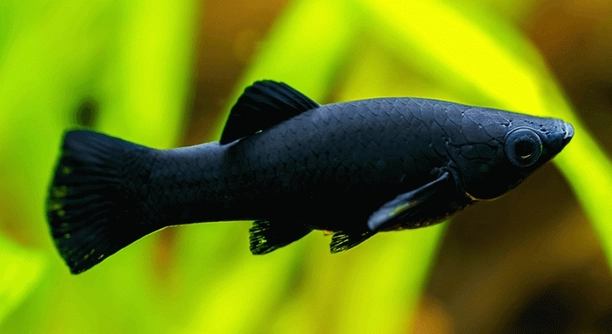
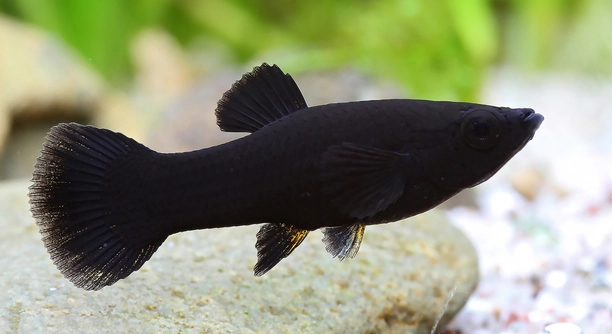
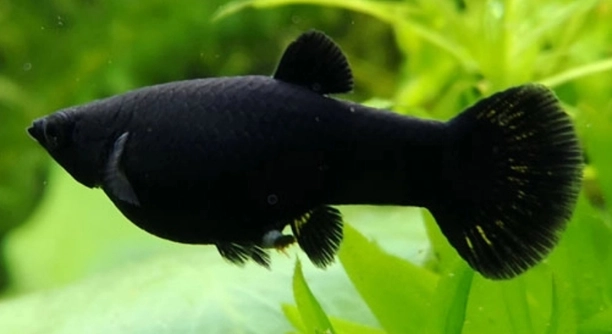
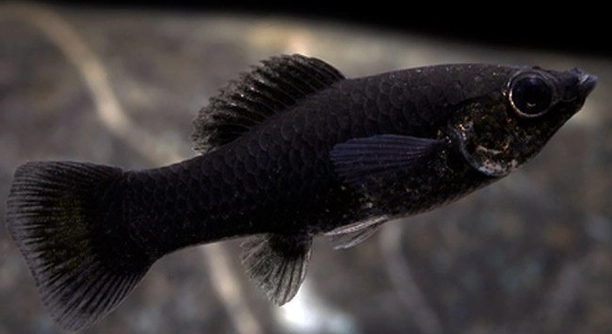
Is your black molly acting differently at mealtime and leaving its food untouched? Many fish owners notice sudden changes in appetite and feel concerned about their molly’s health. Observing their behavior closely can reveal important clues. A black molly may ignore food due to stress, poor water conditions, illness, or an improper diet. Monitoring water … Read more
7 Ideal Water Parameters for Black Molly

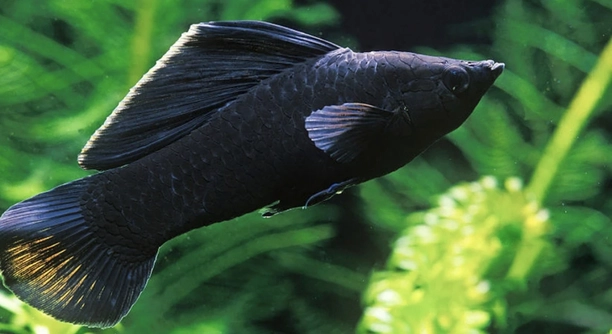
Keeping Black Mollies healthy and happy requires more than just feeding them regularly. Their water environment plays a critical role in their growth, color, and overall wellbeing. Paying attention to water parameters ensures a thriving aquarium experience. Black Mollies thrive in water with stable conditions that include a temperature of 24–28°C, pH between 7.5–8.5, hardness … Read more

What Happens After Black Molly Give Birth?

Have you ever wondered what happens after your black molly gives birth, leaving you interested in how the newborn fry adjust to their surroundings and what changes unfold in the tank as they begin growth. After giving birth, black mollies shift their focus away from the fry, allowing the newborns to navigate the environment independently. … Read more

When Black Molly Avoid Middle Tank Levels

Black Mollies are popular freshwater fish known for their calm behavior and striking dark coloration. Many hobbyists enjoy keeping them in community tanks, yet some notice unusual swimming patterns that seem puzzling at first glance. Black Mollies often avoid the middle levels of a tank due to a combination of environmental stressors, water conditions, and … Read more

7 Methods to Encourage Independent Fry Behavior

Raising fry can be both exciting and challenging, especially when trying to encourage them to develop self-feeding and independent behaviors. Observing their growth and helping them thrive requires careful attention and practical methods. Developing independence early supports healthier, stronger fish. Providing structured environments, gradual feeding routines, and consistent monitoring encourages fry to develop independent behavior. … Read more

7 Signs the Tank Is Too Bright for Black Molly

Bright lighting can create an uncomfortable setting for black mollies, causing subtle behavior changes that are easy to miss. As a woman who cares for fish, I appreciate how simple signs can guide tank conditions. Excessive light intensity can overwhelm black mollies by disrupting their natural behavior patterns and increasing visible stress responses. Consistent hiding, … Read more

Why Does My Black Molly Prefer Darkness?

Have you ever noticed your black molly lingering in darker areas of the tank, making you wonder why it spends so much time away from brighter spots and what might be encouraging this quiet behavior. Black mollies often prefer darkness because lower light reduces stress, supports physiological rhythms, and offers a sense of safety. Variations … Read more

7 Signs That Mean Your Black Molly Is Aging

Have you ever noticed subtle changes in your black molly’s behavior or appearance over time? Observing these differences can help you understand your fish’s overall health and the natural aging process it experiences. As black mollies age, their activity levels often decrease, fins may lose their sharpness, and scales can appear duller. Recognizing these signs … Read more

Why Is My Black Molly Always Chasing Others?

Is your black molly constantly chasing the other fish in your aquarium, creating a restless environment? Many aquarists notice this behavior, which can be both surprising and concerning, especially when it disrupts the harmony of your tank. The primary reason a black molly chases others is territorial and social dominance behavior. Mollies establish pecking orders, … Read more

7 Small Tank Layout Tweaks That Make a Big Difference

Are your aquarium tanks looking a little plain or crowded? Small adjustments in placement and organization can completely change the overall look and function, making your aquatic environment feel more natural and balanced. Simple changes in tank layout, such as repositioning decorations, adjusting plant placement, and reorganizing hiding spots, can significantly enhance fish movement, reduce … Read more