
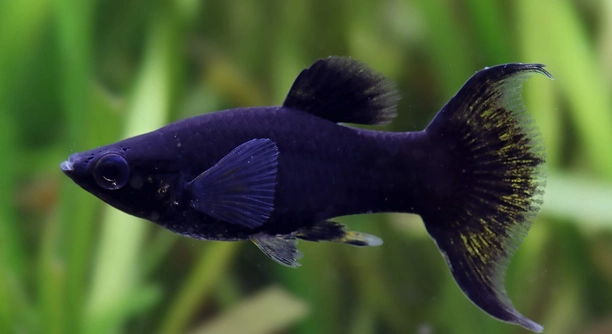
Is your black molly constantly chasing the other fish in your aquarium, creating a restless environment? Many aquarists notice this behavior, which can be both surprising and concerning, especially when it disrupts the harmony of your tank.
The primary reason a black molly chases others is territorial and social dominance behavior. Mollies establish pecking orders, and chasing helps reinforce hierarchy within the tank. Environmental stressors, overcrowding, or lack of hiding spots can also intensify this aggressive tendency.
Learning the underlying reasons behind your molly’s actions will help you maintain a calmer, healthier aquarium and support the well-being of all your fish.
Understanding Aggression in Black Mollies
Black mollies often display chasing behavior as a natural form of social interaction. This aggression usually starts when they attempt to establish dominance in the tank. Male mollies are particularly prone to this behavior, but females can also chase others when stressed or overcrowded. Chasing is not always a sign of illness; it can simply be a way for them to assert themselves and explore their environment. Environmental factors such as limited space, insufficient hiding spots, or high tank population can heighten aggression. Tankmates also play a role, as slow or timid fish may attract more chasing. Observing your molly’s patterns over time can help identify whether this behavior is temporary or a persistent issue. Adjusting tank conditions often reduces the frequency of chasing, making the aquarium calmer. Consistency in feeding schedules and water quality also helps mollies feel more secure.
Maintaining stable tank conditions reduces aggression and creates a healthier environment for all fish.
Proper observation and adjustments in the tank setup are essential to prevent stress-related chasing. Mollies need room to explore and hide, and ensuring these elements are present can significantly improve interactions.
Environmental Factors and Tank Setup
Limited space can increase chasing and tension among mollies.
Overcrowded tanks, lack of hiding spots, and poor water quality contribute to aggression. Mollies need sufficient room to swim freely and explore, along with decorations like plants and rocks to break sight lines. Hiding places allow timid fish to escape harassment and reduce overall stress. Tank size plays a crucial role in moderating behavior, as smaller tanks intensify dominance disputes. Water parameters also affect temperament; unstable pH or temperature can make mollies more irritable. Observing your fish and making environmental improvements can reduce chasing, promote healthier interactions, and improve tank harmony. Regular monitoring of tank conditions and behavior ensures mollies remain balanced and less aggressive.
Social Hierarchy and Mollies
Chasing among black mollies often reflects their social hierarchy. Dominant fish assert control, while subordinate ones are pushed around. This is normal behavior and helps establish order in the tank, though it can be stressful for less aggressive fish.
Dominance in mollies is most noticeable among males, who often patrol their territory and chase rivals. Female mollies may also display chasing behavior, especially in crowded tanks or when resources like food and hiding spots are limited. Recognizing which fish is dominant can help you manage interactions and reduce stress. Providing multiple feeding areas and distributing hiding spots allows less dominant fish to avoid constant harassment and promotes a more balanced community. Observing these dynamics over time gives insight into their social structure.
Behavioral enrichment can reduce tension. Introducing plants, rocks, or tank dividers can break lines of sight, giving subordinate fish refuge. Regular observation and minor adjustments prevent prolonged aggression, keeping the tank peaceful and ensuring all mollies have space to thrive.
Feeding and Aggression
Feeding times can trigger chasing among mollies if competition arises.
Mollies may chase others during feeding to secure food. Fast feeders or larger fish often dominate, leaving timid fish stressed or hungry. Spreading food in multiple areas reduces competition. Feeding smaller amounts more frequently also helps maintain balance, ensuring all fish receive proper nutrition. Consistent feeding routines prevent frustration and lower aggressive incidents, creating a calmer environment where mollies can coexist peacefully.
Aggressive chasing is sometimes linked to dietary needs. Black mollies require a balanced diet rich in protein and plant matter to stay healthy and less irritable. Inadequate nutrition can increase stress, leading to more chasing and rough interactions. Monitoring fish behavior during meals can help identify which individuals are being pushed aside and whether adjustments in feeding strategy are needed. Using slow-sinking pellets, floating flakes, and occasional live or frozen foods ensures that all mollies have access. Overcrowding at feeding times should be avoided, as even small tanks can become tense when too many fish compete for limited food. Consistency, variety, and proper distribution are key to reducing aggression linked to feeding.
Tank Mates and Compatibility
Certain fish are more likely to trigger chasing from black mollies. Fast-moving or similarly sized fish can provoke territorial behavior. Choosing compatible tank mates helps reduce stress and aggressive interactions. Slow or timid species may be repeatedly chased, so careful selection is important.
Introducing new fish without proper acclimation can increase chasing. Gradually adding tank mates and observing behavior allows mollies to adjust. Separation with dividers or quarantine tanks can prevent initial aggression from escalating, giving all fish a chance to coexist peacefully.
Breeding Behavior
During breeding periods, black mollies become more aggressive. Males chase females to court them and defend their territory from rivals. This heightened activity is natural but can stress other tank inhabitants. Understanding breeding patterns helps in managing chasing and maintaining balance in the aquarium.
Reducing Stress
Stress amplifies chasing behavior. Maintaining stable water conditions, proper tank size, and environmental enrichment lowers aggression.
Why is my black molly always chasing other fish?
Black mollies chase other fish primarily due to social hierarchy and territorial behavior. Dominant fish assert control over space, food, and potential mates. This behavior is natural and helps maintain order within the tank. Overcrowding, limited hiding spots, and stress can intensify chasing. Male mollies tend to display this behavior more, but females may also chase when stressed or competing for resources. Ensuring adequate space, environmental enrichment, and hiding spots reduces aggression. Observing tank dynamics and adjusting conditions can make interactions calmer, supporting the health and well-being of all fish.
Does chasing mean my molly is unhealthy?
Chasing alone does not indicate illness. Mollies display this behavior as part of their natural social structure. However, persistent aggression combined with lethargy, discoloration, or unusual swimming patterns may signal stress or illness. Maintaining clean water, stable temperatures, and a proper diet helps prevent health issues. Monitoring behavior alongside physical condition ensures early detection of any problems.
How can I stop my black molly from chasing others?
Adjusting tank conditions is the most effective approach. Increase tank size, add hiding spots, and spread food across multiple areas to reduce competition. Introducing plants, rocks, or dividers breaks lines of sight, giving subordinate fish refuge. Avoid overcrowding and maintain consistent water quality. Gradual acclimation of new fish can prevent initial aggression. Minor behavioral adjustments often make a noticeable difference over time.
Do tank mates affect chasing behavior?
Yes, the choice of tank mates plays a crucial role. Fast-moving or similarly sized fish may trigger more chasing, while timid species can be harassed frequently. Selecting compatible fish that coexist peacefully reduces stress. Observing interactions and separating aggressive individuals if necessary prevents prolonged conflict. Gradual introduction and careful monitoring help maintain harmony in the aquarium.
Is chasing more common in male or female mollies?
Male mollies are typically more aggressive due to territorial and mating behaviors. They patrol their area, chase rivals, and court females. Females may chase others in crowded conditions or when competing for food. Understanding these patterns helps in managing tank interactions and reducing overall stress. Adjusting tank layout, space, and hiding places accommodates natural behavior without compromising harmony.
Can feeding habits influence chasing?
Feeding times can trigger chasing if competition for food arises. Dominant fish may chase others to secure access, leaving timid fish stressed or hungry. Spreading food in multiple locations and feeding smaller, more frequent portions ensures all fish get nourishment. Using varied diets, including flakes, pellets, and occasional frozen or live foods, reduces tension. Consistency in feeding routines supports calmer interactions.
Does tank size matter for aggression?
Yes, tank size directly affects chasing behavior. Smaller tanks increase territorial disputes, while larger tanks provide room to explore and reduce stress. A tank with sufficient swimming space and environmental enrichment supports natural behavior without excessive aggression. Monitoring tank capacity and stocking density prevents overcrowding, maintaining balance in social interactions.
Are there environmental changes that help reduce chasing?
Adding decorations like plants, rocks, and caves breaks lines of sight, giving subordinate fish refuge. Regular water changes, stable temperatures, and consistent lighting reduce stress. Proper placement of hiding spots allows fish to escape dominance displays. Gradual adjustments and observation of behavior ensure improvements in tank harmony.
Will breeding increase chasing?
Yes, breeding periods heighten aggression, especially in males. Chasing is part of courtship and territory defense. Temporary increases in activity can stress other fish, so monitoring the tank and providing extra hiding spaces is recommended. Separating pregnant females or fry may also prevent excessive harassment.
Can stress alone cause my molly to chase others more?
Stress intensifies chasing behavior. Poor water quality, sudden changes in environment, overcrowding, or incompatible tank mates can all increase aggression. Reducing stress by maintaining stable conditions, providing adequate space, and creating hiding spots helps mollies interact more peacefully. Observing stress signs allows early interventions to prevent long-term conflicts.
How long does chasing behavior usually last?
Chasing behavior can be temporary or persistent depending on environmental factors and social hierarchy. Dominance disputes often settle after a few days or weeks, but stress, overcrowding, or poor tank conditions can prolong aggression. Continuous monitoring, environmental adjustments, and careful tank management help reduce long-term chasing.
Is separating aggressive mollies necessary?
Separation is sometimes required for highly aggressive individuals to protect others. Using dividers or quarantine tanks temporarily reduces harassment and allows subordinate fish to recover. After observation, gradual reintegration can be attempted, ensuring a calmer, balanced aquarium environment.
Can diet changes influence behavior?
Providing a balanced diet with protein and plant matter reduces irritability. Malnourished or hungry fish may chase others more aggressively. Incorporating flakes, pellets, and occasional frozen or live foods ensures proper nutrition, supporting calmer interactions and better overall health.
How do I know if chasing is normal or harmful?
Normal chasing is brief and occasional, usually part of establishing hierarchy. Harmful chasing involves prolonged harassment, injuries, or stress among tank mates. Observing fish health, behavior, and interactions helps determine when intervention is necessary. Proper tank setup and monitoring prevent escalation.
Can multiple feeding areas prevent chasing?
Yes, spreading food reduces competition and prevents dominant fish from monopolizing meals. Multiple feeding zones, along with frequent small portions, ensure all fish receive adequate nutrition. This strategy lowers stress, improves behavior, and minimizes chasing incidents.
Are hiding spots essential for mollies?
Hiding spots are crucial for reducing stress and avoiding constant chasing. Plants, rocks, and caves provide refuge for timid fish. Well-placed hiding areas allow subordinate fish to rest and feel safe, contributing to overall tank harmony and healthier social interactions.
Does overcrowding increase chasing?
Overcrowding intensifies territorial disputes and chasing. High fish density in limited space increases stress and aggression. Maintaining proper stocking levels ensures each fish has enough room to swim and interact without excessive harassment, promoting a balanced and peaceful aquarium.
How do I monitor behavior effectively?
Regular observation of interactions helps identify dominant and stressed fish. Noting which individuals are chased, their health, and patterns of aggression allows timely interventions. Adjusting tank setup, feeding, or separation strategies based on behavior ensures long-term stability and reduces unnecessary stress.
Can water quality impact aggression?
Poor water quality increases irritability and chasing behavior. Unstable pH, high ammonia, nitrite, or nitrate levels, and temperature fluctuations stress mollies, leading to more aggression. Regular testing, water changes, and filtration maintenance support calmer, healthier interactions in the aquarium.
Are there long-term solutions to reduce chasing?
Providing adequate space, environmental enrichment, proper feeding routines, and compatible tank mates offers sustainable reduction in chasing. Observing behavior, adjusting conditions, and separating aggressive fish when necessary maintain balance. Consistent tank management ensures mollies coexist peacefully while supporting their health and well-being.
Black mollies chasing other fish is a common behavior that many aquarists notice, especially when maintaining a community tank. This chasing is often linked to natural social hierarchy and territorial instincts. Male mollies, in particular, tend to assert dominance more visibly, but females can also display chasing behavior when stressed or competing for space and resources. Observing your fish closely can help you understand the underlying reasons for this activity. Over time, you can identify patterns, such as whether the chasing occurs mainly during feeding, around new tank mates, or during breeding periods. Recognizing these patterns is the first step toward managing behavior and maintaining a calm aquarium. By addressing the factors that influence chasing, you can create a healthier environment for all fish, minimizing stress and preventing injuries. Chasing is not always harmful, but constant or intense aggression can affect the health and well-being of subordinate fish, so it is important to intervene when necessary.
Managing aggression in black mollies involves a combination of environmental adjustments, tank organization, and consistent care routines. Providing adequate space is crucial, as overcrowding increases tension and encourages territorial disputes. Adding hiding spots such as plants, rocks, and caves allows timid fish to escape harassment and feel secure. Feeding practices also play a role in controlling chasing behavior. Spreading food in multiple locations and offering smaller, frequent portions ensures all fish receive adequate nutrition without triggering competition. Monitoring water quality is equally important, as poor or unstable conditions can increase stress and irritability, making chasing more frequent and intense. Gradual acclimation of new fish and careful selection of compatible tank mates also help maintain balance. These steps collectively reduce aggressive behavior while supporting the health and comfort of all mollies in the tank.
Ultimately, understanding and managing chasing behavior in black mollies requires patience and observation. Each aquarium is unique, and the interactions between individual fish can vary widely. Consistent attention to tank conditions, feeding routines, and environmental enrichment helps mollies feel secure and less prone to aggression. Even minor adjustments, like rearranging decorations or increasing hiding spots, can significantly reduce stress and improve harmony in the tank. Recognizing that chasing is often a natural part of molly behavior allows aquarists to respond appropriately without overreacting. By maintaining a stable, enriched, and well-managed environment, you can encourage peaceful coexistence among all tank inhabitants while supporting the long-term health of your mollies. Observing their interactions over time also provides insight into their personalities, social structure, and needs, helping you provide the best care possible.

Hello,
If you enjoy the content that we create, please consider saying a "Thank You!" by leaving a tip.
Every little bit helps us continue crafting quality advice that supports the health, happiness, and well-being of pets around the world, for pets of all shapes, sizes, and species.
We really appreciate the kindness and support that you show us!