
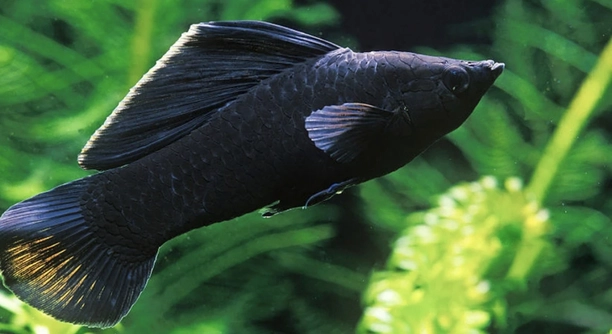
Keeping Black Mollies healthy and happy requires more than just feeding them regularly. Their water environment plays a critical role in their growth, color, and overall wellbeing. Paying attention to water parameters ensures a thriving aquarium experience.
Black Mollies thrive in water with stable conditions that include a temperature of 24–28°C, pH between 7.5–8.5, hardness of 15–30 dGH, low ammonia and nitrite levels, moderate nitrate levels, proper salinity, and adequate filtration to maintain water quality.
Knowing the right water conditions can make all the difference in your Black Mollies’ health and longevity, helping you maintain a vibrant, stress-free aquarium.
Ideal Temperature for Black Mollies
Maintaining the correct water temperature is essential for Black Mollies to stay active and healthy. They prefer a range between 24–28°C. Temperatures below this can slow their metabolism, reduce activity, and affect feeding behavior. Higher temperatures may increase their stress levels, making them more prone to disease. Consistent monitoring with a reliable aquarium thermometer helps ensure the water remains within the optimal range. Sudden fluctuations can shock their system, causing behavioral changes or health issues. Using a heater with a thermostat provides stability, and placing the tank away from direct sunlight prevents rapid warming. Keeping the water temperature consistent encourages regular swimming patterns and supports proper digestion. Black Mollies are sensitive to prolonged exposure outside their ideal range, so maintaining this balance is key. A stable temperature also supports the beneficial bacteria in the tank, keeping the ecosystem healthy and reducing toxic buildups. Regular checks and adjustments make maintaining this environment manageable and effective.
Stable temperature allows Mollies to remain active, healthy, and less prone to stress or disease in their aquarium.
By keeping the water within 24–28°C, Black Mollies can grow properly and display vibrant coloration. This temperature range also ensures they feed regularly and reproduce successfully. Maintaining this consistency reduces stress and supports their immune system, making them more resilient to minor fluctuations. Using a high-quality thermometer and heater is essential. Avoid placing the tank near windows or heating vents, as these can cause temperature swings. Even small changes can disrupt behavior, reduce appetite, and affect overall health. Combining a stable temperature with proper filtration and water changes enhances their environment, allowing them to thrive. A consistent, slightly warm temperature helps maintain oxygen levels and the natural balance of beneficial bacteria, ensuring clean, safe water. Over time, monitoring and adjusting the temperature becomes routine, creating a low-stress environment that supports growth, color, and activity. By prioritizing temperature, you create the best conditions for longevity and wellbeing in Black Mollies.
pH and Hardness Levels
Black Mollies do best in slightly alkaline water with pH around 7.5–8.5.
Maintaining this range prevents stress and encourages natural behavior, feeding, and reproduction.
Balancing water hardness is also important. Black Mollies prefer moderately hard water, around 15–30 dGH. Hardness affects mineral availability, which is necessary for growth, immune function, and overall health. Soft water can cause weak bones and stunted growth, while excessively hard water may make it difficult for fish to absorb essential nutrients. Using water conditioners or mixing tap and RO water helps maintain the proper hardness. Regular testing ensures levels remain stable over time. Adjusting pH and hardness gradually avoids shocking the fish and keeps their system healthy. A stable pH and hardness also support beneficial bacteria that break down waste products, reducing toxins and keeping water clean. Proper management of these parameters encourages active swimming, vibrant coloration, and successful breeding. By maintaining a balanced chemical environment, you create the most supportive and low-stress habitat for Black Mollies.
Ammonia and Nitrite Levels
Ammonia and nitrite must remain at zero to prevent poisoning. Any detectable levels can stress Black Mollies, damage gills, and weaken their immune system, increasing susceptibility to illness. Regular testing and partial water changes help maintain safe levels consistently.
Using a reliable test kit allows monitoring ammonia and nitrite accurately. Even small amounts can be harmful over time, so detecting issues early is essential. Filtration, beneficial bacteria, and routine maintenance work together to keep these compounds at safe levels. Black Mollies produce waste quickly, so overfeeding can spike ammonia, making careful feeding essential. Cycling a new tank before adding fish ensures a stable environment. Avoid sudden chemical treatments that alter water chemistry too drastically, as this can stress the fish. Proper management creates a healthy, balanced environment, allowing Black Mollies to thrive and remain active.
Consistent attention to ammonia and nitrite not only prevents health problems but also supports stable bacterial colonies. These colonies break down waste efficiently, keeping water safe. Black Mollies stay energetic, feed regularly, and reproduce in such balanced conditions. Without regular monitoring and maintenance, toxic buildups occur quickly. A carefully managed aquarium promotes longevity, vibrant color, and natural behavior. Using water conditioners, testing weekly, and observing fish behavior makes this process straightforward. Ensuring zero ammonia and nitrite levels is fundamental to every Black Molly setup, creating a stress-free, healthy environment for these active fish.
Nitrate Levels and Filtration
Nitrate should be kept below 40 ppm, with regular partial water changes to reduce buildup. Proper filtration removes debris and supports water clarity and quality for Black Mollies.
High nitrate levels can stress fish, reduce immunity, and encourage algae growth. A combination of mechanical, chemical, and biological filtration helps maintain a balanced tank. Mechanical filters trap solid waste, chemical filters remove toxins, and biological filters support beneficial bacteria that convert harmful compounds into less dangerous forms. Even with strong filtration, partial water changes are necessary to dilute nitrates and prevent accumulation. Overfeeding increases waste production, so feeding should be moderate. Monitoring nitrate levels weekly ensures the tank remains safe. Using live plants can naturally absorb some nitrates, further stabilizing water quality. Consistent filtration and water management reduce stress, promote vibrant color, and encourage active swimming. Black Mollies rely on a clean, stable environment, and investing in proper filtration and maintenance guarantees long-term health and wellbeing.
Salinity Levels
Black Mollies tolerate a small amount of salt in their water, around 1–2 ppt, which supports their osmoregulation and overall health. Too much salt can stress them, so careful measurement is important to maintain balance.
Using aquarium salt in moderation helps prevent infections and supports natural mineral levels. Consistency is key, as sudden changes in salinity can shock the fish.
Oxygenation and Water Movement
Adequate oxygen levels are critical for Black Mollies. Proper water movement from filters or air stones ensures dissolved oxygen is evenly distributed throughout the tank, supporting respiration and activity.
Tank Filtration
A reliable filtration system removes waste, maintains water clarity, and supports beneficial bacteria. Black Mollies rely on clean water to remain healthy, active, and vibrant.
FAQ
What is the ideal temperature range for Black Mollies?
The ideal temperature for Black Mollies is between 24–28°C. Keeping the water within this range helps regulate their metabolism, encourages feeding, and supports normal activity. Sudden fluctuations can cause stress, weaken the immune system, and make them more prone to illness. Using a reliable thermometer and heater ensures the temperature remains stable. Avoid placing the tank near windows, heaters, or air conditioners, as these can create rapid changes. Maintaining consistent warmth also helps beneficial bacteria in the tank thrive, keeping water quality balanced.
What pH level do Black Mollies prefer?
Black Mollies thrive in slightly alkaline water with a pH between 7.5 and 8.5. This range supports their metabolism, behavior, and overall health. Sudden changes in pH can cause stress, loss of appetite, and susceptibility to disease. Regular testing ensures the pH remains stable. If adjustments are necessary, they should be made gradually to avoid shocking the fish. Combining proper pH with appropriate water hardness creates a stable environment that supports growth, reproduction, and vibrant coloration.
How hard should the water be for Black Mollies?
Moderate water hardness between 15–30 dGH is best. Hardness affects the availability of essential minerals needed for growth, strong bones, and immune function. Too soft water can stunt growth and cause weakness, while extremely hard water may hinder nutrient absorption. Using water conditioners or blending tap and RO water helps achieve the right hardness. Testing water regularly and making gradual adjustments maintains a safe, stable environment. Proper hardness supports reproduction, active swimming, and healthy coloration.
How often should I check ammonia and nitrite levels?
Ammonia and nitrite should be monitored weekly to ensure they remain at zero. Even low levels can harm Black Mollies, stressing them and damaging gills. Overfeeding increases these compounds, so moderation is important. Consistent testing and partial water changes maintain a safe environment and prevent toxic buildup. Beneficial bacteria in the filter convert ammonia and nitrite into less harmful compounds, so keeping the tank cycled is essential. Observing fish behavior also helps detect early signs of water issues.
What nitrate level is safe for Black Mollies?
Nitrate should be kept below 40 ppm. High nitrate can stress fish, weaken immunity, and encourage algae growth. Regular partial water changes help reduce accumulation, and a combination of mechanical, chemical, and biological filtration maintains water clarity. Live plants can absorb some nitrates naturally. Monitoring levels weekly ensures the tank remains healthy. Avoid overfeeding, as excess food contributes to nitrate buildup. Proper management keeps Black Mollies active, vibrant, and stress-free.
Is salt necessary in a Black Molly tank?
A small amount of aquarium salt, around 1–2 ppt, can support osmoregulation and overall health. It helps prevent infections and promotes natural mineral balance. Too much salt stresses fish, so careful measurement is essential. Adding salt gradually and consistently maintains stability, and monitoring fish behavior ensures they are comfortable. Salt is particularly helpful for new tanks or when treating minor infections. Avoid sudden changes, as Black Mollies are sensitive to salinity fluctuations.
How can I ensure proper oxygen levels for Black Mollies?
Adequate oxygen is maintained with proper water movement from filters, air stones, or surface agitation. This distributes oxygen evenly and supports healthy respiration. Stagnant water reduces oxygen, causing stress or lethargy. Observing swimming patterns and gill movement helps indicate oxygen sufficiency. Proper circulation also promotes waste breakdown and keeps water quality high, benefiting the overall tank ecosystem.
What type of filtration works best for Black Mollies?
A combination of mechanical, chemical, and biological filtration is ideal. Mechanical filters remove solid waste, chemical filters eliminate toxins, and biological filters support beneficial bacteria that process harmful compounds. Even with strong filtration, regular water changes are necessary to maintain optimal water quality. A well-maintained filter reduces stress, encourages vibrant color, and promotes healthy activity. Choosing a filter suitable for the tank size ensures consistent performance and stable conditions.
How often should I perform water changes?
Weekly partial water changes of 20–30% help maintain water quality and reduce toxins like nitrates, ammonia, and nitrite. Consistency prevents sudden changes that can stress Black Mollies. Using dechlorinated water and adjusting parameters to match the tank avoids shocking the fish. Regular water changes support filtration, oxygenation, and beneficial bacteria, ensuring a healthy, balanced environment. Monitoring water parameters before and after changes helps maintain stability and keeps fish active and healthy.
Can Black Mollies live in slightly brackish water?
Yes, Black Mollies tolerate slightly brackish water with low salinity around 1–2 ppt. This supports osmoregulation and overall health. Sudden increases in salinity can stress them, so gradual adjustments are necessary. Slightly brackish conditions can improve coloration, reproduction, and disease resistance. Monitoring salinity and observing fish behavior ensures they remain comfortable. Using measured aquarium salt and consistent maintenance keeps the environment stable, allowing Black Mollies to thrive in these conditions.
Final Thoughts
Maintaining the right water conditions is essential for keeping Black Mollies healthy and vibrant. These fish thrive in stable environments where temperature, pH, hardness, and salinity are carefully monitored. Each parameter plays a distinct role in their overall wellbeing. Temperature affects metabolism and activity levels, while pH and hardness influence mineral absorption and growth. Salinity helps with osmoregulation and can improve their immune system. Ensuring these factors remain within the optimal range reduces stress, prevents disease, and supports natural behavior. Regular testing and small, consistent adjustments are much more effective than sudden changes, which can shock the fish. By paying attention to these details, aquarists can create a stable, low-stress environment where Black Mollies flourish and display their full coloration and energy.
Water quality is another critical factor in maintaining a thriving tank. Ammonia and nitrite must remain at zero, as even small amounts can damage gills and weaken immune responses. Nitrate should also be controlled, ideally below 40 ppm, to prevent stress and algae overgrowth. Filtration and regular partial water changes are the most effective ways to maintain these parameters. A combination of mechanical, chemical, and biological filtration keeps the water clean and supports beneficial bacteria that naturally process waste. Observing the fish regularly provides insight into the water quality and overall tank health. Changes in behavior, appetite, or activity can indicate potential issues, allowing for timely corrective action. With careful attention to water quality, Black Mollies remain active, healthy, and vibrant in their environment.
Finally, Black Mollies require consistent care to thrive over the long term. Maintaining stable water parameters, providing proper filtration, and monitoring their behavior are all essential components of a successful setup. Attention to details like temperature, pH, hardness, salinity, and oxygenation ensures they remain comfortable and stress-free. Gradual adjustments and regular maintenance reduce the risk of illness and promote a balanced ecosystem. By focusing on these essentials, Black Mollies can live full, healthy lives, displaying their natural behaviors and beautiful coloration. Consistency, observation, and small adjustments are key to long-term success. With these measures in place, the tank becomes a safe, supportive environment where Black Mollies can flourish.

Hello,
If you enjoy the content that we create, please consider saying a "Thank You!" by leaving a tip.
Every little bit helps us continue crafting quality advice that supports the health, happiness, and well-being of pets around the world, for pets of all shapes, sizes, and species.
We really appreciate the kindness and support that you show us!