
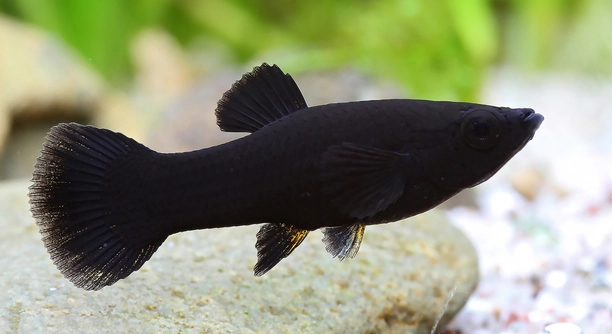
Black Mollies are popular freshwater fish known for their calm behavior and striking dark coloration. Many hobbyists enjoy keeping them in community tanks, yet some notice unusual swimming patterns that seem puzzling at first glance.
Black Mollies often avoid the middle levels of a tank due to a combination of environmental stressors, water conditions, and social dynamics. These factors can influence their comfort and movement, prompting them to favor the top or bottom regions instead.
Observing their tank behavior can reveal important insights into their needs and preferences, helping owners create a more balanced and comfortable environment for these fish.
Water Quality and Temperature
Maintaining proper water quality is essential for Black Mollies. These fish are sensitive to sudden changes in temperature and water chemistry, which can make them avoid certain tank levels. If the middle of the tank is slightly cooler or has lower oxygen levels, Mollies will naturally swim toward the top or bottom. Ammonia, nitrite, or nitrate spikes can also cause stress, leading to unusual behavior. Regular water testing and partial water changes help keep the environment stable. Adding a reliable heater and monitoring the temperature ensures the water remains consistent. Filtration is equally important, as stagnant areas in the middle can discourage swimming there. Gentle currents that reach all tank levels encourage Mollies to explore their space more freely. Observing their patterns over several days will show whether the water conditions are affecting them or if other factors, such as tankmates or lighting, might be influencing their preference.
Proper temperature control keeps Black Mollies active and comfortable, reducing their tendency to avoid middle areas.
Stable water conditions allow Mollies to feel secure, supporting their health, growth, and natural behavior. Monitoring changes can prevent long-term stress and improve tank harmony. With consistent care, you will notice them swimming throughout all levels, indicating they are comfortable and thriving.
Tank Setup and Decorations
Decorations and tank layout can influence swimming patterns.
Dense plants, rocks, or other decorations placed in the middle of the tank may make Black Mollies feel exposed or trapped. These fish prefer open spaces with clear escape routes to feel safe. Overcrowded decorations can limit movement and reduce water flow in certain areas, making them less appealing for swimming. High-traffic zones near the middle, such as areas with frequent activity or strong lighting, may also discourage Mollies from lingering there. Positioning taller plants or structures toward the top or bottom, while keeping middle areas more open, often encourages them to explore. Providing hiding spots at all levels allows fish to move freely while feeling secure. Observing how they interact with the setup helps identify if modifications are needed. By adjusting the layout gradually, you can create an environment that promotes natural swimming patterns and reduces stress for Black Mollies.
Feeding Habits
Black Mollies often swim at the top or bottom when feeding. They may avoid the middle levels if food is primarily available elsewhere. Uneven feeding patterns can train them to favor specific areas of the tank over time.
Ensuring consistent feeding throughout all tank levels encourages more balanced swimming. Floating flakes or pellets attract Mollies to the top, while sinking foods can draw them toward the bottom. Feeding small amounts multiple times a day prevents competition and stress, allowing fish to explore freely without fear of missing food. Observing which levels they frequent during feeding can help adjust food distribution. Mixing feeding locations and types helps maintain their activity throughout the tank and reduces their avoidance of middle areas.
Feeding schedules and food type play a major role in swimming patterns. Providing variety and consistent placement across the tank encourages Black Mollies to use all levels. This approach improves their health, ensures proper nutrition, and fosters natural movement throughout the tank environment.
Social Dynamics
Black Mollies are social but may avoid middle areas if other tankmates dominate the space. Aggressive or territorial fish can make them feel unsafe in certain regions.
Providing enough space and hiding spots reduces stress and allows peaceful interactions. Black Mollies often swim in groups, and if the middle level feels crowded, they will naturally move to the top or bottom. Ensuring a balanced mix of species and monitoring behavior helps prevent bullying. Observation is key to understanding how social dynamics influence movement. Adding plants, rocks, or small decorations can break line-of-sight and offer refuge. By creating an environment that accommodates all fish, Mollies are more likely to explore all areas freely without stress.
Social hierarchy, space, and interactions strongly influence swimming patterns. Adjusting tankmates and layout to support a peaceful environment encourages Black Mollies to feel secure and active in every level, fostering better overall well-being and natural behavior.
Lighting Conditions
Black Mollies may avoid middle tank levels if lighting is too bright or uneven. Harsh light can make them feel exposed, causing them to favor shaded top or bottom areas. Adjusting light intensity helps create a more comfortable environment for all tank levels.
Gradual changes in lighting can encourage Mollies to explore the middle. Using floating plants or diffusers softens direct light, reducing stress and promoting natural swimming patterns. Observing their response helps determine optimal light placement for a balanced habitat.
Water Flow
Moderate water flow is essential for Black Mollies. Strong currents in the middle can make swimming uncomfortable, pushing them to the top or bottom where the flow is gentler. Proper circulation ensures all areas remain habitable and reduces energy expenditure.
Breeding Behavior
During breeding, Black Mollies often seek calmer areas. The middle levels may feel too open or exposed for courting and laying eggs. Providing secure spaces throughout the tank supports successful reproduction and natural behavior.
FAQ
Why do Black Mollies avoid the middle of the tank?
Black Mollies often avoid the middle due to stress, water conditions, or tank layout. Temperature differences, low oxygen, strong currents, or exposed areas can make them feel unsafe. Adjusting water quality, decorations, and flow helps them explore all tank levels comfortably.
Can water temperature affect where Mollies swim?
Yes, Black Mollies are sensitive to temperature changes. Cooler or warmer areas can influence their swimming levels. A stable temperature, usually between 75–82°F, encourages them to swim freely and reduces avoidance of the middle areas. Using a reliable heater ensures even warmth throughout the tank.
Do tank decorations influence their swimming patterns?
Decorations play a major role. Dense plants, rocks, or tall ornaments in the middle can make Mollies feel trapped or exposed. Open spaces with hiding spots at top and bottom levels encourage natural movement and exploration, reducing the tendency to avoid the center of the tank.
Does the type of food affect their swimming behavior?
Feeding patterns can change where Mollies spend time. Floating food attracts them to the top, sinking food to the bottom. If feeding consistently occurs at top or bottom, they may avoid the middle. Distributing food across levels encourages them to explore all areas and stay active.
How do tankmates impact middle-level avoidance?
Social dynamics strongly affect swimming. Aggressive or territorial fish may dominate the middle, forcing Mollies to top or bottom areas. Providing adequate space, peaceful companions, and hiding spots helps reduce stress and encourages them to use the entire tank freely. Observation is key for proper adjustment.
Can lighting affect their comfort in the middle?
Bright or uneven lighting can make middle areas feel exposed. Mollies prefer soft, diffused light, and shaded spots can encourage exploration. Adjusting intensity, using floating plants, or diffusers creates a comfortable environment for all levels. Gradual changes help them adapt naturally.
Does water flow discourage them from the middle?
Yes, strong currents in the middle can make swimming difficult. Mollies prefer gentle flow and calmer zones. Ensuring even circulation while avoiding overly strong currents in central areas reduces stress and promotes natural swimming patterns throughout the tank.
Do breeding habits make them avoid middle levels?
During breeding, Mollies often seek calm and secure spaces. Open middle areas can feel unsafe for mating or egg-laying. Providing plants, caves, or other sheltered spots throughout the tank encourages natural breeding behavior without forcing them into top or bottom extremes.
How can I encourage them to swim in the middle?
Distribute hiding spots, maintain even water conditions, moderate light, and adjust feeding locations. Ensuring peaceful tankmates and gentle water flow helps Mollies feel secure. Gradually improving these conditions will increase their confidence and promote balanced swimming across all tank levels.
Are sudden behavior changes a sign of illness?
Avoidance of the middle can sometimes indicate stress or illness. Watch for other symptoms like clamped fins, color changes, or lethargy. Maintaining proper water quality, temperature, and nutrition reduces health risks, while early detection helps address potential issues quickly and effectively.
Is it normal for Mollies to prefer top or bottom levels?
Yes, it’s natural for Black Mollies to have preferred zones. Many spend more time near the surface or bottom depending on food, light, and social comfort. Understanding these preferences and adjusting tank conditions helps encourage a more balanced, healthy swimming pattern.
Can overcrowding affect middle-level swimming?
Overcrowded tanks increase stress and force Mollies to avoid certain areas. Providing adequate space and maintaining appropriate stocking levels ensures they can freely explore all levels. Decorations and hiding spots also help prevent territorial disputes, reducing avoidance behavior and encouraging natural activity.
Do Mollies adapt to changes over time?
Yes, they can adjust gradually. With consistent water quality, proper lighting, gentle flow, and a peaceful environment, Mollies often expand their range and start using previously avoided middle areas. Patience and observation are key to helping them feel secure and confident throughout the tank.
Is it important to monitor their swimming patterns regularly?
Regular observation is essential. Tracking behavior helps identify stressors, environmental issues, or social problems early. Understanding patterns allows timely adjustments, ensuring Black Mollies remain healthy, active, and comfortable in all tank levels while preventing long-term issues.
What other small changes can make a big difference?
Minor adjustments like rearranging plants, shifting decorations, or slightly altering flow can improve middle-level usage. Consistent feeding at different levels and reducing sudden disturbances encourage exploration. Small, thoughtful changes often lead to noticeable improvements in swimming behavior and overall comfort.
How long does it take for Mollies to feel comfortable in the middle?
It varies, but most Mollies adjust within a few days to weeks once conditions are stable. Gradual changes, patience, and careful observation help them feel secure, explore all levels, and exhibit more natural swimming behavior throughout the tank.
Can stress from handling affect their swimming levels?
Yes, frequent handling or disturbances near the tank can make Mollies avoid exposed middle areas. Limiting handling, moving slowly during maintenance, and providing hiding spots reduces stress and encourages more confident swimming throughout the tank.
Do Mollies behave differently in new tanks?
In a new environment, Black Mollies often stick to familiar safe zones like top or bottom layers. Slowly introducing decorations, hiding spots, and stable water conditions helps them feel secure and gradually explore the middle areas without stress.
Are there seasonal changes in swimming patterns?
Seasonal changes in light, temperature, or feeding routines may slightly affect swimming behavior. Mollies adapt to these variations, but maintaining stable water conditions and consistent care reduces stress and helps them continue using all levels comfortably year-round.
Can adding more plants help with middle-level exploration?
Yes, adding plants at different heights creates safe pathways and reduces exposure in the middle. Mollies feel secure navigating through foliage, encouraging balanced swimming and reducing stress from open spaces or territorial tankmates. Strategic placement makes a noticeable difference in their activity patterns.
Do Mollies prefer specific tank sizes for comfort?
Tank size affects comfort and swimming behavior. Smaller tanks can feel crowded, limiting middle-level exploration. Larger tanks with open areas, hiding spots, and proper filtration allow Mollies to move freely, explore all levels, and maintain healthy social interactions.
Is it normal for only some Mollies to avoid the middle?
Yes, individual personality and social rank can cause variations. Some Mollies may consistently avoid the middle while others explore freely. Observing each fish’s behavior helps tailor tank conditions to encourage all fish to use the entire environment safely.
Does the substrate type influence their behavior?
Yes, substrate affects comfort and water flow near the bottom. Smooth sand or fine gravel reduces stress and encourages bottom and middle-level exploration. Avoid sharp or uneven substrates that can make fish feel unsafe, impacting their willingness to use certain areas.
Can temperature fluctuations at night affect swimming levels?
Minor nighttime drops are natural, but sudden changes can stress Mollies, causing them to avoid middle levels. A stable heater or insulated tank ensures consistent temperature, encouraging regular swimming patterns and preventing stress-related behavior changes.
Do Black Mollies need companions to feel secure?
Yes, they are social fish. Swimming in groups reduces stress and encourages exploration. Without companions, they may stick to safe zones, often avoiding middle areas. Adequate numbers and compatible species support natural movement and balanced tank activity.
Can disease prevention improve middle-level swimming?
Maintaining cleanliness, stable water parameters, and proper nutrition prevents illness and stress, both of which affect swimming patterns. Healthy Mollies are more confident and likely to explore all areas, including previously avoided middle regions.
How often should water conditions be tested to maintain comfort?
Weekly testing of pH, ammonia, nitrite, and nitrate ensures stable conditions. Monitoring temperature and flow alongside water chemistry helps prevent stress and encourages Black Mollies to swim freely, including in middle tank levels. Consistency is key for their health and comfort.
Are Black Mollies sensitive to noise or vibrations?
Yes, loud noises or sudden vibrations can make them feel threatened, causing avoidance of exposed middle areas. Reducing disturbances near the tank and providing stable hiding spots improves confidence and encourages natural swimming patterns throughout the tank.
Do seasonal changes in feeding impact middle-level activity?
Adjusting feeding schedules for temperature or daylight variations can influence swimming. Consistent, evenly distributed food across all levels helps Mollies explore the entire tank, reducing stress and preventing avoidance of middle areas.
Can adding floating plants improve tank balance?
Floating plants soften light, provide shade, and create a sense of security. Mollies feel safer swimming below or around them, encouraging exploration of middle levels. Strategic plant placement supports natural movement and reduces avoidance behavior caused by exposure or stress.
How important is gradual adjustment to new decorations or tank changes?
Gradual adjustments prevent stress and sudden avoidance. Introducing new decorations slowly allows Mollies to feel secure, explore all levels, and maintain healthy swimming behavior. Sudden rearrangements can reinforce middle-level avoidance and disrupt established patterns.
Do Mollies react differently to different fish species?
Yes, behavior varies depending on tankmates. Peaceful, compatible species encourage exploration of all areas, while aggressive or territorial fish may push Mollies to top or bottom levels. Careful selection and monitoring of companions help maintain balanced activity and reduce stress.
Are temperature and pH linked to swimming levels?
Both are critical. Deviations from ideal ranges create stress, causing avoidance of middle levels. Consistent temperature, pH, and overall water chemistry encourage comfort and natural swimming patterns, supporting overall health and well-being.
Can adding gentle aeration improve comfort?
Yes, aeration increases oxygen levels, making middle areas more hospitable. Properly placed air stones or gentle filters help maintain consistent flow and oxygenation, encouraging Mollies to explore all levels without stress.
Is gradual observation better than sudden interventions?
Yes, observing over time identifies patterns and allows thoughtful adjustments. Sudden interventions can cause stress, reinforcing avoidance. Patience and careful monitoring improve confidence and encourage balanced swimming behavior across all tank levels.
Do Black Mollies need time to adjust after water changes?
Yes, sudden large water changes can temporarily stress Mollies. Smaller, frequent changes with consistent parameters reduce stress and encourage natural movement, including use of middle tank levels. Gradual acclimation supports overall health and comfort.
Are there signs that middle-level avoidance is abnormal?
Persistent avoidance with lethargy, color fading, or clamped fins may indicate stress or illness. Healthy Mollies will gradually explore all levels when conditions are stable, so monitoring behavior helps detect and address problems early.
Does tank lighting schedule affect swimming patterns?
Yes, a consistent day-night cycle helps regulate behavior. Sudden light changes can make Mollies avoid middle levels. Gradual transitions and stable schedules encourage confidence and normal swimming throughout the tank.
Can adjusting flow direction help middle-level exploration?
Yes, redirecting currents to reduce strong flow in the middle encourages swimming through the central areas. Balanced circulation and gentle currents promote comfort and reduce energy expenditure, supporting natural behavior.
Are hiding spots at all levels necessary?
Yes, safe areas reduce stress and increase willingness to explore. Mollies use top, middle, and bottom shelters to feel secure, encouraging more balanced swimming patterns throughout the tank.
Does tank size or shape impact middle-level behavior?
Larger tanks with open swimming space encourage exploration, while smaller tanks may feel crowded, pushing Mollies to top or bottom zones. Adequate space and proper layout promote balanced movement and reduce stress.
How do Mollies react to water chemistry shifts?
Even minor shifts in pH, ammonia, or nitrate can cause avoidance behavior. Stable, ideal water conditions make middle areas more comfortable, supporting natural swimming and overall health.
Are Mollies more active during certain times of day?
Yes, activity often peaks during feeding or daylight periods. They may temporarily avoid middle areas if stressed or exposed but typically explore when conditions feel safe. Observation helps identify patterns and adjust tank care.
Can consistent tank maintenance reduce avoidance behavior?
Yes, routine cleaning, water changes, and monitoring prevent stressors that cause middle-level avoidance. Predictable care helps Mollies feel secure and encourages natural, balanced swimming throughout the tank.
Do Mollies prefer certain water hardness levels?
Yes, Black Mollies thrive in moderately hard water. Proper hardness supports overall comfort and encourages use of all tank levels, reducing avoidance caused by unsuitable water chemistry.
Is it normal for them to spend more time at top or bottom?
Yes, but prolonged avoidance of the middle may indicate environmental or social stress. Adjusting tank conditions and observing behavior helps ensure balanced use of all levels.
Can tank vibrations from pumps or filters affect behavior?
Strong vibrations can make Mollies avoid middle areas. Ensuring equipment runs smoothly and minimizing excessive vibration reduces stress and promotes natural swimming patterns.
Do Mollies need a calm environment to explore middle levels?
Yes, sudden movements, loud sounds, or aggressive tankmates can discourage middle-level activity. A calm, stable environment encourages confidence and balanced swimming across the tank.
Can regular observation help prevent long-term avoidance?
Absolutely. Watching behavior over time helps detect stress, social issues, or environmental problems early. Timely adjustments ensure Mollies use all tank levels, supporting health and natural behavior.
Do floating or rooted plants encourage middle-level swimming?
Yes, plants create shelter, break line-of-sight, and provide safety. Proper placement encourages exploration of middle areas and reduces avoidance caused by exposure or perceived threats.
Can Mollies’ personalities influence their tank preferences?
Yes, individual differences affect swimming patterns. Some may naturally prefer top or bottom, while others are more adventurous. Observing each fish allows tailored adjustments to encourage balanced exploration of all levels.
Does consistent feeding support exploration of middle levels?
Yes, evenly distributed food encourages swimming through all areas. Feeding only at top or bottom reinforces avoidance of middle regions. Variety and consistency help maintain natural movement and balanced activity.
Can water temperature gradients affect energy levels?
Yes, cooler or warmer zones can influence activity and swimming patterns. Maintaining a stable, evenly heated tank ensures Mollies are energetic and comfortable using all levels, including the middle.
Are there common mistakes that increase middle-level avoidance?
Overcrowding, sudden environmental changes, uneven feeding, strong currents, poor lighting, and aggressive tankmates all contribute. Careful monitoring, gradual adjustments, and thoughtful layout reduce stress and encourage more balanced swimming behavior.
Does frequent tank maintenance stress Mollies?
Yes, sudden water changes, rearrangements, or disturbances can temporarily make them avoid middle areas. Gentle, consistent care and observation reduce stress, promoting natural swimming throughout the tank.
How long should I observe behavior before making changes?
A few days to a week of consistent observation provides insights into patterns. This helps identify environmental, social, or health-related issues and guides gradual adjustments to encourage middle-level exploration.
Do Mollies respond differently to artificial vs. natural light?
Both work if consistent. Sudden bright artificial light can stress them, while natural or diffused lighting encourages exploration. Gradual adjustments ensure comfort in all tank levels.
Can adjusting filter placement help swimming patterns?
Yes, directing flow away from middle areas or reducing strong currents encourages exploration. Balanced filtration supports comfort, energy conservation, and more confident swimming throughout the tank.
Do tank cleaning routines affect middle-level behavior?
Yes, sudden cleaning or movement can stress Mollies. Gradual, predictable maintenance reduces avoidance of exposed middle zones and encourages balanced activity.
Are Mollies more likely to avoid the middle during certain seasons?
Temperature, light, and feeding changes may affect behavior. Consistent care and stable tank conditions minimize seasonal impacts, helping Mollies explore middle levels safely year-round.
Can gentle aeration combined with plants improve comfort?
Yes, aeration increases oxygen while plants provide shelter. Together, they create a secure environment that encourages Mollies to swim throughout the tank, including previously avoided middle areas.
Do Black Mollies adapt differently in planted vs. bare tanks?
Yes, plants provide security and natural hiding spots, reducing middle-level avoidance. Bare tanks may make them feel exposed, favoring top or bottom zones. Strategic planting supports natural swimming behavior.
How important is a gradual feeding routine?
Very important. Consistent feeding at varying levels encourages balanced swimming and reduces stress. Avoiding sudden overfeeding or irregular times helps Mollies explore all tank levels confidently.
Can aggressive species in the tank permanently affect middle-level use?
Prolonged harassment can create long-term avoidance. Adjusting tankmates, providing hiding spots, and monitoring behavior helps Mollies regain confidence and encourages safe exploration of middle areas.
Do Mollies’ natural instincts affect their swimming patterns?
Yes, instinctive preference for safe, open, or covered areas influences behavior. Observing and supporting these instincts with proper tank setup ensures balanced swimming across all levels.
Can adding more hiding spaces change their behavior?
Yes, additional shelters reduce stress, making middle levels more inviting. Mollies feel secure and are more likely to explore previously avoided areas when the tank provides adequate cover.
Are water parameter swings a common reason for avoidance?
Yes, rapid changes in pH, ammonia, or nitrate cause stress. Stable, ideal water conditions encourage middle-level exploration and promote healthy behavior.
Does tank temperature affect social interactions?
Yes, uneven or unsuitable temperatures can increase aggression or stress, discouraging use of middle levels. Stable, consistent heating supports peaceful social dynamics and natural swimming patterns.
Is it normal for only a few fish to avoid the middle?
Yes, individual temperament and rank can influence behavior. Some may prefer safe zones while others explore freely. Adjusting tank conditions and observing personalities supports overall balance.
Can gradual introduction of new tankmates help?
Yes, slow introductions reduce territorial stress. Allowing Mollies to adjust prevents middle-level avoidance caused by aggressive or dominant species. Proper monitoring ensures peaceful interactions and balanced swimming.
Do Mollies prefer certain water chemistry for middle-level comfort?
Yes, stable pH, moderate hardness, and consistent parameters help them feel secure and confident swimming through middle areas. Sudden changes can lead to avoidance and stress.
Can tank size and shape influence exploration?
Larger, open tanks encourage free swimming. Narrow or small tanks may limit middle-level activity. Adequate space and layout adjustments support balanced exploration and natural movement.
Are there long-term effects if Mollies avoid the middle?
Chronic avoidance can indicate stress or discomfort, potentially affecting health and social interactions. Maintaining proper conditions, space, and security encourages balanced swimming and overall well-being.
Do Mollies adjust to gradual environmental changes?
Yes, they adapt over time to stable, gradual adjustments in temperature, lighting, or decorations. Patience and careful observation ensure comfort and encourage middle-level exploration without stress.
Can mollies’ personalities cause repeated middle-level avoidance?
Yes, naturally cautious or subordinate fish may prefer top or bottom. Providing security, hiding spots, and peaceful tankmates helps them gradually explore previously avoided areas.
Does feeding variety improve swimming balance?
Yes,
Black Mollies are fascinating fish with unique personalities and needs. Observing their swimming patterns can tell you a lot about their comfort and the environment you provide. Avoidance of the middle tank levels is often linked to factors such as water quality, temperature, tank layout, and social dynamics. Each of these elements plays a role in their behavior, and small adjustments can make a significant difference in encouraging balanced swimming. Understanding these factors helps ensure that your Mollies feel secure and are able to explore the entire tank freely. Creating a stable and safe environment benefits not only their movement but also their overall health, growth, and natural behavior.
Water conditions are one of the most important aspects to monitor. Black Mollies are sensitive to changes in temperature, pH, and oxygen levels. Even slight variations can make them feel stressed or unsafe, prompting them to avoid certain areas. Consistent testing and maintenance, including partial water changes, maintaining the heater, and ensuring proper filtration, help stabilize the environment. Along with water quality, the layout of the tank affects comfort. Decorations, plants, and hiding spots should be arranged to provide safety without overcrowding the middle levels. Proper lighting and gentle water flow also influence how confident Mollies feel about exploring all areas of the tank. Gradual adjustments in any of these areas prevent sudden stress and allow them to adapt at their own pace.
Social interactions and feeding routines are equally significant. Aggressive or territorial tankmates can push Mollies to top or bottom zones, while calm companions encourage free exploration. Similarly, feeding only at one level may condition them to stay there. Providing food at various levels and times encourages activity and reduces avoidance. Observing behavior over time helps identify patterns and necessary changes. By paying attention to all these factors, Mollies can gradually feel secure swimming throughout the tank. In the end, creating a balanced, stable, and safe environment allows them to exhibit natural behaviors, enjoy their space, and thrive in the long term.

Hello,
If you enjoy the content that we create, please consider saying a "Thank You!" by leaving a tip.
Every little bit helps us continue crafting quality advice that supports the health, happiness, and well-being of pets around the world, for pets of all shapes, sizes, and species.
We really appreciate the kindness and support that you show us!