
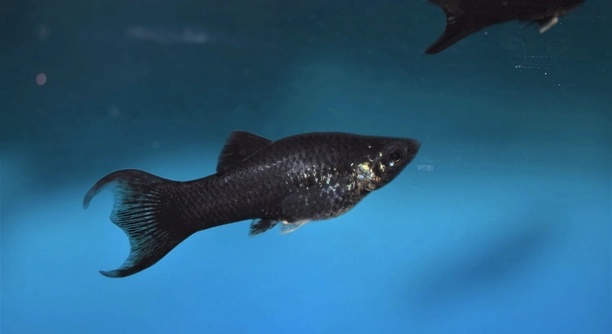
Have you ever wondered what happens after your black molly gives birth, leaving you interested in how the newborn fry adjust to their surroundings and what changes unfold in the tank as they begin growth.
After giving birth, black mollies shift their focus away from the fry, allowing the newborns to navigate the environment independently. The fry begin searching for shelter and food, relying on dense plants, stable water conditions, and adequate nutrients for survival.
As these early moments shape their future, understanding each stage will help you support a healthier and balanced aquarium environment.
Understanding the First Hours After Birth
During the first hours after birth, the fry begin exploring the tank while relying heavily on dense plants and hiding spots for safety. As a woman who has spent plenty of time observing mollies, I know how quickly this stage unfolds. The mother typically shows no interest in the fry, so the environment must compensate by offering protection and stability. Good filtration, clean water, and gentle lighting help the fry adjust without added stress. Their tiny bodies respond best to quiet surroundings, steady temperatures, and easy access to microscopic food sources that support their initial growth and resilience in those delicate early moments.
These first hours play a major role in shaping their survival, so keeping the tank calm and stable gives the fry the foundation they need to thrive without unnecessary strain.
A well maintained space encourages natural behavior, allowing each fry to settle into the tank and begin steady development at its own pace.
How the Fry Grow in the Following Days
The following days focus on fast growth, and their tiny bodies depend on frequent feeding and steady water conditions to stay healthy.
As they move through these early stages, the fry gradually gain strength and confidence in the tank. Their bodies respond quickly to regular meals like crushed flakes, infusoria, or baby brine shrimp, which give them the nutrients needed for proper development. Clean, stable water helps prevent stress, allowing them to grow without sudden setbacks. As a woman who has raised many fry, I find this period rewarding because their progress becomes more visible with each passing day. You start noticing how they swim with more precision, explore more boldly, and adapt to changes more easily. Keeping plants thick and hiding areas plentiful ensures they stay protected from larger tank mates. With balanced care, the fry transition into stronger juveniles that move comfortably through the aquarium, displaying their natural colors and shaping their future health.
Protecting the Fry From Adult Fish
Adult fish may see the fry as food, so separating them keeps losses low. Using breeder boxes or dense plants helps create a safe space. I have found that even simple floating plants make a noticeable difference in their survival.
Keeping the fry separated prevents unnecessary stress and gives them room to grow without constant threats. A dedicated nursery section works well when the main tank has active or territorial fish. Consistent feeding and stable conditions support their development, allowing the fry to focus on growing rather than hiding all day. When I raise black molly fry, I always rely on heavily planted areas because they provide shelter and comfort. This simple approach keeps them safe while supporting steady growth.
Maintaining protection also reduces competition for food, allowing each fry to receive enough nutrients. By reducing stress and improving access to meals, the fry experience healthier growth. Even in a shared tank, creating small protected zones encourages natural behavior. I always notice they explore more confidently when they feel secure. With the right setup, they adapt faster, remain active, and develop stronger bodies over time. This steady care gives them a better chance at long term health and successful maturity.
Feeding Routines That Support Healthy Growth
Consistent feeding helps the fry maintain energy while supporting proper development. Small meals spread throughout the day work best, especially when their bodies are still adjusting to life in the tank. I notice they thrive when portions are light but frequent.
Crushed flakes, freshly hatched brine shrimp, and infusoria offer the nutrients needed for early growth. Their small mouths require soft and finely textured food to avoid digestive strain, so I always prepare portions carefully. Overfeeding can reduce water quality, so I monitor leftovers closely and keep filtration gentle. Good water conditions pair well with proper feeding, giving the fry a balanced environment that supports steady development. As days pass, their appetite grows, and they begin responding more confidently at feeding time. With a stable routine, the fry gain strength, show brighter color, and move with more control, setting the stage for healthier juvenile growth.
Water Conditions That Keep the Fry Stable
Stable water conditions prevent stress and support steady growth, so regular monitoring is essential. I always keep the temperature consistent and avoid sudden changes, since fry react quickly to shifts. Clean water helps them stay active and reduces common health issues.
Frequent small water changes maintain balance without disturbing their environment too much. Gentle filtration keeps the water clear while protecting the fry from strong currents. I notice they respond better when the tank feels calm, giving them the comfort they need to grow confidently.
When Fry Begin Showing Their Colors
As the fry develop, their colors slowly become more noticeable, starting with subtle shades before turning richer and more defined. This stage takes patience, and I always enjoy watching the transformation unfold. Proper nutrition and clean water encourage stronger pigmentation, helping each fry display its natural pattern more clearly over time. Good lighting also makes a difference, allowing the colors to appear brighter without stressing the fry. With steady care, their markings continue to strengthen, showing the early signs of what they will look like as adults.
Natural Behaviors to Expect as They Mature
Maturing fry begin exploring more boldly, reacting confidently to new spaces and gentle changes in the tank. Their movements become smoother, and they start forming loose groups as they learn to navigate their environment with greater control.
How long does it take for black molly fry to become independent?
Black molly fry usually begin showing independence a few days after birth, although complete independence takes several weeks. I have found that providing plenty of hiding spots and steady food allows them to gradually explore without relying on their mother. Dense plants and gentle water flow help the fry move confidently while learning to forage. During this period, they will start swimming in small groups, gradually leaving the safest zones to investigate the tank. Their behavior changes noticeably after the first week, as they respond to food and interact more with their surroundings. Consistent care ensures they develop strength and coordination at a steady pace.
What should I feed black molly fry in the first week?
In the first week, fry need very fine, nutrient-rich food. Infusoria, freshly hatched brine shrimp, and crushed high-quality flakes are ideal. I always prepare tiny portions because their small mouths cannot handle large particles. Frequent, small feedings ensure the fry receive enough nutrients without overloading the water, which can harm their delicate health. Keeping food accessible near their hiding spots allows them to feed without leaving safety. Monitoring leftovers is important to maintain water quality. As they grow, the food size can gradually increase to match their developing mouths and appetites.
How often should water be changed for fry?
Water changes should be gentle but frequent to maintain stability. I perform small changes every day or every other day, removing just enough water to reduce waste buildup. Sudden large water changes can stress fry, so gradual replacement with conditioned water at the same temperature is best. Maintaining stable pH and temperature helps prevent health issues. I also pay attention to ammonia and nitrite levels, ensuring the tank remains safe for these tiny fish. Good water conditions directly affect their growth rate and survival, making this a crucial part of early care.
Do adult black mollies harm their fry?
Yes, adult black mollies may eat their fry if left together in an unprotected tank. I always provide either a separate breeding tank or dense plants where fry can hide. Using floating plants or breeder boxes works well to prevent accidental predation. Even the mother can show no interest or may inadvertently harm fry, so separating them ensures higher survival. Protecting fry during the first few weeks gives them a better chance to grow strong and develop safely before joining the main tank.
How fast do black molly fry grow?
Growth varies but generally follows a steady pattern if water and food are stable. In the first month, fry increase noticeably in size, gaining coordination and confidence. I notice their fins lengthen and color begins to appear within a few weeks. Adequate nutrition, stable temperature, and a stress-free environment accelerate healthy development. Growth slows if conditions fluctuate or if food is insufficient. Monitoring each stage allows adjustments to feeding and tank setup to keep the fry thriving.
When do black molly fry start showing adult colors?
Fry begin showing adult colors around four to six weeks old, depending on health and care. I enjoy watching their patterns gradually become visible, starting faintly and intensifying over time. Proper nutrition and consistent lighting improve pigmentation. Dense plants allow them to explore safely as their colors emerge. Observing this stage helps track their growth and overall well-being.
Can black molly fry survive in the main tank from birth?
It is possible but risky. Fry are small and vulnerable to predation from adult fish. I always recommend providing a nursery or heavily planted area for protection. If they remain in the main tank, survival depends on hiding spots and calm tank mates. Even slight disturbances can reduce survival rates, so proactive protection improves their chances significantly.
How do I know if fry are healthy?
Healthy fry are active, swim smoothly, and feed eagerly. I notice they explore without hesitation and their bodies appear clear without signs of disease. Fragile or lethargic fry may indicate water quality issues, poor nutrition, or stress. Monitoring behavior and growth regularly helps catch problems early, allowing adjustments to maintain their health.
What is the ideal tank setup for fry?
A fry-friendly tank includes gentle filtration, stable temperature, and dense plant coverage. Floating plants provide surface shelter while small plants or moss give hiding areas throughout. I also ensure food reaches all parts of the tank and that water flow is gentle. Keeping the tank calm and consistent allows fry to grow steadily and explore confidently.
How long should fry stay in the nursery before joining the main tank?
Fry typically stay in a protected area for four to six weeks, depending on growth and tank conditions. I watch for size, swimming ability, and feeding confidence before introducing them. This period ensures they are strong enough to survive in the main tank without excessive risk from adults. Proper timing reduces stress and improves long-term health outcomes.
Can black molly fry be raised without live food?
Yes, though live food accelerates growth and strengthens survival instincts. I sometimes rely on crushed flakes or specialized fry food when live options are unavailable. Feeding needs to remain frequent and portioned small to meet nutritional requirements. Consistency in feeding and water quality remains key to ensuring healthy development.
Do black molly fry need specific lighting?
Lighting should be gentle and consistent. I avoid harsh lights that stress the fry, while enough illumination encourages natural behavior and helps plants thrive. Gradual day-night cycles support normal activity patterns and feeding habits. Proper lighting also enhances early coloration without negatively impacting growth or comfort.
How can I prevent common fry diseases?
Preventing disease involves stable water, regular feeding, and avoiding overcrowding. I always quarantine new fish and maintain hygiene in the tank. Observing fry for lethargy, discoloration, or unusual swimming patterns helps catch issues early. Balanced nutrition and low-stress conditions reduce vulnerability to infection and parasites, supporting overall health.
What is the survival rate of black molly fry?
Survival depends on care, tank setup, and protection from adults. With a dedicated nursery, adequate food, and stable water, survival can exceed 80 percent. I find that providing plants, gentle filtration, and frequent monitoring greatly improves outcomes. Poor water quality or overcrowding significantly reduces survival, making attention to detail essential.
Raising black molly fry requires careful attention to their environment, diet, and protection from potential threats. From the moment they are born, the fry rely entirely on their surroundings for survival, since the mother typically does not provide care. Providing dense plants, hiding spots, and a calm tank allows them to explore safely while reducing stress. I have noticed that even small adjustments, such as adding floating plants or creating isolated areas with breeder boxes, can make a noticeable difference in their early growth. Stable water conditions, including temperature, pH, and low ammonia levels, play a key role in supporting healthy development. Frequent monitoring ensures any issues are addressed quickly, helping the fry thrive in a controlled environment. Observing these tiny fish as they adjust and begin to swim independently is both rewarding and informative, giving a clear understanding of their needs during this delicate stage.
Feeding the fry properly is another critical factor in their survival and growth. Tiny mouths require finely crushed flakes, infusoria, or freshly hatched brine shrimp, provided in small, frequent portions. Overfeeding can cause water quality problems, while underfeeding slows growth, so balance is important. I often notice that the fry respond quickly to consistent routines, swimming more actively and showing early signs of coloration as they grow. As they mature, the food can gradually increase in size and variety to meet their nutritional needs, supporting stronger bodies and more confident swimming. Proper feeding combined with a safe, stress-free environment promotes rapid development, allowing the fry to reach juvenile stages with minimal health issues. Observing these changes day by day highlights the importance of patience and careful attention to detail in their early life.
Providing protection from adult fish is equally important, especially in shared tanks where predation risk is high. Using a nursery section, dense plants, or breeder boxes prevents unnecessary losses and allows the fry to focus on growth and exploration. I have found that even when adults show no aggression, fry benefit from clearly defined safe spaces. Over the first few weeks, consistent care in feeding, water maintenance, and sheltering results in stronger, healthier juveniles. Their growth, coloration, and behavior become more predictable, making the next stages of life easier to manage. By understanding and meeting these basic needs, it is possible to raise black molly fry successfully, giving them the best chance to thrive and develop into healthy adult fish.

Hello,
If you enjoy the content that we create, please consider saying a "Thank You!" by leaving a tip.
Every little bit helps us continue crafting quality advice that supports the health, happiness, and well-being of pets around the world, for pets of all shapes, sizes, and species.
We really appreciate the kindness and support that you show us!