
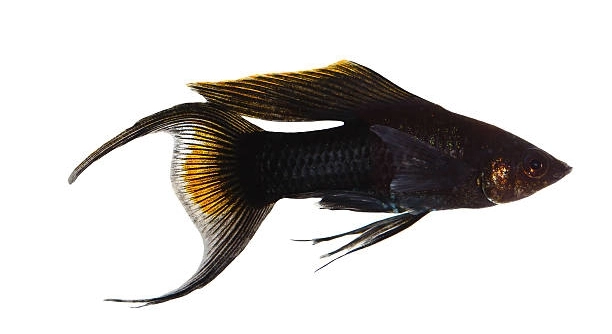
Have you ever noticed subtle changes in your black molly’s behavior or appearance over time? Observing these differences can help you understand your fish’s overall health and the natural aging process it experiences.
As black mollies age, their activity levels often decrease, fins may lose their sharpness, and scales can appear duller. Recognizing these signs early allows for proper care adjustments, ensuring their environment remains supportive and health issues are minimized.
Knowing what to expect as your black molly grows older can make a big difference in its care. Small changes can reveal important insights about its well-being.
Reduced Activity Levels
As black mollies age, one of the first noticeable changes is a decrease in activity. Your fish may spend more time resting near the bottom of the tank or hiding among plants rather than swimming actively. This slowdown is a natural part of aging, and it does not necessarily indicate illness. Older black mollies often have less energy to explore their surroundings or interact with tank mates. Feeding times may also become slower, as they no longer dart to food with the same urgency as before. Observing these subtle shifts in behavior is important because it allows you to adjust care routines. Providing easy access to food and ensuring that tank decorations do not impede movement can make their environment more comfortable. It is essential to recognize that while reduced activity is common, sudden or drastic lethargy could indicate health issues and should be monitored carefully to maintain overall well-being.
Lower energy in older mollies means a calmer, less active tank, but their comfort and safety remain important.
Maintaining a stable environment can help older black mollies stay healthy despite slower movements. Regular water changes, stable temperatures, and minimal stress ensure they remain comfortable and reduce the risk of disease. Adjusting feeding routines to suit their slower pace can also improve their quality of life. By observing behavior and making small adjustments, you can support your molly’s health and happiness.
Changes in Coloration
Aging in black mollies often brings noticeable changes in their coloration.
Over time, the deep black sheen of their scales may fade, and some areas may develop lighter or dull patches. These changes are natural and occur due to reduced pigment production as the fish grows older. Environmental factors, such as lighting and water quality, can influence how quickly these color changes appear. Diet also plays a role; ensuring adequate nutrients helps maintain coloration for longer. While color fading is common, any sudden loss of color accompanied by clamped fins or other unusual behavior could indicate stress or illness. Paying attention to these details allows you to differentiate between natural aging and potential health concerns. Maintaining proper nutrition, gentle lighting, and a clean tank can slow the fading process. Understanding these signs helps provide better care for aging black mollies, keeping them comfortable and visually vibrant for as long as possible.
Thinning Fins
Older black mollies often show signs of fin thinning or fraying. The edges of their dorsal, caudal, or anal fins may appear ragged or less defined than in younger fish, which is a common effect of aging.
Fin health can decline due to reduced regenerative capacity as mollies age. While minor wear from tank decorations or interactions with other fish is normal, consistent thinning indicates their bodies are producing less tissue to maintain full, robust fins. Gentle water currents and avoiding sharp decorations can help prevent further damage. Regular observation ensures that thinning fins are not a result of fin rot or infection, which requires separate attention. Adjusting the environment and care routine supports their comfort and preserves remaining fin structure. Aging mollies still benefit from clean, stable tanks that minimize stress and physical strain.
Maintaining smooth water flow and soft decorations reduces the chance of further fin damage while allowing older mollies to swim comfortably.
Slower Feeding Response
As mollies age, they may respond more slowly to food, sometimes ignoring it initially or taking longer to reach it.
Slower feeding is tied to both reduced energy and sensory changes. Older black mollies may have weaker eyesight or diminished reaction times, making them less eager during feeding. Placing food in multiple areas of the tank ensures they can access it without competition. Over time, they might prefer smaller, softer foods that are easier to eat. Monitoring their intake is essential, as insufficient feeding can lead to weight loss or malnutrition. Adjusting the feeding schedule to accommodate their pace helps maintain healthy growth and body condition. By providing the right food types and consistent feeding spots, you support their comfort and nutritional needs during the later stages of life.
Ensuring that older mollies eat enough requires patience and observation, along with small environmental adjustments to help them reach food easily.
Reduced Social Interaction
Older black mollies may spend less time swimming with tank mates and more time alone.
This behavior is natural as energy levels decrease and they become less interested in active schooling. Respecting their space prevents stress and supports their comfort.
Weight Loss
Aging black mollies can gradually lose weight even with regular feeding. This can result from slower metabolism or reduced ability to process nutrients efficiently. Monitoring body condition and adjusting diet to include nutrient-rich foods can help maintain health. Gentle care ensures older mollies stay at a safe, comfortable weight.
Dull Eyes
Cloudy or less vibrant eyes are common in aging mollies.
Eye changes may result from natural aging or minor environmental factors, but keeping the tank clean and stable reduces additional strain on vision. Observing these changes helps in providing proper care for older fish.
How can I tell if my black molly is aging?
You can notice aging in black mollies through subtle changes in behavior, appearance, and activity. Reduced swimming, less interest in social interactions, fraying fins, and duller coloration are common indicators. Paying attention to feeding habits, energy levels, and body condition also helps identify natural aging versus health problems. Observing these small changes over time gives a clear picture of how your molly is aging. Regular monitoring allows you to adjust care routines to keep them comfortable and healthy in their later years.
Do older black mollies need special care?
Yes, older black mollies benefit from a slightly adjusted care routine. Maintaining stable water conditions, consistent temperature, and gentle water flow reduces stress. Providing easy access to food and avoiding sharp decorations helps prevent injury. Nutrient-rich foods, small meals, and monitoring feeding behavior ensure they receive proper nutrition despite slower eating. Limiting sudden changes in the tank environment keeps older mollies comfortable and minimizes the risk of disease or stress-related issues. Regular observation is essential to catch any health concerns early.
Why is my molly losing color?
Color fading is a natural part of aging in black mollies. Pigment production slows over time, leading to duller scales and lighter patches. Environmental factors like lighting, water quality, and diet can influence how quickly this occurs. While gradual fading is normal, sudden changes accompanied by clamped fins or lethargy may indicate stress or illness. Ensuring proper nutrition, gentle lighting, and a clean, stable tank can help maintain coloration for longer. Recognizing the difference between natural aging and potential health problems allows you to respond appropriately and support their overall well-being.
My molly’s fins look frayed. Is this serious?
Frayed fins are common in older black mollies due to reduced tissue regeneration. Minor wear from tank decorations or interactions with other fish is usually harmless. However, if fraying is accompanied by discoloration, redness, or a white edge, it may indicate fin rot or infection. Maintaining clean water and minimizing sharp objects reduces further damage. Providing a calm environment and observing swimming behavior ensures older mollies are not stressed and allows proper healing. Gentle care can help preserve remaining fin structure and prevent additional health issues.
How can I help my molly eat properly as it ages?
Older mollies often respond slower to food due to reduced energy and sensory changes. Offering food in multiple areas of the tank ensures they can access it without competition. Providing smaller, softer foods makes eating easier and encourages proper nutrition. Adjusting feeding schedules to match their pace ensures they receive enough nutrients, and observing their intake helps prevent malnutrition. Maintaining a calm feeding environment reduces stress, making meals more manageable for aging mollies. Patience and attention to feeding habits are key to supporting their health in later years.
Is it normal for older mollies to be less social?
Yes, reduced social interaction is a common sign of aging. Older mollies may spend more time alone and avoid active schooling. This is usually due to lower energy levels and a decreased interest in interactions. Respecting their space and minimizing stress from more active tank mates helps them feel safe. Observing these behavioral changes allows you to differentiate between natural aging and potential illness. Providing areas to retreat and keeping the tank environment calm ensures their comfort while maintaining a peaceful aquarium.
Should I be concerned about weight loss in aging mollies?
Gradual weight loss is common in older black mollies, even with regular feeding. Slower metabolism and reduced nutrient absorption can cause a thinner body. Monitoring their weight and adjusting diet with nutrient-rich foods helps maintain a healthy condition. Avoid overfeeding, which can stress older fish, and ensure they can reach food easily. Regular observation of body shape and energy levels helps catch potential health problems early. Providing a stable tank environment with proper nutrition supports comfort and long-term health.
Why are my molly’s eyes looking dull?
Dull or cloudy eyes are a typical sign of aging. Reduced vibrancy can result from natural aging or minor environmental factors like water quality and lighting. Keeping the tank clean and stable reduces additional stress on their eyes. Observing changes ensures you can differentiate normal aging from potential infections or eye problems. Proper care, including stable water conditions and minimal environmental stress, helps older mollies maintain better overall health and visual comfort.
Can aging mollies still breed?
Breeding ability often declines with age. Older mollies may produce fewer or lower-quality eggs, and males may be less active during courtship. Providing optimal water conditions, nutrition, and stress-free environments can support reproductive health, but age naturally reduces fertility. Observing breeding behavior alongside other signs of aging helps determine their overall vitality and readiness for reproduction.
How long can black mollies live?
Black mollies generally live between three to five years, but some can live longer with proper care. Lifespan depends on water quality, diet, tank conditions, and genetics. Maintaining stable conditions, nutrition, and monitoring for health issues can help extend their life while ensuring comfort and well-being throughout aging.
Aging is a natural part of life for black mollies, and recognizing the signs can help you provide the best care possible. Over time, changes such as reduced activity, slower feeding, duller coloration, and fraying fins become more noticeable. These changes are normal and usually not a sign of illness, but they do mean that your fish may need some extra attention. Observing their daily habits and comparing them to their younger behavior allows you to notice subtle shifts. By keeping track of how your black molly moves, eats, and interacts with other fish, you can better understand its needs. Simple adjustments, like providing easily accessible food, gentle water flow, and calm tank areas, can make a significant difference in comfort and quality of life for aging fish. Paying attention to these small details is key to maintaining their health and happiness.
Providing a stable and supportive environment becomes increasingly important as black mollies age. Older fish are more sensitive to sudden changes in water quality, temperature, or lighting, which can cause stress or illness. Regular water changes and consistent monitoring of tank parameters help prevent unnecessary strain on their systems. Proper nutrition is equally important; older mollies may require softer or smaller foods that are easier to eat. Ensuring that all fish in the tank can feed without competition also supports their overall well-being. Avoiding overcrowded tanks and limiting aggressive or overly active tank mates helps prevent injury and stress. Taking these precautions not only improves comfort but also supports longevity, allowing your black molly to live a full life even in its later years.
Understanding the aging process also allows you to manage expectations and enjoy your time with your black molly more fully. Some changes, like reduced social interaction or gradual weight loss, are natural and not necessarily cause for concern. By providing consistent care and observing behavior carefully, you can differentiate between normal aging and potential health issues that may require attention. Even small interventions, like adjusting feeding practices or offering shaded resting areas, can significantly improve quality of life. Paying close attention to your black molly’s physical and behavioral changes ensures they remain comfortable and healthy as they grow older. Aging is inevitable, but thoughtful care allows your fish to thrive and enjoy a peaceful, supportive environment throughout its later years.

Hello,
If you enjoy the content that we create, please consider saying a "Thank You!" by leaving a tip.
Every little bit helps us continue crafting quality advice that supports the health, happiness, and well-being of pets around the world, for pets of all shapes, sizes, and species.
We really appreciate the kindness and support that you show us!