
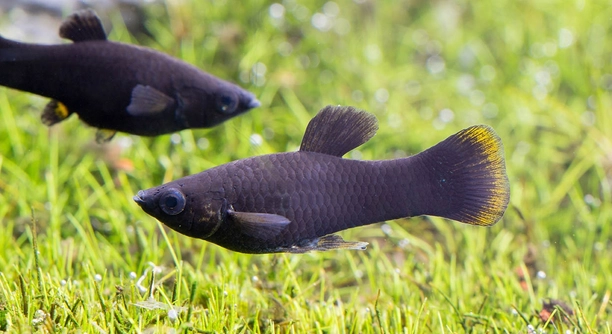
Are your aquarium tanks looking a little plain or crowded? Small adjustments in placement and organization can completely change the overall look and function, making your aquatic environment feel more natural and balanced.
Simple changes in tank layout, such as repositioning decorations, adjusting plant placement, and reorganizing hiding spots, can significantly enhance fish movement, reduce stress, and create a visually appealing environment. These tweaks optimize both aesthetics and the well-being of your aquatic inhabitants.
Even minor rearrangements can transform the atmosphere, encourage healthier fish behavior, and make your tank more enjoyable to watch and maintain.
Repositioning Decorations
Rearranging decorations in your tank can make a noticeable difference for both appearance and fish behavior. Start by moving larger pieces to the back or corners to create depth. Rocks, driftwood, or artificial structures should leave enough open swimming space. Avoid placing tall items where they block light or restrict circulation. When decorating, consider natural groupings rather than spreading everything evenly. Fish often use structures for shelter, so think about hiding spots and territories. Plants can be positioned around decorations to soften edges and add a natural feel. You might notice shy fish becoming more confident when they have multiple places to hide. Keep in mind that symmetry isn’t always necessary; asymmetrical arrangements often look more natural. Changing decorations gradually also prevents fish from becoming stressed. Observing how your fish interact with the new layout can guide further adjustments. Even small shifts can transform both the tank’s appearance and its function.
Repositioning decorations improves fish comfort while creating a more visually appealing and dynamic tank layout overall.
Small adjustments like moving a single rock or plant can make the tank feel more spacious and balanced, subtly enhancing the environment.
Adjusting Plant Placement
Plants in a tank are more than decoration; they influence water quality, oxygen levels, and fish behavior. Position taller plants toward the back or corners to frame the tank naturally while leaving open swimming space in the center. Mid-height plants can act as visual barriers, helping timid fish feel safer. Floating plants offer shade and reduce light intensity, which can calm more sensitive species. Avoid crowding plants too tightly; roots and leaves need room to grow and thrive. Trim dead or overgrown leaves to maintain healthy water conditions. Grouping plants in clusters rather than spreading them evenly creates a more natural look and gives fish distinct zones to explore. Consider plant types and their growth rates when planning placement, as faster-growing species can quickly dominate a tank. Adjusting plant positions gradually helps fish acclimate without stress. Over time, the right layout improves both tank aesthetics and fish well-being, making your tank healthier and more enjoyable.
Strategically placed plants improve water quality, provide shelter, and create a natural, balanced look that benefits both fish and viewers.
Creating Open Swimming Areas
Open swimming areas give fish space to move freely and reduce stress. Clearing decorations or plants from the center of the tank allows active species to swim without obstacles and helps maintain cleaner water flow.
A well-planned open area balances with hiding spots. Active fish benefit from unobstructed spaces for exercise, while shy or territorial fish still need places to retreat. Open swimming zones also make the tank appear larger and less cluttered, improving visibility of all fish. Avoid placing decorations in a way that divides the tank unnecessarily, as this can create isolated areas and limit natural movement patterns.
Maintaining these open zones requires occasional adjustments. As plants grow or decorations shift, check that swimming areas remain clear. Even small changes, like trimming plants or slightly moving rocks, help preserve open space. Observing fish behavior can guide further layout tweaks, ensuring all species coexist comfortably while maintaining a visually pleasing balance between open areas and structured zones.
Adjusting Hiding Spots
Proper hiding spots reduce fish stress and prevent aggressive behavior. Place caves, tunnels, or dense plant areas where shy fish can retreat comfortably without being trapped.
Hiding spots should be varied in size and location. Smaller fish need tighter shelters, while larger species benefit from broader areas. Position these strategically near feeding zones or near open swimming areas, giving fish choice between exploration and safety. Dense plants, hollow logs, or small rock clusters work well as shelters. Avoid overcrowding these areas, as too many hiding spots can create dark, stagnant zones that reduce water circulation.
Check how fish use hiding spots regularly. Move or remove unused structures and add new shelters if certain fish remain stressed or bullied. Balancing open space with sufficient cover ensures healthier interactions and encourages natural behavior. Over time, these adjustments create a dynamic, functional environment where all species feel secure while still allowing visual enjoyment and easy maintenance.
Layering Substrates
Using different substrate layers adds depth and texture to your tank. Mixing fine sand with gravel can highlight plant roots and create natural-looking slopes, enhancing both appearance and fish behavior.
Layering substrates also helps with water circulation and plant growth. Heavier gravel can anchor plants, while finer sand allows bottom-dwelling fish to dig and explore comfortably.
Positioning Filters Strategically
Placing filters correctly improves water flow and oxygen levels without disturbing fish. Position the output to encourage gentle circulation across the tank, avoiding direct blasts on resting fish. A well-placed filter keeps debris suspended for easier cleaning, supports plant health, and ensures a stable environment. Over time, proper filter placement reduces maintenance and prevents dead zones where waste can accumulate, promoting a cleaner, healthier habitat. Regularly adjusting and monitoring filter direction ensures all areas receive adequate water movement while maintaining calm spots for fish that prefer slower currents.
Creating Visual Focal Points
A single standout decoration or plant grouping draws the eye and organizes the tank visually. Use contrasting textures or heights to make the layout more interesting.
FAQ
How often should I rearrange my tank decorations?
Rearranging decorations too frequently can stress fish. Small changes every few weeks are usually enough. Observe how fish react to shifts in hiding spots or open areas. Gradual adjustments help them acclimate and reduce territorial disputes. Minor repositioning, such as moving a plant slightly or rotating a rock, can improve both swimming space and visual appeal without disrupting routines. Avoid removing multiple structures at once, as sudden changes may increase anxiety or aggression.
Can moving plants improve fish behavior?
Yes, relocating plants can make a big difference. Taller plants at the back provide shelter and define the tank visually, while shorter plants in front create open areas. Moving dense clusters can give shy fish new hiding spots, encourage exploration, and reduce conflicts among species. Additionally, proper plant placement enhances light penetration and water flow, supporting healthier growth. Gradual trimming and repositioning prevent sudden environmental changes while improving overall tank balance.
Do fish need both open swimming areas and hiding spots?
Absolutely. Open spaces allow active fish to swim freely, exercise, and interact naturally. Hiding spots reduce stress for timid or territorial species. Balancing these zones ensures all fish feel safe while maintaining visibility and access for feeding. Overcrowding either area can negatively affect behavior. Observing fish reactions can guide adjustments, making sure open areas aren’t too exposed and shelters aren’t overly dense.
Will substrate layering affect plant growth?
Yes, layered substrates support healthier plants. Gravel anchors roots, while finer sand allows bottom-dwellers to dig without damaging plants. Gradual slopes or mixed textures create a natural look and improve water circulation. Layering also prevents nutrient depletion, ensuring plants get enough support to thrive while maintaining a clean, functional environment for fish.
How can I tell if a filter is positioned correctly?
Check water flow and fish behavior. Fish should swim comfortably without struggling against strong currents. Ensure circulation reaches all areas to prevent dead spots where waste accumulates. Proper filter placement distributes oxygen evenly, supports plant health, and helps maintain clear water. Adjust direction or height slightly if some areas appear stagnant or fish avoid certain zones.
Do small layout tweaks really make a difference?
Yes, even subtle changes can have a noticeable impact. Shifting a plant, moving a rock, or adding a single decoration can improve swimming space, reduce stress, and enhance visual appeal. Observing fish responses after minor tweaks helps fine-tune the layout for both function and aesthetics. Incremental changes are often more effective than major rearrangements.
How can I maintain a balanced look without overcrowding?
Focus on grouping items naturally rather than spreading everything evenly. Leave open swimming spaces, position tall plants at the back, and vary hiding spots. Avoid placing multiple large decorations in one area, which can block light and water flow. Keeping the tank visually balanced supports fish behavior and creates an inviting, organized display.
Is it necessary to monitor fish after layout changes?
Yes, observation is key. Fish may react to new hiding spots or altered swimming paths, and some may become stressed or territorial. Monitor interactions for a few days after changes. Minor adjustments, like repositioning plants or moving decorations slightly, can resolve issues quickly and maintain a healthy, comfortable environment for all tank inhabitants.
Can layout tweaks improve maintenance?
Definitely. Thoughtful placement of plants, decorations, and open spaces makes cleaning easier. Filters work more efficiently, and debris is less likely to accumulate in dead zones. Maintaining an organized layout reduces time spent adjusting water conditions and trimming plants while promoting a stable, visually pleasing tank environment.
Are visual focal points important for fish or just for appearance?
Visual focal points benefit both. They provide structure for fish to navigate and establish territories, while creating a more engaging look for viewers. Using a standout plant, rock formation, or decoration guides attention, breaks up monotony, and enhances the tank’s overall aesthetic without disrupting function.
Final Thoughts
Small adjustments to your tank layout can create noticeable improvements in both appearance and fish behavior. Even minor changes, like moving a plant slightly or repositioning a rock, can make swimming areas more accessible and provide better hiding spots for shy fish. By paying attention to how fish use the space, you can create a balanced environment that meets their needs while maintaining a visually appealing tank. A well-organized tank reduces stress among fish, encourages natural behaviors, and makes the aquarium more enjoyable to observe. The key is to make changes gradually and thoughtfully, rather than overhauling the tank all at once. Gradual adjustments allow your fish to acclimate and prevent unexpected aggression or anxiety, keeping the tank stable and peaceful. Over time, these small tweaks can significantly enhance the overall look and functionality of your aquarium without requiring major investments in new equipment or decorations.
Focusing on layout improvements also helps with practical maintenance. Open swimming areas allow for easier cleaning and reduce the accumulation of debris in tight corners. Strategically placed filters ensure proper water circulation, which supports both plant health and fish well-being. Layered substrates and thoughtfully arranged plants contribute to natural water flow and create zones that encourage different types of behavior. Hiding spots placed near open areas give timid species security while allowing them to explore freely. By observing how your fish interact with these changes, you can fine-tune the layout to suit the specific needs of your tank’s inhabitants. Regular monitoring ensures that all species have access to both shelter and swimming space, creating a harmonious environment that minimizes stress and promotes longevity. The result is a tank that is healthier, easier to maintain, and more visually interesting.
Beyond the practical benefits, improving your tank layout adds enjoyment and satisfaction for you as the caretaker. A well-balanced tank is more engaging to watch, with clearly defined zones, natural-looking structures, and flowing plants that enhance the overall aesthetic. Adjustments like grouping plants naturally, layering substrates, and creating visual focal points give the aquarium a sense of depth and organization. Each small tweak contributes to a more harmonious environment where fish feel comfortable and display their natural behaviors. Paying attention to both function and appearance ensures your tank is not just a habitat, but also a thoughtfully curated display. Taking the time to make these small adjustments reinforces the connection between you and your aquarium, showing care for the creatures within it. With consistent observation and careful layout planning, your tank can thrive as a healthy, attractive, and balanced space for years to come.

Hello,
If you enjoy the content that we create, please consider saying a "Thank You!" by leaving a tip.
Every little bit helps us continue crafting quality advice that supports the health, happiness, and well-being of pets around the world, for pets of all shapes, sizes, and species.
We really appreciate the kindness and support that you show us!