Can Black Molly Get Used to Frequent Handling?
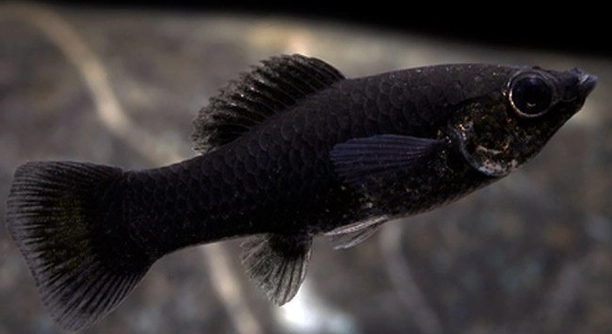
Black Mollies are popular aquarium fish that many enjoy keeping for their vibrant colors and active behavior. Their calm nature makes them appealing, yet handling them can be stressful if not approached carefully. Many owners wonder about their adaptability. Black Mollies can gradually become accustomed to frequent handling through consistent, gentle interaction. Ensuring a calm … Read more
What Happens If You Skip Water Changes for Black Molly?

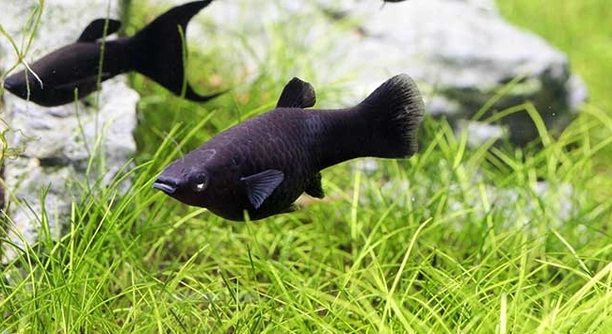
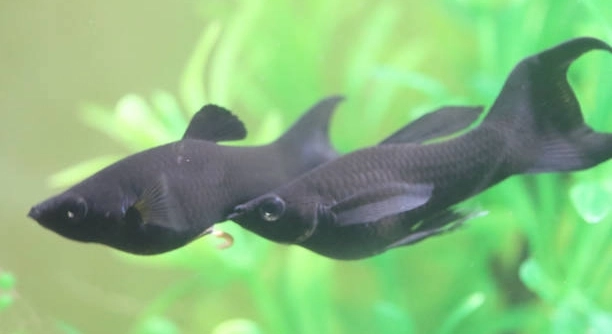
Do you ever notice your Black Molly swimming sluggishly or hiding more than usual in the tank? Maintaining clean water is important, and skipping water changes can quietly affect their health over time, often without immediate signs. Skipping water changes for Black Mollies can lead to a buildup of toxins, including ammonia and nitrites, which … Read more

7 Clues Black Molly Are Laying Fry Soon

Do you ever notice your black molly swimming differently than usual and wonder what it means for your tank? Observing small changes in behavior can signal big developments, especially when these fish are ready to lay fry soon. Black molly fish typically show clear signs before giving birth. These include changes in swimming patterns, a … Read more

7 Indicators of a Comfortable Black Molly Tank

Have you ever tried creating a steady space for your black mollies while wondering whether their tank actually feels comfortable for them? Knowing simple signs can help you better understand needs and support their care. A comfortable black molly tank is indicated by stable water parameters, consistent filtration, balanced lighting, suitable vegetation, peaceful tank mates, … Read more

7 Reasons Your Black Molly Tank Smells (+Fixes)

Are your black molly tank and its water developing an unpleasant smell? This is a common issue for many aquarium owners. Fish tanks require careful attention, and even small oversights can create noticeable odors over time. The primary reasons a black molly tank smells include overfeeding, poor filtration, decaying food or plant matter, insufficient water … Read more

What Causes Black Molly Fry to Die Suddenly?

Have you ever raised black molly fry and wondered how to keep them safe during their early days? Learning their basic needs can help you stay confident while guiding these fragile fish through early growth. Sudden death in black molly fry is primarily caused by poor water quality, rapid parameter shifts, inadequate nutrition, and hidden … Read more

7 Things That Affect Black Molly Color Intensity

Black Mollies are a striking addition to any aquarium, known for their glossy, dark appearance. Their color can vary significantly, making it important to understand the factors that influence their visual intensity and overall health. Several elements determine the intensity of a Black Molly’s color. Genetics, diet, water quality, lighting, stress levels, tank mates, and … Read more

Do Black Molly React to Music or Sound?

Black Mollies are lively freshwater fish that brighten home aquariums with their playful movements and social nature. Many fishkeepers enjoy observing them as they swim gracefully, interact with tank mates, and respond to changes in their environment. Black Mollies can detect vibrations and react to certain sounds, but they do not respond to music in … Read more

7 Signs Your Black Molly Are Competing for Space

Are your black mollies acting restless or swimming in tight circles more often than usual? Many fish owners notice small changes in behavior when tank space becomes limited. These changes can affect the harmony of your aquarium. Black mollies may compete for space when their environment lacks sufficient hiding spots or swimming room. Overcrowding, limited … Read more

Why Are My Black Molly Ignoring Food?

Do you ever notice your Black Molly swimming around the tank but ignoring the food you just added? It can be puzzling and a little frustrating, especially when you want your fish to stay healthy and active. Black Mollies may ignore food due to stress, water quality issues, illness, or dietary preferences. Ensuring stable tank … Read more