
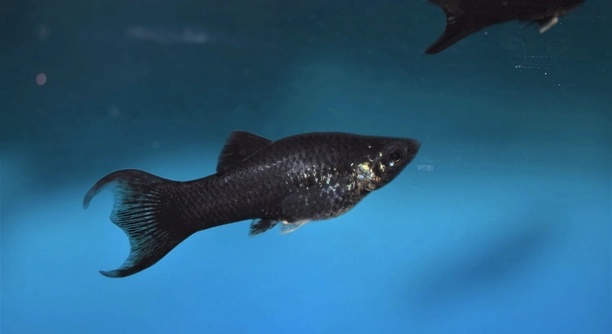
Black Mollies are a striking addition to any aquarium, known for their glossy, dark appearance. Their color can vary significantly, making it important to understand the factors that influence their visual intensity and overall health.
Several elements determine the intensity of a Black Molly’s color. Genetics, diet, water quality, lighting, stress levels, tank mates, and age all play a role in enhancing or dulling their pigmentation. Maintaining optimal conditions ensures the fish display their richest tones.
Knowing what affects their coloration helps you provide the best care. Paying attention to these details can make your Black Mollies look vibrant and healthy.
Genetics and Inherited Color
The genetic makeup of Black Mollies has the strongest influence on their coloration. Some fish are naturally darker or lighter depending on their lineage. Even within the same tank, you might notice variations because each fish carries slightly different genes. Breeding two strong-colored mollies often produces offspring with richer pigmentation. On the other hand, pairing a lighter-colored fish can result in juveniles with muted tones. While genetics cannot be changed, recognizing its role helps set realistic expectations for how vibrant your fish can appear. Selective breeding practices over time have enhanced the dark black shades we often see in aquariums, but individual variation will always exist. Environmental factors can support or diminish the expression of these inherited traits. Ensuring the fish has stable water conditions, proper nutrition, and minimal stress can allow its genetic potential to fully emerge. Observing the natural range in a tank can help in understanding each fish’s unique color expression and potential.
Genetics alone does not guarantee the darkest coloration. Proper care enhances inherited traits.
Even when genetics favor deep black tones, poor conditions can mask them. Diet, lighting, water quality, and stress levels can all affect how the colors appear. Fish that are otherwise genetically predisposed to vivid black may look dull or gray if nutrients are lacking or the tank environment is inconsistent. Overcrowding or incompatible tank mates can add stress, suppressing natural pigmentation. Fish age also interacts with genetic potential; younger mollies may not yet show full color, while older ones can gradually lose intensity if conditions are not ideal. Observing fish in different situations helps identify whether a dull appearance is temporary or a reflection of genetics. Consistent care maximizes the likelihood that a Black Molly will display its richest possible tones throughout its life.
Diet and Nutritional Influence
Feeding high-quality, color-enhancing foods improves pigmentation. Black Mollies need a balanced diet rich in vitamins, minerals, and natural color boosters to reach their full visual potential.
A varied diet strengthens their immune system while supporting darker pigmentation.
Foods containing carotenoids, spirulina, and high-protein ingredients encourage deeper coloration and overall health. Flakes or pellets formulated for color enhancement help maintain consistent tones. Live and frozen foods such as brine shrimp, daphnia, and bloodworms provide additional nutrients that contribute to vibrant appearance. Avoid overfeeding, which can lead to poor water quality and health issues, indirectly affecting color. Even with a strong genetic base, mollies that are undernourished or fed repetitive, low-quality diets will show muted tones. Feeding small portions multiple times a day mirrors natural grazing behaviors and helps sustain energy while supporting healthy pigmentation. Careful attention to diet ensures the fish not only look their best but also remain active and thriving within the tank.
Water Quality
Stable water conditions are essential for Black Mollies. Poor water quality can dull their color and cause stress or illness. Regular testing and maintenance help maintain optimal parameters.
Clean, well-maintained water supports both health and coloration. High ammonia, nitrite, or nitrate levels can weaken pigmentation. Mollies thrive in slightly alkaline water with consistent temperature and minimal fluctuations. Frequent partial water changes reduce waste buildup, maintaining clarity and chemical balance. Proper filtration ensures oxygenation and removes debris, creating an environment where Black Mollies can display their natural tones. Even small changes, like adding new decorations or fish, can alter water chemistry. Observing fish behavior and appearance provides clues to water quality, allowing timely adjustments.
Hard water minerals also influence pigmentation. Calcium and magnesium contribute to metabolic processes that support darker coloration. Neglecting water hardness can lead to faded tones. Keeping pH stable, around 7.5 to 8, prevents stress that diminishes color intensity. Water temperature consistency, ideally between 75–82°F, allows mollies to maintain normal metabolic function. When combined with proper diet, genetics, and stress management, water quality becomes a major factor in achieving and sustaining deep black coloration over the long term.
Lighting Conditions
Proper lighting enhances the appearance of Black Mollies. Insufficient light can make colors appear muted and reduce vibrancy in the tank.
Lighting affects pigment expression and behavior. Bright but indirect light helps mollies showcase their natural tones. Too much direct light may cause stress, prompting hiding or reduced activity, which dulls their color. A consistent day-night cycle also supports natural rhythms and overall well-being. LED or fluorescent aquarium lights are effective for highlighting color without overheating the water. Adjusting light intensity gradually prevents sudden stress, allowing fish to adapt while displaying their best appearance. Consistent lighting routines contribute to long-term color retention and visual appeal.
Extended periods of low light can lead to gradual fading, while overly harsh light may damage sensitive tissue or promote algae growth that competes for nutrients. Providing a balanced lighting schedule of 10–12 hours per day supports healthy pigmentation and mimics natural conditions. Incorporating plants or shaded areas gives fish options for retreat, reducing stress and maintaining vivid tones. Monitoring light quality alongside other factors like diet and water parameters ensures Black Mollies remain visually striking and healthy over time.
Stress Levels
Stress directly impacts Black Molly coloration. Overcrowding, aggressive tank mates, or sudden changes in the environment can cause stress, leading to faded or dull tones.
Minimizing stress improves both health and pigmentation. Providing hiding spots, stable conditions, and compatible companions helps mollies feel secure and display their best colors consistently.
Tank Mates
Choosing appropriate tank mates is crucial. Aggressive or overly active fish can intimidate Black Mollies, causing them to hide and lose color intensity. Peaceful species allow mollies to swim freely, interact naturally, and maintain vibrant pigmentation. Careful selection promotes harmony and long-term visual appeal.
Age and Maturity
As Black Mollies age, their coloration can change. Young fish may gradually develop richer black tones as they mature, while older mollies sometimes lose intensity. Consistent care throughout life supports the maintenance of their natural coloration.
Feeding Frequency
Regular, moderate feeding helps maintain energy and coloration. Overfeeding can pollute water and dull pigment, while underfeeding limits nutrient intake necessary for deep black tones.
FAQ
What is the ideal water pH for Black Mollies to maintain strong coloration?
Black Mollies thrive in slightly alkaline water with a pH between 7.5 and 8. Consistent pH levels help prevent stress and support metabolic functions that enhance pigmentation. Sudden fluctuations can cause fading or stress-related health issues. Regular testing and gradual adjustments maintain stability.
How does diet influence Black Molly color intensity?
A balanced diet directly affects pigmentation. Foods rich in carotenoids, spirulina, and high-quality proteins promote deeper black tones. Live or frozen foods like brine shrimp and daphnia provide essential nutrients. Repeatedly feeding low-quality flakes can dull colors, even if the fish has strong genetics. Variety and proper portion sizes are key.
Can lighting improve the color of Black Mollies?
Yes. Proper lighting enhances natural pigmentation. Bright but indirect light encourages fish to display their full tones. Too much direct light can stress the fish, causing them to hide and dull their coloration. Maintaining a 10–12 hour day-night cycle supports both health and color.
Do tank mates affect Black Molly coloration?
Aggressive or overly active tank mates can stress Black Mollies, leading to faded colors. Peaceful companions allow mollies to swim freely, interact naturally, and maintain pigmentation. Providing hiding spots and a spacious environment reduces tension and helps the fish retain their best appearance.
Does water hardness matter for Black Mollies?
Yes. Hard water containing calcium and magnesium supports metabolic processes linked to color development. Soft water may limit pigment expression and make colors appear muted. Consistently monitoring mineral content ensures the fish can fully display their natural tones.
How often should I feed Black Mollies for optimal color?
Feeding small portions two to three times a day is ideal. Overfeeding pollutes water, stressing the fish and dulling colors. Underfeeding deprives them of nutrients necessary for pigmentation. A balanced schedule keeps energy levels stable and supports vibrant black coloration.
Can stress permanently affect coloration?
Stress can cause temporary or long-term fading depending on duration and severity. Overcrowding, sudden environmental changes, and aggressive tank mates all contribute. Providing hiding spaces, stable water conditions, and compatible companions minimizes stress, allowing mollies to regain and maintain rich coloration over time.
At what age do Black Mollies reach full color?
Young Black Mollies gradually develop their full black tones as they mature. Typically, noticeable deepening occurs within the first several months of life. Older fish may lose some intensity if care is inconsistent. Stable conditions, good diet, and low stress support peak pigmentation throughout their lifespan.
Is genetics the most important factor for color intensity?
Genetics sets the baseline for color potential. Some fish naturally have darker or lighter tones depending on lineage. Environmental factors, diet, water quality, and stress influence whether genetic potential is fully expressed. Optimal conditions allow genetics to shine, while neglect can mask inherited coloration.
Can water temperature affect Black Molly color?
Yes. Stable temperatures between 75–82°F support metabolic processes essential for pigmentation. Sudden drops or prolonged exposure to inappropriate temperatures can stress the fish, dulling colors and affecting overall health. Gradual adjustments are necessary when making changes to tank temperature.
How can I prevent color fading over time?
Maintaining stable water quality, feeding a balanced diet, providing proper lighting, reducing stress, and selecting compatible tank mates all contribute to sustained coloration. Regular monitoring and small adjustments ensure Black Mollies retain their rich black tones throughout their life.
Final Thoughts
Black Mollies are captivating fish, and their deep black coloration is one of their most appealing traits. Achieving and maintaining this coloration requires attention to several key factors. Genetics play a foundational role, setting the potential for how dark a fish can become. Even with strong genetics, environmental conditions can significantly influence whether a Black Molly displays its richest tones or appears muted. Providing a stable, well-maintained tank, along with the right diet and proper lighting, ensures the fish can reach its full color potential. It is important to remember that even small changes in water quality, temperature, or stress levels can affect how a Black Molly looks. By understanding these factors, caring for these fish becomes less about luck and more about creating conditions where their natural beauty can thrive consistently.
Water quality and diet are two of the most direct ways to support color intensity. Clean, slightly alkaline water with stable pH and hardness levels allows the fish’s metabolic processes to function properly, which supports pigment development. Regular water changes and proper filtration are crucial to maintaining this stability. Feeding a variety of high-quality foods, including flakes, pellets, and live or frozen options like brine shrimp or daphnia, ensures the fish receive the nutrients needed for optimal pigmentation. Overfeeding or providing low-quality foods can lead to poor water conditions or insufficient nutrients, which will dull the fish’s natural tones. Additionally, feeding small portions multiple times a day mirrors natural grazing behavior and keeps the fish healthy and active, which indirectly enhances their appearance. These consistent practices provide a strong foundation for maintaining deep black coloration over time.
Stress management and tank setup also have a significant impact on coloration. Overcrowded tanks, aggressive tank mates, or sudden changes in the environment can cause stress, which often results in faded or dull colors. Providing ample space, hiding spots, and calm companions helps Black Mollies feel secure and display their natural tones. Proper lighting enhances color without causing stress, and maintaining a consistent day-night cycle supports overall health and appearance. Age and maturity also affect pigmentation, as younger fish gradually develop deeper tones, while older mollies may experience gradual fading if care is inconsistent. Paying attention to all these elements together—genetics, diet, water quality, stress levels, tank mates, lighting, and age—creates an environment where Black Mollies can maintain their richest, healthiest coloration throughout their lives. With patience and consistent care, these fish can remain visually striking and a rewarding addition to any aquarium.

Hello,
If you enjoy the content that we create, please consider saying a "Thank You!" by leaving a tip.
Every little bit helps us continue crafting quality advice that supports the health, happiness, and well-being of pets around the world, for pets of all shapes, sizes, and species.
We really appreciate the kindness and support that you show us!