
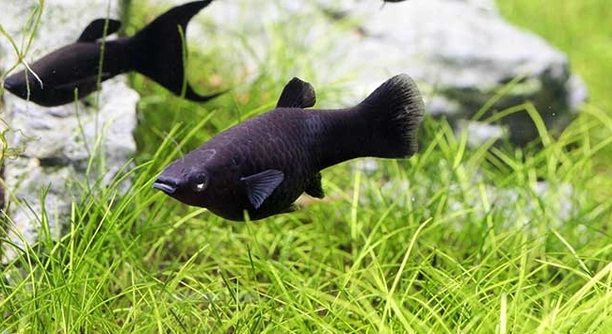
Have you ever raised black molly fry and wondered how to keep them safe during their early days? Learning their basic needs can help you stay confident while guiding these fragile fish through early growth.
Sudden death in black molly fry is primarily caused by poor water quality, rapid parameter shifts, inadequate nutrition, and hidden pathogens. These stressors weaken developing fry, reducing their ability to adapt, thrive, and maintain physiological stability required for healthy development.
Exploring the conditions affecting these small fish will offer guidance that supports smoother care and helps create a safer space.
Understanding the Main Factors Behind Fry Loss
Keeping black molly fry healthy often depends on providing stable conditions that support their early growth. These small fish react strongly to changes in their surroundings, so keeping the water consistent should always be your first priority. When temperature, pH, or hardness swing too fast, fry can become stressed and lose strength in a short time. Clean water is also important because fry are sensitive to toxins that build up from leftover food and waste. Even a mild rise in ammonia can weaken their ability to swim and feed. Feeding also matters, since fry need small meals that match their size and stage. Offering food that is too large or not nutritious enough can slow their growth and increase their frustration. By keeping these factors in balance, you give the fry a better chance to grow without facing pressure that can harm them before they develop proper defenses.
Water stability shapes much of a fry’s early comfort. When temperature or chemistry shift without warning, their bodies struggle to adjust. Maintaining clean water and reducing waste help ease daily stress, giving the fry steady conditions that allow them to build strength while staying protected in their delicate stage.
Feeding habits also influence fry survival in a noticeable way. Their small mouths and steady energy needs require meals they can easily consume without extra effort. Crushed flakes, baby brine shrimp, or gentle micro foods help them grow at a natural pace. When fry receive proper nutrition, they respond with brighter activity and steadier growth patterns. Too much food, however, can cloud the water and create waste that harms them quickly. Offering small portions several times a day keeps the tank cleaner and supports healthier development. This approach helps create a balanced feeding routine that supports steady growth.
Water Conditions and Stability
Stable water shapes overall fry survival by protecting them from sudden stress. Any abrupt shift can strain their developing systems and lower their ability to grow. Regular testing, gentle water changes, and consistent temperature control keep the environment predictable, reducing risk and supporting healthier growth during their early days.
Clean water plays a major role in preventing sudden losses in a fry tank. Because black molly fry are small, they react quickly to waste buildup and changes that might seem minor in a larger aquarium. Ammonia and nitrite rise fast in tanks with heavy feeding or limited filtration, so staying aware of these levels is important. A sponge filter works well because it offers gentle flow and safe biological support without pulling fry into strong currents. Frequent partial changes help lower toxins and keep the water clear enough for fry to swim and feed without stress. Temperature control also matters since these fish need steady warmth to support digestion and growth. Sudden cooling or overheating weakens their resistance and slows their development. Testing your water regularly helps you see problems long before they become harmful. By giving consistent care and staying ahead of shifts, you create a space that protects fry from avoidable stress and lets them grow at a natural pace.
Common Health Issues in Black Molly Fry
Stress from unstable water makes fry vulnerable to illness. Poor nutrition and crowded spaces can also weaken their small bodies. When these problems appear together, fry lose strength quickly and struggle to keep up with normal growth, making sudden loss more likely in a short amount of time.
Parasites and bacterial infections often take hold when fry are already stressed. These issues can spread quietly, especially in tanks with heavy feeding or limited maintenance. Small signs like lethargy or clamped fins may appear before serious decline. Clean water, gentle filtration, and balanced feeding help limit these risks by giving fry more support. When disease is suspected, separating the affected fry can slow the spread and make treatment easier. Safe medications designed for small fish can work well, but they are most effective when started early. Steady care makes the environment more supportive and reduces the chance of recurring issues.
Internal problems also affect fry that are not receiving the right diet. Food that is too large or low in nutrients can cause slowed digestion and limit their ability to develop properly. Fry need frequent small meals that match their growth stage, which helps their systems stay active. When food sits in the tank, it raises ammonia and exposes fry to conditions that make illness more likely. Adjusting feeding habits, removing leftovers, and offering a consistent routine can ease strain on their bodies. This helps build stronger fry that are better equipped to resist minor infections and daily stress.
Feeding Practices That Support Growth
Feeding black molly fry small, gentle meals throughout the day helps them stay active and reduces stress. Overfeeding should be avoided because excess waste harms water stability and exposes fry to conditions that limit their growth and overall strength.
A balanced feeding plan focuses on foods that fry can easily consume without exhausting themselves. Crushed flakes, powdered fry food, and baby brine shrimp work well because they offer nutrients fry need at this early stage. These foods should be offered in small amounts to prevent buildup that harms water quality. Watching how quickly fry eat helps you adjust portions so they get enough without overloading the tank. Spreading meals across the day keeps energy levels steady and supports better development. Clean water and proper nutrition work together, creating an environment that helps fry grow consistently and stay more resilient to daily stress.
The Role of Tank Setup
A simple setup with gentle filtration gives fry a safe place to grow without strong currents or sudden disturbances. Smooth surfaces and soft plants help them rest easily while staying hidden from larger fish that may cause stress in a shared environment.
Keeping the tank clean supports their comfort and lowers the chance of harmful buildup. Regular siphoning of debris, steady temperature control, and quiet surroundings help fry feel secure. Consistency in these areas reduces stress and supports their ability to grow without facing unnecessary strain.
Recognizing Early Signs of Trouble
Watching fry closely helps you notice slow movement, clamped fins, or weak feeding before the situation worsens. These early changes often appear when water quality shifts or when fry are not receiving the right nutrition. Responding quickly with water tests, small adjustments, and better feeding habits helps prevent issues from getting worse. Stable conditions give fry the support they need to continue developing at a steady pace.
Preventing Sudden Loss
Simple routines like frequent small water changes and careful feeding protect fry from stress. A calm setting and clean tank make their environment easier to manage, giving the fry a better chance to grow without facing sudden problems caused by poor conditions or overlooked changes.
FAQ
Why do black molly fry die suddenly even in a clean tank?
Even when the tank appears clean, water chemistry can fluctuate quickly. Ammonia, nitrite, or pH levels may rise without obvious signs. Fry are extremely sensitive, so even small shifts can stress their developing bodies. Gentle filtration, partial water changes, and frequent testing help maintain a stable environment.
How often should I feed black molly fry?
Fry need multiple small meals each day because their tiny stomachs cannot handle large portions. Feeding three to five times daily with crushed flakes, powdered fry food, or baby brine shrimp helps keep energy steady and supports proper growth. Uneaten food should be removed quickly to prevent water quality issues.
Can overcrowding cause sudden fry death?
Yes, overcrowding increases stress and competition for food. Fry can become weaker as they struggle to get enough nutrition. It also raises waste buildup in the tank, creating harmful conditions. Keeping fry density low ensures they have enough space to swim and grow safely.
Do temperature changes affect fry survival?
Absolutely. Sudden shifts in temperature can shock fry, weaken their immune systems, and make them more prone to disease. Maintaining a consistent temperature suited for black molly fry, typically around 78–82°F (25–28°C), is crucial. Using a reliable heater and monitoring daily helps reduce sudden losses.
Are certain types of food better than others?
Yes, fry do best with small, nutrient-rich foods they can consume easily. Crushed flakes, powdered fry food, and live or frozen baby brine shrimp are ideal. Foods that are too large, nutrient-poor, or processed can cause poor growth and weaken fry, making them more vulnerable to stress and disease.
Can adult fish harm fry?
Yes, adult mollies may eat fry if they are kept together. Providing plenty of hiding spots with plants, moss, or breeding nets reduces the risk. Separating fry into a nursery tank or using a breeder box ensures they are protected while they grow.
How do I know if my fry are stressed?
Signs of stress include sluggish movement, clamped fins, poor feeding, or hiding more than usual. Stress is often caused by poor water quality, overcrowding, temperature changes, or inadequate nutrition. Quick adjustments in care routines and water management can help fry recover before problems worsen.
Is medication safe for fry?
Some medications are safe when used according to instructions, but many treatments are too harsh for fry. Only use products specifically formulated for small or young fish, and apply them in a separate tank if possible. Overmedicating can harm the fry more than the illness itself.
Why do some fry survive while others die?
Survival often depends on a combination of genetics, nutrition, and environmental stability. Even small differences in tank conditions or feeding efficiency can affect which fry thrive. Consistent care, careful monitoring, and attention to water quality give the highest chance of keeping most fry healthy.
How can I prevent sudden losses long-term?
Long-term prevention relies on routine maintenance, steady feeding, and stable water conditions. Regular monitoring of ammonia, nitrite, nitrate, and temperature, combined with a safe, low-stress tank setup, gives fry a stronger chance to grow. Gradual adjustments rather than abrupt changes help protect delicate fry over time.
Can stress from handling cause death?
Yes, handling fry directly or disturbing the tank too often can stress them. Minimal contact and careful observation reduce the chance of sudden death. Using nets gently and only when necessary prevents unnecessary strain on their tiny bodies.
Do water hardness and pH really matter?
Yes, fry are sensitive to both pH and water hardness. Sudden shifts can impair their ability to feed and develop properly. Maintaining moderate, stable water conditions, with slight alkalinity typical for black mollies, supports healthy growth and reduces early losses.
How long are fry most vulnerable?
Fry are most vulnerable during the first few weeks after birth. During this period, they are small, weak, and highly sensitive to water quality, nutrition, and stress. Providing a controlled environment, frequent feeding, and protective hiding spots is critical for survival in this early stage.
Is it okay to mix fry with other species?
Mixing fry with other fish is risky. Fry can be eaten or outcompeted for food by larger or more aggressive species. A separate nursery tank or breeder box provides safety and ensures they receive the nutrition and attention they need without additional stress.
Can I prevent disease entirely?
Complete prevention is difficult, but risk can be minimized. Stable water, proper nutrition, low stress, and regular cleaning dramatically reduce the chance of disease. Early detection and gentle treatment further protect fry before minor issues turn into sudden losses.
This FAQ section addresses the most common concerns about sudden black molly fry death, focusing on practical steps to reduce stress, maintain water stability, and support growth. Proper attention during the first weeks significantly increases survival rates.
Raising black molly fry can feel both rewarding and challenging because these tiny fish are delicate during their first few weeks. Their survival depends heavily on stable water, proper feeding, and careful observation. Even small mistakes can lead to stress, which makes fry more likely to die suddenly. By paying attention to water quality, temperature, and pH, you provide a foundation for healthy development. Gentle filtration and regular partial water changes help keep conditions consistent, while avoiding overcrowding ensures each fry has space to swim and feed. Small steps like monitoring ammonia and nitrite levels, along with maintaining moderate water hardness, go a long way toward creating a safe environment. Consistency is key—sudden changes, even if unintentional, can have a significant impact on their fragile bodies. Keeping these basics in mind allows the fry to grow stronger and reduces the risk of unexpected loss, which can be frustrating when you are trying to care for them carefully.
Feeding is another crucial factor in fry survival, and it requires attention to both quantity and type of food. Tiny black molly fry cannot handle large pieces of food, so providing crushed flakes, powdered fry food, or baby brine shrimp ensures they get the nutrition they need without overwhelming their small digestive systems. Feeding multiple small portions throughout the day keeps their energy levels stable and promotes steady growth. Overfeeding should be avoided because leftover food can quickly pollute the water, raising ammonia and nitrite levels, which are harmful to fry. Watching how quickly they consume their meals helps you adjust the portions and maintain cleaner water. Balanced nutrition also supports the fry’s immune systems, helping them resist minor infections or stress from environmental changes. By combining careful feeding with clean, stable water, you create a supportive environment that encourages consistent growth and reduces the chance of sudden death.
Observation and early intervention are essential tools in caring for black molly fry. Small changes in behavior, such as sluggish swimming, hiding more than usual, or clamped fins, often indicate stress or illness before it becomes critical. Acting quickly by testing water, adjusting feeding, or separating fry when needed can prevent more serious problems. Providing plenty of hiding spots, gentle filtration, and a calm environment reduces stress and gives fry the confidence to explore, feed, and grow. It is also important to understand that some loss may occur even under careful care, as genetics and natural variation play a role in survival. However, by focusing on stable water conditions, proper nutrition, and attentive observation, most fry can thrive and develop into healthy adult mollies. Careful planning and patience create a strong foundation that helps fry survive their most vulnerable stages and eventually grow into vibrant, active fish.

Hello,
If you enjoy the content that we create, please consider saying a "Thank You!" by leaving a tip.
Every little bit helps us continue crafting quality advice that supports the health, happiness, and well-being of pets around the world, for pets of all shapes, sizes, and species.
We really appreciate the kindness and support that you show us!