
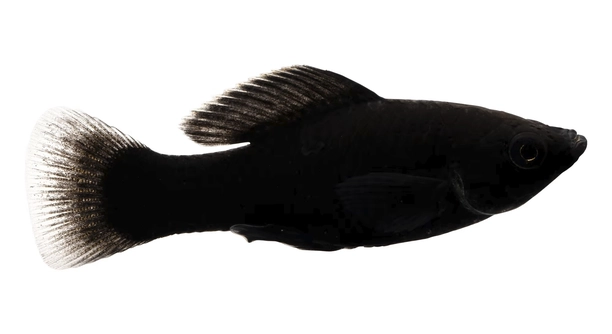
Are your black mollies acting restless or swimming in tight circles more often than usual? Many fish owners notice small changes in behavior when tank space becomes limited. These changes can affect the harmony of your aquarium.
Black mollies may compete for space when their environment lacks sufficient hiding spots or swimming room. Overcrowding, limited resources, and territorial instincts often trigger aggressive behavior, fin nipping, or chasing among these otherwise peaceful fish. Proper tank management reduces conflict.
Recognizing these behaviors early can help you create a calmer, healthier environment for your mollies and prevent potential injuries or stress.
Frequent Chasing and Nipping
Black mollies often chase each other when tank space feels limited. You might notice one fish darting after another, especially near feeding times or favorite hiding spots. This behavior can escalate if multiple mollies are competing for the same area. Over time, chasing can lead to torn fins or stress, which impacts their overall health. Watching your tank daily helps you spot these signs early. A lack of space or overcrowding typically triggers repeated chases. Even minor disturbances, like rearranging decorations, can make territorial behaviors worse. Providing enough plants and hiding spots can reduce tension among your mollies. You might notice that when space is adequate, chasing becomes rare, and fish seem calmer. Adjusting tank layout, separating aggressive individuals, or increasing swimming room often stops repetitive nipping. Observing interactions carefully allows you to manage behavior before injuries occur.
Frequent chasing usually signals a need for more space or hiding areas, preventing stress and injuries among your mollies.
Keeping an eye on chasing patterns helps you decide whether to add more decorations, expand tank size, or reorganize swimming paths. Regular observation ensures your mollies coexist peacefully and reduces aggression naturally.
Guarding Favorite Spots
Some black mollies stake out areas around plants, rocks, or corners of the tank.
Territorial behavior often appears when fish repeatedly return to the same spot, chasing others away. Black mollies can guard surfaces near filters, heaters, or decorations they consider prime space. This behavior intensifies if the tank is crowded or if dominant individuals are present. Over time, less aggressive mollies may avoid these areas entirely, reducing their access to food and comfort. Territorial guarding can sometimes be subtle, shown through body posturing or slow circling around claimed spaces. Adding extra hiding spots or rearranging tank decorations distributes favorite zones more evenly. Increased swimming room allows mollies to explore without constant confrontations. Feeding in multiple locations also eases tension. Recognizing guarded areas early helps you intervene before competition escalates. Balancing the environment encourages more peaceful interactions, letting all mollies enjoy the tank without constant stress. Adjustments in layout and careful monitoring usually restore calm among your fish.
Sudden Hiding
Black mollies may suddenly hide when they feel threatened or crowded. You might notice them darting into plants or decorations more often than usual, avoiding open swimming areas. Hiding can signal stress or discomfort in the tank environment.
Sudden hiding often happens when mollies feel their space is being invaded. Limited swimming room or aggressive tankmates can trigger this behavior. Some fish may retreat for long periods, reducing their activity and feeding. Stress from constant hiding weakens immunity, making them more susceptible to disease. Observing which areas they favor for hiding helps you understand where tension occurs in the tank. Adding extra plants, caves, or floating decorations provides secure zones. Separating overly aggressive individuals can also reduce hiding behavior, allowing all mollies to explore the tank without fear. Hiding patterns reveal much about their comfort and help in adjusting the environment.
Persistent hiding can affect feeding and growth if mollies stay in shelters too long. Regularly checking water quality and space ensures they remain active and healthy.
Changes in Feeding Behavior
When black mollies compete for space, their feeding behavior can change noticeably.
Some mollies may eat more aggressively, while others retreat from food entirely. Dominant fish often claim prime feeding spots, leaving smaller or submissive mollies with less access. Over time, this imbalance can affect growth and health. Monitoring feeding habits helps identify individuals that are stressed or excluded. Offering food in multiple locations and spreading it evenly can reduce competition. Feeding smaller amounts more frequently prevents overcrowding during meals. Adjusting diet schedules and tank layout ensures all fish receive proper nutrition and decreases aggression at feeding times. Understanding these patterns allows you to intervene before health issues arise.
Feeding behavior is a reliable indicator of competition. Changes may appear subtle, but consistent monitoring ensures all mollies get enough food and remain healthy.
Fin Damage
Fin damage is a common sign of black mollies competing for space. Torn or ragged fins often result from chasing or nipping.
Even minor fin tears can lead to infections if left untreated. Monitoring tank interactions and ensuring enough space helps prevent worsening injuries.
Rapid Swimming
Rapid swimming or sudden bursts of speed often indicate stress or competition. Fish may dart around to claim territory or escape more dominant tankmates.
Clinging Near Corners
Mollies often cling near tank corners when feeling crowded or threatened. This behavior reduces exposure to more aggressive fish and gives them a sense of control in a limited space.
How can I tell if my black mollies are stressed due to lack of space?
Signs of stress in black mollies include hiding frequently, rapid swimming, chasing, or fin nipping. They may avoid certain areas of the tank, eat less, or stay near corners and decorations. Stress also makes them more vulnerable to illness, so monitoring behavior is important.
What steps can I take to reduce competition in my tank?
Start by increasing swimming space and providing plenty of hiding spots, such as plants, rocks, or small caves. Rearrange decorations occasionally to break up claimed territories. Feeding in multiple locations reduces competition over food. If aggression persists, separating dominant or overly aggressive fish can restore calm.
Is tank size the main factor in preventing conflicts?
Yes, tank size plays a significant role. Overcrowding increases stress and triggers territorial behaviors. A minimum of 20 gallons is recommended for a small group of black mollies. Larger tanks allow fish to spread out, reducing chasing and hiding behaviors. Proper filtration and regular water changes also help maintain a healthy environment.
How can I tell if fin damage is serious?
Minor nips may heal on their own if the fish is not stressed. Severe tearing, redness, or frayed edges may lead to infections. Isolate affected fish if necessary and maintain excellent water quality. Treating injuries early prevents complications and ensures faster recovery.
Can black mollies live peacefully in groups?
Yes, black mollies are social fish, but group dynamics matter. Keep a balanced ratio of males to females to reduce aggression. Ensure enough space, decorations, and hiding spots to accommodate everyone. Observing interactions allows adjustments before behaviors escalate.
Will feeding more frequently help reduce competition?
Feeding small amounts multiple times a day can prevent overcrowding at feeding spots. Spread food across the tank to give all fish access. Overfeeding should be avoided to maintain water quality, but properly timed feedings help mollies feel less pressured and reduce chasing during meals.
Are there signs that indicate a fish should be separated?
Persistent chasing, repeated hiding, constant fin nipping, or refusal to eat are indicators a fish may need to be separated. Aggression may continue even with adequate space, so isolating the problematic fish temporarily can prevent injury and stress in the rest of the group.
Can tank decorations influence territorial behavior?
Yes, decorations create territories that fish may guard. Too few hiding spots can lead to constant competition. Distributing plants and rocks evenly and adding extra shelters helps mollies feel secure. Changing decorations occasionally also prevents dominance over one specific area.
How important is water quality in reducing aggression?
Water quality directly affects fish behavior. Poor water conditions increase stress, making mollies more likely to compete aggressively. Regular water changes, proper filtration, and testing for ammonia, nitrites, and nitrates create a calm environment where fish feel safe and less prone to chasing.
What is the best way to monitor my mollies’ behavior?
Observe the tank daily, noting chasing, hiding, feeding patterns, and fin condition. Keeping a simple log of aggressive incidents can help identify triggers. Adjusting tank layout, feeding methods, and population based on these observations ensures a peaceful and healthy environment.
How can I encourage less aggressive interactions?
Provide multiple hiding spots, maintain proper population density, and offer food in different areas. Adding plants or decorations that break sight lines reduces stress. Sometimes introducing new fish slowly helps prevent territorial disputes. Creating a balanced environment encourages cooperative rather than aggressive behaviors among mollies.
Is it normal for mollies to occasionally chase each other?
Yes, brief chasing is natural, especially among males establishing dominance. It becomes concerning when it is constant, results in injury, or forces fish to hide for long periods. Monitoring frequency and intensity helps determine when intervention is necessary.
Can changing tank mates reduce competition?
Yes, choosing compatible species that are peaceful and similar in size can reduce conflict. Avoid overcrowding with aggressive or fin-nipping species. Observing interactions and making adjustments early helps maintain harmony and ensures all mollies feel secure.
How long does it take for aggression to decrease after making changes?
It varies depending on fish personalities and tank adjustments. Some mollies calm within days if hiding spots, food distribution, and space are improved. Others may need weeks, especially if dominance hierarchies were established. Patience and consistent monitoring are key to long-term peace.
What are the long-term effects of not addressing competition?
Ignoring competition can lead to chronic stress, poor growth, fin damage, infections, and even death. Submissive fish may stop eating or hide constantly, while aggressive individuals can cause injuries. Proactive management ensures all mollies remain healthy, active, and stress-free over time.
Can I prevent competition from the start with new mollies?
Yes, introducing new mollies gradually and ensuring adequate tank size, hiding spots, and food distribution helps prevent early aggression. Monitoring interactions during the first few weeks allows intervention if dominant behaviors emerge, reducing long-term conflict in the tank.
Are male mollies more likely to compete than females?
Males generally display more territorial behavior and chase rivals, especially during mating. Maintaining a balanced male-to-female ratio and providing sufficient space reduces male aggression. Observing dominance patterns early helps prevent prolonged stress or injuries among both males and females.
Do plants and live decorations really help mollies feel secure?
Yes, live plants and decorations provide shelter and break sight lines, reducing stress and aggression. Fish feel more secure when they can retreat or hide. Even simple additions like floating plants or small caves improve tank harmony significantly.
Can overcrowding ever be fixed without adding a new tank?
Yes, reducing the number of fish, rearranging decorations, and maximizing hiding spots can help. Spreading out feeding areas and maintaining excellent water quality also eases tension. However, extremely crowded tanks may ultimately require expansion to fully resolve competition.
What daily habits help maintain a peaceful tank?
Regular observation, timely feeding in multiple locations, checking water quality, and rotating decorations keeps fish comfortable. Addressing aggressive behaviors early prevents stress and injuries. Consistent care ensures black mollies remain active, healthy, and enjoy a stable environment with minimal competition.
How can I tell if a hidden fish is recovering or stressed?
A recovering fish will gradually explore the tank, resume normal feeding, and interact occasionally with other mollies. A stressed fish remains hidden for long periods, avoids food, or shows faded color. Close observation helps determine if interventions are needed to restore comfort.
What role does tank layout play in daily mollies’ interactions?
Tank layout directly influences territorial behavior. Open spaces encourage swimming, while strategic plants and decorations create boundaries that prevent constant chasing. Adjusting layout to balance open swimming areas with hiding spots minimizes stress and encourages peaceful interactions among all mollies.
Are some mollies naturally more aggressive than others?
Yes, individual personality matters. Some fish are naturally dominant or more territorial. Recognizing these tendencies early allows you to manage tank composition and space effectively, ensuring all mollies coexist peacefully despite differing personalities.
How often should I check for signs of aggression?
Daily observation is best. Even short checks during feeding or routine maintenance can reveal chasing, hiding, or fin damage. Noting patterns helps prevent escalation and keeps all mollies healthy and stress-free.
What tools can help me monitor competition more effectively?
Keeping a simple log, taking photos, or recording short videos can track interactions over time. Observing specific fish behaviors, noting feeding patterns, and recording aggression frequency makes it easier to decide when changes are needed in the tank environment.
Can diet changes reduce aggressive behavior?
Yes, feeding high-quality food in small, frequent portions helps mollies feel satisfied and reduces competition. Ensuring that all fish have access to food in multiple spots prevents dominance-related aggression during meals, supporting a calmer and healthier tank.
Is it normal for competition to flare up after adding new fish?
Yes, new fish introduction often triggers territorial behaviors. Dominant fish may chase newcomers temporarily. Providing hiding spots, monitoring interactions, and feeding evenly helps the new and existing mollies settle without long-term stress or injury.
How can I balance male and female mollies to prevent stress?
Maintaining a ratio of one male to two or three females reduces male harassment. Providing enough space and hiding spots ensures females can retreat if necessary. Balanced populations minimize constant chasing and support a stable, peaceful community.
What are early signs of aggression I should never ignore?
Repeated chasing, fin nipping, hiding, sudden changes in swimming patterns, and avoidance of food are early signs. Addressing these behaviors immediately prevents injuries, stress, and long-term health problems, keeping all mollies comfortable in their shared environment.
Can black mollies recover fully from stress caused by competition?
Yes, with proper tank adjustments, sufficient space, hiding spots, and balanced feeding, stressed mollies can regain normal behavior. Recovery depends on consistent care, monitoring, and ensuring aggressive interactions are minimized to allow them to feel safe and healthy again.
What should I do if aggression continues despite adjustments?
Consider separating aggressive individuals temporarily, adding more hiding spots, or increasing tank size. In some cases, relocating dominant fish permanently may be necessary. Continuous monitoring ensures the remaining mollies enjoy a peaceful, stress-free environment, reducing long-term harm.
How long should I monitor mollies after making changes?
Observe daily for at least a few weeks to confirm reduced aggression and normal behavior. Some mollies adapt quickly, while others take longer to feel comfortable. Patience and consistent observation help maintain a calm and healthy tank environment.
Can introducing new tankmates too quickly cause lasting problems?
Yes, sudden introductions can trigger long-term territorial disputes and stress. Gradual acclimation, quarantine if needed, and careful monitoring allow mollies to adjust without permanent behavioral issues or injuries.
Are there subtle signs of competition I might miss?
Yes, minor chasing, short bursts of rapid swimming, or temporary hiding may go unnoticed. Consistently checking interactions, especially during feeding or when adding decorations, ensures early detection and timely intervention before stress becomes serious.
Does water temperature affect aggression?
Yes, improper temperatures can increase stress and irritability. Maintaining the recommended 75–82°F helps mollies remain calm and active, reducing territorial behavior and minimizing competition-related conflicts in the tank.
How do I know if my tank is still too small?
If chasing, hiding, and fin nipping continue despite adjustments, your tank may be overcrowded. Observing overall activity, access to food, and available swimming space helps determine whether expansion or rehoming is necessary.
Can I prevent aggression by choosing specific mollies?
Selecting calmer individuals or avoiding overly dominant fish reduces the chance of long-term disputes. Observing personalities before adding to a group helps maintain balance and encourages peaceful coexistence.
How can I make the tank more comfortable for all mollies?
Provide adequate space, hiding spots, multiple feeding areas, proper water quality, and a balanced population. Observing behaviors and adjusting layout ensures that dominant fish do not overwhelm others and that everyone has access to food, shelter, and swimming space.
Is frequent monitoring enough to prevent serious injuries?
Monitoring alone helps identify early signs but must be combined with adjustments in tank size, layout, and population management. Timely action prevents injuries, stress, and long-term health problems for all mollies.
What role does lighting play in reducing competition?
Moderate lighting with shaded areas gives mollies a sense of security. Bright, uniform light may increase visibility for dominant fish, encouraging chasing. Creating a balance of light and shade supports calmer interactions.
How can I maintain long-term peace in a community tank?
Consistently observe behaviors, maintain water quality, provide space, distribute food evenly, and adjust decorations as needed. Balanced populations and gradual introductions help mollies coexist peacefully over time. Long-term success depends on proactive care and attention to subtle changes in behavior.
What signs indicate that my interventions are working?
Reduced chasing, less hiding, calmer feeding patterns, and healthy fins indicate success. Mollies explore the tank more freely, interact normally, and show minimal stress. Consistent observation ensures continued harmony.
Can stress from competition affect breeding?
Yes, stressed mollies may delay or avoid breeding. Providing adequate space, hiding spots, and reduced aggression encourages natural mating behavior and healthier offspring. Monitoring stress levels is essential for reproductive success.
How do I handle aggressive newcomers without causing stress?
Quarantine and gradual introductions minimize initial fights. Observing interactions and providing hiding spots reduces confrontation. Feeding in multiple locations allows newcomers and existing fish to eat safely, reducing tension and stress.
Does the number of hiding spots need to increase as the tank grows?
Yes, more fish require additional hiding spots to prevent overcrowding and territorial disputes. Plants, rocks, and decorations distributed evenly help mollies feel secure and reduce competition over limited shelter.
What is the single most important factor in reducing black molly competition?
Maintaining adequate space combined with plenty of hiding spots and balanced feeding strategies is key. Observing behaviors and making adjustments ensures a calm, healthy, and stress-free environment for all mollies, minimizing aggression and supporting overall well-being.
How can I tell when my tank has reached a stable state?
A stable tank shows minimal chasing, healthy fins, normal feeding behavior, and regular swimming patterns. Mollies explore freely, use hiding spots without fear, and display little territorial aggression. Consistent observations confirm a balanced and peaceful environment.
Can environmental enrichment improve mollies’ behavior?
Yes, adding plants, rocks, caves, and varied decorations provides stimulation and reduces boredom-related aggression. Environmental enrichment encourages natural exploration and reduces territorial disputes, contributing to a calmer, more harmonious tank.
How often should I rearrange decorations to prevent competition?
Minor adjustments every few weeks help break established territories. This prevents dominant fish from monopolizing favorite spots and encourages more equal access for all mollies, reducing stress and aggressive behaviors over time.
Is monitoring water parameters as important as observing behavior?
Absolutely. Poor water quality increases stress and aggression. Regular testing and maintenance prevent health problems and ensure mollies remain calm and less prone to competitive or aggressive behavior.
Can overcrowding ever be fixed without removing fish?
Partial fixes include adding hiding spots, spreading feeding areas, and rearranging decorations. However, if chasing and stress persist, reducing population or expanding tank space may be necessary to maintain a peaceful environment.
Do mollies remember past conflicts?
Yes, dominant and submissive relationships can influence future interactions. Fish may continue avoiding certain areas or individuals even after adjustments. Understanding these dynamics helps in managing long-term tank harmony.
What’s the best way to introduce new mollies to an established tank?
Quarantine newcomers first, then add them slowly with visual barriers. Ensure hiding spots and space are abundant. Monitor closely during the first weeks to prevent injuries and establish peaceful coexistence.
How do I balance diet and space to reduce aggression?
Feed small portions frequently and distribute food across multiple locations. Maintain adequate swimming and hiding space to ensure all mollies access food without constant competition, reducing aggressive interactions and stress.
Can minor injuries heal on their own?
Yes, small nips often heal if fish remain unstressed and water quality is high. Watch for signs of infection or worsening damage, and intervene if necessary with treatment or isolation.
Is aggression more common in certain times of the day?
Yes, competition often peaks during feeding or when lights first come on. Observing these periods helps in planning feeding locations and adjustments to decorations to reduce stress.
Can I completely prevent competition in a black molly tank?
While some chasing and minor dominance is natural, careful tank management, space, hiding spots, balanced populations, and monitoring significantly reduce serious aggression and stress. Complete prevention is unlikely, but proactive care keeps behaviors manageable.
Does water flow affect territorial behavior?
Moderate water flow encourages swimming without creating stressful currents. Strong currents may force mollies into certain areas, increasing competition for calm zones. Balancing flow ensures comfort and reduces aggression.
Are some tank shapes better than others for reducing aggression?
Longer, wider tanks provide more horizontal swimming space and reduce territorial disputes. Tall, narrow tanks limit movement and may increase competition for prime spots. Choosing a tank with adequate surface area supports peaceful behavior.
How can I tell if hiding mollies are comfortable or fearful?
Comfortable mollies will venture out occasionally, explore decorations, and eat normally. Fearful fish remain in hiding for long periods, refuse food, or show rapid breathing. Observing these patterns guides adjustments to space, hiding spots, and tank layout.
Do black mollies get along better with specific species?
Peaceful, similar-sized species reduce stress and competition. Avoid aggressive or fin-nipping fish, which can exacerbate territorial behaviors. Choosing compatible tankmates supports a calmer, more balanced environment for all mollies.
Can regular water changes influence competition?
Yes, clean water improves health and reduces stress, making mollies less likely to fight over territory or food. Maintaining stable water parameters is essential for minimizing aggressive interactions.
How can I prevent long-term stress after aggressive incidents?
Provide extra hiding spots, maintain water quality, ensure proper feeding, and monitor injured or stressed fish closely. Early intervention and a calm environment help mollies recover fully and prevent chronic stress from affecting behavior.
Is it okay if some mollies remain shy?
Yes, some individuals are naturally timid. Ensuring enough space, hiding spots, and minimal harassment allows shy mollies to thrive without forcing them into dominant roles.
Do black mollies show signs of social hierarchy?
Yes, dominant individuals may chase or guard areas, while submissive fish avoid confrontation. Recognizing hierarchy helps in managing tank composition, feeding, and layout to reduce stress and injuries.
Can tank size alone prevent aggressive behavior?
Tank size helps but is not the only factor. Adequate space combined with hiding spots, balanced feeding, proper population ratios, and compatible tankmates ensures long-term reduction of aggressive behavior and competition among mollies.
How do I know if my interventions are sustainable long-term?
Observe fish over several weeks for consistent calm behavior, reduced chasing, and healthy fins. If stress signs remain low and all fish eat normally, interventions are effective and sustainable.
Are live plants better than artificial for reducing competition?
Both provide hiding spots, but live plants offer more natural shelter, improve water quality, and encourage exploration. They can reduce stress and aggression more effectively than artificial decorations alone.
Can seasonal changes affect aggression?
Yes, temperature fluctuations, changes in lighting, or breeding periods can influence behavior. Maintaining stable conditions minimizes stress and competition throughout the year.
Is it normal for aggressive behavior to fluctuate?
Yes, minor fluctuations happen based on feeding, breeding, or new tankmates. Monitoring and adjusting the environment ensures that occasional aggression does not become chronic or harmful.
How do I know if hiding spots are sufficient?
If fish still hide excessively or are constantly chased, additional hiding spots are needed. Observing how fish use existing shelters helps determine whether more space or decorations are required.
Can stress from competition impact coloration?
Yes, stressed mollies may show
Keeping black mollies in a tank requires careful observation and attention to their behavior. When mollies compete for space, it can affect their health, growth, and overall well-being. Stress from constant chasing, hiding, or fin nipping can weaken their immune system, making them more prone to infections and disease. It is important to recognize the early signs of competition so that corrective measures can be taken before the situation worsens. Providing a proper tank environment, including adequate swimming space, hiding spots, and decorations, helps reduce tension and supports calmer interactions among all fish. Paying attention to feeding behavior, such as offering food in multiple areas, also reduces competition during meals. Consistency in care and routine observation are key to ensuring that all mollies feel secure and have access to food and shelter without conflict.
Tank size plays a major role in managing black molly behavior. Overcrowding often leads to chasing, aggression, and stress. A minimum of 20 gallons is recommended for a small group, but larger tanks allow fish to spread out and establish their own territories without constant interference. Rearranging decorations occasionally can help break up established territories and give less dominant fish opportunities to explore freely. Plants, rocks, and caves provide safe hiding places, which are essential for mollies that feel threatened or need a place to rest. Even small adjustments, like adding a floating plant or creating shaded corners, can reduce aggression and allow fish to feel more secure. Observing how mollies use these spaces helps determine whether more changes are needed to maintain a peaceful environment. In addition to space and decoration, water quality is critical. Clean, well-filtered water with stable temperature and pH levels ensures that mollies remain healthy and less likely to exhibit stress-related behaviors.
Managing black mollies effectively requires patience and consistent monitoring. Aggression and competition may never disappear completely, but they can be controlled through careful tank management and observation. It is important to pay attention to the dynamics within the group, noting which individuals are more dominant and which are more submissive. By understanding their natural behaviors and providing appropriate space, hiding spots, and feeding strategies, you can create a stable and healthy environment for all mollies. Regular observation allows you to identify early signs of stress or injury and take steps to prevent escalation. Small, consistent changes can have a big impact on reducing competition and ensuring the overall well-being of your fish. With proper care, attention, and a well-balanced tank, black mollies can live comfortably together, remain healthy, and display more natural, calm behaviors.

Hello,
If you enjoy the content that we create, please consider saying a "Thank You!" by leaving a tip.
Every little bit helps us continue crafting quality advice that supports the health, happiness, and well-being of pets around the world, for pets of all shapes, sizes, and species.
We really appreciate the kindness and support that you show us!