
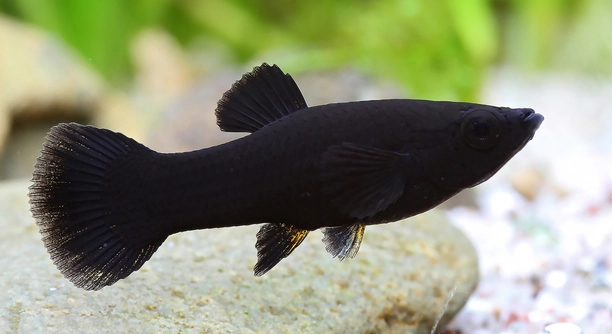
Are your black molly tank and its water developing an unpleasant smell? This is a common issue for many aquarium owners. Fish tanks require careful attention, and even small oversights can create noticeable odors over time.
The primary reasons a black molly tank smells include overfeeding, poor filtration, decaying food or plant matter, insufficient water changes, high ammonia or nitrate levels, inadequate aeration, and overcrowding. Addressing these issues directly can significantly reduce or eliminate odor.
Maintaining a clean and healthy environment for your mollies is essential. Understanding these factors will help you create a fresher, more balanced tank for your fish.
Overfeeding Your Mollies
Overfeeding is one of the most common reasons a black molly tank begins to smell. Mollies are small fish, but it is easy to give them too much food. Uneaten food settles at the bottom of the tank, where it starts to decay and produce a strong odor. Even if it seems like your fish are constantly hungry, it is better to feed small amounts two to three times a day rather than a large portion at once. Using a feeding schedule and observing how much your mollies eat within a few minutes can help prevent excess food from lingering in the tank. Removing any leftover food promptly also minimizes waste and keeps water conditions stable. Overfeeding not only causes odor but can increase ammonia and nitrate levels, making the tank environment unhealthy for your fish.
Controlling the amount of food your mollies receive will help maintain a cleaner tank and prevent strong odors from developing.
Monitoring portions carefully ensures healthier fish and fresher water. Consistency in feeding prevents unnecessary decay and keeps the tank balanced. Small adjustments in daily feeding habits can make a noticeable difference in the tank’s smell. Regularly checking how much food your mollies consume and promptly removing uneaten pieces stops organic matter from accumulating. This simple step can improve both water quality and fish health, reducing the risk of stress or disease. Pairing proper feeding with routine water changes and filtration maintenance ensures the tank remains fresh and stable, providing a comfortable environment for your mollies. Over time, disciplined feeding habits become routine, making odor problems rare and helping you enjoy a clean, well-maintained aquarium.
Poor Filtration
A weak or improperly maintained filter can cause your tank to smell, even if you are careful with feeding. Filters are essential to remove waste, debris, and harmful chemicals from the water.
In a poorly filtered tank, waste accumulates faster than it can be processed. Over time, this leads to cloudy water and noticeable odors. Choosing a filter appropriate for the size of your tank is crucial, as an underpowered filter cannot handle the bioload created by your mollies. Routine maintenance is also essential. Cleaning or replacing filter media prevents buildup and ensures the system continues to function efficiently. Biological filtration, which relies on beneficial bacteria, also requires attention. These bacteria break down ammonia and nitrites, keeping the water safe and odor-free. If the filter becomes clogged or stops working, toxins can build up quickly, harming fish and creating a strong smell. Investing in a reliable filter and maintaining it properly is a straightforward way to reduce tank odor. Regular monitoring and occasional upgrades keep the system running optimally.
Proper filtration will remove waste and maintain clean water. Regular maintenance ensures consistent performance, protecting fish health.
Decaying Plants and Uneaten Food
Decaying plants and leftover food produce ammonia and other compounds that create a strong odor in your tank. Removing these items promptly keeps water clean and reduces the smell.
Organic matter like uneaten food or dead plant material breaks down quickly in water. As it decomposes, bacteria feed on it, releasing waste and gases that create a noticeable odor. Even a few forgotten leaves or leftover flakes can start to affect water quality within a day or two. Regularly inspecting the tank for debris and removing it ensures a fresher environment. Using a small net to collect leftover food and trimming dead plant parts prevents buildup. These small steps maintain better water conditions, reduce odor, and help prevent spikes in harmful chemicals like ammonia and nitrites. Consistent cleanup habits keep your tank cleaner and safer for mollies.
Keeping the tank free of decaying matter improves water clarity and reduces stress for your fish. Removing leftovers prevents odor buildup while supporting healthy water chemistry.
Infrequent Water Changes
Failing to change water often enough allows waste and toxins to accumulate, causing a foul smell. Frequent water changes keep conditions stable and minimize odor.
Water changes remove dissolved waste, excess nutrients, and organic matter that contribute to odor. Even with a good filter, some waste remains in the tank, gradually building up over time. Performing regular partial water changes of 25-30% weekly helps maintain water quality and keeps ammonia, nitrite, and nitrate levels low. Skipping changes allows these compounds to rise, stressing your mollies and encouraging bacterial growth that produces odor. It also prevents the water from becoming cloudy and unsafe. Using a siphon or gravel vacuum during water changes removes debris from the substrate, further reducing smell. Consistency is key; creating a water change schedule ensures the tank stays clean, fresh, and healthy for your fish.
Combining water changes with proper feeding and filtration maximizes tank cleanliness. Routine maintenance supports a stable, odor-free environment for black mollies.
High Ammonia or Nitrate Levels
High ammonia or nitrate levels are common reasons your tank may smell. These compounds build up from fish waste and decaying matter, creating a strong, unpleasant odor.
Testing your water regularly is essential. Ammonia and nitrate spikes harm fish and worsen odor. Using water conditioners, partial water changes, and maintaining proper filtration keeps levels stable. Consistent monitoring prevents sudden increases that could stress your mollies and keeps the tank smelling fresh.
Inadequate Aeration
Poor aeration reduces oxygen in the water, allowing bacteria that produce odor to thrive. Air stones, filters, or pumps improve water movement. Proper aeration supports fish health and minimizes unpleasant smells.
Overcrowding
Too many mollies in a tank increases waste and contributes to odor. Each fish adds to the bioload, overwhelming filtration and making water quality difficult to maintain. Keeping an appropriate fish-to-tank ratio reduces odor, improves water quality, and ensures a healthier environment for all your mollies.
Why does my black molly tank smell even though I clean it regularly?
Even with regular cleaning, odors can persist if certain issues are overlooked. Overfeeding, leftover food, decaying plants, or a filter that is not functioning efficiently can all contribute to lingering smells. Cleaning removes visible debris, but dissolved waste like ammonia, nitrites, and nitrates can remain in the water, causing a noticeable odor. Partial water changes alone are not always enough to resolve the problem if organic matter or excess nutrients continue to accumulate. Regular testing of water parameters, proper feeding, and consistent filter maintenance are essential for keeping odors under control.
How often should I change the water in my black molly tank?
Water changes are essential to maintain a healthy, odor-free tank. For most black molly tanks, changing 25-30% of the water once a week is sufficient. If the tank is heavily stocked, partial water changes may need to be done twice a week to prevent a buildup of ammonia, nitrites, and nitrates. Using a gravel vacuum during changes helps remove uneaten food and other debris from the substrate. Consistent scheduling ensures stable water quality, reducing stress on your fish and minimizing odor over time.
Can overfeeding really cause such a strong smell?
Yes, overfeeding is one of the leading causes of tank odor. Uneaten food sinks to the bottom and begins to decompose, creating ammonia and promoting bacterial growth. These compounds release a strong smell and can harm your mollies if left unchecked. Feeding small amounts multiple times a day, rather than one large feeding, prevents excess food from remaining in the tank. Observing how much your fish consume within a few minutes helps determine the correct portion. Promptly removing leftover food stops organic matter from accumulating and keeps water cleaner.
Do black mollies need a special filter to prevent odor?
While any suitable filter can work, having a properly sized filter improves odor control. Filters remove waste, debris, and harmful chemicals from the water. Biological filtration, which uses beneficial bacteria, is also important to break down ammonia and nitrites. Cleaning or replacing filter media regularly ensures it continues to function effectively. In a crowded or heavily fed tank, an underpowered filter may not keep up with the bioload, causing water to stagnate and smell. Choosing the right filter and maintaining it consistently is one of the most effective ways to reduce tank odor.
Why does the smell return quickly after a water change?
If odor returns soon after a water change, underlying issues are likely still present. Overfeeding, decaying plants, poor filtration, or overcrowding can all contribute to recurring smells. Water changes dilute waste temporarily, but if new organic matter continues to accumulate, the smell will return. Regular monitoring of water parameters, cleaning leftover food, trimming dead plant matter, and ensuring proper aeration help maintain long-term freshness. Pairing these habits with consistent partial water changes ensures that odor does not become a persistent problem in your tank.
Can aeration help reduce tank odor?
Yes, aeration increases oxygen levels in the water and improves circulation, which slows the growth of odor-producing bacteria. Air stones, pumps, or filters that increase surface movement support healthier water chemistry. Proper aeration also helps maintain a stable environment for your mollies, reducing stress and keeping the tank fresher. Stagnant water encourages the buildup of harmful compounds, but a well-aerated tank allows for better gas exchange and more efficient breakdown of waste. Combining aeration with regular cleaning, water changes, and proper feeding maximizes odor control.
Is overcrowding a serious problem for tank smell?
Overcrowding directly impacts water quality and odor. More fish produce more waste, which can overwhelm the filter and lead to high ammonia and nitrate levels. Keeping the correct fish-to-tank ratio prevents stress, maintains water clarity, and reduces smell. For black mollies, a general guideline is one inch of fish per gallon of water, though additional space is better. Overcrowding also increases competition for food, which may lead to overfeeding and leftover waste. Maintaining a balanced population ensures your tank remains clean and odor-free.
How can I prevent my black molly tank from smelling in the future?
Prevention combines proper feeding, regular water changes, filter maintenance, aeration, and monitoring water parameters. Removing uneaten food and decaying plants, maintaining the correct fish population, and checking ammonia and nitrate levels consistently are key. Investing in a quality filter and keeping it clean ensures continuous waste removal. Regular partial water changes prevent accumulation of dissolved waste, while aeration improves oxygen levels and slows bacterial odor production. Following these steps creates a stable, healthy environment for your mollies and significantly reduces the risk of tank odor.
Maintaining a black molly tank requires consistent attention to prevent unpleasant smells. Odor is rarely caused by a single factor, and often it is the result of multiple small issues combining over time. Overfeeding, decaying plants, uneaten food, overcrowding, poor filtration, high ammonia or nitrate levels, and inadequate aeration all contribute to a tank that develops a noticeable smell. Understanding each factor and addressing it directly is the most effective way to maintain a clean and healthy environment for your fish. Regular observation of your tank and its inhabitants is important because subtle changes in behavior or water clarity often signal underlying problems that can lead to odor if left unresolved. Developing a routine that incorporates proper feeding, water changes, filter maintenance, and aeration ensures that you catch and correct these issues before they become severe. By taking these steps, you protect both the water quality and the health of your mollies, creating a tank that is both clean and enjoyable to look at.
Consistent water changes are a cornerstone of tank care. Even with a functioning filter, waste and dissolved organic compounds can build up over time. Partial water changes remove these substances and restore balance to the tank. Using a siphon or gravel vacuum during water changes is particularly helpful, as it removes debris from the substrate, where decaying food and plant matter often collect. Feeding smaller portions of food and removing uneaten pieces promptly prevents organic material from building up. In addition, monitoring water parameters such as ammonia, nitrite, and nitrate levels allows you to respond quickly to changes that could negatively impact water quality. Proper aeration, whether through air stones, pumps, or filter output, helps maintain oxygen levels and reduces the growth of bacteria that can produce strong odors. Combining these practices creates a stable environment in which black mollies can thrive while keeping the tank smelling fresh.
Filters play an essential role in maintaining a clean tank, but their effectiveness depends on regular maintenance. Cleaning or replacing filter media ensures that waste is removed efficiently and beneficial bacteria continue to break down harmful compounds. Biological filtration is particularly important for controlling ammonia and nitrites, which can accumulate quickly in a small or overcrowded tank. Keeping the tank population appropriate for the tank size also reduces waste buildup and prevents excessive odor. Overcrowding not only stresses fish but also increases the bioload, making filtration and water changes less effective. Paying attention to these details over time creates a healthier, more balanced environment for your mollies and significantly reduces odor. Maintaining a black molly tank takes effort, but with consistent care and attention to water quality, feeding, and filtration, your tank can remain clean, safe, and pleasant for both you and your fish.

Hello,
If you enjoy the content that we create, please consider saying a "Thank You!" by leaving a tip.
Every little bit helps us continue crafting quality advice that supports the health, happiness, and well-being of pets around the world, for pets of all shapes, sizes, and species.
We really appreciate the kindness and support that you show us!